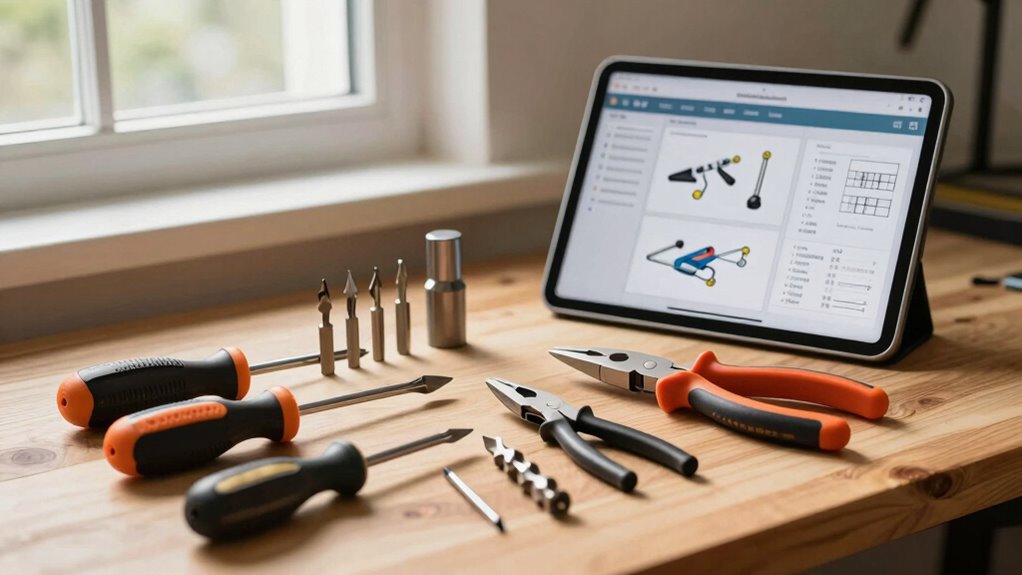

A well-designed tool ecosystem is essential for your long-term DIY success because it streamlines your workflow, making it easier to stay organized and avoid compatibility issues. It supports collaboration with others, allowing everyone to share ideas and progress seamlessly. Plus, it’s adaptable, helping you pivot as your skills and projects evolve without losing momentum. A solid ecosystem provides a reliable foundation for growth and innovation—exploring further will show you how to build one effectively.

Get business pricing on tools and workshop supplies
- Business-only prices and quantity discounts
- Tax-exempt purchasing
- Multiple users, one account, clear invoices
Key Takeaways
- Ensures seamless compatibility and interoperability, reducing technical issues over time.
- Supports scalable workflows that grow with increasing project complexity.
- Facilitates collaboration, sharing, and collective problem-solving among DIY communities.
- Enhances adaptability to new tools and technologies, preventing system fragmentation.
- Promotes sustainable growth by building a resilient, evolving ecosystem for long-term success.
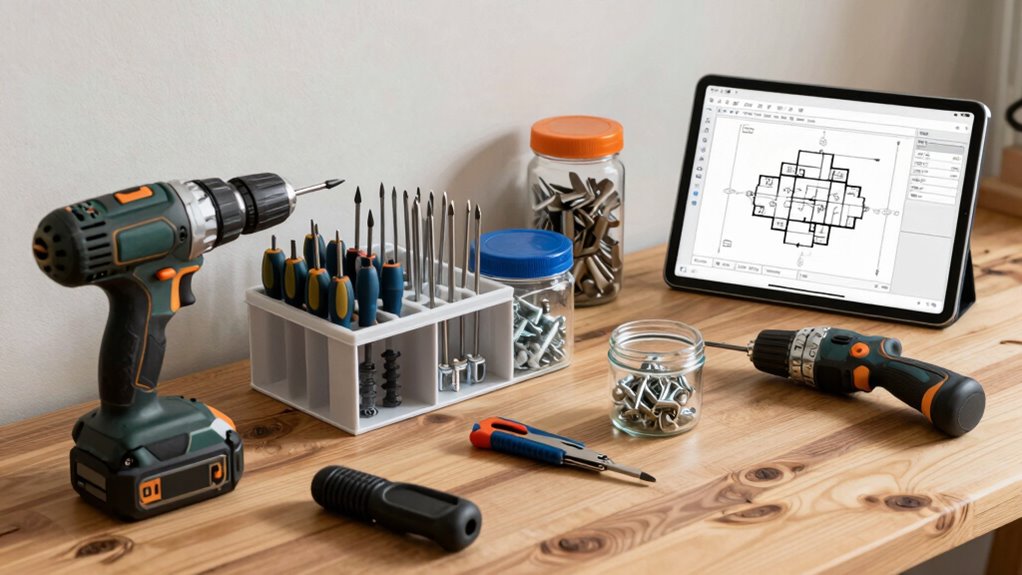
In today’s DIY landscape, having the right set of tools can make all the difference in turning your ideas into reality. But beyond just choosing individual tools, it’s crucial to think about the bigger picture: the tool ecosystem you build around your projects. A well-integrated ecosystem not only streamlines your work but also supports sustainable growth over time. When your tools work seamlessly together, you can focus more on the creative process instead of troubleshooting compatibility issues. This harmony allows you to scale your projects efficiently, learn new skills faster, and develop a deeper understanding of your craft.
One of the key benefits of a robust tool ecosystem is fostering user collaboration. Whether you’re working alone or with others, having interconnected tools makes sharing ideas, progress, and feedback straightforward. Collaboration becomes more natural because everyone can access the same data, communicate effectively, and contribute in real-time. This collective effort accelerates your projects and encourages a sense of community among DIY enthusiasts. When your tools support user collaboration, you’re more likely to stay motivated, inspired, and committed to long-term growth.
Additionally, a comprehensive tool ecosystem helps you adapt to changes and new challenges. As your skills advance and your projects evolve, you’ll find that a flexible, interconnected suite of tools allows you to pivot quickly. Instead of ditching old tools or facing fragmentation, you can integrate new solutions smoothly. This adaptability is vital for sustainable growth, ensuring you don’t hit dead ends or get overwhelmed by incompatible systems. Over time, this approach helps establish a reliable workflow that can support increasingly complex projects. Incorporating technology integration into your toolkit further enhances your ability to keep everything running smoothly and efficiently. A well-designed ecosystem also emphasizes compatibility, ensuring that all components work together without friction, which is essential for long-term success. Moreover, understanding the importance of system interoperability can help you choose tools that are inherently designed to work together, reducing future integration challenges. Emphasizing interoperability standards can also make your ecosystem more adaptable to emerging technologies and updates.
Investing in an ecosystem also means considering the future. When your tools are designed to work together, you build a resilient foundation that can grow with you. As you take on larger or more intricate projects, your ecosystem can scale accordingly, saving you time and energy. It’s about creating a system that nurtures your ongoing learning, encourages collaboration, and fosters innovation. Creating a sustainable workflow is essential for maintaining progress over time, especially as your projects become more complex. In the long run, this mindset of interconnectedness and adaptability will make your DIY journey more enjoyable, sustainable, and successful.
Products Worth Considering

Arlo Pro Wireless Security Camera, 2K HDR, 6th Generation, 4-Camera Set

Sonos One Two-Room Set Smart Speakers with Built-In Alexa, Black

Levoit Eleva 300X Air Purifier with Fully Sealed HEPA Filtration and Smart Control
As an affiliate, we earn on qualifying purchases.
Frequently Asked Questions
How Do I Start Building a DIY Tool Ecosystem?
To start building a DIY tool ecosystem, first identify essential tools you need and focus on quality. Regularly practice skill development to get comfortable with each tool. Keep your tools well-maintained to guarantee longevity and safety. As you grow confident, expand your collection strategically, integrating compatible tools that complement your projects. This approach helps you develop a cohesive system, making future DIY tasks more efficient and enjoyable over the long term.
What Are the Costs Involved in Expanding a Tool Ecosystem?
Expanding your tool ecosystem is like planting a forest; costs grow as you add more trees. You’ll need to budget for tool durability, ensuring your tools last longer, and maintenance costs, which keep them functioning smoothly. Expect initial investments for quality tools, plus ongoing expenses for repairs and upgrades. While costs vary, smart choices can reduce long-term expenses, making your DIY forest thrive without draining your wallet.
How Do Tool Ecosystems Adapt to Evolving DIY Projects?
You adapt your tool ecosystem by focusing on tool interoperability and accessory compatibility. As your DIY projects evolve, you choose tools that work seamlessly together, allowing you to share batteries and accessories across brands or models. This flexibility saves you time and money, making it easier to upgrade or expand your collection. Regularly evaluate new tools that fit your existing ecosystem, ensuring your setup remains versatile and efficient for future projects.
Are There Specific Brands Better for Long-Term Ecosystems?
Like the loyal Odysseus to his home, you’ll find brands like DeWalt and Makita excel in long-term ecosystems. They offer strong ecosystem integration, ensuring your tools work seamlessly together. Brand loyalty pays off, giving you access to a wide range of compatible accessories and batteries. Choosing these brands means your DIY projects can evolve smoothly over time, with tools that grow with your skills and needs, much like a trusted companion.
How Can I Ensure Compatibility Between Different Tools?
To guarantee compatibility between different tools, focus on tool integration and compatibility standards. Check if the tools you choose follow common standards like Bluetooth, Wi-Fi, or specific proprietary protocols. Research brand interoperability and opt for tools that explicitly support integration with others in their ecosystem. Reading product specifications and reviews helps confirm compatibility, saving you time and avoiding frustration as you expand your DIY toolkit over the long term.
Conclusion
By embracing tool ecosystems, you’re not just simplifying your DIY projects—you’re building a resilient, interconnected system that adapts and grows with you. The theory that integrated tools boost efficiency holds true; they save your time, reduce frustration, and foster innovation. Long-term planning isn’t just about immediate results but about creating a sustainable workflow that evolves. So, invest in ecosystems now, and watch your DIY skills and projects flourish over time.