TL;DR
A cordless power drill set includes a drill, batteries, charger, and accessories. Choosing the right one depends on your needs, with key factors like voltage, battery capacity, and tool features shaping your best choice.
Ever grabbed a cordless drill and wondered if it’s really enough for your projects? Maybe you’ve seen those flashy kits promising 100+ pieces, but wonder if they’re worth it. The truth is, the best drill sets do more than just bore holes—they make your work smoother, faster, and less frustrating.
Whether you’re fixing a loose cabinet or tackling a weekend renovation, understanding what’s inside those kits and what really matters can save you money and headaches. Let’s break down the essentials and help you pick a set that matches your skill level and tasks.
Prioritize a kit with quality batteries and a good charger over sheer piece count.
Brushless motors are worth extra for frequent or intense use due to longer runtime and durability.
Choose voltage based on your workload—12V for light tasks, 18V or 20V Max for bigger projects.
Ergonomics—weight, grip, and balance—play a critical role in comfort and control during extended use.
Invest in a shared battery platform if planning to expand your toolkit; it saves money and hassle.
What’s in a cordless drill set and why it matters
A typical cordless power drill set includes a drill or driver, one or two rechargeable batteries, a charger, and a storage case. Larger kits might add impact drivers, hammer drills, or dozens of bits and accessories. But more isn’t always better—quality and fit matter more than quantity.
Imagine buying a 100-piece kit with tiny, flimsy bits meant for light crafts. Instead, a smaller, well-made set with two batteries that last longer can save you time and frustration. Look beyond the box count. Focus on what you’ll actually use.
For example, if you’re often hanging shelves or assembling furniture, a drill/driver with a 3/8-inch chuck and a second battery will serve you better than a giant kit with a bunch of cheap bits.
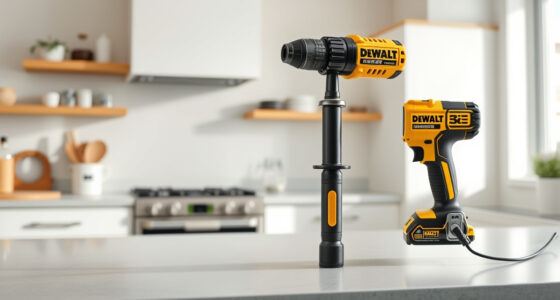
cordless power drill set with brushless motor
As an affiliate, we earn on qualifying purchases.
As an affiliate, we earn on qualifying purchases.
The key features that make or break your drill set
When choosing a cordless drill set, certain features matter far more than flashy specs. Voltage is a starting point, but it’s not everything. Voltage determines the power available, but higher voltage often means heavier and less maneuverable tools, which can impact comfort during prolonged use. Balancing power with ergonomics is crucial for efficient work and reducing fatigue.
Battery capacity, measured in amp-hours (Ah), influences how long you can work without recharging. A higher Ah means longer runtime, but heavier batteries can cause fatigue, especially in extended sessions. The tradeoff between capacity and weight is important—select a capacity that aligns with your typical project duration and comfort.
Brushless motors are a game-changer—they provide more efficient power transfer, generate less heat, and tend to last longer. For frequent use, investing in a brushless model means fewer breakdowns and more consistent performance, translating into better value over time.
Additional features like a variable speed trigger, adjustable clutch, and quick-change chucks directly impact usability. For example, a variable speed trigger allows precise control, preventing damage to delicate materials, while an adjustable clutch helps prevent overdriving screws, saving time and materials. Ergonomics—lightweight design, comfortable grip, and balanced weight—are critical for reducing fatigue and increasing control during longer tasks.
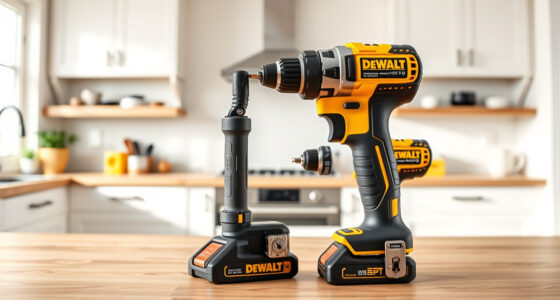
18V cordless drill kit with extra batteries
As an affiliate, we earn on qualifying purchases.
As an affiliate, we earn on qualifying purchases.
How to pick the perfect drill set for your needs
- Assess your tasks: Light household repairs or heavy renovation? Small drill bits or large anchors?
- Set your budget: Expect to spend between $100 for basic kits and up to $300 for professional-grade sets.
- Choose voltage wisely: 12V for light tasks, 18V or 20V Max for more demanding work.
- Consider battery ecosystem: Sticking to one brand means compatible batteries for future tools.
- Check kit contents: Two batteries, a fast charger, and quality bits are better than dozens of cheap accessories.
- Test ergonomics: Hold the drill, feel the weight, check the trigger. Comfort matters.
For example, if you’re mostly fixing picture frames and assembling furniture, a 12V set with two batteries and a few basic bits will do. Planning to do some masonry work? Look for a hammer drill with a robust impact driver.
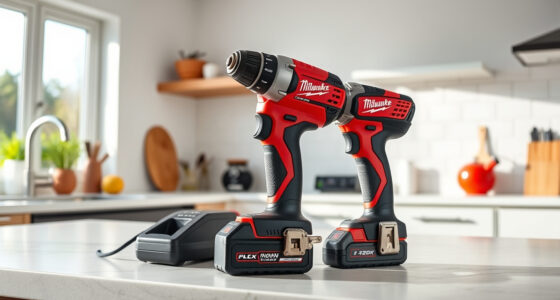
best impact driver kit for home use
As an affiliate, we earn on qualifying purchases.
As an affiliate, we earn on qualifying purchases.
Comparison of popular drill set features
| Brand | Voltage | Batteries | Impact Driver | Price Range |
|---|---|---|---|---|
| DeWalt | 20V Max | 2-3, 2.0-5.0Ah | Included in most kits | $150-$300 |
| Makita | 18V | 2-3, 2.0-6.0Ah | Available separately | $130-$280 |
| Bosch | 12V & 18V | 1-2, 2.0-4.0Ah | Often included | $100-$250 |
This table shows how different brands balance power, battery capacity, and kit contents. For heavy-duty work, brands like DeWalt and Makita with higher voltage and larger batteries tend to perform better because they can handle tougher materials and prolonged use without overheating or losing power. Conversely, for light DIY projects, Bosch’s compact 12V systems offer sufficient power while being easier to maneuver and less fatiguing, making them ideal for quick tasks or tight spaces. Understanding these tradeoffs helps you choose a set that aligns with your typical workload and comfort preferences.
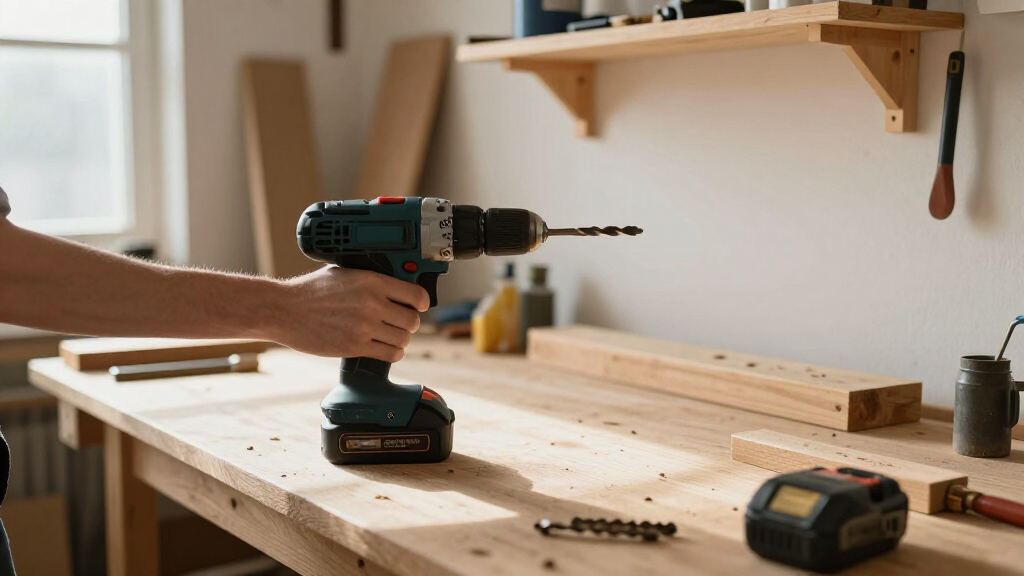
compact cordless drill for furniture assembly
As an affiliate, we earn on qualifying purchases.
As an affiliate, we earn on qualifying purchases.
Latest innovations making your drill set smarter and more powerful
Newer drill sets now boast brushless motors, which cut down on heat and battery drain. For instance, some models deliver up to 30% more runtime—meaning fewer batteries charging and more work done in less time.
High-output lithium-ion batteries are smaller but pack more punch, and fast chargers can restore power in under an hour—saving you precious time. Many brands now include LED lights, Bluetooth connectivity, or even app tracking for professional use.
Imagine a drill that alerts you when the battery hits 20%, or a kit with a built-in flashlight that brightens your workspace. These upgrades make DIY projects smoother and professional jobs more efficient. They also help prevent common frustrations, like running out of power unexpectedly or struggling to see in dark corners, thereby increasing productivity and safety.
Practical tips to maximize your drill set’s lifespan and performance
- Store batteries in a cool, dry place away from direct sunlight or heat sources.
- Charge batteries only when they’re below 20-30% to prolong life.
- Use the right bits for the job; impact-rated bits for impact drivers, masonry bits for concrete.
- Apply steady pressure—don’t force the drill through materials to avoid motor overload.
- Regularly clean and inspect your tools for dust or damage, especially after heavy use.
- Keep your batteries and tools in a dedicated case to prevent accidental drops or damage.
For example, if you’re installing shelves in a humid basement, storing batteries in a cool, dry closet avoids corrosion and capacity loss. Small steps like these extend your drill’s life and keep it performing at its best, saving you money in the long run by preventing premature wear or failure. Proper maintenance also ensures your tools operate safely, reducing the risk of accidents or damage during use.
Frequently Asked Questions
What voltage drill is best for home use?
A 12V drill is perfect for light tasks like hanging pictures or assembling furniture. For more demanding jobs, like building decks or drilling into thick wood, an 18V or 20V Max model offers more power and versatility.
Is a brushless drill worth the extra cost?
Absolutely, especially if you plan to use it regularly. Brushless motors improve efficiency, extend battery life, and tend to last longer under heavy use. For occasional projects, a brushed model can still get the job done at a lower price.
Do I need both a drill and an impact driver?
Not always. A good drill/driver handles most household tasks. An impact driver is invaluable for driving long screws or working with tough fasteners, making repetitive jobs faster and easier.
What’s the difference between a hammer drill and a rotary hammer?
A hammer drill adds a light percussion for masonry, suitable for brick or soft concrete. A rotary hammer uses a more powerful hammering action for heavy-duty concrete or stone work—think larger construction jobs.
How many amp-hours do I really need?
For most DIYers, 1.5–2.0Ah batteries are enough for quick tasks. If you’re doing longer projects or want fewer recharge breaks, go for 4.0–5.0Ah batteries. Just remember, bigger capacity adds weight.
Conclusion
Picking the right cordless power drill set isn’t about chasing the biggest kit. It’s about matching features, power, and comfort to your projects. A well-chosen set turns DIY chaos into confident craftsmanship.
Remember, your drill is an extension of your hand—make sure it fits your work and your grip. With the right tools, even a small weekend project can feel like a pro’s job.