TL;DR
A recent home-improvement article from Hunker recommends steel or aluminum siding as an alternative to plywood for shed walls, citing water resistance, durability and recyclability. Metal can dent in hail, and installing it on a custom DIY shed requires specialized tools and protective gear.
A recent home-improvement article from Hunker points to steel or aluminum siding as an alternative to plywood for shed walls, citing resistance to water damage and a longer potential service life. The recommendation matters to people choosing materials for a new shed, though metal’s performance depends on its thickness, exposure to hail and how it is installed.

Get business pricing on tools and workshop supplies
- Business-only prices and quantity discounts
- Tax-exempt purchasing
- Multiple users, one account, clear invoices
Hunker’s article describes plywood and metal as common shed-wall choices and argues that metal is less vulnerable to moisture. It says plywood is durable, but its wood fibers absorb moisture, which can contribute to deterioration after years of exposure to the elements. The article describes steel and aluminum siding as nearly impervious to water damage at comparable prices; it does not provide supporting product comparisons or pricing data.
Hunker’s comparison does not mean all metal sheds are equally resistant to damage. The article cautions that some mass-produced sheds use thin-gauge panels that can be dented by hail. It says thicker-gauge siding, particularly steel, can reduce that risk, but gives no product specifications, independent testing or price examples to help buyers compare models.
Hunker also notes that metal siding is available in a range of finishes and colors, and that some products imitate wood-siding styles. The article says baked-on finishes provide color and that lighter-colored panels can reflect solar energy. Metal itself has no insulating value, however, so a reflective finish should not be mistaken for insulation.
A lower-maintenance option for shed walls
Hunker recommends comparing steel or aluminum siding with plywood for better moisture resistance. Panel quality, hail exposure and installation all affect the choice.
Why compare metal?
The material can change maintenance needs, appearance and build costs.
Resists water damage
Hunker says steel and aluminum are less vulnerable to moisture than plywood.
More finish choices
Metal siding comes in different colors and finishes, including wood-like styles.
Where metal has limits
Performance depends on the specific panels and how the shed is built.
- Resists water damage
- May offer long service life
- Potentially recyclable
- Thin panels can dent in hail
- Metal provides no insulation
- Custom fitting needs specialized tools and protective gear
Check before buying
Ask for product details that the article does not provide.
- Panel gauge and hail-related exclusions
- Finish, warranty and maintenance requirements
- Whether the kit includes panels and installation
- Expected service life for your climate
Choosing Siding That Holds Up
Wall material affects how often a shed may need repairs, how it looks in a yard and what it costs to build. For owners who prioritize resistance to moisture and reduced maintenance, Hunker’s article says metal siding may be worth comparing with plywood, especially when purchasing a prebuilt shed or kit that arrives with the panels fitted.
The trade-off is that “metal siding” covers products with different thicknesses and finishes. Buyers should check the panel gauge and warranty rather than treating every steel- or aluminum-sided shed as equally durable. Hunker identifies hail exposure as a particular concern where thin panels are used. The article also cites fire resistance and recyclability as potential advantages, but does not provide comparative test results or figures to quantify either benefit.
For a custom build, the choice also changes the work involved. Hunker says metal can support different exterior designs, including profiles that resemble wood, but cutting and fitting it takes tools and careful handling. The material may be low-maintenance once installed; that does not make installation straightforward for every DIY builder.
Products Worth Considering

eufy Security Essential 7-Piece Alarm System

Dyson Airwrap i.d. 6-in-1 Multi-Styler and Dryer

Sonos One (Gen 2) Voice-Controlled Smart Speaker, White
As an affiliate, we earn on qualifying purchases.
Plywood, Metal and Shed Kits
Hunker’s recommendation is practical home-improvement guidance, not a report of a new building code, product launch or formal material test. It focuses on a familiar decision for shed buyers: whether to use wood panels or metal siding for an outbuilding exposed to rain, sun and other weather.
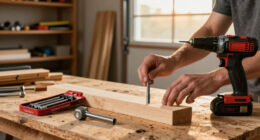
According to Hunker, metal siding may be especially convenient on prebuilt sheds and shed kits, where panels are supplied as part of the package. The article says building a custom shed with metal is possible, but experienced DIYers need specialized cutting equipment, including aviation snips, metal-cutting blades for saws and heavy-duty tin snips. It also describes personal protective equipment as necessary.
Hunker estimates that metal siding can last 40 to 60 years. That is a general claim rather than a lifespan guarantee for a particular product: the article identifies no manufacturer, testing method, maintenance schedule or climate conditions. Actual service life may vary with product quality, installation and local weather.
Questions Buyers Still Need Answered
Hunker’s article does not identify specific brands, panel gauges, installed prices or warranties. It also provides no independent evidence for the 40-to-60-year lifespan estimate or a direct cost comparison covering the full life of a shed. Buyers cannot tell from the general recommendation alone how a particular panel will perform in their climate.
It is also unclear how much maintenance different metal finishes require, how a lighter finish affects interior temperatures in practice, or what fire-resistance standards the cited products meet. Hunker notes recyclability as a potential benefit but does not name manufacturers or quantify recycled content; recycling options can also vary locally. These details should be checked against the specifications for the shed being considered.
The article does not explore the trade-offs with plywood in comparable detail. It does not set out the cost of protective coatings, repairs or replacement for either material. Nor does it address shed framing, ventilation or insulation, which can affect a building’s overall durability and comfort regardless of its wall cladding.
Check Specifications Before Buying
People comparing sheds can start by asking sellers for the metal panel gauge, finish details, warranty terms and any hail-related exclusions. They can also check whether the panels are included with a kit, whether installation is covered and what the manufacturer says about maintenance and expected service life. These are product-specific details not supplied in Hunker’s article.
Anyone planning a custom metal-sided shed should review the cutting and fitting instructions before purchasing materials, use appropriate personal protective equipment and choose tools suited to the panels. Hunker describes the approach as more demanding than using plywood, but does not provide a step-by-step installation guide. Its recommendation is a starting point for comparison, not a substitute for product-specific guidance.
Key Questions
Is metal siding better than plywood for shed walls?
Hunker’s article favors steel or aluminum for resistance to water damage and potential longevity. The best choice depends on the shed, local weather, product quality, price and whether the owner plans to install the walls themselves.
Can hail damage a metal shed?
Yes. Hunker warns that thin-gauge panels on some mass-produced sheds can be dented by hail. Thicker panels, particularly steel, may reduce the risk, but buyers should ask for product-specific specifications.
How long can metal shed siding last?
Hunker gives a general estimate of 40 to 60 years. The article does not identify a product or testing basis, so that figure should not be treated as a lifespan guarantee.
Is metal siding suitable for a DIY shed?
It can be used on a custom shed, but Hunker says cutting and fitting it requires specialized tools and personal protective equipment. The article says kits and prebuilt sheds can spare owners from installing the siding themselves.
Source: hunker.com