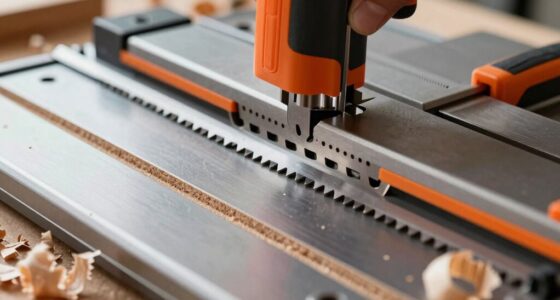
In real use, different reciprocating saw blade types are designed for specific materials and tasks. For example, wood blades have large, sharp teeth for fast cuts, while metal blades have smaller, durable teeth for tougher surfaces. Using the correct blade improves efficiency, safety, and results. Choosing the right one depends on what you’re cutting, and knowing the differences helps prevent damage or accidents. Stick around to discover how to pick the best blades for your project.

Get business pricing on tools and workshop supplies
- Business-only prices and quantity discounts
- Tax-exempt purchasing
- Multiple users, one account, clear invoices
Key Takeaways
- Different blade types are designed for specific materials like wood, metal, plastic, or drywall, ensuring optimal cutting performance.
- Using the correct blade type enhances safety, efficiency, and prevents damage to the saw or workpiece.
- Blade material and tooth design determine durability and suitability for tough or delicate tasks.
- Proper maintenance and storage of blades extend their lifespan and maintain cutting quality.
- Selecting the right blade based on material and task results in faster, cleaner cuts and safer operation.
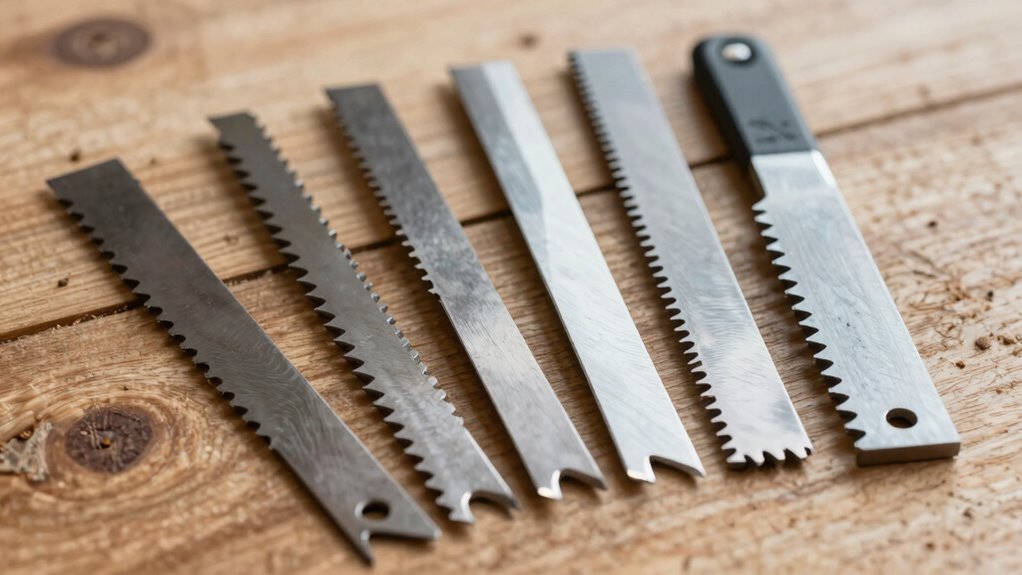
Reciprocating saw blades come in a variety of types, each designed for specific materials and cutting tasks. When you choose the right blade, you’ll find your work becomes more efficient and safer. But understanding what each blade type is meant for isn’t enough—you also need to prioritize safety precautions and proper blade maintenance to get the best results and prevent accidents. Before you start, always wear safety goggles and gloves to protect your eyes and hands from flying debris or accidental slips. Keep your workspace clear of clutter, and confirm your saw is unplugged when changing blades to avoid accidental activation. Different blade types are tailored to cut through wood, metal, plastic, or drywall. For example, a wood-cutting blade often features large, sharp teeth that quickly remove material, while a metal-cutting blade has smaller, more durable teeth designed to handle tougher, denser surfaces. Using the wrong blade for a material can lead to inefficient cuts, damage to the blade, or even safety hazards like kickbacks. Always check the manufacturer’s recommendations to match the blade with your specific task. When cutting, maintain a steady hand and let the saw do the work—don’t force the blade, as this can cause it to bend or break, creating potential hazards. Proper blade selection is essential for achieving clean cuts and ensuring safety. Blade maintenance plays a key role in guaranteeing safety and prolonging the life of your blades. After each use, inspect your blades for signs of wear or damage, such as chipped teeth or bends. Dull blades require more force, increasing the risk of slipping or kickback, so replace or sharpen them promptly. Clean blades regularly to remove sawdust, debris, or adhesive buildup, which can cause overheating and reduce cutting efficiency. Proper storage is also essential—store blades in a dry, organized place to prevent rust and accidental damage. When installing blades, double-check that they’re securely attached in the saw’s chuck, and avoid forcing a blade into a slot if it doesn’t fit properly. Additionally, understanding the different blade materials can help you select the most durable option for your needs. Being aware of the material compatibility of your blades can further enhance both safety and performance during your projects. Incorporating correct blade maintenance practices can significantly extend the lifespan of your blades and improve overall safety during use. Regularly practicing blade safety protocols can prevent accidents and enhance your overall work efficiency.
reciprocating saw blades for wood
As an affiliate, we earn on qualifying purchases.
As an affiliate, we earn on qualifying purchases.
Frequently Asked Questions
How Do I Choose the Right Blade for My Project?
To choose the right blade for your project, consider the blade material and your desired cutting speed. If you’re cutting tough materials like metal, opt for a bi-metal blade for durability. For faster cuts through softer materials like wood or plastic, select a high-speed steel or carbide-tipped blade. Matching the blade type to your material and project speed guarantees efficient, clean cuts and prolongs blade life.
Are Reciprocating Saw Blades Universal or Brand-Specific?
You might be surprised to find that reciprocating saw blades aren’t entirely universal. Blade compatibility often depends on brand variations, so using blades designed for your specific saw guarantees maximum performance. While some blades fit multiple brands, many are tailored to particular models, so double-check your saw’s specifications. This coincidence of compatibility and brand differences means you should always verify before swapping blades, preventing damage and ensuring smooth cuts.
How Long Do Reciprocating Saw Blades Typically Last?
Reciprocating saw blades usually last between 3 to 10 hours of cutting, depending on use and material. To maximize their lifespan, you should regularly sharpen blades when dull and store them properly in a dry, organized place. Proper blade sharpening maintains cutting efficiency, while good blade storage prevents damage and rust, helping your blades stay sharp longer and perform better on various projects.
Can I Use Metal Blades on Wood or Plastic?
You can use metal blades on wood or plastic, but it’s not ideal because blade material and cutting speed matter. Metal blades are designed for tougher materials, so they tend to cut slower on softer surfaces, which can damage the blade or reduce efficiency. If you want clean, fast cuts, choose blades specific to the material you’re working with. Mixing blade types can lead to poor results and quicker wear.
What Safety Precautions Should I Take With Different Blade Types?
When working with different blade types, you should always wear safety equipment like goggles and gloves to protect your eyes and hands. Maintain your blades by cleaning and inspecting them regularly to prevent breakage or accidents. Always disconnect the saw before changing blades, and follow manufacturer instructions. Proper blade maintenance and safety precautions help guarantee your work is safe, efficient, and prevents injuries during cuttings with various reciprocating saw blades.
metal cutting reciprocating saw blades
As an affiliate, we earn on qualifying purchases.
As an affiliate, we earn on qualifying purchases.
Conclusion
When choosing a reciprocating saw blade, don’t let the variety overwhelm you. Remember, selecting the right blade depends on what you’re cutting—wood, metal, or drywall. Even if it feels confusing at first, it’s worth experimenting to find what works best for your projects. Trust me, once you get the hang of it, you’ll appreciate how the right blade makes your work easier and more efficient. Just start small, and you’ll quickly see the difference!
drywall reciprocating saw blades
As an affiliate, we earn on qualifying purchases.
As an affiliate, we earn on qualifying purchases.
best reciprocating saw blades for plastic
As an affiliate, we earn on qualifying purchases.
As an affiliate, we earn on qualifying purchases.
Fall Picks
fall essentials
As an affiliate, we earn on qualifying purchases.