Better accessories often improve your results more than new tools because they focus on enhancing comfort, precision, and workflow. High-quality, ergonomic accessories fit better to your body and support natural movements, reducing fatigue and errors. They make your work smoother and more consistent, which leads to better outcomes. Sometimes upgrading these small yet thoughtful components has a bigger impact than simply replacing tools. If you keep exploring, you’ll discover how these subtle improvements can truly transform your work.
Key Takeaways
- Ergonomic accessories improve comfort and control, reducing fatigue and errors more effectively than simply upgrading tools.
- High-quality materials in accessories ensure durability, maintaining consistent performance over time, unlike cheaper tools that wear out quickly.
- Well-designed accessories enhance workflow and precision, leading to better results without needing to replace entire toolsets.
- Improved accessories boost confidence and satisfaction, encouraging better craftsmanship and focus on the task.
- Small, strategic upgrades in accessories significantly enhance overall efficiency and output more than investing in new tools.
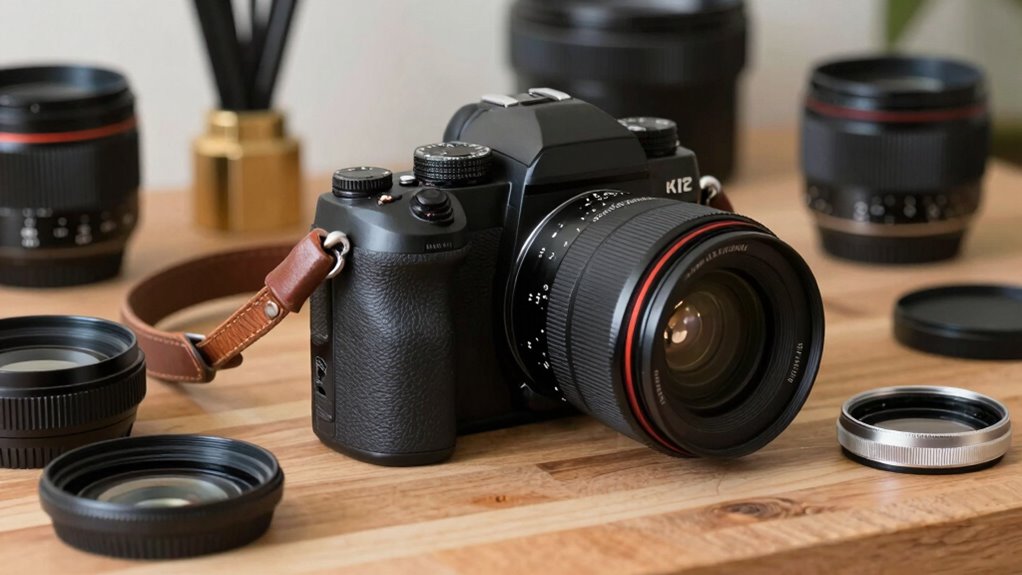
While investing in new tools can seem like the quick fix, upgrading your accessories often delivers better results. The truth is, small improvements in the accessories you use daily can make a significant difference in your efficiency, comfort, and overall outcome. Instead of rushing to buy the latest gadget, consider how the accessories you select influence your work. The key lies in their ergonomic design and material quality, which directly impact your performance and well-being.
Upgrading your accessories with ergonomic design and quality materials boosts efficiency, comfort, and overall work quality.
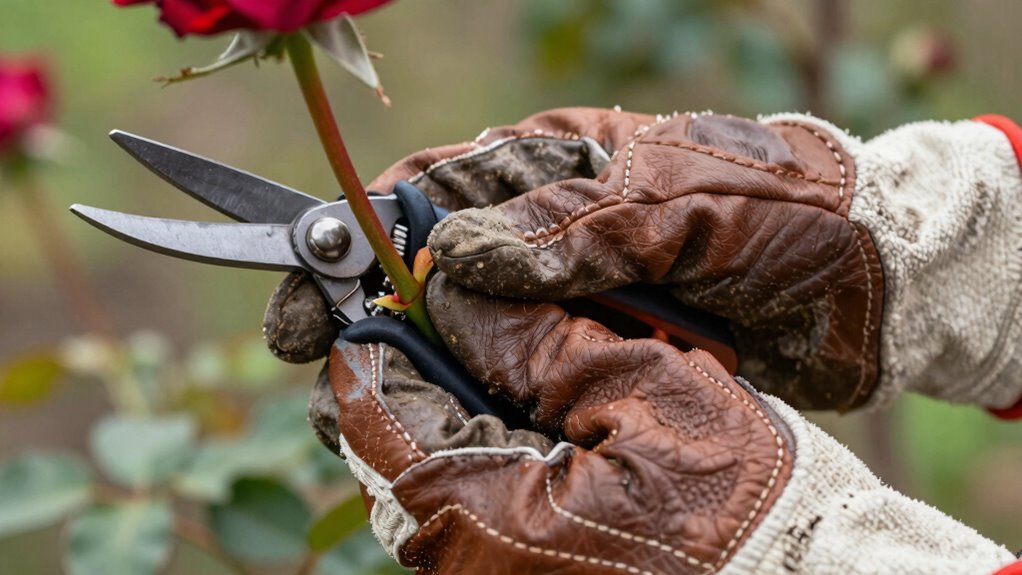
When your accessories are designed with ergonomics in mind, they fit better to your body and movements. For example, an ergonomic mouse reduces strain on your wrist and forearm, preventing fatigue and potential injury over time. Similarly, ergonomic tool handles provide a more natural grip, allowing you to work longer without discomfort. These design features aren’t just about comfort—they improve precision and control, leading to better results. The right ergonomic accessories help you maintain consistency, reduce errors, and work more efficiently, which can be more impactful than simply swapping out your tools.
Material quality also plays a vital role. High-quality materials ensure durability and stability, so your accessories perform reliably over time. Cheaper alternatives might save money upfront but often wear out quickly, leading to interruptions and frustration. On the other hand, well-made accessories made from premium materials tend to last longer, maintain their shape, and resist wear and tear. This material durability translates into more accurate work and less downtime. Investing in high-quality materials can significantly improve your overall productivity and the longevity of your tools. When your accessories are sturdy and well-crafted, you can focus on the task at hand rather than fighting against poorly made equipment.
Additionally, better accessories can enhance your overall workflow. For example, a well-designed, high-quality cutting mat provides a smooth surface that improves precision and reduces damage to your workpiece. Similarly, ergonomic grips on hand tools prevent hand fatigue, allowing you to work with greater control and less strain. These improvements often lead to superior results, especially over time, because they support your natural movements and reduce the likelihood of mistakes. Improving the workflow process through thoughtful accessory choices can lead to more consistent and high-quality outcomes.
Using ergonomic design and high-quality materials can also boost your confidence, leading to more consistent craftsmanship and satisfaction with your projects. In essence, investing in better accessories isn’t just about comfort; it’s about optimizing your performance. Ergonomic design and material quality are the foundation of these enhancements. They enable you to work smarter, not harder, and help you achieve higher quality outcomes without constantly upgrading your entire toolkit. Sometimes, the smallest upgrades—like shifting to more thoughtfully designed accessories—yield the most noticeable improvements in your results.
As an affiliate, we earn on qualifying purchases.
Frequently Asked Questions
How Do Accessories Enhance Existing Tools’ Performance Effectively?
Accessories enhance your existing tools’ performance by improving attachment compatibility, making it easier to switch and customize for specific tasks. They also feature ergonomic design, which reduces fatigue and increases precision during use. When you choose the right accessories, you optimize your tools’ capabilities, boost efficiency, and extend their lifespan. This targeted upgrade often delivers better results than investing in new tools, saving you time and money while enhancing your overall work quality.
Are Some Accessories Universally Better Across Different Tools?
You might think some accessories are universally better, but accessory compatibility and brand reputation matter most. Not all accessories fit every tool, so choosing ones designed for your brand guarantees ideal performance. While reputable brands often produce reliable accessories, always check compatibility first. Investing in high-quality accessories tailored to your tools usually yields better results than generic options, making your work more efficient and satisfying.
Can Accessories Compensate for Outdated or Less Efficient Tools?
Yes, accessories can compensate for outdated or less efficient tools through innovative compatibility and accessory versatility. By upgrading with the right accessories, you enhance your tool’s performance, extend its lifespan, and adapt it to new tasks. This approach often proves more cost-effective than replacing entire tools, allowing you to optimize results while leveraging what you already have. It’s a smart way to stay productive without constantly investing in new equipment.
What Criteria Should I Use to Select the Best Accessories?
When choosing accessories, focus on compatibility issues to guarantee they fit and work seamlessly with your existing tools. Consider cost-effectiveness by comparing prices and durability to get the best value. Look for accessories with good reviews and proven performance. Prioritize those that enhance efficiency or quality, rather than just novelty. Making informed choices helps you avoid unnecessary expenses and maximizes the benefits of your current equipment.
Do Accessories Require Special Maintenance or Care?
Accessories are like delicate plants; they need proper care to thrive. You should follow specific cleaning routines to keep them in top shape and avoid buildup that hampers performance. Store them in suitable storage solutions to prevent damage and guarantee longevity. Regular maintenance is key—clean, dry, and store your accessories properly, just like nurturing a plant, so they continue to deliver ideal results over time.
high-quality cutting mat for crafts
As an affiliate, we earn on qualifying purchases.
As an affiliate, we earn on qualifying purchases.
Conclusion
Upgrading your accessories can notably boost your results, often more than investing in new tools. For example, studies show that using the right attachment can improve efficiency by up to 30%, saving you time and effort. By focusing on quality accessories tailored to your needs, you optimize performance without the hefty price tag of new equipment. So next time you’re looking to improve, consider enhancing what you already have—it’s often the smarter, more effective choice.
As an affiliate, we earn on qualifying purchases.
As an affiliate, we earn on qualifying purchases.