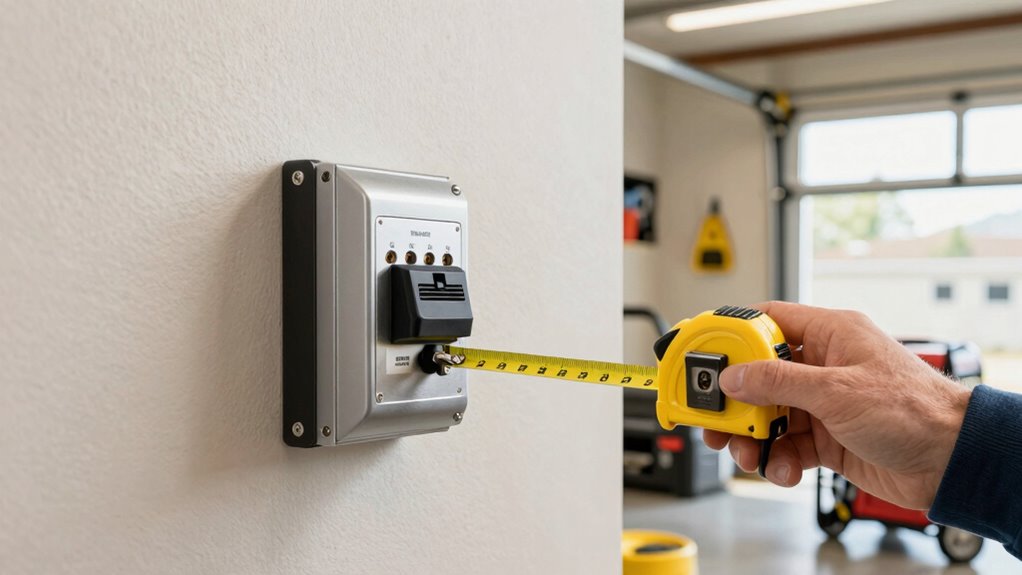

To size a transfer switch for your home, start by calculating the total wattage of essential appliances and systems you want to power during outages. Include starting and running watts, then choose a switch that matches or exceeds this load, typically in amperes (100-400 amps). Confirm the switch is compatible with your generator’s capacity and fuel type. Properly sizing prevents damage and ensures safety, and if you keep exploring, you’ll find how to get it just right.

Get tools and workshop supplies delivered free — and shop member deals
- Fast, free delivery on millions of items
- Access to Prime Big Deal Days deals on October 6–7
- Prime Video, Amazon Music and more included
Key Takeaways
- Calculate the total essential electrical load, including appliances and systems, using their wattages to determine required switch size.
- Match the transfer switch’s amperage rating (e.g., 100, 200, 400 amps) to the generator’s capacity and load demands.
- Consider future expansion needs and select a slightly larger switch to accommodate potential added appliances.
- Ensure the transfer switch complies with electrical codes and is compatible with your generator’s fuel type and power output.
- Consult a licensed electrician to verify correct sizing, installation, and safety compliance for reliable home backup power.
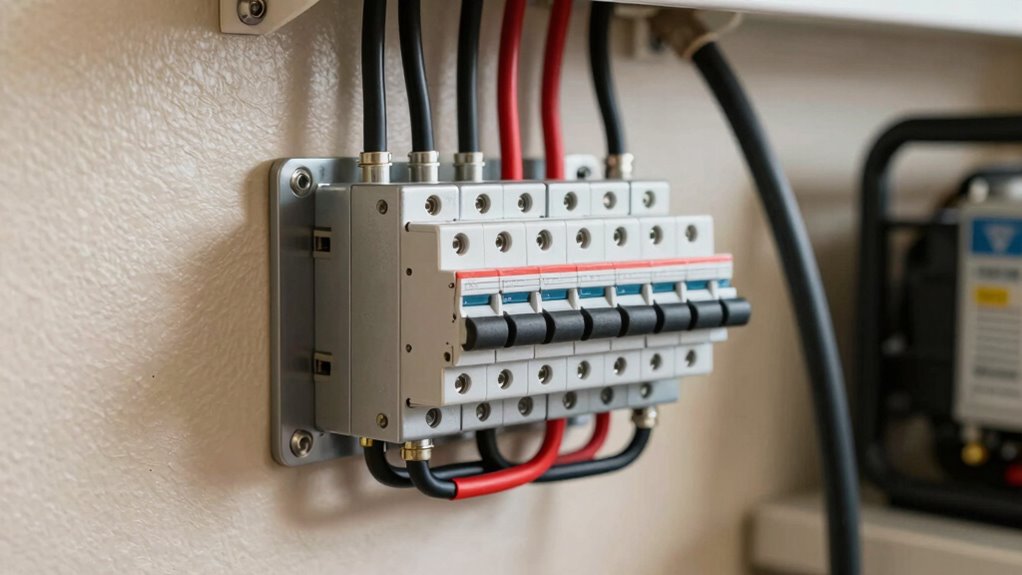
Choosing the right size for a generator transfer switch is crucial to guarantee your backup power system works safely and efficiently. If the switch is too small, it won’t handle the load during an outage, risking damage to your appliances or the switch itself. Conversely, a switch that’s too large can be unnecessarily expensive and complex to install. To size it correctly, you need to contemplate the total electrical load you want to power during an outage, which involves calculating the wattage of all essential appliances and systems. This includes your refrigerator, heating system, lights, and any other critical devices. Once you have a clear estimate of your starting and running wattages, you’ll be able to determine the appropriate transfer switch size, typically expressed in amperes. Most residential transfer switches are either 100, 200, or 400 amps, with the size chosen based on your calculated load.
Understanding transfer switch types is also indispensable, as different types serve different needs and installation complexities. There are manual transfer switches, which require you to physically switch the power source from utility to generator, and automatic transfer switches, which do this seamlessly when they detect a power failure. Automatic switches tend to be more convenient and safer but are usually more expensive and require a more precise sizing process. The switch’s size must match the generator’s capacity and the expected load, which is influenced by the generator fuel type you select. For example, a natural gas or propane generator might have different power outputs and efficiencies compared to a gasoline generator, affecting the switch size needed. Also, some generators are designed to handle larger loads, so you want to make sure your transfer switch can accommodate that capacity without overloading. Additionally, understanding the power capacity of your generator and switch ensures that your system remains reliable and safe during operation. It is also essential to consider electrical code requirements when selecting the size to ensure compliance and safety. A proper understanding of load calculations can significantly help in selecting the right transfer switch size.
Furthermore, proper sizing of your transfer switch can help extend the lifespan of your generator and prevent unnecessary maintenance issues. When in doubt, consulting a licensed electrician can help ensure your system components are correctly matched and installed for optimal safety and performance.
When choosing a transfer switch, don’t forget to account for future expansion. If you plan to add more appliances or systems later, it’s wise to select a slightly larger switch than your current needs. Proper sizing ensures safety, minimizes wear on your generator and switch, and guarantees your home has reliable power during outages. Remember, the goal is to match your transfer switch size with your calculated load and generator capacity, considering the type of transfer switch and fuel type. Doing this correctly means you’ll have a safe, efficient backup power system that keeps your home running smoothly when the utility power fails.
home generator transfer switch 200 amps
As an affiliate, we earn on qualifying purchases.
As an affiliate, we earn on qualifying purchases.
Frequently Asked Questions
Can I Install a Transfer Switch Myself?
You can attempt a DIY installation of a transfer switch if you’re experienced with electrical work, but it’s strongly recommended to seek professional assistance. Electrical systems can be dangerous, and improper installation might lead to safety hazards or code violations. If you’re confident in your skills, follow all safety protocols and local codes. Otherwise, hiring a licensed electrician guarantees the transfer switch is installed correctly and safely, providing peace of mind during power outages.
What’s the Average Cost of a Transfer Switch?
The average cost of a transfer switch ranges from $200 to $1,000, depending on size and features. For your generator and home, investing in a quality switch guarantees reliable power during outages and simplifies generator maintenance. This is key for power outage preparedness, allowing you to switch power sources smoothly without risking damage. Always consider professional installation to ensure safety and proper operation, especially during emergencies.
How Often Should I Test My Transfer Switch?
You should test your transfer switch at least once a month as part of your maintenance schedule. Follow proper testing procedures by simulating a power outage to guarantee it switches smoothly and reliably. Regular testing helps identify issues early, keeping your system ready when needed. Document each test, and if you notice any problems, contact a professional to perform a thorough inspection and maintenance.
Do All Generators Require a Transfer Switch?
Like a conductor guiding an orchestra, a transfer switch guarantees your generator and home work in harmony. Not all generators require one; it depends on generator capacity and power compatibility. Smaller, portable units often don’t need a transfer switch, but larger, standby models do. This device safely switches your power source, preventing backfeed and damage. So, assess your generator’s capacity to determine if a transfer switch is essential for your home’s safety and efficiency.
What Safety Precautions Are Necessary During Installation?
During installation, you need to prioritize safety by turning off the main power and disconnecting the electrical wiring before starting. Always wear appropriate safety gear, like insulated gloves and eye protection, to prevent injury. Follow all manufacturer instructions carefully, and confirm your work area is dry and well-lit. If you’re unsure, consult a licensed electrician to avoid potential hazards and ensure your transfer switch is installed correctly and safely.
automatic transfer switch for generator
As an affiliate, we earn on qualifying purchases.
As an affiliate, we earn on qualifying purchases.
Conclusion
Now that you’ve got the scoop on sizing a generator transfer switch, you’re all set to keep your home powered during outages. Remember, don’t just wing it like a cowboy in the Wild West—accurate sizing guarantees safety and efficiency. Double-check your calculations and consult a professional if needed. With proper planning, you’ll be ready to weather any storm, just like a trusty knight preparing for battle in the medieval tales. Stay prepared, and your home will remain a fortress of comfort.
manual transfer switch for home backup power
As an affiliate, we earn on qualifying purchases.
As an affiliate, we earn on qualifying purchases.
residential transfer switch size calculator
As an affiliate, we earn on qualifying purchases.
As an affiliate, we earn on qualifying purchases.
Halloween Picks
halloween
As an affiliate, we earn on qualifying purchases.