
TL;DR
An Ideal Home writer describes five measures being considered to make a cold hallway in a century-old house more comfortable. The reported steps include sealing draughts, adding a floor runner and reviewing radiator placement; the account does not yet establish how much warmer the changes will make the space.
An Ideal Home writer has outlined five measures to warm a cold hallway in a house more than 100 years old, including sealing gaps around the front door, covering cold flooring and reviewing how heat reaches the space. The report combines the writer’s own planned improvements with advice from home-heating specialists, but does not yet show whether the changes have raised hallway temperatures.

Get business pricing on tools and workshop supplies
- Business-only prices and quantity discounts
- Tax-exempt purchasing
- Multiple users, one account, clear invoices
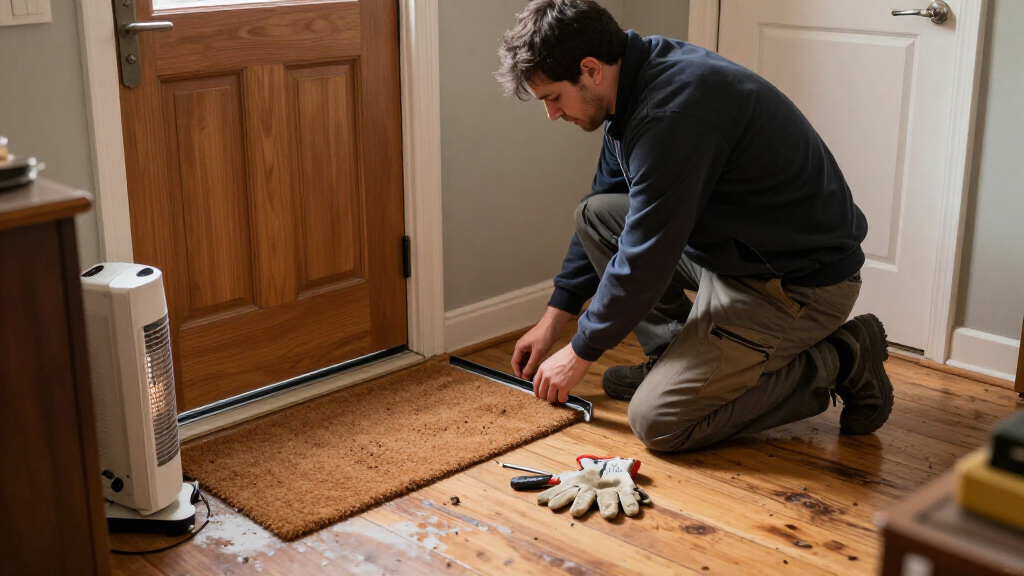
The writer says the house has original windows and doors and limited insulation and draught-proofing, with the entrance hallway among its coldest areas. The front door was recently fitted with a letterbox cover, brush seal, weatherstripping and brass escutcheon. The writer said it was too early to judge the effect of that work.
Elite Renewables founder Martyn Fowler advised checking the front-door frame, underside and letterbox for incoming air, while cautioning against blocking ventilation that is intentional. Warm4Less managing director Georges Cornah also recommended checking understairs cupboards and using a draught excluder at the door.
The writer’s other planned steps include softening a cold slate floor with a runner, considering better floor insulation during a future hallway remodel, and addressing the hallway radiator, which is positioned behind coats on wall hooks. The source material begins describing two further actions but cuts off before providing their details. It therefore does not establish the complete five-item list or give results for any of the proposed changes.
Small Fixes for Cold Entrances
A cold entrance can make coming home uncomfortable and may allow draughts to affect adjacent parts of a house. The report offers low-disruption options—such as checking seals and laying a runner—alongside larger work, including improving insulation. Their suitability and effect will depend on the building and the source of heat loss.
The distinction matters for homeowners deciding what to try first. Sealing a gap or moving items away from a radiator may be simpler than replacing flooring, while floor insulation could require a planned renovation. The source does not compare costs, energy savings or measured temperature changes, so it cannot establish which measure is most effective in this particular home.
Products Worth Considering

Levoit Eleva 300X Air Purifier with Fully Sealed HEPA Filtration and Smart Control

Dyson Airstrait Styling Brush

Ring Wired Doorbell Plus (2nd Gen) & Chime Plus Bundle – Nickel Silver
As an affiliate, we earn on qualifying purchases.
An Older Home With Cold Floors
The writer describes a house built more than a century ago, with original windows and doors and limited insulation and draught-proofing. Newer areas, including a kitchen extension and a bedroom, are said to feel warmer than the entrance hall when outdoor temperatures fall.
The hallway has slate tiles, which the writer finds cold underfoot, and a column radiator partly screened by coats. Fowler said a runner can make a hard floor feel warmer without replacing it. Gas Safe engineer Patrick Garner of Heatable said carpet and underlay may help underfoot, while insulation beneath a floor can make a bigger difference where heat is being lost. The writer said floor insulation is under consideration for a remodel next year.
“The front door is always the first place I check for draughts.”
— Martyn Fowler, founder of Elite Renewables
Results and Two Measures Missing
The source does not report measured temperatures, energy use or costs before and after the front-door work. The writer says it is too early to tell whether the new seals have made a difference. It is also unclear which specific changes will make up the full five-item plan: the supplied report text stops partway through its discussion of the radiator and omits the rest of the list.
The effectiveness of any measure will depend on where heat is escaping and how the heating system is set up. The experts’ comments are recommendations, not evidence that the proposed fixes have already worked in this home.
The Hallway Plan Takes Shape
The writer says the next steps are to put further measures in place before colder weather and to consider floor insulation when the hallway is remodelled next year. The account does not provide a schedule for the other work or a later assessment of its results.
Any follow-up would need to clarify the complete five measures and whether they changed comfort or heating requirements. For homeowners, the report’s practical starting point is to identify draughts and avoid blocking intentional ventilation; more extensive work should be planned around the house’s specific heat-loss issues.
Key Questions
What changes has the writer already made?
The writer says a letterbox cover, a brush seal beneath the door, weatherstripping and a brass escutcheon were recently added to the front door. The report says it is too early to judge their effect.
What does the report suggest for a cold hallway floor?
It discusses using a runner over hard flooring, or carpet and underlay. The writer is also considering floor insulation during a planned hallway remodel. The report does not give comparative costs or measured results.
What should be checked for draughts?
Martyn Fowler recommends checking around the front-door frame, under the door and around the letterbox. Georges Cornah also suggests checking understairs cupboards. Fowler cautions against blocking ventilation that is there intentionally.
Does the source list all five planned measures?
No. The supplied source text covers draught-proofing, flooring and a radiator issue, but cuts off during the radiator discussion. It does not provide the remaining details needed to verify the complete five-item list.
Source: rss