To remove wallpaper effectively, gather essential tools like a scoring tool, spray bottle with warm water and soap, putty knife, and a steamer for stubborn areas. Lightly score the wallpaper to help the solution penetrate, then spray generously and let it soak. Use a steamer for tough spots and peel gently to avoid damage. For more tips on making the job easier and cleaner, keep exploring the best techniques and tools available.
Key Takeaways
- Use scoring tools and warm water-based solutions to loosen wallpaper adhesive effectively.
- Employ a wallpaper steamer for thick or vinyl wallpapers to soften stubborn adhesives.
- Protect floors and furniture with drop cloths during removal to prevent damage and mess.
- Peel wallpaper gently, reapplying removal solutions as needed to avoid drywall damage.
- Consider professional removal for difficult or large jobs to ensure a damage-free, efficient process.
Are you ready to tackle the task of removing wallpaper? It might seem intimidating at first, but with the right approach, you can make the process smoother and more manageable. The key is understanding the best wallpaper removal techniques and knowing when to call in professional wallpaper removal services. Starting with the right tools and techniques will save you time and frustration, especially if you’re dealing with stubborn or old wallpaper.
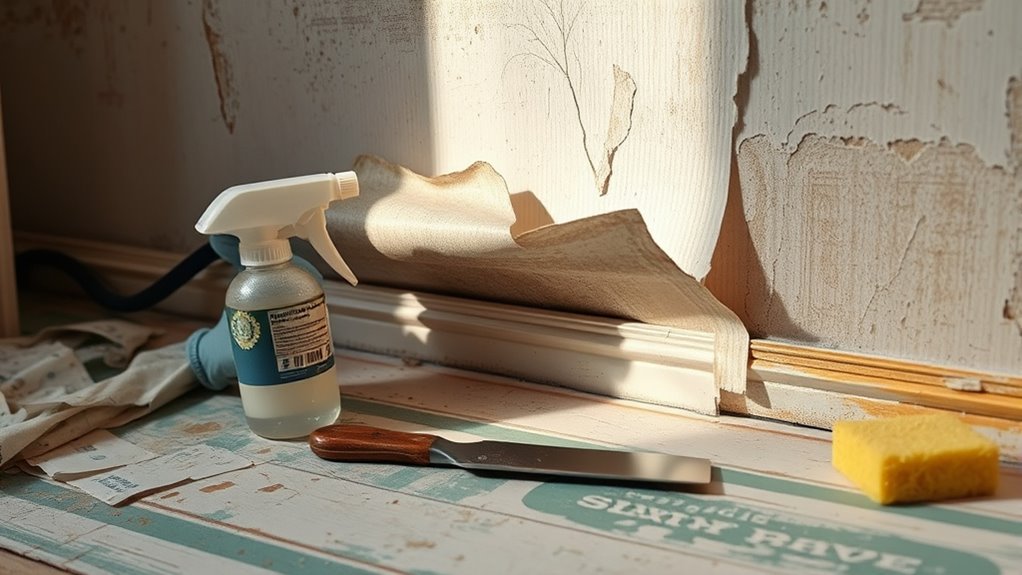
First, gather your supplies. You’ll need a utility knife, a scoring tool, a spray bottle or garden sprayer, a putty knife or scraper, and a steamer if you opt for that method. A drop cloth or plastic sheeting will protect your floors and furniture, and a ladder might be necessary for higher walls. Before you begin, test a small section to determine how easily the wallpaper peels away; some wallpapers are easier to remove than others, and knowing what you’re dealing with can influence your approach.
Gather your tools and test a small area before starting wallpaper removal.
Once you’re ready, start by scoring the wallpaper lightly with the scoring tool. This creates tiny holes that allow the removal solution to penetrate beneath the wallpaper’s surface. For wallpaper removal techniques, using a mixture of warm water and a few drops of dish soap or a commercial wallpaper stripper can loosen the adhesive. Spray this solution generously on the wallpaper, focusing on small sections at a time. Let it sit for several minutes to soak in, especially if the wallpaper has been up for years or is textured. The goal is to soften the adhesive so it’s easier to peel away.
For stubborn sections, a steamer can be highly effective. Using a wallpaper steamer, hold the device against the wall to heat and loosen the adhesive. This method is especially helpful for thick or vinyl wallpapers. If you prefer not to rent or buy a steamer, professional wallpaper removal services often use commercial-grade tools that make quick work of even the most resistant wallpaper. They have the experience to assess the best method for your particular wall type and wallpaper material, ensuring a thorough, damage-free removal process. Additionally, understanding the adhesive types used can help determine the most effective removal strategy.
As you peel away the wallpaper, keep a damp sponge or cloth handy to wipe away excess adhesive and residue. If you encounter sections that won’t budge, don’t force them, as this can damage your drywall or paint underneath. Instead, reapply the removal solution and give it more time to work. After all the wallpaper is gone, be prepared to patch any holes or gouges before painting or re-wallpapering. Remember, if the job feels overwhelming or if you’re unsure about damaging your walls, hiring professional wallpaper removal experts ensures a clean, efficient job with minimal mess or damage.

Zinsser Wallpaper Scoring Tool
- Brand: Zinsser
- Stain Resistant: No
- Material: Paper
As an affiliate, we earn on qualifying purchases.
As an affiliate, we earn on qualifying purchases.
Frequently Asked Questions
How Long Does Wallpaper Removal Typically Take?
Wallpaper removal usually takes a few hours to a full day, depending on the wallpaper removal timeline and factors affecting duration. If your wallpaper is stubborn or glued tightly, it might take longer. Factors like wall type, wallpaper age, and your experience also influence how quickly you finish. Planning for a few hours or a day guarantees you’re prepared for a smooth removal process without rushing.
Can I Remove Wallpaper Without Damaging the Wall?
Yes, you can remove wallpaper without damaging the wall surface by carefully scoring the wallpaper and applying a gentle adhesive remover. Use a putty knife to gently lift the edges without gouging the wall, and work slowly to avoid tearing the wallpaper or damaging the underlying surface. Make sure to thoroughly remove any remaining wallpaper adhesive, as leftover adhesive can cause damage or make repainting difficult later.
Is It Necessary to Prime Walls After Removal?
Skipping primer application after wallpaper removal is like inviting chaos to your wall’s party. You definitely need to prime your walls to make certain proper wall preparation. Applying primer seals any remaining adhesive, smooths the surface, and helps new paint or wallpaper stick perfectly. It creates a clean, uniform base, preventing future peeling or bubbling. So, don’t skip this vital step—your walls will thank you with a flawless finish.
What Safety Precautions Should I Take During Removal?
You should wear safety gear like gloves, goggles, and a mask to protect yourself from dust, chemicals, and debris. Make sure to keep the area well-ventilated by opening windows and using fans to prevent inhaling fumes from wallpaper removers. Take ventilation precautions seriously, especially if you’re working with strong chemicals. Always follow safety instructions on products, and work slowly to avoid accidents or damage to your walls.
Are There Eco-Friendly Wallpaper Removal Options?
In a flashback to simpler times, yes, there are eco-friendly wallpaper removal options. You can use eco-friendly solvents that are biodegradable and less toxic, making your project safer for the environment. Reusable tools like scrapers and brushes reduce waste and allow multiple uses. These environmentally-conscious choices help you remove wallpaper effectively while minimizing your ecological footprint, making your renovation both sustainable and safe for your home and planet.
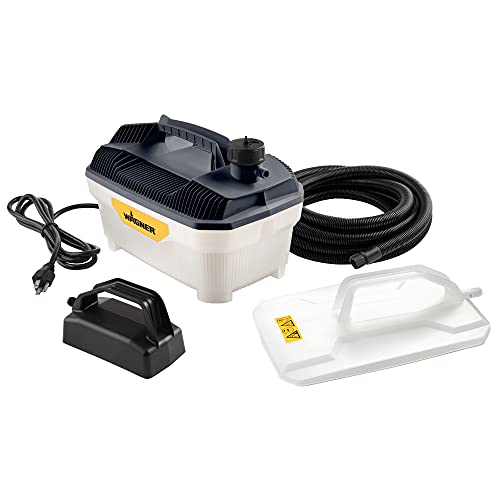
Wagner Spraytech 2439019 725 Wallpaper Steamer, Steam Cleaner for Easy Wallpaper Removal, 2 Steam Plates Included
- Chemical-Free Wallpaper Removal: Uses distilled water, no chemicals needed
- Easy Wallpaper Stripping: Softens adhesive for simple removal
- Includes Two Steam Plates: Large and small plates for versatile use
As an affiliate, we earn on qualifying purchases.
As an affiliate, we earn on qualifying purchases.
Conclusion
Removing wallpaper can be a tough job, but with the right tools and techniques, you’ll get it done efficiently. Remember, patience is key—most homeowners spend about 3-4 hours on this task. Did you know that wallpaper removal accounts for nearly 25% of home renovation projects? Stay persistent, and soon your walls will be ready for a fresh coat of paint or new wallpaper. You’ve got this—happy renovating!

Roman Wallpaper Remover Liquid Spray, Contractor Strength Wallpaper Stripper and Adhesive Remover, Unscented, Non-Staining, Clear, PRO-496 (1 Gallon, 300 Sq. Ft.)
- Fast Acting Formula: Penetrates and breaks down wallpaper paste quickly
- Contractor Strength: Dissolves tough wallpaper glue efficiently
- Ready to Use: No mixing or stirring needed
As an affiliate, we earn on qualifying purchases.
As an affiliate, we earn on qualifying purchases.
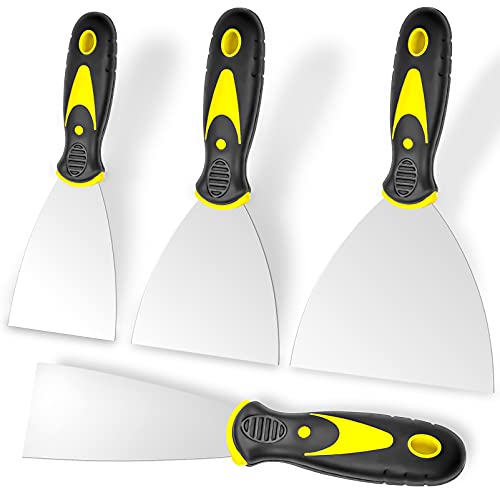
Putty Knife, 4Pcs Spackle Knife Set (2, 3, 4, 5 in), Stainless Steel Paint Scraper, Taping Knife Tool for Repairing Drywall, Removing Wallpaper, Applying Putty, Plaster, Cement, Adhesive
- Sturdy One-Piece Design: Durable stainless steel blade and handle
- Ergonomic Handle: Soft rubber and plastic for comfortable grip
- Rust-Resistant Material: Corrosion-resistant stainless steel blade
As an affiliate, we earn on qualifying purchases.
As an affiliate, we earn on qualifying purchases.