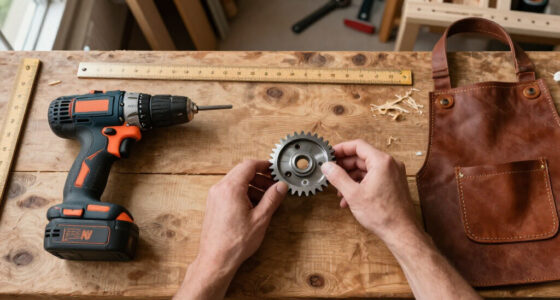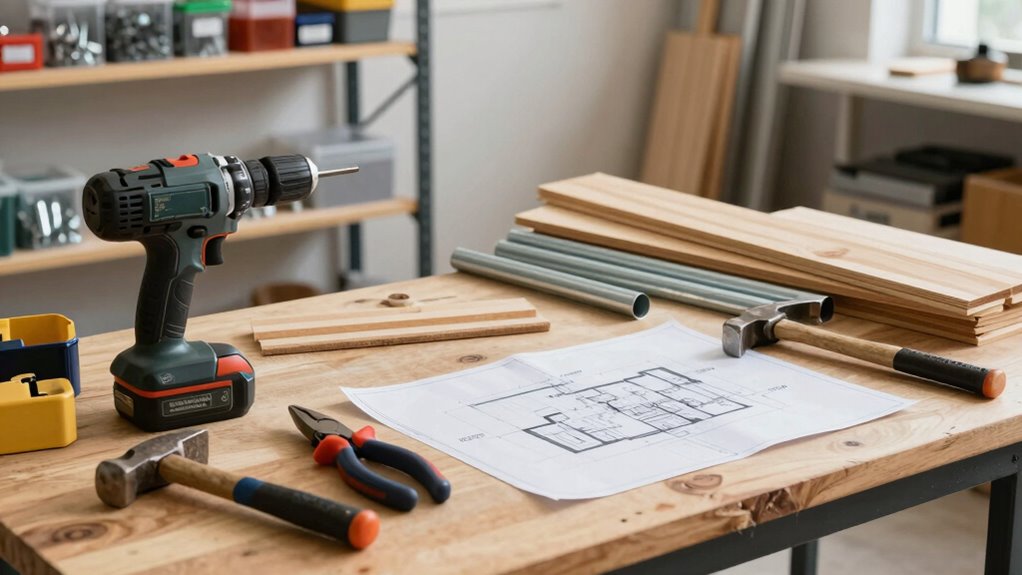

To keep your heavy-duty DIY projects under control, plan your budget carefully and track expenses throughout. Organize your workspace to stay safe and efficient, wearing proper safety gear and maintaining tools regularly. Break your project into clear phases with specific goals, adjusting plans as needed. Communicate openly with everyone involved and source quality materials upfront. Staying disciplined and organized will help you complete your project smoothly—continue exploring key tips to master every step confidently.
Key Takeaways
- Establish a detailed project plan with clear milestones and deadlines to monitor progress effectively.
- Maintain a comprehensive budget and track expenses to prevent overspending and delays.
- Prioritize safety by organizing the workspace and ensuring proper use of safety gear and equipment.
- Use high-quality materials and regularly maintain tools to avoid malfunctions and safety hazards.
- Communicate clearly with all team members, review progress frequently, and adapt plans as needed.
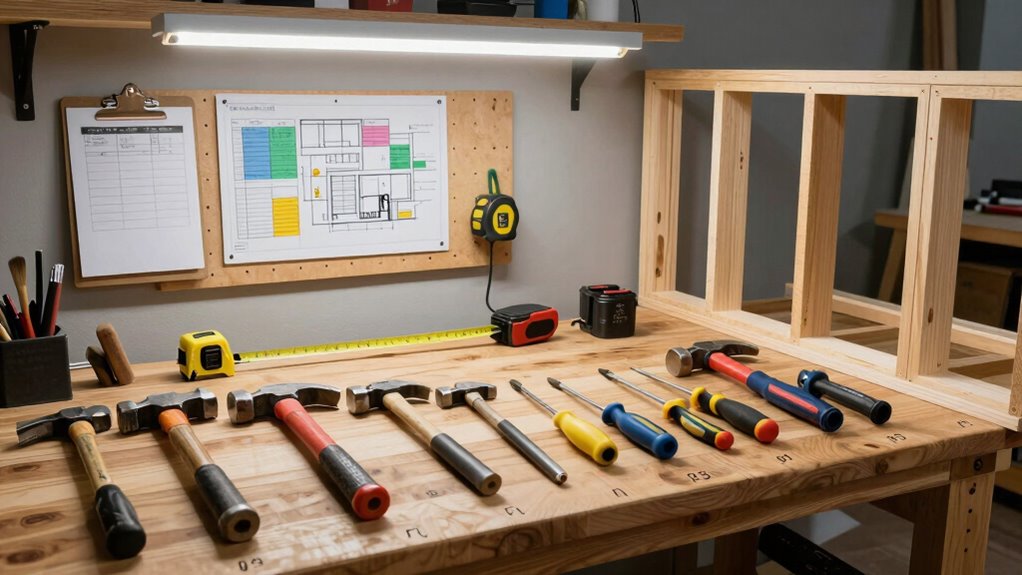
Ever wondered how to keep your DIY projects on track and within budget? Managing heavy-duty projects requires careful planning and a clear strategy. It all starts with budget planning. Before you pick up any tools or materials, sit down and set a realistic budget. Break down costs for materials, tools, and any extra expenses like permits or safety gear. Having a detailed budget helps you avoid overspending and keeps your project financially manageable. Keep track of your expenses as you go, so you can adjust if needed. This way, surprises won’t derail your progress halfway through.
Start with a realistic budget and track expenses to keep your heavy-duty DIY project on track and within budget.
Along with budget planning, safety precautions are essential for heavy-duty projects. Heavy lifting, power tools, and raw materials can pose serious risks. Before you begin, ensure your workspace is safe and organized. Wear appropriate safety gear—like gloves, goggles, and ear protection—and familiarize yourself with each tool’s safety features. Read manuals and follow safety instructions carefully. Never rush or take shortcuts when it comes to safety; a moment’s neglect can lead to accidents that delay your project or cause injuries. Keep a clean workspace to prevent trips or falls, and always disconnect power tools when not in use. Having a safety plan in place helps you anticipate hazards and respond promptly if something goes wrong. Additionally, understanding the importance of biodiversity and environmentally friendly practices can help you minimize ecological impact during your project. Incorporating sustainable practices can also contribute to a safer and more responsible project environment. Being aware of environmental impact considerations during your project planning can further enhance safety and sustainability. Furthermore, using eco-friendly materials whenever possible can reduce your project’s carbon footprint and promote responsible craftsmanship. Including environmental awareness in your planning can support long-term ecological health and project sustainability.
Planning is also about setting clear milestones. Break your project into manageable phases, with specific goals for each stage. This approach keeps you focused and allows you to monitor your progress. Check off completed tasks and reassess your timeline regularly. If you encounter unexpected issues—like material shortages or tool malfunctions—you can adapt your plan without losing momentum. Staying flexible and organized is key to maintaining control. It’s also helpful to source quality materials and reliable tools upfront to prevent delays or safety issues later. Invest in durable, professional-grade equipment when needed, instead of opting for cheaper, less reliable options. Properly maintaining your tools throughout the project also prolongs their lifespan and prevents accidents caused by faulty equipment. Keeping a comprehensive maintenance schedule can help you stay ahead of potential issues.
Finally, keep communication open if you’re working with others. Whether it’s family members, friends, or contractors, clear instructions and expectations help everyone stay aligned. Regularly review your plan, budget, and safety measures to keep your project on course from start to finish. This disciplined approach ensures your heavy-duty DIY project is completed efficiently, safely, and within your planned budget.
As an affiliate, we earn on qualifying purchases.
Frequently Asked Questions
How Do I Estimate the Total Cost of a Heavy-Duty Project?
To estimate your heavy-duty project’s total cost, start with detailed budget planning. List all necessary materials, tools, and labor, then research current prices through material sourcing. Add a contingency fund for unexpected expenses. Keep track of costs as you go, adjusting your budget accordingly. This approach guarantees you stay within your financial limits while completing your project efficiently and with minimal surprises.
What Safety Gear Is Essential for Large DIY Projects?
You need to wear protective clothing like gloves, goggles, and durable work attire to shield yourself from debris and chemicals. Respiratory masks are essential to protect your lungs from dust, fumes, and airborne particles. Make sure your safety gear fits properly and is rated for your specific tasks. Prioritize safety first, so you can focus on your project confidently without risking injury or health issues.
How Can I Prevent Project Delays Due to Unexpected Issues?
Imagine steering through a busy harbor, where smooth sailing depends on timely arrivals. To prevent project delays due to unexpected issues, plan for potential hiccups by building extra time into your project timeline and securing materials early. Keep communication open with suppliers and troubleshoot swiftly when problems arise. Staying proactive helps you stay afloat, ensuring your heavy-duty project progresses without unnecessary waves or detours.
What Are the Best Tools for Heavy-Duty DIY Tasks?
For heavy-duty DIY tasks, you need the right tools. Power tools like cordless drills, reciprocating saws, and angle grinders make your work faster and easier. Heavy-duty equipment such as hydraulic jacks, industrial-grade ladders, and heavy-duty workbenches provide stability and durability. Invest in quality tools designed for tough jobs, and always prioritize safety. This way, you’ll tackle projects efficiently without risking damage or injury.
How Do I Coordinate Multiple Team Members Effectively?
To coordinate multiple team members effectively, prioritize clear team communication by holding regular updates and encouraging open dialogue. Use task delegation wisely, assigning specific roles based on skills and experience to streamline workflow. Keep everyone informed of project goals and deadlines, and provide feedback promptly. This approach guarantees accountability, reduces confusion, and helps your team work smoothly together on heavy-duty DIY projects from start to finish.
As an affiliate, we earn on qualifying purchases.
Conclusion
Staying on top of heavy-duty DIY projects is like steering a ship through rough waters—you need focus, planning, and steady hands. By breaking tasks into manageable steps, keeping a detailed schedule, and staying flexible, you’ll navigate challenges smoothly from start to finish. Remember, the key is to stay organized and proactive, so your project doesn’t turn into a sinking ship. With these tips, you’ll finish strong, proud of what you’ve built just like a captain proud of their voyage.
As an affiliate, we earn on qualifying purchases.
eco-friendly construction materials
As an affiliate, we earn on qualifying purchases.
As an affiliate, we earn on qualifying purchases.