TL;DR
Real estate professionals cited in a home-and-garden article identify overgrown lawns, dead shrubs, yard clutter, damaged fences, abandoned vehicles and neglected structures as features that can detract from curb appeal. They distinguish those maintenance problems from subjective choices such as garden ornaments or artificial turf, and recommend keeping a yard intentional and maintained.
A home-and-garden article has outlined yard features that can make a property look neglected or cluttered, including dead shrubs, broken fences, abandoned vehicles and piles of unused items. Real estate professionals quoted in the article say maintenance and organization matter more broadly than matching one preferred style, while acknowledging that decorations and features such as artificial turf can divide opinion.

Get business pricing on tools and workshop supplies
- Business-only prices and quantity discounts
- Tax-exempt purchasing
- Multiple users, one account, clear invoices
The article separates visible maintenance problems from choices that are largely matters of taste, a distinction also relevant to curb appeal trends. Unmowed grass and weeds can make a yard appear neglected, but broker Erik Leland said a less conventional landscape can still work when it looks deliberate. He cited meadow-style yards and pollinator gardens with defined paths and maintained edges as alternatives to a closely trimmed lawn, ideas that can inform weekend landscaping projects.
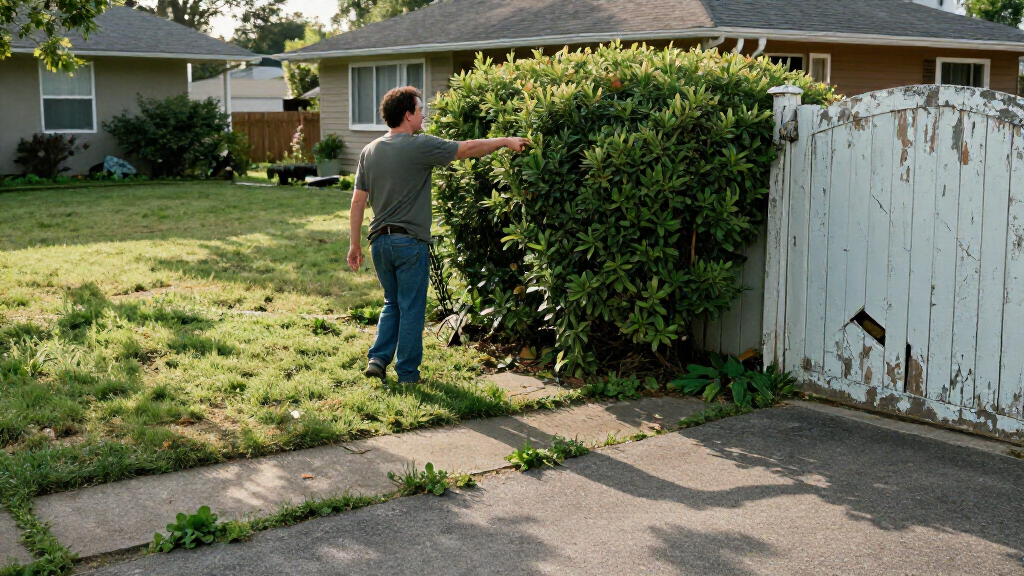
Other concerns named by the professionals include dead trees and shrubs, damaged or leaning fences, and deteriorating sheds or play structures. Agent Ben Mizes said dead shrubs may affect how observers judge a property’s upkeep, one reason curb appeal products can focus on a well-maintained exterior. Real estate expert Cameron Walker said a fence does not have to be new to look presentable; painting or repairing an older fence may improve its appearance.
Clutter is another recurring issue. Broken furniture, lumber, unused equipment and bins left in front of a home can make the yard look crowded, Realtor Dell Jeanty said. The article also lists abandoned vehicles and deflated inflatable decorations among features that may draw criticism. Leland advised removing a derelict structure if it is not worth repairing, while Mizes suggested grouping ornaments in a defined area rather than scattering them across the landscape.
Spot yard eyesores that signal neglect
Real estate professionals point to visible disrepair and clutter as curb appeal concerns. A yard can still reflect personal style when it looks intentional and maintained.
Maintenance problems
These visible issues can make a property seem neglected.
Overgrown lawns
Unmowed grass and weeds may look neglected. Naturalistic gardens can work with defined paths and maintained edges.
Dead growth and fences
Dead shrubs, leaning fences and deteriorating structures can signal poor upkeep. Repair or paint where practical.
Unused items outside
Broken furniture, lumber, equipment and visible bins can make a yard feel crowded.
Upkeep or personal taste?
Not every unconventional feature is an eyesore; condition and arrangement matter.
- Dead plants or damaged structures
- Uneven artificial turf seams
- Scattered clutter and decorations
- Meadow-style yards
- Pollinator gardens
- Ornaments and artificial turf
Make the yard feel intentional
Simple maintenance and organization can improve how the property is perceived.
Remove broken or unused items and store equipment neatly.
Address dead growth, damaged fencing and deteriorating structures.
Maintain paths and edges, and group ornaments in one area.
Maintenance Shapes First Impressions
A yard is part of the first impression a home makes on visitors, neighbors and potential buyers. The professionals quoted in the article argue that visible disrepair can signal broader neglect, even when the problem is small, while a tidy arrangement can make a property and its surroundings feel more welcoming.
That is not a guarantee that any single feature will change a home’s sale price. The source offers professional opinions, not a study measuring the financial effect of each item. Its practical point is narrower: repairing, removing or organizing obvious eyesores can improve how a property is perceived without requiring a uniformly manicured lawn or expensive redesign.
Products Worth Considering

Sonos One Two-Room Set Smart Speakers with Built-In Alexa, Black

Shark PowerDetect Robot Vacuum and Mop Combo with 60-Day Self-Emptying Base (AV2800ZE)

Philips Hue Bridge Pro Smart Lighting Hub
As an affiliate, we earn on qualifying purchases.
Upkeep Versus Personal Taste
The article stresses that curb appeal is subjective. A neighbor may dislike lawn gnomes, plastic flamingos or a collection of garden statues that the homeowner enjoys. Walker said decorations can add personality, but too many competing focal points may make a yard feel cluttered. Mizes recommended placing a collection together in a defined part of the landscape.
Artificial turf and novelty decorations also illustrate the difference between preference and upkeep. Mizes said poor-quality turf or uneven seams can look badly installed, while some people dislike artificial grass even when it is fitted well. The source makes no claim that these choices are universally unattractive. It notes that neighborhood or homeowners association rules may apply, but provides no specific rules or locations.
“A yard that is basic is not a problem as long as it is well kept.”
— Erik Leland, real estate broker
No Universal Curb Appeal Standard
The source does not provide a measured ranking of which yard features most affect buyer interest, sale prices or neighborhood perceptions. Its examples reflect professional observations and personal judgments, not quantified research. It is also unclear which local rules may govern landscaping, visible vehicles, fences or decorations; requirements can vary by municipality and, where applicable, homeowners association.
There is no single standard for what counts as attractive. A maintained pollinator garden may appeal to some people and not others, just as opinions differ on artificial turf and ornaments. The clearest distinction in the source is between intentional design and visible disrepair, rather than between one landscaping style and another.
Practical Steps for Homeowners
The article offers general guidance rather than reporting a scheduled policy change or industry study. Homeowners looking to improve a yard can start by identifying obvious maintenance issues: remove dead growth, repair or paint damaged fencing, and clear broken or unused items. Keeping bins out of the main view when they are not needed and storing equipment neatly may also reduce visual clutter.
For design choices, the advice is to make the arrangement look intentional: maintain paths and edges in a naturalistic garden, group ornaments rather than spreading them throughout the yard, and assess whether turf or outdoor structures are in sound condition. Local rules and personal priorities remain relevant; the source does not recommend one style for every home.
Key Questions
Which yard problems are most likely to look neglected?
The article points to overgrown weeds, dead shrubs, broken fences, outdoor clutter and deteriorating structures. These are examples from real estate professionals, not a measured ranking.
Does a lawn have to be closely mowed to improve curb appeal?
No. Broker Erik Leland said a meadow-style yard or pollinator garden can look intentional when it has defined paths and maintained edges. The article does not say every property needs a conventional lawn.
Are garden ornaments always considered an eyesore?
No. The source describes ornaments as a matter of taste. Real estate professionals quoted there said too many decorations can create visual clutter, while a grouped collection may be easier to appreciate.
Can an old fence hurt a home’s appearance?
It can if it is leaning, broken or rotting, according to the article. Cameron Walker said an older fence may still look good if it is painted or repaired; replacement is not always necessary.
Does the article show that yard eyesores reduce a home’s value?
No. It reports professional views about curb appeal and perception but gives no data measuring an effect on sale price or property value.
Source: familyhandyman.com