
To break in a new power tool properly, start by carefully reading the manufacturer’s instructions and wearing protective gear. Begin with lighter loads and lower speeds to let the internal parts settle. Keep an eye on performance, listen for unusual sounds, and avoid overheating by giving the tool breaks. Regular maintenance like lubrication and cleaning helps prevent early wear. By following these steps, you’ll guarantee your tool runs smoothly and lasts longer—continue to discover more tips.

Get business pricing on tools and workshop supplies
- Business-only prices and quantity discounts
- Tax-exempt purchasing
- Multiple users, one account, clear invoices
Key Takeaways
- Follow the manufacturer’s instructions and safety guidelines before initial use.
- Start with low settings and lighter loads to gently break in internal components.
- Monitor the tool for overheating, unusual sounds, or signs of wear during operation.
- Regularly lubricate moving parts and keep vents clean to ensure smooth performance.
- Gradually increase workload and speed over multiple sessions for optimal long-term performance.

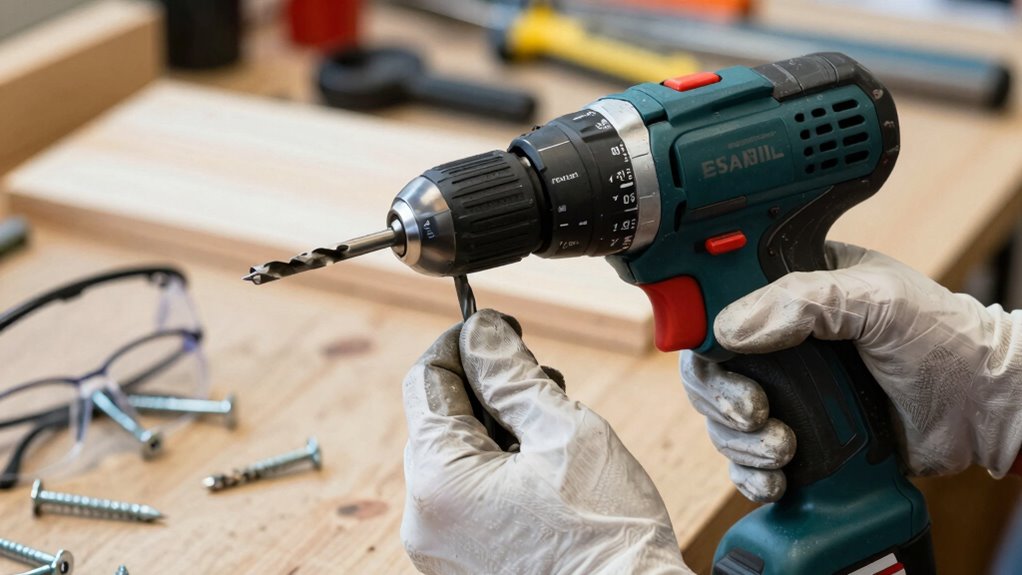
Ever wonder how to get the most out of your new power tool? The key lies in breaking it in properly to ensure optimal performance and longevity. Starting off with the right approach helps you avoid unnecessary wear and tear, and it keeps your workspace safe. First, familiarize yourself with the manufacturer’s instructions and safety precautions. Safety should always come first—wear protective gear, like safety glasses and gloves, and make sure your workspace is clear of debris. Before even plugging in the tool, inspect it for any damage or loose parts. Proper maintenance tips, such as keeping vents clean and ensuring all screws are tight, will help your tool run smoothly during the break-in process and beyond.
When you begin using your new power tool, start at a lower setting or with lighter loads. This gentle approach allows internal components to settle in gradually, reducing stress on parts like brushes or bearings. Don’t push the tool to its maximum capacity immediately; instead, operate it at lower speeds or with lighter materials for the first few hours. This initial period is vital for breaking in the motor and other moving parts, so patience is key. During this phase, keep an eye on the tool’s performance and listen for any unusual sounds—these might be signs of issues that need addressing before proceeding further. Regularly check for overheating, and give the tool a break if it starts feeling excessively warm, as overheating can harm internal components. Additionally, understanding the break-in process can help maximize your power tool’s lifespan and performance. Incorporating proper lubrication and cleaning routines during this period can further enhance the longevity of your tool and prevent early wear. Following manufacturer guidelines on proper operation can also significantly impact how smoothly your tool breaks in and performs over time.
Ensuring proper maintenance during the break-in period is essential for preventing early wear and ensuring reliability. Lubricate moving parts as recommended by the manufacturer, and keep dust and debris away from vents and motor housing. Additionally, some tools benefit from a break-in period that involves gradual load increases, which helps internal components adapt more effectively. Proper storage after each use prevents dirt buildup and damage. As you continue to use the tool, gradually increase workload and speed, but do so carefully. This steady escalation helps internal parts adapt without undue stress. Remember, your new power tool isn’t fully broken in until it’s been used consistently over several sessions, always respecting safety precautions. Taking these steps ensures your investment performs reliably and lasts longer, saving you time and money in the long run. By following these simple guidelines, you’ll not only break in your power tool the right way but also set yourself up for safe, efficient, and trouble-free operation every time you use it.
As an affiliate, we earn on qualifying purchases.
Frequently Asked Questions
How Long Should I Run the Tool During the Break-In Process?
You should run your new power tool for about 15 to 20 minutes during the break-in process. This helps improve tool durability by ensuring moving parts are properly lubricated and seated, reducing future wear. Be sure to vary your operations and avoid overloading the tool. Doing so not only enhances its longevity but also promotes operator safety, preventing overheating or unexpected malfunctions. Always follow the manufacturer’s specific recommendations for best results.
Can I Use Any Lubricant During the Break-In Period?
Think of your power tool as a race car preparing for a big race—using the right lubricant is essential. During the break-in duration, you should only use lubricants compatible with your tool’s materials and manufacturer recommendations. Using any lubricant might cause damage or reduce efficiency. Stick to the specified type, and avoid shortcuts—proper lubrication helps your tool reach peak performance and longevity.
Is There a Specific Temperature I Should Maintain?
You should aim to keep the temperature moderate, around room temperature, during the break-in period. Excessive heat can affect the tool’s durability and compromise safety precautions, leading to premature wear or damage. Using the tool in a stable environment helps guarantee ideal performance. Always monitor the temperature, avoid overheating, and follow manufacturer recommendations to maintain safety and extend your tool’s lifespan.
How Often Should I Perform a Break-In for Multiple Uses?
You should perform a break-in for your power tool after every few uses, especially during the first week, to guarantee peak performance. Regularly inspecting and maintaining your tool, following safety precautions, and applying proper tool maintenance techniques help extend its lifespan. This routine prevents overheating, reduces wear, and keeps your work safe and efficient. Consistent break-ins build familiarity, safeguard your investment, and promote safe, reliable operation over time.
What Are Signs I’ve Overdone the Break-In Process?
You’ll know you’ve overdone the break-in process when your tool starts overheating, making strange noises, or shows signs of excessive wear. These are clear indicators that you need better tool maintenance and should follow proper safety precautions to prevent damage or injury. Always listen to your tool’s behavior, and avoid pushing it too hard during break-in. Regular checks and attentive use help guarantee longevity and safe operation.
As an affiliate, we earn on qualifying purchases.
Conclusion
Breaking in your new power tool isn’t just a step—it’s the foundation for its longevity and performance. Treat it with care and follow the proper procedures, like gently easing into work and avoiding overexertion. Think of it as nurturing a young sapling; with patience and proper attention, it’ll grow stronger and serve you well for years to come. Remember, a well-broken-in tool is like a trusty sidekick—ready to tackle any job with confidence.
As an affiliate, we earn on qualifying purchases.
As an affiliate, we earn on qualifying purchases.
Fall yard work Picks
leaf blowers
As an affiliate, we earn on qualifying purchases.