
TL;DR

Get business pricing on tools and workshop supplies
- Business-only prices and quantity discounts
- Tax-exempt purchasing
- Multiple users, one account, clear invoices
A cordless power drill set combines a battery-powered drill or drill-driver with items such as batteries and a charger, and sometimes bits or other tools. For most household jobs, a light 12V drill-driver is enough; choose an 18V/20V-max model for more demanding work, and a hammer drill if you expect to drill into brick. Check weight, battery compatibility, and what the set actually includes before buying.
The drill set that looks strongest on the box can leave your wrist aching halfway through a shelf project. Weight, battery fit, and the materials you work with matter just as much as voltage.
This guide breaks down what a cordless power drill set includes, how to choose between 12V and 18V/20V-max, and when you need hammer action. You’ll also get a practical checklist for judging batteries, accessories, and long-term cost before you bring a set home.
A cordless power drill set should match your materials and tasks; the word “set” doesn’t guarantee useful accessories or a battery and charger.
A compact 12V drill often suits light home jobs, while 18V/20V-max models can offer more headroom at the cost of added weight.
Choose hammer action for occasional brick or similar masonry holes; frequent heavy concrete drilling may call for a rotary hammer.
Higher Ah usually means more runtime and a heavier battery; two batteries help when you work while one charges.
Check exact battery-platform compatibility and the contents of any included bit kit before comparing prices.
What a cordless power drill set gives you
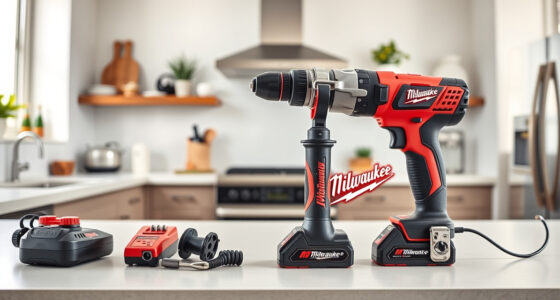
A cordless power drill set pairs a battery-powered drill or drill-driver with items such as a charger, one or more batteries, and sometimes bits or other tools. It gives you a ready-to-use package for jobs like assembling furniture, drilling pilot holes, and hanging shelves. The exact contents vary, so the word “set” alone doesn’t tell you what’s in the case.
Think of it like buying a kitchen knife kit: a tidy roll of tools looks generous, but only the pieces you actually use add value. One kit might include two batteries and a compact case; another might pack in dozens of small bits but only one battery. Check the product listing for each included item before comparing prices.
For example, if you’re fixing a loose cabinet hinge and building a flat-pack desk, a basic drill-driver set with a charger and battery may cover both jobs. A “bare tool” listing could look cheaper, but it may omit the battery and charger you need to run it. The bundle is a better deal only when its contents match your needs.
Choose 12V or 18V/20V-max for the jobs you do
A 12V set usually suits lighter household jobs, while an 18V/20V-max set offers more headroom for demanding work and may connect to a wider tool range. More voltage can bring extra power and runtime, but often adds weight. Your best choice depends on what you drill and how long you hold the tool.
If you’re assembling a bookcase in a cramped bedroom, a compact 12V drill can feel nimble and easier to guide. For repeated holes in thick lumber or longer sessions, an 18V/20V-max drill may give you more reserve. A 20V-max label usually refers to maximum initial battery voltage; nominal operating voltage is often 18V. The label by itself doesn’t tell you how comfortable the drill will be.
Before choosing, hold the tool if you can. A drill can feel balanced at your side but awkward overhead, like carrying a full water bottle with your arm stretched out. Look at the bare tool’s weight and how the handle sits in your grip, especially if you expect to install curtain rods or work above shoulder height.
Match the drill type to wood, metal, or brick
A standard drill-driver handles ordinary screw driving and drilling in wood or metal; a hammer drill adds rapid hammering for brick and similar masonry. That extra action doesn’t turn every drill into a heavy-duty concrete tool. For frequent or larger holes in concrete, a rotary hammer may be the more suitable machine.
For instance, putting pilot holes into a pine shelf calls for a standard drill-driver and a suitable wood bit. Mounting a light fitting into brick calls for a hammer drill, a masonry bit, and the correct fixings. If your projects mostly involve wood and furniture, paying extra for hammer action may buy capability you rarely use.
When driving screws, use the clutch to limit force and reduce the chance of stripping a screw head or damaging the material. When drilling, switch to the drill setting rather than leaving the tool on a low clutch setting. A cordless drill can drive many screws, but an impact driver is designed for repetitive fastening and may feel more comfortable on demanding screw-driving work.
Hammer action helps with occasional masonry holes; it doesn’t make a drill a substitute for a rotary hammer on frequent, heavy concrete work.
Check the batteries, chuck, and accessories before buying
Look beyond the drill body: battery capacity, chuck size, grip, and included accessories shape how useful a set feels. Amp-hours (Ah) measure battery capacity; a higher Ah rating generally means longer runtime under comparable conditions, but often brings extra weight and cost. That tradeoff affects how the drill feels: a larger battery can be welcome during a long stretch of floor-level work but tiring when you hold the tool overhead. One battery can suit occasional jobs, while two let you charge one as you work with the other.
Picture installing a row of shelves on a Saturday afternoon. With two batteries, one can sit on the charger while the other drives screws, so charging is less likely to interrupt the work. With one battery, you may need a pause when it runs low. For a quick curtain-rail job, though, the second battery may add bulk and expense without changing your day. Think about the length of a typical session before paying for extra capacity.
Most drill-drivers use a keyless chuck, commonly 10 mm (3/8 inch) or 13 mm (1/2 inch), which grips the bit without a separate key. Chuck size indicates the largest shank it accepts, so it affects which bits you can use; it doesn’t by itself tell you how well the drill performs. Check it against your planned work, then test the grip, work light, and balance if possible. A bright light can help in a dim cupboard, while comfortable handling matters when a task stretches from minutes to an hour.
Included bit kits vary in quality and range. A case full of shiny bits might not contain the size you need for a particular masonry anchor, and poor-fitting bits can slip or wear quickly. Check the types and sizes rather than counting pieces, and budget for specialized or better-quality bits if you use them often. That can make a smaller, well-chosen kit more useful than a large assortment you’ll replace or leave unused.
- Battery count: Match one or two batteries to how long you typically work.
- Battery platform: Check that the battery and charger fit the exact tool and product generation.
- Accessories: Verify the bit types and sizes, not just the number of pieces.
- Future tools: Compare the cost of later tools that use the same compatible platform; a shared battery system can reduce future battery and charger costs, but only if those tools suit your plans.
Use this five-step checklist to pick a set
- List your likely jobs. Write down whether you’ll drive furniture screws, drill wood or metal, or make occasional holes in brick. For example, hanging pictures and assembling a desk call for less capability than building a deck. This list keeps you from paying for features that won’t improve your usual work.
- Choose drill action. Get a standard drill-driver for common wood, metal, and fastening jobs. Choose a hammer drill if you expect to drill into brick or similar masonry. The extra action is useful when the material calls for it, but adds cost and may add weight for every other task.
- Balance power and comfort. Consider a compact 12V model for lighter tasks or an 18V/20V-max model when you want more headroom. Lift the tool and see how it feels in the positions you’ll use it. More reserve can help with demanding work, but comfort affects control and fatigue every time you pick it up.
- Compare the full kit. Count the batteries, charger, case, and useful accessories. A set pairs a powered drill or driver with accessories only when those items are actually included; don’t assume from the product name. Compare the value of the parts you’ll use with the cost of buying missing items separately.
- Check the platform cost. If you already own batteries, verify exact compatibility and compare bare-tool pricing with a complete set. If this is your first tool, consider whether the same platform offers other tools you may buy later. A platform can save money over time, but only when its available tools and battery options fit your needs.
This checklist keeps the decision grounded in your actual projects. Imagine you need one drill for a few weekend repairs: a lighter model and one battery may be all you’ll use. If you expect long sessions or future tools on the same battery system, a two-battery bundle can make more sense because it reduces charging interruptions and may support later purchases.
Keep the tool safe and the battery ready
Safe drilling starts with the workpiece, the bit, and what lies behind the surface. Secure the material, use the right bit, keep your hands clear, and wear eye protection. A securely held workpiece is less likely to shift or spin if the bit catches, which helps protect both your hands and the material. Follow the manufacturer’s instructions, especially for hammer drilling masonry or working near wiring and plumbing.
If you’re mounting a shelf, mark the holes and check the wall before drilling; cables and pipes can run behind plaster. Stop if you don’t know what’s inside the wall, and use an appropriate detector or ask a qualified professional. For projects involving electrical, gas, structural, or roof work, use a licensed professional and follow applicable safety and permit requirements.
Battery care is straightforward: follow the maker’s charging and storage guidance, avoid extreme temperatures, and use batteries specified for the tool. Compatibility usually stays within a manufacturer’s platform, but brands—and sometimes product generations or regions—can differ. Check the exact model details before buying a replacement or adding a tool.
Frequently Asked Questions
What should I look for in a cordless drill set for home use?
Match the drill to your materials and tasks, then check its weight, chuck size, battery count, charger, and included bits. For furniture assembly and ordinary repairs, a standard drill-driver often covers the basics. If you expect to drill brick, look for hammer action.
Is 12V or 18V/20V-max better?
A 12V set often works well for light household jobs and can feel easier to handle. An 18V/20V-max set offers more headroom for demanding work but may be heavier. Choose based on the jobs and positions you expect, not voltage alone.
Do I need a hammer drill for home projects?
You need hammer action if you expect to drill into brick or similar masonry. A standard drill-driver is generally enough for wood, metal, and ordinary screw driving. For frequent or larger holes in concrete, consider a rotary hammer.
What does Ah mean on a drill battery?
Ah means amp-hours, a measure of battery capacity. Under comparable conditions, a higher Ah rating generally provides longer runtime, but the battery often weighs more and costs more. A larger battery can feel tiring on a compact drill held overhead.
Can I use drill batteries from another brand?
Usually, batteries don’t work across different brands. Compatibility can also vary by platform, product generation, and region within one brand. Check the exact battery and tool model before buying or sharing a charger.
Conclusion
Choose a drill set by starting with the jobs you’ll actually do, then weigh drill type, comfort, batteries, and platform cost. The right tool should feel steady in your hand and ready for the next hole, not just impressive in a product photo.
Pick the set that fits your workbench and your wrist. Then let the drill do the turning.
Fall Picks
fall essentials
As an affiliate, we earn on qualifying purchases.