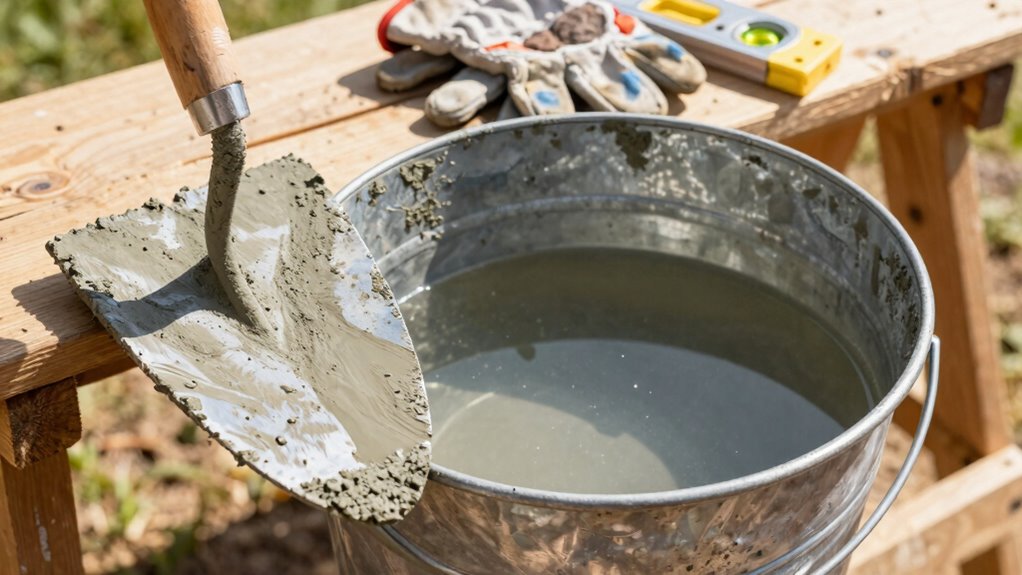

To get your concrete tools ready for warm weather, inspect them for rust or damage, and sharpen blades or replace worn parts. Keep tools well-lubricated to prevent overheating and store them in shaded, dry areas away from direct sunlight. After use, clean off concrete residue and apply protective coatings to prevent corrosion. Proper maintenance now will help guarantee your tools perform smoothly and last longer, and you’ll discover more tips on keeping everything in top shape.

Get business pricing on tools and workshop supplies
- Business-only prices and quantity discounts
- Tax-exempt purchasing
- Multiple users, one account, clear invoices
Key Takeaways
- Inspect and sharpen blades and tips to ensure clean cuts and prevent damage during use in warm weather.
- Keep tools well-lubricated and apply protective coatings to prevent rust and reduce heat buildup.
- Store tools in shaded, dry areas away from direct sunlight to prevent deterioration and overheating.
- Allow power tools to cool down periodically during extended use to avoid overheating and damage.
- Clean concrete residue after use and regularly check for wear to maintain optimal performance in warm conditions.
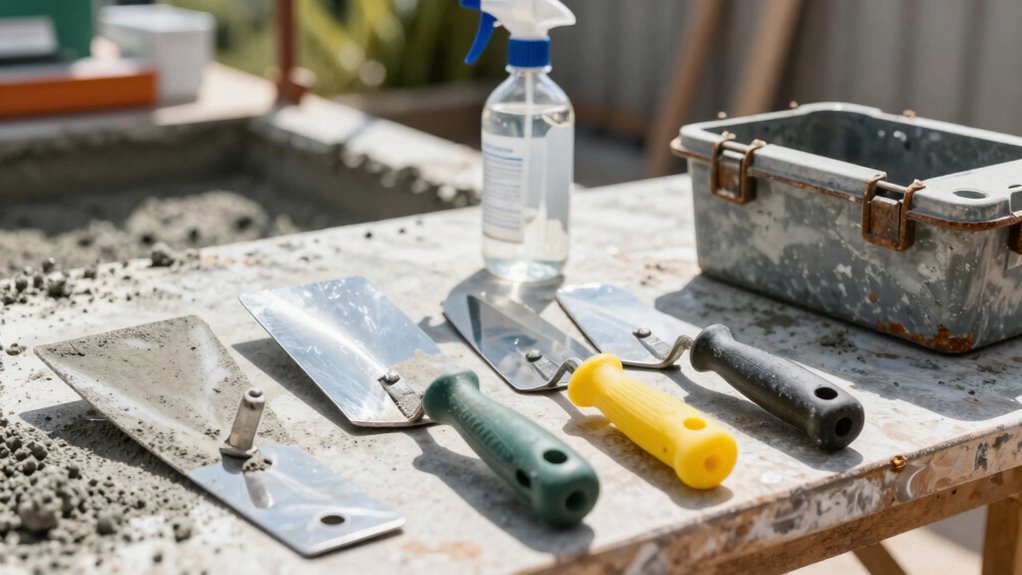
As the weather warms up, preparing your concrete tools becomes essential to guarantee smooth and successful outdoor projects. When temperatures rise, the effects on your tools can be significant, and neglecting proper preparation can lead to compromised results or even equipment failure. Understanding how temperature effects influence your tools helps you implement the right maintenance practices to keep everything in top shape. High temperatures can cause concrete to set faster, making it crucial to work efficiently, but they also impact your tools’ performance and longevity.
Tool maintenance during warm weather involves more than just cleaning after each use. Heat accelerates wear and tear, especially on blades, trowels, and mixers. Metal tools can heat up quickly, making them uncomfortable or unsafe to handle without proper precautions. To counter this, you should always inspect your tools before starting work, checking for any signs of rust, damage, or dullness. Sharp blades and smooth surfaces are vital for clean finishes and easier application, so sharpen or replace tools as needed before tackling your project. Additionally, using appropriate protective gear can safeguard you from potential burns or injuries caused by overheated tools.
Temperature effects also mean you need to take extra steps to prevent your tools from overheating. For example, if you’re using power mixers, avoid running them continuously for long periods. Allow them to cool down periodically, and keep them well-lubricated to reduce friction and overheating. For hand tools, cooling them down periodically or working in shaded areas can prevent warping or damage caused by excessive heat. Applying a protective coating or light oil can also help guard against corrosion and reduce friction, especially when tools sit idle in the sun.
Proper storage is another crucial aspect of tool maintenance in warm weather. Keep your tools in shaded, dry areas when not in use to prevent exposure to direct sunlight, which can weaken metal over time. Also, ensure that your tool handles are free of dirt and moisture, as this can lead to cracks or deterioration when exposed to the heat. If you’re planning to leave tools outside for an extended period, consider covering them with tarps or using weather-resistant storage containers to shield them from the elements. Additionally, understanding the effects of temperature on metal can help you choose appropriate storage and maintenance strategies.
Finally, don’t forget to clean your tools thoroughly after each use, removing any concrete residue that can harden and cause corrosion. Regularly applying lubricants or protective sprays can extend the life of your equipment and ensure it performs optimum through the warmest months. Recognizing signs of wear early can also help you address issues before they become major problems, saving you time and money in the long run. By paying attention to the temperature effects on your tools and maintaining them diligently, you set yourself up for smoother, more efficient concrete projects during the warmer seasons.
As an affiliate, we earn on qualifying purchases.
Frequently Asked Questions
How Often Should I Clean My Concrete Tools During Warm Weather Use?
You should clean your concrete tools after each use during warm weather to maintain ideal tool maintenance and guarantee longevity. Regular cleaning prevents concrete buildup, which can harden and damage tools over time. For frequent use, aim for a cleaning frequency of every few hours or at the end of each workday. Proper maintenance keeps your tools in top shape, making your projects easier and more efficient.
Can I Store Concrete Tools Outdoors Without Damage in Warm Climates?
You can store concrete tools outdoors in warm climates, but it’s best to guarantee they’re protected to maintain tool durability. Use outdoor storage solutions like waterproof sheds or cover tools with heavy-duty tarps to shield them from moisture, sun, and dirt. Proper outdoor storage prevents rust and damage, extending your tools’ lifespan. Regularly inspect and clean your tools before storage to keep them in top condition for your next project.
What Additional Protective Measures Are Needed for Concrete Tools in Heat?
Think of your tools like a delicate plant in the sun—you need extra care. Apply protective coatings to shield against heat and prevent corrosion, much like sunscreen for your skin. Use heat-resistant lubricants on moving parts to reduce friction and overheating. Store tools in shaded, ventilated areas when not in use, and regularly inspect for signs of wear or damage. These steps keep your concrete tools in top shape during hot weather.
How Does Temperature Affect the Curing Time of Concrete Tools?
Temperature influences the curing time of concrete tools considerably. When it’s warm, curing accelerates, meaning the concrete hardens faster, which can be beneficial but also risks cracking if not managed properly. Conversely, cooler temperatures slow down curing, extending the process. You should monitor the temperature influence closely, adjusting curing methods accordingly, like using curing blankets or water, to guarantee ideal strength and durability of your concrete tools during warm weather projects.
Are There Specific Lubricants Recommended for Concrete Tools in Hot Weather?
Sure, in hot weather, you should opt for lubricants that boast excellent lubricant compatibility and temperature stability. Skip the overly fancy or thick variants, as they’ll melt faster than ice cream in July. Instead, choose lightweight, heat-resistant lubricants designed for high temperatures. These guarantee your tools stay well-lubricated without breaking a sweat, preventing wear and tear while you bask in the sun. Keep your tools happy—and your project smooth—by choosing wisely.
concrete tools protective coating
As an affiliate, we earn on qualifying purchases.
As an affiliate, we earn on qualifying purchases.
Conclusion
Think of your concrete tools as a loyal garden, needing care and attention before blooming in warm weather. By cleaning, lubricating, and storing them properly, you’re nurturing their strength and readiness. Just like tending to delicate plants ensures a vibrant garden, prepping your tools guarantees your projects flourish. When the season heats up, your well-prepared tools will be the sturdy foundation that helps your dreams take shape—blooming beautifully under the sun.
power concrete mixer cooling fan
As an affiliate, we earn on qualifying purchases.
As an affiliate, we earn on qualifying purchases.
As an affiliate, we earn on qualifying purchases.
Halloween Picks
halloween
As an affiliate, we earn on qualifying purchases.