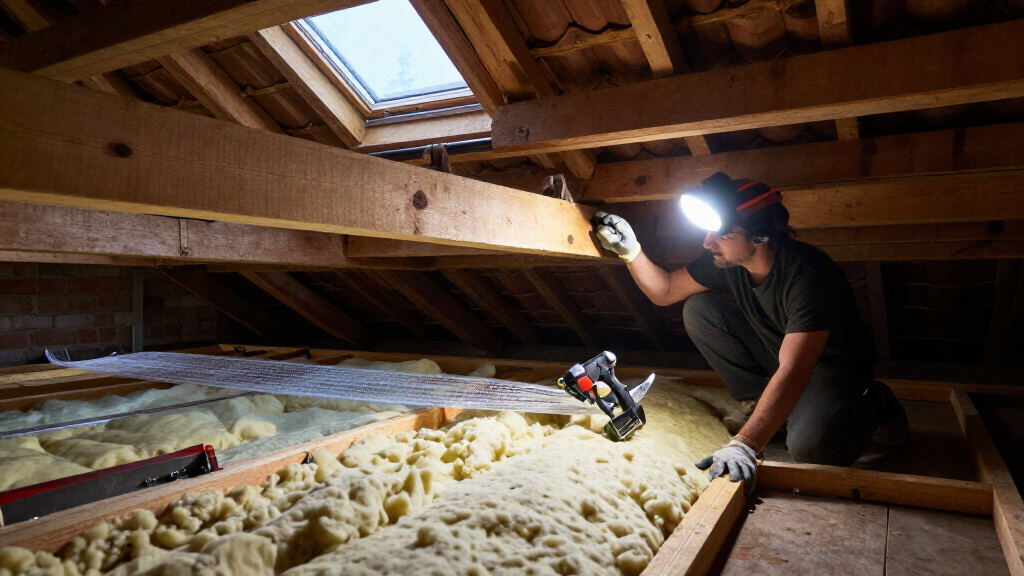

The best loft insulation pest control products depend on whether pests are entering through gaps, nesting in insulation, or already active inside the loft. My best overall pick is Xcluder Rodent Control Fill Fabric, Large DIY Kit, a practical choice for filling entry points; Alabrocon Steel Wool Mouse Barrier stands out for straightforward gap blocking, while Great Stuff Smart Dispenser Pestblock Foam Sealant suits buyers who want an easier-to-direct sealant. The main tradeoff is between durable physical barriers and products that repel or treat pests without closing the route they use. I also weigh application control, coverage, and whether a product is aimed at rodents or insects, since those jobs are not interchangeable. Read on for the full breakdown and guidance on matching a product to your loft.

Get business pricing on tools and workshop supplies
- Business-only prices and quantity discounts
- Tax-exempt purchasing
- Multiple users, one account, clear invoices
Complete the kit



Key Takeaways
- Physical gap barriers lead this roundup: Xcluder fill fabric and steel wool options address likely rodent entry points directly, while repellents and insecticides serve narrower roles.
- Application control separates the foam picks: Smart Dispenser versions are easier to direct around awkward gaps; bulk multi-can kits make more sense for larger sealing jobs.
- Rodent and insect products are not substitutes: Steel wool and rodent barrier foams target access routes, while Ortho, Fuse Foam, and Cimexa are intended for insect control.
- Repellent products do not repair access points: Ultrasonic devices and peppermint pouches may appeal for low-mess use, but they do not physically close gaps in loft boundaries.
- Coverage and installation effort drive value: Rolls and kits offer different amounts and formats of barrier material, so the right pick depends on gap count, access, and the need for a more guided application.
| Alabrocon Steel Wool Mouse Barrier, 2 Pack, 3 in x 10 ft |  | Best for Irregular Gaps | Material: Steel wool | Quantity: 2 pieces | Dimensions per piece: 10 ft long x 3 in wide | VIEW LATEST PRICE | See Our Full Breakdown |
| Great Stuff Smart Dispenser Pestblock Foam Sealant, 12 oz |  | Best for Controlled Foam Application | Brand: Great Stuff | Model number: 99112809 | Item weight: 12 oz | VIEW LATEST PRICE | See Our Full Breakdown |
| Jqely Ultrasonic Indoor Pest Repeller, 3 Modes, 6 Pack |  | Best for Multi-Room Indoor Coverage | Model: JL216 | Pack size: 6 units | Frequency range: 10–65 kHz | VIEW LATEST PRICE | See Our Full Breakdown |
| Great Stuff Pestblock Smart Dispenser Foam Sealant, Gray |  | Best for Water-Resistant Sealing | Model: 99112809 | Item form and color: Gray spray foam | Item weight: 16 oz | VIEW LATEST PRICE | See Our Full Breakdown |
| Storystore Stainless Steel Wool Fabric Roll for Rodent Control |  | Best Single-Roll Value | Material: Stainless steel wool | Length: 20 ft | Grit type: Coarse | VIEW LATEST PRICE | See Our Full Breakdown |
| Tomcat Rodent Block Expanding Foam Barrier, 12 oz |  | Best for Pesticide-Free Spot Sealing | Can size: 12 oz | Product type: Expanding foam sealant | Pesticide-free: Yes | VIEW LATEST PRICE | See Our Full Breakdown |
| Ortho Home Defense Max Indoor Insect Barrier with Extended Reach Comfort Wand, 1 Gallon |  | Best for Insect Control Around Loft Access Areas | Volume: 1 gallon (128 fluid ounces) | Active ingredient: Bifenthrin 0.05% | Item form: Ready-to-use spray | VIEW LATEST PRICE | See Our Full Breakdown |
| Xcluder Rodent Control Fill Fabric, Large DIY Kit |  | Best for Durable Rodent Exclusion | Material: Stainless steel wool interwoven with poly fibers | Roll dimensions: 4 in x 5 ft | Item dimensions: 60 x 4 x 0.5 in | VIEW LATEST PRICE | See Our Full Breakdown |
| 30 FT Steel Wool Roll for Pest Control and Gap Blocking |  | Best for Long Runs of Irregular Gaps | Brand: Delushaka | Roll length: 30 ft (360 in) | Material: Steel wool | VIEW LATEST PRICE | See Our Full Breakdown |
| Kraken Bond Rodent Barrier Spray Foam Sealant with Straw Applicator, 12-Pack, 12 oz Cans |  | Best for Multi-Point Foam Repairs | Material: Polyurethane | Unit count: 12 cans | Can size: 12 oz | VIEW LATEST PRICE | See Our Full Breakdown |
| Control Solutions Fuse Foam Ready-to-Use Termiticide and Insecticide, 15 oz |  | Best for Targeted Insect Treatment | Brand: Control Solutions Inc. | Model: 82770008 | Form: Ready-to-use foam | VIEW LATEST PRICE | See Our Full Breakdown |
| Peppermint Oil Pest Repellent Pouches, 10 Pack |  | Best Poison-Free Scent Deterrent | Pack size: 10 pouches | Active scent: Peppermint oil and other essential oils | Stated scent duration: Up to 30 days | VIEW LATEST PRICE | See Our Full Breakdown |
| Rockwell Labs Cimexa Insecticide Dust, 4 oz |  | Best for Long-Lasting Void Treatment | Brand: Rockwell Labs | Model number: CXID032 | Net quantity: 4 oz | VIEW LATEST PRICE | See Our Full Breakdown |
| BEEST FullStop Rodent Spray Foam Barrier Kit with Steel Wool, 3 Cans and 6 Rolls |  | Best Complete Kit for Sealing Rodent Gaps | Brand: BEEST | Manufacturer: Petra | Model number: B-BNDL-PBSF-3PK-V1 | VIEW LATEST PRICE | See Our Full Breakdown |
| Xcluder Rodent Control Fill Fabric – 6 Rolls of Stainless Steel Wool Blend |  | Best Chemical-Free Flexible Barrier | Brand: Xcluder | Material: Stainless steel wool and poly fiber blend | Quantity: 6 rolls | VIEW LATEST PRICE | See Our Full Breakdown |
More Details on Our Top Picks
Alabrocon Steel Wool Mouse Barrier, 2 Pack, 3 in x 10 ft
For loft edges with awkward openings around pipes or vents, I’d favor the Alabrocon steel wool strips over a foam-only approach. The material bends around uneven shapes and can be cut to fit, while its open structure allows air to pass through. Two 10-foot strips give you more reach than the Storystore 20-foot roll only in the sense that Alabrocon supplies two separate pieces, which can be handy when working in different spots; both are flexible metal barriers rather than sealants. Unlike Great Stuff Pestblock Foam, this won’t create an airtight or water-resistant seal, so it’s not a complete fix for drafts or moisture. Gloves are included, but sharp fibers still call for care, and the fill needs regular checks for damage.
Pros:- Flexible strips can be bent and cut to fit uneven openings.
- Two separate 10-foot pieces suit work across multiple gaps.
- Suitable for indoor and outdoor use.
- Open steel fibers block small animals while allowing airflow.
Cons:- Does not provide the airtight, water-resistant seal of expanding foam.
- Cutting and handling require gloves to reduce the risk of cuts.
- Needs inspection and replacement if damaged, and must be kept from children and pets.
Best for: Homeowners sealing several irregular loft or wall openings around pipes and vents who want a cut-to-fit metal barrier.
Not ideal for: Buyers who need an airtight, draft-blocking seal, or households where loose sharp fibers could be reached by children or pets.
- Material:Steel wool
- Quantity:2 pieces
- Dimensions per piece:10 ft long x 3 in wide
- Item weight:0.3 kg
- Included accessory:Pair of gloves
- Use:Filling openings indoors or outdoors
Our verdict“Choose Alabrocon for flexible, cut-to-fit coverage across irregular openings, but use foam instead when sealing drafts is part of the job.”
Great Stuff Smart Dispenser Pestblock Foam Sealant, 12 oz
I’d pick this 12 oz Pestblock foam when a loft opening needs a more controlled seal than loose fill can provide. Its reusable Smart Dispenser is designed for precise, no-drip application and can remain usable for up to 30 days, which suits a job spread across several gaps. The foam expands by up to 1 inch, dries tack-free in 20 minutes, and cures rigid in an hour; those timings help plan a short repair session, but the limited expansion makes it a poor match for oversized cavities. Compared with Alabrocon Steel Wool, it can close off drafts as well as block entry points, though it lacks steel fibers and cures hard rather than remaining flexible. Trimming and sanding may also be needed for a tidy finish.
Pros:- Reusable Smart Dispenser supports controlled, no-drip application.
- Can remain usable for up to 30 days after dispensing begins.
- Adheres to wood, metal, masonry, glass, and most plastics.
- Tack-free in 20 minutes and rigid in one hour.
Cons:- Expansion of up to 1 inch may not fill large openings.
- Cured foam is rigid and may not suit gaps that need flexibility.
- Trimming and sanding may be needed after curing.
Best for: DIYers sealing small-to-medium loft penetrations who want controlled application and may return to the same repair within 30 days.
Not ideal for: Anyone filling very large gaps, needing a flexible seal, or wanting a finished surface without trimming or sanding.
- Brand:Great Stuff
- Model number:99112809
- Item weight:12 oz
- Item form and color:Gray foam
- Expansion:Up to 1 inch
- Tack-free time:20 minutes
- Cure time:Rigid in 1 hour
- Compatible materials:Wood, metal, masonry, glass, and most plastics
- Dispenser:Reusable Smart Dispenser
Our verdict“Choose this foam for neat, repeatable sealing of modest loft gaps, not for oversized openings or repairs that need a flexible fill.”
Jqely Ultrasonic Indoor Pest Repeller, 3 Modes, 6 Pack
The Jqely set takes a different route from the physical barriers in this roundup: its six plug-in units emit ultrasonic frequencies rather than closing loft entry points. That makes it a possible supplementary option for indoor rooms, not a replacement for sealing gaps with Storystore Stainless Steel Wool or Great Stuff Pestblock Foam. Each unit is rated for up to 1,600 square feet in open space, but walls and large furniture can reduce coverage, so the advertised area should not be treated as a whole-house guarantee. Three modes offer frequency choices, while the red mode may make uncomfortable noise and is intended for rooms without people or pets. I’d skip this as the main answer to a loft insulation pest problem: it does not repair openings or provide a physical barrier.
Pros:- Six plug-in units allow placement in multiple rooms.
- Three frequency modes target different pest groups.
- No batteries or bait are required.
- Rated power consumption is 3–5 W per unit.
Cons:- Ultrasonic waves may be blocked by walls and large furniture.
- Red mode may make uncomfortable noise and is intended for use when people and pets are out of the room.
- Does not physically seal openings or block drafts.
Best for: Households seeking plug-in ultrasonic units for several open indoor rooms as a supplementary pest-control measure.
Not ideal for: Buyers looking to seal loft access points or relying on a physical, draft-blocking barrier; coverage can also be limited by walls and furnishings.
- Model:JL216
- Pack size:6 units
- Frequency range:10–65 kHz
- Modes:Blue: 25–45 kHz; Yellow: 18–35 kHz; Red: 10–25 kHz
- Power consumption:3–5 W
- Power source:Plug-in; no batteries required
- Operation:One-button operation; continuous 24/7 use
Our verdict“Consider Jqely only as an indoor supplementary measure for multiple rooms; use a physical filler to close loft entry gaps.”
Great Stuff Pestblock Smart Dispenser Foam Sealant, Gray
For loft gaps where a seal needs to resist moisture as well as drafts, I’d put this water-resistant Pestblock foam ahead of the metal-fill options. It adheres to common building materials and expands by up to 1 inch, giving it a practical role around modest openings in wood, masonry, or metal. The reusable Smart Dispenser can stay attached for up to 30 days, and the cured foam can be trimmed, sanded, stained, or painted for a more finished repair. Compared with the 12 oz Great Stuff Smart Dispenser Pestblock Foam, the listed item weight is 16 ounces, but both share the same stated expansion limit and rigid cure tradeoff. This is not the choice for oversized holes or joints that need to move; allow about an hour before trimming.
Pros:- Creates an airtight, water-resistant barrier for interior or exterior use.
- Reusable Smart Dispenser can remain attached for up to 30 days.
- Adheres to wood, metal, masonry, glass, and most plastics.
- Can be trimmed, sanded, stained, and painted after curing.
Cons:- Expansion is limited to up to 1 inch, restricting use in larger gaps.
- Cures rigid, so it may not suit moving or flexible joints.
- Needs about an hour before trimming.
Best for: Homeowners sealing modest loft gaps in common building materials where water resistance and a trim-ready finish are useful.
Not ideal for: Anyone filling large cavities or sealing joints that need a flexible material rather than rigid cured foam.
- Model:99112809
- Item form and color:Gray spray foam
- Item weight:16 oz
- Dimensions:3 x 3 x 8 in
- Expansion:Up to 1 inch
- Tack-free time:10–20 minutes
- Trimming time:About 1 hour
- Water resistance:Water resistant
- Compatible materials:Wood, metal, masonry, glass, and most plastics
Our verdict“Choose this option for water-resistant sealing and a refinable finish on modest openings, but not for large or movement-prone gaps.”
Storystore Stainless Steel Wool Fabric Roll for Rodent Control
The 20-foot stainless steel wool roll is the straightforward choice when you want one continuous length of chew-resistant material for several loft openings. Its coarse, flexible fabric can be bent into corners and cut to fit, making it more adaptable than a rigid patch and similar in purpose to the Alabrocon Steel Wool Mouse Barrier. Storystore supplies a single 20-foot roll, while Alabrocon divides its material into two 10-foot pieces and includes gloves. Neither metal option seals drafts or water the way Great Stuff Pestblock Foam can, so the right choice depends on whether the opening needs a physical chew barrier or a sealed gap. The roll requires careful handling: wear gloves, inspect it over time, and replace it if damaged or corroded.
Pros:- A 20-foot continuous roll can cover multiple openings.
- Flexible material bends into corners and irregular shapes.
- Stainless steel fibers are designed to resist rodent chewing.
- Can be cut to size with ordinary household scissors.
Cons:- Does not create an airtight or water-resistant seal.
- Sharp fibers require gloves during installation.
- Needs inspection and replacement if damaged or corroded.
Best for: DIYers who need a continuous roll of flexible stainless steel fill for multiple irregular gaps around a loft, walls, or pipelines.
Not ideal for: Anyone needing an airtight or water-resistant seal, or buyers who prefer a kit with gloves included.
- Material:Stainless steel wool
- Length:20 ft
- Grit type:Coarse
- Grit number:500
- Item weight:0.2 kg
- Unit count:1
Our verdict“Choose Storystore for a continuous, cut-to-fit metal barrier across several gaps, and choose foam when draft or moisture sealing matters more.”
Tomcat Rodent Block Expanding Foam Barrier, 12 oz
Tomcat Rodent Block is a practical choice for sealing smaller cracks and gaps around a loft’s pipes, cables, or wall edges where mice may enter. Its pesticide-free foam expands to fill openings, then cures into an airtight, water-resistant bond that can be trimmed, sanded, and painted. Compared with the Xcluder fill fabric, this is easier to shape into irregular gaps, while Xcluder is the better fit when you want a chew-resistant physical barrier packed into a narrow opening. The main limitation is application temperature: the product is recommended for 60–90°F, which can make cold loft work inconvenient. The reusable straw may also need clearing or cutting after foam cures, so I’d choose it for targeted repairs rather than frequent stop-start jobs.
Pros:- Pesticide-free foam fills cracks and gaps that can serve as mouse entry points
- Airtight, water-resistant bond suits building-material joints
- Can be trimmed, sanded, and painted to blend with surrounding surfaces
- Bonds to most building materials
Cons:- Recommended application temperature is limited to 60–90°F
- Cured foam in the reusable straw may need to be cut or cleared before reuse
Best for: Homeowners sealing a small number of mouse-entry gaps around loft penetrations who want a pesticide-free, paintable finish
Not ideal for: People sealing large openings or working in a cold loft, since the temperature range is limited and larger holes may need a mesh or fill material
- Can size:12 oz
- Product type:Expanding foam sealant
- Pesticide-free:Yes
- Bond:Airtight and water-resistant
- Compatible surfaces:Most building materials
- Recommended usage temperature:60–90°F
- Finish options:Can be trimmed, sanded, and painted
Our verdict“Choose Tomcat for pesticide-free, paintable sealing of modest loft gaps, but pick a fill fabric or mesh-backed approach for larger openings.”
Ortho Home Defense Max Indoor Insect Barrier with Extended Reach Comfort Wand, 1 Gallon
Ortho Home Defense Max serves a different purpose from the rodent barriers in this roundup: it targets listed insects, not mice chewing through loft entry gaps. Its ready-to-use spray is designed for ants, roaches, spiders, fleas, and ticks, with protection lasting up to 365 days on nonporous indoor surfaces. The extended-reach wand can make application along baseboards and room edges less awkward than using a short-handled bottle. Compared with Tomcat Rodent Block or Xcluder fill fabric, it does not physically seal an opening, so it belongs in a broader pest-control plan rather than as a substitute for rodent exclusion. Outdoor perimeter treatments need more frequent reapplication, and treated areas must dry fully before people or pets return.
Pros:- Targets several listed household insects, including ants, roaches, spiders, fleas, and ticks
- Extended-reach wand allows application without bending as much
- Fast-drying formula is described as having no fumes and leaving no stains on treated surfaces
- Can be applied indoors and around outdoor perimeter foundations
Cons:- Does not block rodent entry points or protect insulation from mice
- Outdoor applications require re-treatment every three months for optimal results
- Treated areas must dry completely before people or pets can enter
Best for: Households addressing listed insects around indoor loft access points and adjacent nonporous surfaces, with space to store a one-gallon container
Not ideal for: Buyers whose main concern is mice in loft insulation, or anyone wanting a physical seal rather than an insecticide spray
- Volume:1 gallon (128 fluid ounces)
- Active ingredient:Bifenthrin 0.05%
- Item form:Ready-to-use spray
- Target species:Insects, including ants, roaches, spiders, fleas, and ticks
- Indoor protection duration:Up to 365 days on nonporous surfaces
- Application aid:Extended Reach Comfort Wand
- Model number:4600810
Our verdict“Pick Ortho for listed insect control near loft access areas, not as a replacement for the foam or fabric barriers aimed at rodents.”
Xcluder Rodent Control Fill Fabric, Large DIY Kit
Xcluder Rodent Control Fill Fabric is a strong match for loft repairs where the priority is to block mouse or rat access through a defined gap, rather than spray or foam over a broad area. Its stainless steel wool and poly-fiber blend compresses into narrow openings and expands to fit, while the rust-resistant construction makes it a more durable choice than ordinary steel wool in damp-prone spots. The kit includes shears and work gloves, which gives it a more ready-to-install setup than Delushaka’s 30-foot steel wool roll. Compared with Tomcat foam, Xcluder creates a physical fill rather than a trim-and-paint surface, so the finish may be less discreet. It also takes manual measuring and packing, and it is meant for openings—not covering large stretches of insulation.
Pros:- Stainless steel and poly-fiber construction resists rust and corrosion
- Compresses into narrow openings and expands to fit
- Can be used around common entry points such as pipes, vents, windows, and walls
- Kit includes shears and work gloves
Cons:- Requires manual cutting and installation at each opening
- Designed to fill gaps rather than cover large areas
- Does not provide the smooth, paintable finish of expanding foam
Best for: DIY homeowners sealing several rodent entry points around loft pipes, vents, windows, or wall penetrations who want a rust-resistant fill
Not ideal for: People needing to cover broad areas or seeking a smooth, paintable finish without manual cutting and packing
- Material:Stainless steel wool interwoven with poly fibers
- Roll dimensions:4 in x 5 ft
- Item dimensions:60 x 4 x 0.5 in
- Item weight:11.2 oz
- Target species:Mouse and rat
- Kit includes:Fill fabric roll, shears, and work gloves
- Model number:162758A
Our verdict“Choose Xcluder for durable, hands-on rodent exclusion at specific loft entry points, especially where rust resistance matters.”
30 FT Steel Wool Roll for Pest Control and Gap Blocking
Delushaka’s 30-foot steel wool roll is the high-coverage option for buyers facing many gaps along loft edges, ducts, windows, or pipe routes. Its long, flexible roll can be cut to length with household scissors and bent around irregular openings, giving it more reach than the 5-foot Xcluder kit. The tradeoff is material: Xcluder uses a stainless-steel-and-poly-fiber blend described as rust-resistant, while this product may develop slight rust in humid conditions. Its coarse metal fibers are chew-proof, but they can scratch hands during installation, so gloves are a practical requirement. This roll also maintains air permeability; that can suit openings where airflow must remain, but it is not a sealed foam barrier like Tomcat Rodent Block.
Pros:- Thirty-foot roll provides substantially more material than the Xcluder 5-foot roll
- Flexible coarse fibers fit irregular corners and gaps
- Can be cut to size with standard household scissors
- Chew-resistant metal fibers help deter small pests while retaining air permeability
Cons:- May develop slight rust in humid environments
- Sharp fibers can scratch hands and call for protective gloves
- Not suitable for areas accessible to children or pets without precautions
Best for: DIYers with multiple or extended rodent entry gaps who need a flexible roll they can cut to custom lengths
Not ideal for: People working in humid locations, handling the material without protective gloves, or needing an airtight and finished seal
- Brand:Delushaka
- Roll length:30 ft (360 in)
- Material:Steel wool
- Grit type:Coarse
- Quantity:1 roll
- Model:30FTSW
Our verdict“Choose this roll when coverage and custom shaping matter most, but favor Xcluder for a rust-resistant blend or foam for a sealed finish.”
Kraken Bond Rodent Barrier Spray Foam Sealant with Straw Applicator, 12-Pack, 12 oz Cans
Kraken Bond Rodent Barrier Foam makes the most sense when a loft project involves repeated sealing at multiple pipes, cables, vents, or foundation gaps: the pack contains twelve 12-ounce cans, rather than a single can like Tomcat Rodent Block. The polyurethane foam cures into a rigid, water-resistant barrier and can be trimmed, sanded, and painted, giving it a similar finishing advantage to Tomcat. Its stated application range of 41–86°F is broader at the cool end than Tomcat’s 60–90°F range, though the can is recommended to be at 68°F. Direct sun calls for painting or covering the cured foam, and larger holes may need steel wool or copper mesh first. That extra prep makes it less suited to one small repair.
Pros:- Twelve cans support multiple sealing jobs across common entry points
- Rigid, water-resistant foam can be used indoors or outdoors
- Can be trimmed, sanded, and painted after curing
- Straw applicator directs foam into openings
Cons:- Application is limited to 41–86°F, with the can ideally at 68°F
- Foam exposed to direct sunlight should be painted or covered
- Larger holes may require copper mesh or steel wool before foam application
Best for: Homeowners or maintenance teams sealing multiple rodent entry gaps across a loft and nearby exterior surfaces who can store and use several cans
Not ideal for: Buyers with only one minor gap, people working outside the stated temperature range, or those unable to cover foam exposed to direct sunlight
- Material:Polyurethane
- Unit count:12 cans
- Can size:12 oz
- Application method:Straw applicator
- Water resistance:Water resistant
- Application temperature:41–86°F
- Recommended can temperature:68°F
- Surface recommendations:Walls and windows
Our verdict“Choose Kraken Bond for repeated foam-sealing work across several loft entry points, but use a fill material first for larger openings.”
Control Solutions Fuse Foam Ready-to-Use Termiticide and Insecticide, 15 oz
Fuse Foam is a targeted treatment, not a way to protect all the insulation in a loft. Its ready-to-use can delivers a mixture of fipronil and imidacloprid directly into termite or ant galleries, nests, and structural voids. The 30:1 expansion ratio helps foam reach gaps that are hard to access with a surface spray, making it more suited to a known insect harborage than a general pest barrier. Compared with BEEST FullStop, which is designed to seal rodent entry points, Fuse Foam treats insects inside specific sites rather than blocking an opening. That narrow purpose is also its main limitation: it requires a suitable injection site, and its sale is restricted in Alaska, California, Connecticut, and Puerto Rico. I would choose it for localized insect activity, not routine loft-wide prevention.
Pros:- Ready-to-use foam avoids mixing before application.
- 30:1 expansion helps fill difficult-to-reach voids.
- Combines fipronil and imidacloprid in one formulation.
- Designed for direct treatment of termite and ant galleries and nests.
Cons:- Only suited to targeted injection into specific sites, not broad surface coverage.
- Sales are restricted in Alaska, California, Connecticut, and Puerto Rico.
- Does not seal openings or address rodent access to loft insulation.
Best for: Homeowners who have identified termite or ant activity in a reachable gallery, nest, or structural void and need a ready-to-use injection foam.
Not ideal for: People seeking a rodent barrier, broad loft insulation protection, or a product available in Alaska, California, Connecticut, or Puerto Rico.
- Brand:Control Solutions Inc.
- Model:82770008
- Form:Ready-to-use foam
- Can size:15 oz
- Active ingredients:0.005% fipronil; 0.02% imidacloprid
- Expansion ratio:30:1
- Target pests:Termites, ants, and other insects
- Application:Direct injection into nests, galleries, structural voids, and other sites
- Sales restrictions:Not for sale in AK, CA, CT, or PR
Our verdict“Choose Fuse Foam for a specific, accessible insect harborage; choose a gap-sealing product such as BEEST FullStop for rodent entry points.”
Peppermint Oil Pest Repellent Pouches, 10 Pack
These pouches suit buyers who want a scent-based deterrent without traps or poison. They are easy to place near suspected pest activity in a loft, garage, or shed, and the included mesh bag makes hanging or positioning them straightforward. The stated coverage is up to 145 sq. ft. per pouch, with scent lasting up to 30 days, so they require more upkeep than Xcluder fill fabric, which physically blocks gaps instead of relying on an odor. The key tradeoff is that a strong mint scent may be unwelcome in enclosed living areas, while scent alone does not close access points or guarantee pests will stay away. I see these as a supplementary deterrent for localized areas, not a substitute for sealing gaps or treating an established infestation.
Pros:- Uses essential-oil scents rather than traps or poison.
- Can be placed indoors or outdoors in varied locations.
- Mesh bag offers a simple placement option.
- Stated coverage of up to 145 sq. ft. per pouch.
Cons:- Strong mint scent may be unpleasant, especially in enclosed spaces.
- Pouches need replacement after up to 30 days.
- Does not seal entry gaps or provide a physical barrier like Xcluder fill fabric.
Best for: Householders who want a non-trap, non-poison scent deterrent for a small loft area, garage, vehicle, basement, or shed and can replace pouches regularly.
Not ideal for: People sensitive to strong mint scents, buyers needing a physical rodent barrier, or anyone expecting a pouch to resolve an established infestation.
- Pack size:10 pouches
- Active scent:Peppermint oil and other essential oils
- Stated scent duration:Up to 30 days
- Stated coverage:Up to 145 sq. ft. per pouch
- Use:Indoor and outdoor
- Placement:Place pouch in included mesh bag
- Storage before use:Leave sealed until use
Our verdict“Pick these pouches for low-effort scent deterrence in a limited area, but use gap-filling or targeted pest control when you need a more direct remedy.”
Rockwell Labs Cimexa Insecticide Dust, 4 oz
Cimexa is the specialist pick for insect control in dry, undisturbed voids, rather than for keeping rodents out of loft insulation. Its silica dust works by damaging the protective waxy coating on insects, leading to dehydration; that means it is not an instant knockdown treatment. The product data describes efficacy lasting up to 10 years in undisturbed areas, a different kind of longevity from the peppermint pouches, which need replacement after up to 30 days. Its odorless, non-staining form is useful where a visible residue or fragrance would be a problem, but careful placement matters: disturbed dust may not deliver the stated long-term performance. Compared with Fuse Foam, Cimexa is a dry dust for a range of insect pests, while Fuse Foam is aimed at direct injection into specific galleries and voids.
Pros:- 100% silica dust acts on insects through dehydration.
- Odorless and described as non-staining.
- Product data states it can remain effective for up to 10 years in undisturbed areas.
- Targets a broad range of insects, including bed bugs, ants, and cockroaches.
Cons:- Works slowly rather than providing immediate knockdown.
- Long-lasting performance depends on application areas remaining undisturbed.
- Does not block rodent entry or protect insulation through physical exclusion.
Best for: Homeowners addressing insect activity in dry, protected wall or structural voids who can apply dust where it will remain undisturbed.
Not ideal for: Buyers seeking rodent exclusion, immediate insect knockdown, or a treatment for exposed insulation that will be disturbed.
- Brand:Rockwell Labs
- Model number:CXID032
- Net quantity:4 oz
- Form:Dust
- Active ingredient:Silica
- Odor:Odorless
- Target pests:Bed bugs, fleas, ticks, ants, cockroaches, silverfish, spiders, mites, lice, and termites
- Stated persistence:Up to 10 years in undisturbed areas
Our verdict“Choose Cimexa for persistent insect control in undisturbed voids, not for fast results or rodent-proofing loft insulation.”
BEEST FullStop Rodent Spray Foam Barrier Kit with Steel Wool, 3 Cans and 6 Rolls
BEEST FullStop combines gap filler and steel wool in one installation kit, making it the most ready-to-fit option here for blocking rodent access around pipes, foundations, and garage openings. The steel wool provides the filling material, while expanding polyurethane foam helps secure and finish the gap. Unlike Xcluder fill fabric, which is a flexible material to pack into openings, this kit supplies foam and basic tools as well, so it suits buyers who want fewer separate components. The tradeoff is that foam needs to cure before excess can be trimmed, and this is still a targeted sealing solution—not a treatment for pests already living in insulation or a material for broad surface coverage. I’d favor it over scent pouches when the problem is a visible entry gap.
Pros:- Pairs steel wool with expanding foam to help close gaps.
- Includes scissors, a wooden push tool, and gloves.
- Foam is described as odor-free, clog-resistant, and fast-expanding.
- Designed to bond to wood, concrete, drywall, and metal.
Cons:- Foam must cure before excess can be trimmed.
- Designed for entry-point sealing, not broad coverage or treating pests already inside.
- Expanding foam is less suited than loose fill fabric to openings that may need frequent access.
Best for: DIY homeowners sealing several identified rodent entry points around pipes, garages, siding, or foundations who want foam, steel wool, and basic tools together.
Not ideal for: Anyone needing broad insulation coverage, a pesticide treatment for insects, or a reusable, easily removable barrier material.
- Brand:BEEST
- Manufacturer:Petra
- Model number:B-BNDL-PBSF-3PK-V1
- Kit contents:3 foam cans, 6 steel wool rolls, scissors, wooden push tool, and gloves
- Steel wool size:2.5 in × 6 ft
- Foam material:Polyurethane
- Foam properties:Odor-free, clog-resistant, and fast-expanding
- Compatible surfaces:Wood, concrete, drywall, and metal
Our verdict“Choose BEEST FullStop when you want a supplied kit for sealing multiple rodent gaps; choose Xcluder if flexible fill fabric without foam better fits the job.”
Xcluder Rodent Control Fill Fabric – 6 Rolls of Stainless Steel Wool Blend
Xcluder is the flexible, chemical-free choice for physically filling rodent openings around plumbing, vents, and siding. Its stainless steel wool and poly fiber blend compresses into crevices and expands to fill them, making it easier to fit irregular gaps than a foam-and-wool kit such as BEEST FullStop. Because it uses no pesticide and does not require foam to cure, it suits buyers who want a straightforward material barrier. The limitation is coverage: six rolls provide 10 square feet total, so a property with many openings may need more material, and installation is manual. Compared with the peppermint pouches, this addresses the entry route rather than relying on scent; it still does not kill or repel rodents already inside the loft.
Pros:- Chemical-free material avoids pesticides and lethal traps.
- Flexible blend compresses into tight openings and expands to fill gaps.
- Rust-resistant stainless steel blend is intended for durable use.
- Six rolls provide 10 square feet of stated total coverage.
Cons:- Limited coverage may require additional material for larger properties.
- Filling many openings by hand can be labor-intensive.
- Acts as an exclusion barrier, not a treatment for rodents already inside.
Best for: Homeowners or property managers who want to hand-pack a chemical-free, flexible barrier into rodent gaps around pipes, vents, and siding.
Not ideal for: People sealing a large number of openings who want an all-in-one installation kit, or anyone needing to treat pests already in the loft.
- Brand:Xcluder
- Material:Stainless steel wool and poly fiber blend
- Quantity:6 rolls
- Roll dimensions:4 in × 5 ft per roll
- Total coverage:10 sq. ft.
- Target species:Mice, rats, and gophers
- Manufacturer:Global Material Technologies, Inc.
- Model number:162746
- Origin:Made in America
Our verdict“Choose Xcluder for flexible, chemical-free rodent exclusion across a manageable number of gaps; choose BEEST FullStop when you want foam and tools in the kit.”
How We Picked
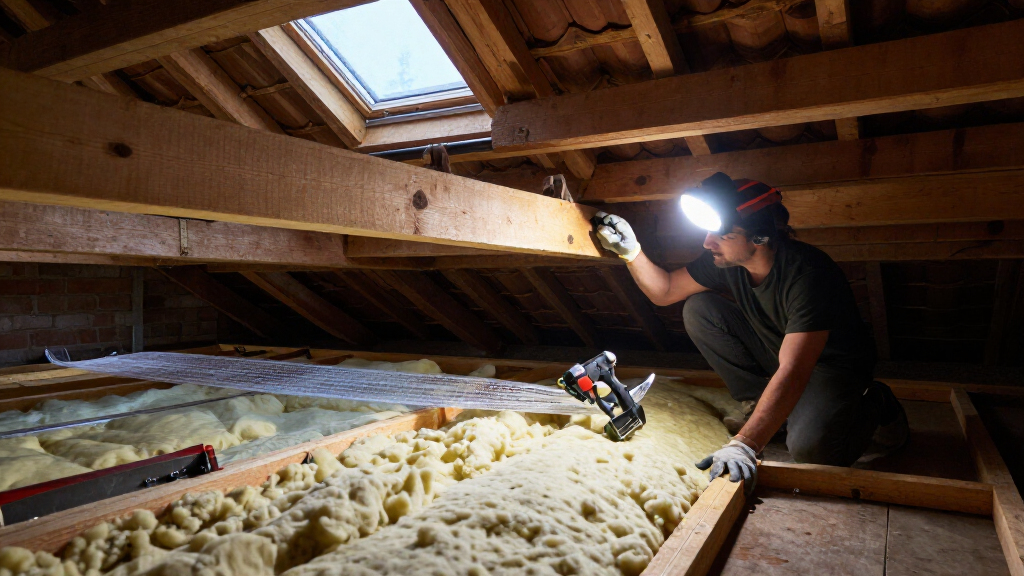
I ranked these products by how directly they address common loft pest problems: closing rodent entry gaps, applying a barrier with control, or treating an insect issue. I also considered the format and usability—such as roll material, ready-to-use foam, applicators, kit contents, and whether the product is likely to suit a small repair or a broader job. Because pest control products can have different target pests, I treated rodent barriers, repellents, and insect treatments as distinct options rather than judging them as interchangeable.
The ranking favors products that give buyers a clear, practical way to address a defined problem, with physical gap-filling options ahead of products that only repel or treat pests. Among similar choices, application convenience, kit format, and likely coverage help determine placement. I account for tradeoffs too: foams require careful placement, loose fill materials may take more hands-on fitting, and insect treatments are a poor match for a rodent-access problem. Product names and supplied descriptions are the basis for these comparisons; I do not assume unprovided performance claims or loft-specific suitability.
Factors to Consider When Choosing Best Loft Insulation Pest Control Products
Before choosing a product, identify what you are trying to fix: a route into the loft, rodent activity, or an insect problem. The right category matters more than adding several products at once, and the loft’s insulation, ventilation, and wiring can affect how a treatment should be applied.
Start With the Pest and the Entry Route
Look for signs that help distinguish a gap problem from an active infestation, such as droppings, gnawing, damaged insulation, or insect activity. A rodent barrier works on access points; it does not by itself remove animals already inside or identify every route they use. Insect treatments target different pests and should not be chosen simply because they are labeled for indoor use. Avoid buying a repellent as a substitute for sealing an obvious opening. If the pest is uncertain or activity is widespread, identify it before applying a product so treatment matches the problem.
Choose a Barrier Material That Fits the Gap
Gap size, shape, and location determine whether roll material, a fill fabric, or foam is easier to use. Flexible steel wool-style materials can be worked into irregular openings, while foam can fill deeper or awkward voids but needs controlled application. A large opening may call for a purpose-made kit or multiple materials rather than a single small roll. Do not assume foam alone is a chew-proof barrier unless the product’s instructions support that use. Fit the material snugly without blocking ventilation paths or concealing access to services.
Treat Foam as a Placement Tool, Not a Universal Fix
Dispenser design matters when a gap sits behind pipes or in a tight eave: a controlled applicator can reduce mess and help place material where intended. Multi-can packs suit jobs with many gaps, but unused product and storage requirements can complicate a small repair. Expansion can push material beyond the opening, so apply only as directed and avoid filling areas that need airflow or future access. Check compatibility with nearby insulation and building materials before use. For extensive sealing work, compare the cost of convenience against the amount of foam the job actually needs.
Separate Repelling From Exclusion and Treatment
Ultrasonic devices and scented pouches are different from physical barriers: they do not close a hole or remove a food source. Their appeal is low-contact placement, but results may depend on the setting and pest, so they are a weaker sole response to a confirmed entry route. Insecticide products have their own target pests and application directions, and should not be used as general-purpose rodent control. Combining products without checking labels can create unnecessary exposure or conflicting applications. Choose one clear strategy first, then add another only when its role is distinct.
Protect Loft Ventilation, Wiring, and Access
Lofts need airflow, and blocking eaves or ventilation openings can create moisture problems even when the goal is pest exclusion. Before filling a gap, determine whether it is an intentional vent, a service opening, or a genuine route from outdoors. Keep treatments away from wiring and other sensitive materials unless the label permits contact. Leave inspection access where you may need to check pipes, junctions, or roof spaces later. If the opening is part of a building detail you cannot identify, ask a qualified pest or building professional rather than sealing it blindly.
Match Pack Size to the Job and Maintenance Plan
A small repair may need only one roll or can, while multiple gaps across a loft can make a larger kit more practical. More material is not automatically better if it will be stored improperly or left unused. Plan to inspect repaired areas for disturbance and check whether the product instructions call for maintenance or replacement. A repellent may need ongoing attention, while a physical barrier is intended to remain in place but still merits periodic checks. Choose a format you can install safely and revisit, not just one with the biggest stated quantity.
Frequently Asked Questions
Should I use steel wool, fill fabric, or pest-block foam for a rodent gap?
Choose based on the opening’s shape and how you can access it. Roll materials and fill fabrics are easier to press into irregular gaps, while foam can be useful for voids that are hard to pack by hand. Some kits combine materials, which can help when the opening needs more than one kind of fill. Check the product directions and avoid treating foam as automatically resistant to gnawing. Do not fill ventilation openings or spaces that need service access.
Can an ultrasonic repeller replace sealing holes in my loft?
No: an ultrasonic device does not physically close an entry point. If rodents are using a known gap, exclusion is the more direct response, while a repeller is a separate approach with no barrier function. It may be considered as an additional measure, but it should not be the only plan for a confirmed route or active infestation. Check that the device is intended for the pest you are dealing with and follow its placement instructions. If activity continues, reassess entry points and seek pest-specific advice.
Are insecticide products suitable for a rodent problem in insulation?
No: insecticides and insecticide dusts are intended for insect control, not for stopping rodents from entering or nesting in insulation. A rodent problem calls for identifying access routes and choosing an appropriate exclusion or control method. Using an insect product for the wrong pest wastes effort and may introduce chemicals into a space where they are not needed. Read the label for target pests, placement limits, and precautions before any application. If you cannot identify the pest, confirm it before treating the loft.
Can I apply these products directly over loft insulation?
Do not assume every product is suitable for direct application to insulation. Product labels determine where foam, dust, sprays, or repellents may be placed, and some treatments may have restrictions around materials or occupied spaces. Keep insulation from covering vents, electrical components, or areas that need inspection. When sealing an entry point, work on the opening itself rather than spreading a product across insulation without a clear label-based reason. For uncertain materials or extensive contamination, consult a qualified professional.
When should I call a pest professional instead of using a DIY kit?
A DIY barrier is most appropriate when you can identify a limited, accessible opening and the pest problem is clear. Professional help makes more sense when there are multiple or hidden routes, repeated activity after sealing, extensive damage, or uncertainty about the pest. A specialist can also help distinguish an entry gap from a vent or building defect that should remain open. Avoid disturbing contaminated insulation or applying several treatments while the cause is unknown. Ask for advice when safe access or product placement is beyond your comfort level.
Conclusion
For most buyers focused on rodent entry gaps, my best overall choice is the Xcluder Rodent Control Fill Fabric, Large DIY Kit, which offers a practical kit format for hands-on exclusion. For a simpler, targeted repair, Alabrocon Steel Wool Mouse Barrier is my best value style of pick; buyers wanting guided dispensing should look at Great Stuff Smart Dispenser Pestblock Foam Sealant as the best for beginners. For broader sealing work, the multi-can Kraken Bond Rodent Barrier Spray Foam Sealant or BEEST FullStop kit better suits buyers who need more material and a combined approach. If your concern is insects rather than rodents, compare the Ortho, Fuse Foam, and Cimexa options by target pest and label directions. Pick the product that matches the identified problem, and skip repellers or insecticides as substitutes for a physical rodent barrier.