
The best stair building materials depend on whether you are building new stairs, replacing worn surfaces, or updating a railing. I rank the Allwood pine tread and riser set as the best overall for a straightforward wood-stair project, while the Toriexon steel stringers suit compact outdoor builds and the Yaocom red oak retrofit kit is a strong surface-upgrade option. These products serve different jobs, so comparing them means weighing structural requirements, finish, fit, and installation skill—not treating every item as a substitute. Wood can be easier to tailor to an interior, while steel stringers and iron balusters serve narrower construction or railing needs. Read on for the full breakdown and guidance on matching materials to your stairs.

Get business pricing on tools and workshop supplies
- Business-only prices and quantity discounts
- Tax-exempt purchasing
- Multiple users, one account, clear invoices
Complete the kit


Key Takeaways
- The products do different jobs. Treads and risers finish the walking surface, stringers support stair geometry, and balusters belong to the railing; the two listings titled “Building Stairs” lack enough detail to compare as specific materials.
- Allwood is the most adaptable starting point for a wood stair project because its tread-and-riser format addresses both visible horizontal and vertical surfaces, though pine may need a durable finish.
- Yaocom is aimed at renovation, not a full stair rebuild. Its red oak retrofit kit makes sense when existing stair structure is sound and the goal is a hardwood-facing upgrade.
- Toriexon’s steel stringers solve a structural layout problem for a four-step stair, but fixed step count and dimensions limit its fit compared with individually planned framing.
- Elecmate balusters are a railing component, not a stair-building substitute. Their square iron profile can refresh a guard or handrail system, but they do not provide treads, risers, or stair support.
| Elecmate Hollow Straight Iron Stair Balusters, 1/2-Inch Square, 44 Inches, Satin Black, 15-Pack |  | Best for a Decorative Railing Update | Material: Carbon steel, grade 1117 | Dimensions: 1/2-inch square | Length: 44 inches | VIEW LATEST PRICE | See Our Full Breakdown |
| Allwood Premium Pine Stair Tread and Riser Set, 54 in. |  | Best for a Paintable or Carpeted Stair Rebuild | Material: 100% slow-grown Nordic pine | Construction: Edge-glued solid pine strips; no veneer or plywood | Tread dimensions: 1 × 11.5 × 54 inches | VIEW LATEST PRICE | See Our Full Breakdown |
| Building Stairs |  | Best for Planning a Stair-Building Project | Title: Building Stairs | ASIN: 1561586536 | Product type: Book | VIEW LATEST PRICE | See Our Full Breakdown |
| Toriexon 4-Step Steel Stair Stringers, 2 Pack |  | Best for Outdoor Step Framing | Quantity: 2 stringers | Steps: 4 per stringer | Material: 14-gauge steel | VIEW LATEST PRICE | See Our Full Breakdown |
| Yaocom FAS Red Oak Solid Wood Stair Tread, 42 in, Retrofit Kit with Riser | 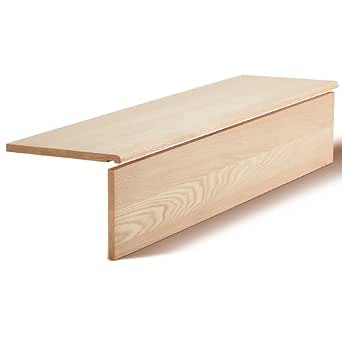 | Best for Hardwood Stair Renovations | Material: Solid red oak | Wood origin: North American | Length: 42 inches | VIEW LATEST PRICE | See Our Full Breakdown |
| Building Stairs |  | Best for Planning and Stair-Building Guidance | Product type: Professional guide to building stairs | Title: Building Stairs | ASIN: 156158892X | VIEW LATEST PRICE | See Our Full Breakdown |
| stair building material | Dimensions | Material | Finish |
|---|---|---|---|
| Elecmate Hollow Straight Iron | 1/2-inch square | Carbon steel, grade 1117 | Satin black powder coat |
| Allwood Premium Pine Stair Tre | — | 100% slow-grown Nordic pine | Factory sanded |
| Building Stairs | Not provided | — | — |
| Toriexon 4-Step Steel Stair St | 41.5 × 1.57 × 35.5 inches | 14-gauge steel | Corrosion-resistant black powder coating |
| Yaocom FAS Red Oak Solid Wood | 45.67 × 12.6 × 2.76 inches | Solid red oak | Unfinished |
| Building Stairs | Not specified in supplied product data | — | — |
More Details on Our Top Picks
Elecmate Hollow Straight Iron Stair Balusters, 1/2-Inch Square, 44 Inches, Satin Black, 15-Pack
For a staircase railing refresh, these satin black steel balusters provide a more decorative look than the structural stair parts in this roundup. Their 44-inch length can be trimmed with a metal-cutting tool, giving remodelers room to fit different railing layouts. Compared with Toriexon’s steel stringers, which support stair treads, these are specifically railing infill and do not build or reinforce the steps themselves. The hollow construction keeps them distinct from solid wood tread materials, but buyers should confirm the design and fastening approach suit their railing. The powder-coated finish offers a finished appearance, while the separate purchase of compatible shoes adds another item to plan for. This is a focused choice for updating a residential railing, not a complete stair-building kit.
Pros:- Satin black powder coat gives the railing a finished decorative look.
- 44-inch pieces can be trimmed to suit the installation.
- Carbon steel construction is intended for residential use.
- Compatible with other items in the Elecmate iron series.
Cons:- Hollow construction may not suit buyers seeking solid balusters.
- Compatible baluster shoes are sold separately.
- Requires a metal-cutting tool and accurate fitting.
Best for: Homeowners refreshing a residential railing who can trim metal balusters and want a coordinated satin-black finish.
Not ideal for: Buyers building stair treads or stringers, or anyone seeking a complete baluster-and-shoe package.
- Material:Carbon steel, grade 1117
- Dimensions:1/2-inch square
- Length:44 inches
- Shape:Straight
- Finish:Satin black powder coat
- Pack quantity:15 balusters
- Installation:Can be trimmed with a metal-cutting tool
- Compatibility:Elecmate iron series; shoes sold separately
Our verdict“Choose these when a trim-to-fit black railing update is the goal, but skip them if you need stair structure or an all-in-one baluster kit.”
Allwood Premium Pine Stair Tread and Riser Set, 54 in.
This matched solid pine tread-and-riser set is the most adaptable wood option here for a stair project where the finish is still undecided. Both pieces arrive factory sanded, and the pine can be stained, painted, or covered with carpet. Unlike Yaocom’s red oak retrofit tread, which is aimed at indoor stair renovations and needs finishing, this set supplies both a tread and a riser in a longer 54-inch size. Its edge-glued solid strips avoid veneer or plywood construction, though the two parts are not equally thick: the tread is 1 inch, while the riser is 0.5 inch. Buyers should check their stair dimensions and intended covering before cutting or installation. It is a practical blank for residential finishing, not a prefinished surface.
Pros:- Includes one tread and one riser for a coordinated replacement.
- Edge-glued solid Nordic pine contains no veneer or plywood.
- Factory-sanded surfaces are ready for further finishing.
- Can be stained, painted, or carpeted.
Cons:- The 0.5-inch riser is thinner than the 1-inch tread.
- Unfinished wood requires a chosen finish or covering.
- Residential grade may not suit projects requiring a specified higher-grade material.
Best for: DIY remodelers replacing both treads and risers who want long, unfinished pine pieces suited to paint, stain, or carpet.
Not ideal for: Buyers seeking a finished hardwood surface or a tread-and-riser set with matching thickness.
- Material:100% slow-grown Nordic pine
- Construction:Edge-glued solid pine strips; no veneer or plywood
- Tread dimensions:1 × 11.5 × 54 inches
- Riser dimensions:0.5 × 7.5 × 54 inches
- Included:One tread and one riser
- Finish:Factory sanded
- Tread weight:9 pounds
- Riser weight:5 pounds
- Grade:Residential
Our verdict“Pick this set for customizable residential stairs where both pieces need a paintable or carpet-ready wood base.”
Building Stairs
Building Stairs is the reference-oriented pick in this group rather than a physical stair component. That makes it a different kind of resource from the Allwood pine tread-and-riser set or Toriexon’s steel stringers: it offers no supplied material dimensions, construction details, or installation hardware in the product information provided here. A planning book can serve buyers who want guidance before choosing components, but the available listing data does not describe its topics, format, or level of instruction. I would treat it as a possible companion to material research, not as a substitute for verifying stair dimensions, building requirements, and product compatibility. Compared with the other entries, its value depends on information not specified in the supplied data, so buyers should confirm the book’s contents before relying on it for a build.
Pros:- Offers a reference-book option rather than another construction component.
- Can be considered during project planning alongside material choices.
- Does not commit the buyer to a particular tread or stringer material.
Cons:- The supplied product data gives no description of the book’s contents.
- No material dimensions, installation hardware, or construction specs are provided.
- Buyers cannot confirm its suitability for a specific stair project from the available details.
Best for: Readers seeking a stair-building reference to evaluate alongside material and project planning.
Not ideal for: Buyers who need physical stair materials, detailed specifications, or confirmed guidance on a particular build from the provided listing information.
- Title:Building Stairs
- ASIN:1561586536
- Product type:Book
- Material specifications:Not provided
- Dimensions:Not provided
- Installation details:Not provided
Our verdict“Consider this as a planning reference only after confirming its contents; choose a listed tread or stringer when you need a physical building material.”
Toriexon 4-Step Steel Stair Stringers, 2 Pack
These powder-coated steel stringers give a project a pre-formed frame for four-step stairs, setting them apart from the wood tread materials in this roundup. The pair includes pre-drilled mounting holes and bolts, which can simplify attachment, while the triangular frame is intended to support the steps. The stated capacity is up to 3,000 pounds, but that figure depends on tread bearing capacity and proper spacing; the manufacturer recommends bracket spacing within 48 inches. Compared with Allwood’s pine set, these stringers supply the supporting frame rather than the walking surface, so wood treads still need to be sourced separately. Their corrosion-resistant coating makes them suitable for indoor or outdoor projects, but buyers must match the span, tread material, and mounting points to the site.
Pros:- Two stringers provide a paired support frame for four steps.
- Powder-coated steel is designed for outdoor weather exposure.
- Pre-drilled mounting holes and included bolts simplify attachment.
- Triangular frame design is intended to support stair loads.
Cons:- Treads are not included and their bearing capacity affects the stated load limit.
- Support spacing should remain within 48 inches.
- The fixed four-step configuration may not fit other stair layouts.
Best for: DIY builders framing four-step indoor or outdoor stairs who want paired steel supports with mounting hardware included.
Not ideal for: Buyers who need a complete stair kit with treads, or projects whose layout cannot meet the recommended stringer spacing.
- Quantity:2 stringers
- Steps:4 per stringer
- Material:14-gauge steel
- Finish:Corrosion-resistant black powder coating
- Dimensions:41.5 × 1.57 × 35.5 inches
- Thickness:1.63 mm
- Maximum stated load capacity:Up to 3,000 pounds, subject to tread capacity and proper spacing
- Mounting:Pre-drilled holes; bolts included
- Recommended bracket spacing:Within 48 inches
Our verdict“Choose these for a four-step frame where steel supports and outdoor coating matter, provided separate treads and suitable spacing are planned.”
Yaocom FAS Red Oak Solid Wood Stair Tread, 42 in, Retrofit Kit with Riser
For indoor stair makeovers that call for visible hardwood, this unfinished solid red oak tread offers a more substantial, finishable surface than the Allwood pine set. Its North American red oak planks are glued, planed, and sanded, leaving buyers free to choose a coating that suits the room. The product is described as a retrofit kit with riser, but the supplied specifications list a pack quantity of one and do not give separate riser dimensions; confirm what is included before planning the installation. Unlike the Allwood set’s 54-inch tread-and-riser dimensions, this listing identifies a 42-inch tread and gives a separate overall dimension, so careful measurement is needed. It is designed for indoor use and requires construction adhesive and nails, plus finishing before use.
Pros:- Solid North American red oak provides a hardwood surface.
- Unfinished wood allows a custom coating or color choice.
- Designed for indoor retrofit stair renovations.
- Can be installed with construction adhesive and nails.
Cons:- Requires finishing before use.
- Installation calls for construction adhesive and nails.
- The supplied data does not clarify separate riser dimensions or kit contents.
Best for: Homeowners updating indoor stairs who want an unfinished red oak surface they can finish to match existing woodwork.
Not ideal for: Buyers needing a prefinished tread, outdoor stair material, or clearly specified separate riser dimensions without checking the package contents.
- Material:Solid red oak
- Wood origin:North American
- Length:42 inches
- Profile:3/4 inch
- Thickness:0.63 inch
- Dimensions:45.67 × 12.6 × 2.76 inches
- Finish:Unfinished
- Use:Indoor residential
- Pack quantity:1
Our verdict“Choose this for a custom-finished indoor red oak retrofit, but verify the riser contents and measurements before ordering.”
Building Stairs
Building Stairs is the only option in this lineup aimed at explaining stair construction rather than supplying a physical component. That makes it a useful starting point for a homeowner or apprentice who needs guidance before choosing treads, risers, or framing parts. Compared with the Toriexon 4-Step Steel Stair Stringers, which serve a specific stair layout, a guide can help readers think through the broader build—but the supplied product information does not describe its topics, format, or level of detail, so I can’t verify how thoroughly it covers planning or construction. It also won’t replace project-specific measurements, code requirements, or hands-on instruction. Choose it for general learning, not as a substitute for materials such as the Allwood Premium Pine Stair Tread and Riser Set or professional advice on a complex build.
Pros:- A guide format can support planning before buying physical stair components.
- Relevant to readers learning about stair construction rather than choosing only a finish material.
- Can be considered alongside specific products such as stair stringers and tread sets.
Cons:- The supplied product data gives no details about the guide’s contents or scope.
- No format, length, illustrations, or intended skill level is specified.
- It does not provide the physical materials needed to build or finish stairs.
Best for: Homeowners or woodworking beginners seeking a stair-building reference before selecting materials and planning a straightforward project.
Not ideal for: Readers who need confirmed details about code compliance, a particular stair design, or a ready-to-install stair component; the supplied product data does not establish that this guide covers those needs.
- Product type:Professional guide to building stairs
- Title:Building Stairs
- ASIN:156158892X
- Contents:Not specified in supplied product data
- Format:Not specified in supplied product data
- Dimensions:Not specified in supplied product data
Our verdict“Choose this guide if you want general stair-building reference material, but seek a more fully specified resource if your project depends on confirmed coverage or code guidance.”
How We Picked
I ranked these listings by how clearly they address a real stair project, how much useful information is available about their material and dimensions, and whether their role is structural, surfacing, or railing. Fit matters especially here: a 42-inch tread, a 54-inch tread-and-riser set, and a four-step stringer are not interchangeable, so I treated specified dimensions and intended use as decision factors rather than assuming universal compatibility.
I also weighed likely installation demands, finish and maintenance needs, and versatility for new construction versus renovation. The Allwood set leads as the broadest wood-surface option in the lineup; Yaocom follows for targeted retrofit work, and Toriexon ranks well for a clearly defined stringer application. Elecmate is useful for railing updates but serves a narrower scope. The two entries named only “Building Stairs” cannot be ranked on material performance because their product details are missing, so I flag that information gap rather than inventing specifications.
| stair building material | Finish |
|---|---|
| Elecmate Hollow Straight Iron | Satin black powder coat |
| Allwood Premium Pine Stair Tre | Factory sanded |
| Building Stairs | — |
| Toriexon 4-Step Steel Stair St | Corrosion-resistant black powder coating |
| Yaocom FAS Red Oak Solid Wood | Unfinished |
| Building Stairs | — |
Factors to Consider When Choosing Best Stair Building Materials
Before choosing a material, define what part of the stair assembly you are buying and what will remain in place. I would start with the structure and measurements, then decide how the finished stairs need to look, feel, and hold up to daily use.
1. Separate structural parts from finish materials
A stair’s stringers carry the steps, while treads and risers form the walking faces; balusters are railing components. Buying attractive treads cannot correct undersized or damaged supports, and new balusters do not make an unsafe railing structurally sound. For a new build, plan the load-bearing frame and stair geometry before choosing finish pieces. For a renovation, check whether the existing structure is solid and suitable for the added material. This distinction can prevent spending on visible upgrades while leaving the underlying problem untouched.
2. Measure the whole stair, not just one tread
Record the stair width, total rise, available run, step count, and the dimensions of each existing tread before ordering. Product widths such as 42 or 54 inches describe only one part of fit; overhang, wall clearance, and how risers meet the tread also matter. Stair geometry needs to be consistent from step to step, so do not force a prefabricated stringer into a layout with a different rise or run. Check local building rules for permitted dimensions and railing requirements before cutting material. A careful measurement plan is usually more useful than choosing a material first and hoping it can be adapted.
3. Match the material to location and exposure
Interior stairs and exposed exterior stairs face different moisture, temperature, and wear conditions. Pine offers a workable wood surface but generally needs appropriate sealing and routine finish care, while hardwood such as red oak can provide a denser finished face without solving problems in the underlying structure. Steel stringers may suit outdoor layouts, but the coating, connection hardware, and exposure conditions still affect long-term upkeep. Do not assume that a material described as wood or steel is ready for every environment. Choose a compatible finish and plan for water management where stairs are exposed.
4. Decide between a retrofit and a full rebuild
A retrofit tread kit can save demolition when the existing steps are firm, evenly spaced, and able to accept added thickness. That added layer can change the first and last step height, affect door or floor clearances, and alter how risers align. If the stair frame is loose, uneven, or damaged, covering it may hide rather than fix the issue. A rebuild takes more planning but gives greater control over the structure and dimensions. I would choose a retrofit only after checking the full flight, not just the worst-looking tread.
5. Budget for finishing and installation work
The purchase itself is only part of the project: wood may need sanding, stain or paint, and a protective coating, while metal parts need correctly sized fasteners and secure attachment points. Also account for cutting waste, edge details, nosing, and any railing work required by the project. Paying more for a material that arrives closer to the required dimensions can reduce fabrication, but it may be poor value if the dimensions do not match the stair. Beginners should favor clearly specified parts and a simple installation plan over a product that requires extensive fitting. If structural connections or code compliance are uncertain, get qualified help before building.
Frequently Asked Questions
Can I use retrofit treads if my existing stairs are uneven?
A retrofit tread does not correct uneven stair geometry by itself. Added thickness can make differences in step height more noticeable and may change the height of the top or bottom step. Check every tread and riser across the full flight, along with the condition of the supporting frame. Repair or rebuild the structure first if steps vary, flex, or show damage. A surface kit is best reserved for stairs that are already sound and consistently laid out.
How do I know whether a stair stringer kit will fit my project?
Compare the stringer’s stated step count and dimensions with the total rise and available run of your planned stair. A four-step stringer is not a general-purpose match for every four-step layout, since rise and run can differ. Confirm the intended installation location, attachment method, and required support at both ends before buying. Check local requirements for stair geometry and fastening as well. If the product listing does not provide enough measurements, get those details before relying on it for a structural build.
Should I choose pine or red oak for stair treads?
The better choice depends on whether you are building new steps or covering existing ones, as well as the look and maintenance you want. Pine tread-and-riser materials can suit a coordinated wood build and can be painted or finished, but the surface may need care to handle repeated foot traffic. Red oak is a hardwood-facing option for a retrofit project, but it does not replace a damaged stair frame. Compare actual thickness and fit as well as species. Finish both options with a surface treatment suited to the stair’s location and use.
Are stair balusters part of the stair structure?
Balusters are part of the railing or guard assembly, not the supports that carry the stair treads. They help fill the space between railing components, but their suitability depends on the railing layout, attachment points, and applicable safety rules. A square iron baluster listing should not be treated as a complete railing system unless the required rails and connections are also covered. Check the length and profile against the existing or planned railing. If the railing is loose or its structure is uncertain, address that before replacing decorative parts.
What should I do with a product listing that only says “Building Stairs”?
Treat the listing as unverified until it provides a specific material, dimensions, intended use, and installation information. The title alone does not show whether the item is a tread, stringer, railing part, or guide, so it cannot be compared reliably with the other options here. Ask for the exact product identity and technical details before planning a build around it. Confirm compatibility with your stair measurements and local requirements. If those details remain unavailable, choose a clearly specified component instead.
Conclusion
For most shoppers choosing a wood-surface starting point, I recommend the Allwood pine tread and riser set as the best overall; it covers more of the visible stair assembly than a tread-only retrofit. The best value for a defined build is the Toriexon stringer pair when its four-step layout matches the project, while the best premium surface option is Yaocom’s red oak retrofit kit for sound existing stairs. Beginners should start with clearly measured tread-and-riser materials and confirm fit before cutting; neither a stringer nor baluster listing is a complete stair solution. For a railing refresh, choose Elecmate balusters only after confirming the rail system and attachment details. I would leave both “Building Stairs” entries unranked until their actual materials and specifications are available.