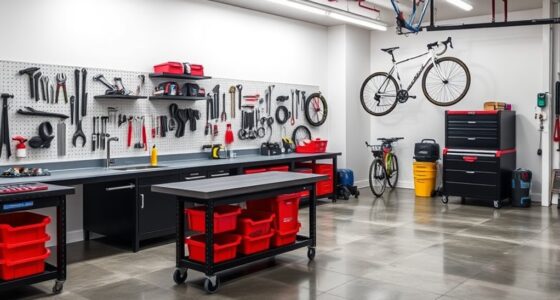
When disposing of old or broken tools, always prioritize safety by wearing gloves and eye protection, and wrapping sharp edges to prevent injuries. Consider recycling metal tools at local centers, and handle electronic components separately to prevent environmental harm. Donating reusable tools to community groups is a smart option. Follow safety guidelines at disposal sites to avoid accidents. Keep these tips in mind, and you’ll learn more about responsible disposal methods that protect both you and the environment.
Open a free Amazon Business account
Business pricing, bulk buying and tax-exempt orders.
As an affiliate, we earn on qualifying purchases.
Key Takeaways
- Inspect tools for damage, then wrap sharp edges with newspaper or cloth for safe handling and transport.
- Recycle metal tools at local centers and use e-waste programs for electronic or power tools.
- Donate usable tools to community organizations or schools to promote reuse and reduce waste.
- Follow safety guidelines at disposal sites, wearing gloves and eye protection when handling broken or rusty tools.
- Properly dispose of electronic components to prevent environmental contamination and support eco-friendly recycling practices.
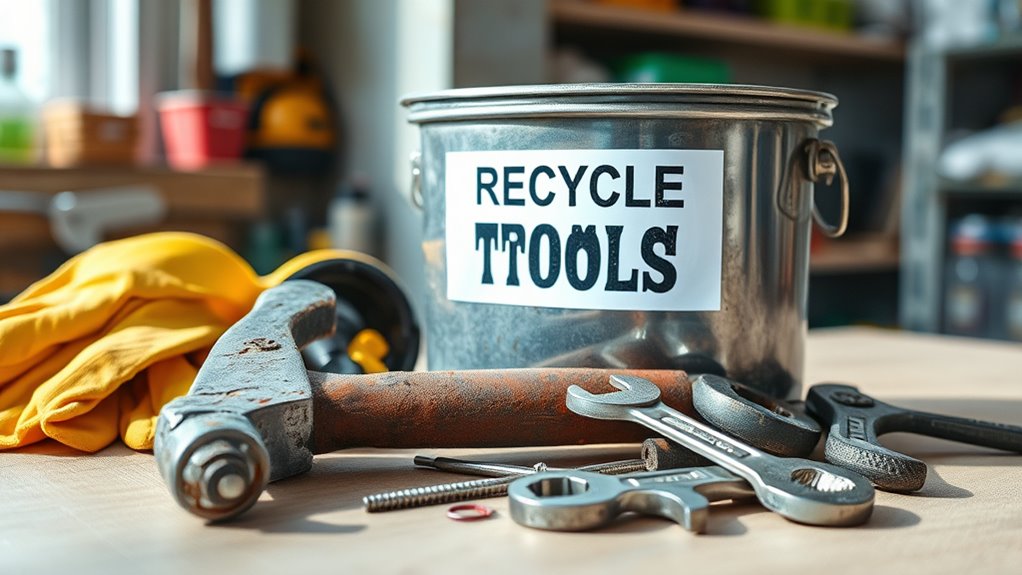
Old or broken tools can pose safety hazards and take up valuable space if not disposed of properly. Left unchecked, they can cause injuries, especially if someone unknowingly handles a rusty saw or a jagged piece of metal. To avoid accidents, it’s essential to follow proper disposal methods that prioritize safety precautions and consider recycling options whenever possible. Before you toss out any tools, inspect them carefully. If they’re sharp, rusty, or damaged, wear gloves and eye protection to prevent cuts or splinters. Handling tools safely reduces the risk of injury during disposal and ensures that you’re not exposing yourself or others to unnecessary hazards.
When it comes to recycling options, many tools can be repurposed or recycled instead of ending up in a landfill. Metal tools like hammers, screwdrivers, and wrenches are often made of recyclable steel or aluminum. Check with your local recycling center to see if they accept these items. Some centers have specific guidelines for metal tools, so cleaning them before recycling can make the process smoother. Power tools, on the other hand, require a different approach. Many contain batteries and electronic components, which need to be disposed of properly to avoid environmental contamination. Look for electronic waste recycling programs or specialized e-waste facilities in your area that accept these items. Additionally, European cloud innovation promotes environmentally responsible disposal practices for electronic waste, encouraging proper recycling and reuse methods.
If your tools are beyond repair or reuse, consider donating them to community workshops, schools, or charity organizations. Sometimes, even broken tools can be useful for parts or for training purposes. Alternatively, if recycling isn’t an option, make sure to dispose of them responsibly. Wrap sharp edges with newspaper or old cloth to prevent injuries during handling and transport. When taking tools to the disposal site, follow any posted safety precautions to avoid accidents. Always transport tools in a sturdy container to prevent dropping or puncturing, which could cause injury or environmental damage.
As an affiliate, we earn on qualifying purchases.
Frequently Asked Questions
Can I Donate Broken Tools to Charity?
You can donate broken tools to charity if they accept tool donations and have clear charity guidelines. However, most charities prefer working tools to ensure safety and usability. Before donating, check with the charity to see if they accept broken tools, or consider repairing the tools first. If they’re unusable or unsafe, recycling or proper disposal might be a better option. Always follow charity guidelines to make sure your donation helps effectively.
Are There Special Disposal Rules for Power Tools?
Disposing of power tools is like steering a maze—you need to follow electric tool regulations carefully. You should not toss them in regular trash because they contain hazardous waste components, like batteries and motors. Instead, check local hazardous waste disposal guidelines or take them to certified e-waste recycling centers. Following these special disposal rules helps protect the environment and ensures you stay compliant with safety laws.
How Do I Identify Hazardous Materials in Old Tools?
You can identify hazardous materials in old tools by inspecting labels, datasheets, and manufacturer info for chemical hazards. Look for warning symbols or phrases like “flammable,” “toxic,” or “corrosive.” If unsure, perform material identification tests or consult a professional. Recognizing chemical hazards helps you handle tools safely, avoid exposure, and dispose of them properly, ensuring your safety and environmental protection.
Is Recycling Old Hand Tools Environmentally Friendly?
Recycling old hand tools is definitely environmentally friendly, as it reduces waste, conserves resources, and minimizes environmental impact. Metal recycling, in particular, allows you to repurpose valuable materials like steel and aluminum, cutting down on mining and manufacturing emissions. By choosing recycling, you actively contribute to a greener planet, save energy, and support sustainable practices. It’s a smart way to handle old tools while protecting the environment for future generations.
Can Damaged Tools Be Repaired Instead of Disposing?
Yes, damaged tools can often be repaired instead of disposed of. You should explore tool repair options like fixing handles, sharpening blades, or replacing parts. Tool refurbishment methods, such as cleaning, lubricating, or restoring electrical components, can extend their lifespan. By choosing repair over disposal, you save money and reduce waste, making it an eco-friendly and practical decision. Always assess if repairs are feasible before deciding to discard your tools.
electronic waste recycling programs
As an affiliate, we earn on qualifying purchases.
As an affiliate, we earn on qualifying purchases.
Conclusion
Disposing of old or broken tools safely isn’t just about cleanup—it’s about protecting yourself and the environment. Did you know that over 100,000 injuries each year are caused by improper tool disposal? By following smart methods like recycling or dropping off at designated centers, you reduce hazards and help conserve resources. Take responsibility today, and turn a simple act into a positive change for your community and the planet. Your safety and the environment will thank you.
As an affiliate, we earn on qualifying purchases.
As an affiliate, we earn on qualifying purchases.
NFL season / tailgating Picks
team gear
As an affiliate, we earn on qualifying purchases.