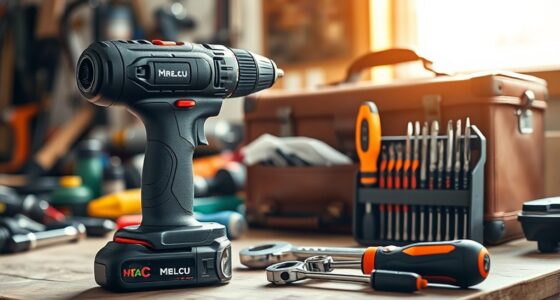

To evaluate your DIY tools, perform simple bench tests by running them continuously under typical conditions. Watch for excessive heat, unusual vibrations, or power drops, which signal potential issues. Listen for abnormal sounds and check how smoothly the tool operates. Focus on the build quality of internal parts, motor, and housing. Conducting these straightforward tests helps you identify durable, reliable tools that can handle your projects over time — keep exploring for more tips.
Key Takeaways
- Conduct continuous operation tests to assess overall power and smoothness during use.
- Monitor for overheating, unusual vibrations, or power drops under load conditions.
- Listen for abnormal sounds or noises indicating internal issues.
- Check responsiveness and ease of control during typical tasks like cutting or drilling.
- Inspect the tool’s physical build and ergonomic features to evaluate durability and user comfort.
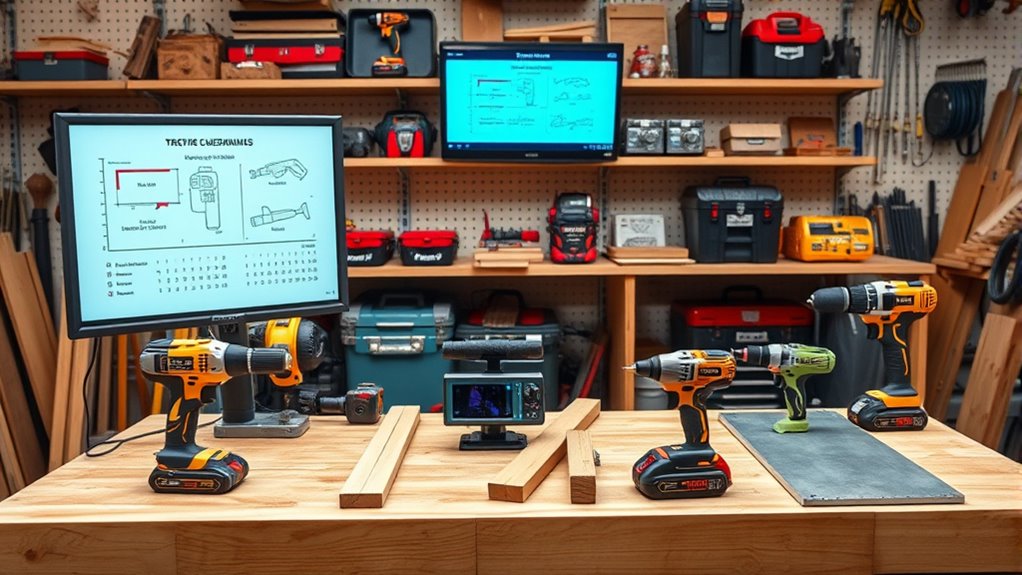
Are you wondering how to choose the best tools for your DIY projects? It’s a smart question, and the answer lies in understanding how to evaluate a tool’s performance before making a purchase. One effective way to do this is by examining power tool durability and applying simple bench testing methods. These approaches give you a clear picture of how well a tool will hold up under regular use and whether it can handle your specific tasks.
Power tool durability is vital because a tool that breaks down easily or wears out quickly will cost you more in the long run. When evaluating durability, look beyond the brand name and focus on the materials used in construction, such as the quality of the motor, housing, and internal components. During bench testing, you can simulate real-world conditions by running the tool continuously for a set period, observing how it performs under stress. For example, if you’re testing a cordless drill, run it at full torque for several minutes and check for overheating, unusual vibrations, or loss of power. These signs can indicate weaknesses in the motor or design that might lead to failure after extended use.
Evaluating power tool durability helps identify weaknesses and ensures reliable performance for your DIY projects.
Bench testing methods are straightforward but effective. You don’t need fancy equipment—just a stable work surface, some basic safety gear, and a checklist of performance indicators. Set your tool to perform a task similar to what you’d do in your projects—like cutting, drilling, or sanding—and monitor its response. How smoothly does it operate? Are there any abnormal sounds? Does it maintain consistent power? These factors help you determine if the tool is reliable and capable of delivering the results you expect over time. For safety reasons, always verify you’re testing within the manufacturer’s recommended parameters to avoid damage or injury.
Another aspect of bench testing involves checking the tool’s responsiveness and ease of use. For instance, press the trigger firmly and note if the power delivery ramps up smoothly or if there are delays or jerks. This kind of testing highlights ergonomic and control features that contribute to a positive user experience. Additionally, understanding how paint sprayers operate and their maintenance needs can be beneficial when selecting tools for finishing work, ensuring you choose equipment that complements your projects. By systematically evaluating tools in this way, you can separate high-quality, durable options from those that might fail prematurely or hinder your projects. In the end, combining insights from power tool durability assessments and bench testing methods enables you to make smarter, more informed choices, ensuring your DIY endeavors are both successful and safe.

Milescraft 1318 DrillMate Portable Drillling Guide – Precision Drilling Jig Attachment for Drilling Angled or Straight Holes, Adjustable Drill Guide Attachment, Portable Drill Press with 3/8” Chuck
- Premium Home Improvement Tools: Perfect for straight or angled…
- Sturdy Woodworking Tools: Attaches to all 3/8" &…
- Multiple Angle Settings: Angle readout for setting drilling…
As an affiliate, we earn on qualifying purchases.
As an affiliate, we earn on qualifying purchases.
Frequently Asked Questions
How Often Should I Retest My Tools for Accuracy?
You should retest your tools for accuracy at least once every six months, but calibration frequency depends on how often you use them and the precision required. Regular maintenance scheduling helps prevent errors and guarantees consistent performance. If you notice any discrepancies or your tools are subjected to heavy use, retest and recalibrate more frequently. Staying proactive keeps your tools reliable and your projects on point.
Can I Benchmark Power Tools With Household Items?
Think of benchmarking your power tools like a chef tasting their dish before serving. You can use household alternatives for DIY measurement, such as a stopwatch for run time or a ruler for depth. While these methods aren’t perfect, they give you a quick snapshot of your tool’s performance. Just remember, for precise results, specialized testing equipment is better, but household items can help you spot obvious issues.
What Safety Precautions Are Necessary During Testing?
When testing power tools, you should wear safety gear like goggles, gloves, and ear protection to stay safe. Follow proper testing protocols by keeping your hands clear of moving parts, ensuring the tool is unplugged when adjusting, and working in a well-lit, clutter-free area. Always read the manufacturer’s instructions, and never bypass safety features. These precautions help prevent accidents and ensure accurate, reliable test results.
Are There Standardized Benchmarks for Professional-Grade Tools?
Think of professional tools as athletes in a race, judged by industry standards. Yes, there are standardized benchmarks for these tools, guided by strict testing protocols. These benchmarks guarantee consistency, durability, and performance, helping you distinguish top-tier equipment. By adhering to these industry standards, manufacturers and users alike can trust that the tools will perform reliably under demanding conditions, much like elite athletes meeting rigorous performance criteria.
How Do Environmental Conditions Affect Benchmark Results?
Environmental conditions substantially impact benchmark results. Temperature effects can cause tools to perform differently; high heat may lead to overheating, while cold reduces efficiency. Humidity influence can cause corrosion or rust, weakening tool performance over time. When testing, you should control these factors or note them, as they can skew results. By understanding these influences, you guarantee more accurate assessments of your tools’ true capabilities.

Klein Tools NCVT1P Voltage Tester, Non-Contact Low Voltage Tester Pen, 50V to 1000V AC, Audible and Flashing LED Alarms, Pocket Clip
- Non-contact Voltage Detection: Detects AC voltage without contact
- Clear Visual and Audible Alerts: Green LED for power, red flashing and beeps for voltage
- Wide Voltage Range: Detects 50V to 1000V AC
As an affiliate, we earn on qualifying purchases.
As an affiliate, we earn on qualifying purchases.
Conclusion
Now that you’ve seen how simple tests reveal a tool’s true strength, you realize it’s more than just numbers—it’s about confidence and safety in your projects. While a cheap tool might seem tempting, it could cost you more in frustration or failure. Investing time in benchmarks helps you make smarter choices, turning a formidable task into a satisfying achievement. After all, a reliable tool isn’t just equipment; it’s your partner in bringing ideas to life.
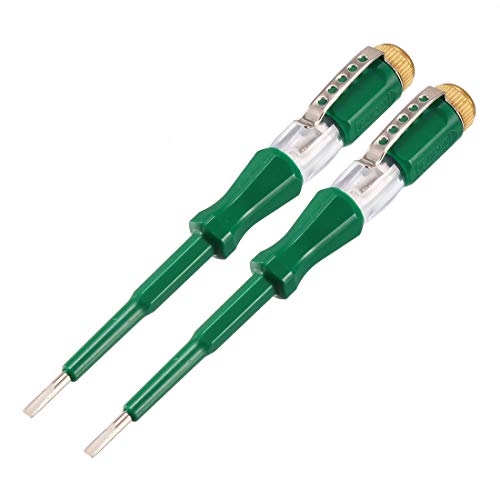
uxcell Voltage Tester AC 100-500V with 3mm Slotted Screwdriver with Clip for Circuit Test, Green, Pack of 2
- Voltage Range: AC 100-500V
- Product Size: 136 x 15mm
- Screwdriver Head Width: 3mm
As an affiliate, we earn on qualifying purchases.
As an affiliate, we earn on qualifying purchases.

ALAMENGDA DIY Pc Test Bench, Open Chassis Case Rack for ATX/M-ATX/ITX Motherboards,Widely Body Heat Dissipation Design Open Air Pc Case, SSD Motherboards Accessories (1 Pc)
- Material: High-quality 0.8mm SPCC steel with black finish
- Graphics Card Support: Supports unlimited GPU sizes based on motherboard
- Motherboard Compatibility: Supports ATX, Micro ATX, ITX up to 305x245mm
As an affiliate, we earn on qualifying purchases.
As an affiliate, we earn on qualifying purchases.