To remove stripped screws or bolts, start by trying specialized tools like rubberized grip screwdrivers or screw extractors, which grip damaged heads securely. Applying penetrating oil can ease stubborn cases. Drilling into the screw’s center with a small bit or using left-handed drill bits can help loosen or turn the screw. For tough screws, gripping with pliers or using manual extractors offers extra leverage. With these techniques and tools, you’re better equipped to tackle stubborn fasteners; stay tuned to learn more effective methods.
Key Takeaways
- Use specialized tools like screw extractors or rubberized grip screwdrivers for better grip on damaged screws.
- Drill into the screw center with a slightly smaller bit to create a pocket or new slot for removal.
- Apply penetrating oil before drilling to loosen the screw and prevent material damage.
- Grip the screw shaft with pliers or locking pliers and turn counterclockwise to extract stubborn fasteners.
- Combine techniques such as drilling, extraction tools, and mechanical leverage for difficult or severely damaged screws.
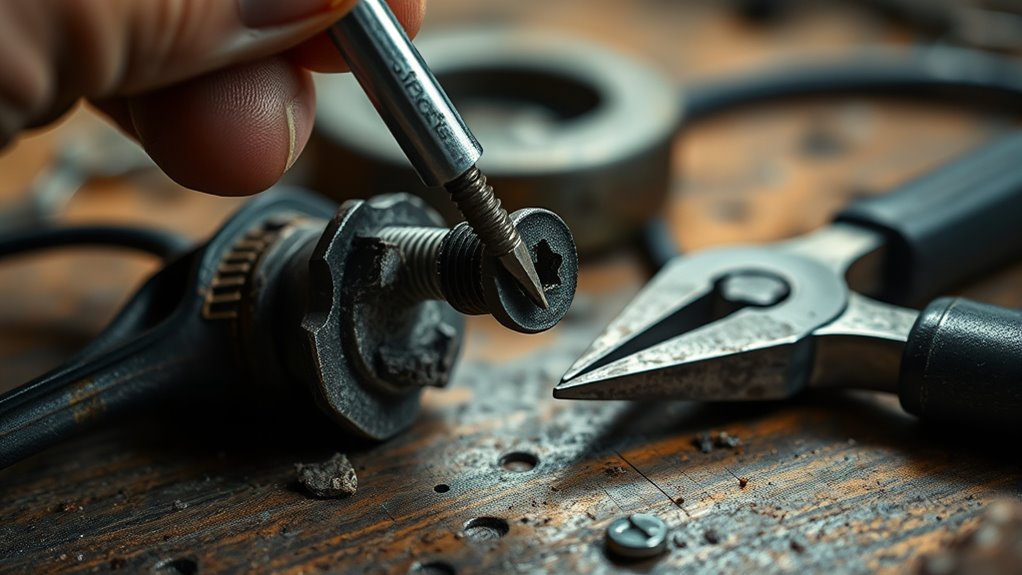
Stripped screws or bolts can be frustrating when you’re trying to complete a project, but removing them doesn’t have to be impossible. When the head of a screw or bolt becomes rounded or worn down, standard screwdrivers often slip, making extraction a challenge. However, there are effective strategies and tools you can use to tackle this problem. One approach is to try alternative screwdrivers. These tools are designed specifically for stripped screws, such as rubberized grip screwdrivers or screw extractors. Rubberized grip screwdrivers have textured or rubberized tips that grip the screw head more securely, reducing slippage. Screw extractors, on the other hand, are specialized tools that bite into the damaged screw, allowing you to turn and remove it with a wrench or pliers.
Use rubberized screwdrivers or screw extractors to safely remove stubborn, stripped screws with better grip and control.
Another technique involves utilizing drill bit techniques to remove the screw. First, select a drill bit slightly smaller than the screw head or the damaged area. Drill into the center of the screw head with steady pressure, creating a small indentation or pocket. This process can sometimes loosen the grip of the screw or help in creating a new slot for a flat-head screwdriver. For screws with a Phillips head, you can also try applying a small amount of penetrating oil and then using a drill with a flat-head bit to carefully turn the screw out. Be cautious not to drill too deep or damage surrounding material.
Using a drill bit as a screw removal tool is especially handy when the screw head is stripped beyond use. You can also consider using a left-handed drill bit, which is designed to turn counterclockwise. These bits can sometimes grip the screw and unscrew it as you drill into it. This method works well if the screw isn’t stuck too tightly. If the screw is particularly stubborn, you might also try using a manual screw extractor kit, which includes bits and sleeves designed to grip and turn damaged screws.
In some cases, applying a bit of force with a pair of pliers or locking pliers can help grip the screw shaft directly if the head is too damaged to turn with a screwdriver. Carefully twist counterclockwise while applying steady pressure, and this often provides enough leverage to loosen the screw. No matter which technique you choose, patience is key. Approaching the problem with the right tools and methods increases your chances of success and saves you from damaging your project or surrounding materials.
Additionally, using a high-quality drill with adjustable torque settings can prevent stripping screws in the first place, making future projects smoother.

Damaged Screw Extractor Set,Christmas Stocking Stuffers for Adults Men Him
- Universal Compatibility: Works with all drill sizes (3-12mm)
- Ideal Gift Choice: Perfect stocking stuffer for men and women
- Premium Material: Made from high-speed steel for durability
As an affiliate, we earn on qualifying purchases.
As an affiliate, we earn on qualifying purchases.
Frequently Asked Questions
Can I Prevent Stripped Screws During Installation?
Yes, you can prevent stripped screws during installation. Make sure you use a screwdriver with a firm grip to avoid slippage. Additionally, applying pre-drilling techniques helps create a precise hole, reducing the chance of the screw slipping or stripping. Take your time, use the right size screwdriver, and ensure your tools are in good condition. These steps help you drive screws securely without damaging them.
Are There Safety Precautions When Removing Stripped Screws?
A stitch in time saves nine, so always prioritize safety when removing stripped screws. Make sure you wear safety gear like gloves and eye protection to avoid injury. Use the proper technique, such as applying steady pressure with the right tools, and work in a well-lit area. If a screw is stubborn, don’t force it—take your time to prevent slips or damage. Safety always comes first!
What Is the Best Way to Handle Rusted or Corroded Screws?
To handle rusted or corroded screws, start with rust removal using penetrating oil like WD-40 and let it sit for a few minutes. Use a screwdriver or pliers to turn the screw gently, applying steady pressure. After removal, clean the area and apply corrosion prevention measures like a rust-inhibiting spray or paint. Regular maintenance helps prevent future rust buildup and extends the screw’s lifespan.
Can Power Tools Damage Surrounding Materials?
You might accidentally cause surrounding damage with power tools if you’re not careful, as power tool risks include overzealous use or improper technique. When you’re removing stripped screws, it’s tempting to go full force, but that can weaken or crack nearby materials. Always control your speed, use the right bits, and apply gentle pressure to minimize the risk of damaging surrounding surfaces. Stay cautious, and you’ll avoid costly repairs.
How Do I Choose the Right Tool for Different Screw Types?
To select the right tool for different screw types, start with screwdriver selection that matches the screw head—Phillips, flathead, Torx, or others. Guarantee bit compatibility by choosing a bit that fits snugly in the screw head without slipping. Use a magnetic or quick-change handle for convenience. This way, you can work efficiently and avoid damaging the screw or surrounding material, making your task easier and more effective.

Solder-It – ScrewGrab Friction Gel – Helps Grip Damaged Screw Heads – 0.5 fl. Oz
- Fastly Extracts Stripped Screws: Works on minimally damaged screw heads
- Mess-Free, Quick Drying Formula: Dries instantly and wipes clean
- Easy Application: Apply a small amount to screw head
As an affiliate, we earn on qualifying purchases.
As an affiliate, we earn on qualifying purchases.
Conclusion
Don’t let a stripped screw or bolt ruin your project. With the right tools and techniques, you can tackle even the toughest cases. Some might think it’s too complicated or time-consuming, but once you try these methods, you’ll see it’s straightforward and saves you money. Just stay patient and persistent—you’ll be able to remove those stubborn fasteners and move forward with confidence, no matter how tricky they seem at first.
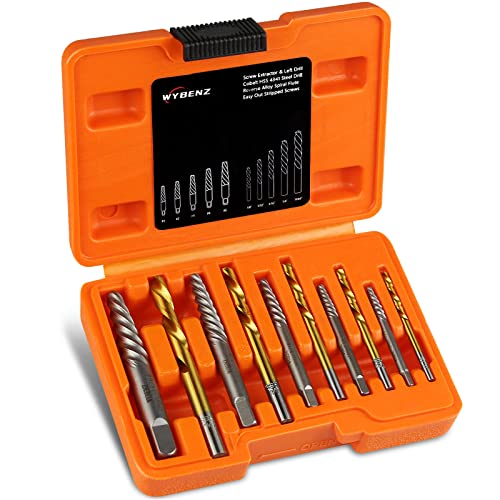
14Pcs Screw Extractor and Left Hand Drill Bits Set, Easy Out Screw Extractor Set, Broken Bolt Extractor Kit Bolt Remover, Reverse Cobalt HSS Steel Drill Bit for Remove Stripped Screws and Broken Bolts
- Time-Saving Broken Bolt Removal: Easily removes stuck, broken, or damaged screws and bolts
- Innovative 135° Design: Facilitates easier cutting with less resistance
- Enhanced Cutting Performance: Increases working length and reduces damage risk
As an affiliate, we earn on qualifying purchases.
As an affiliate, we earn on qualifying purchases.

12 PCS Manual Impact Driver, S2 Alloy Steel Impact Driver Bit Set, Broken Bolt Extractor Set, Rust Screw Extractor, Impact Screwdriver for Dismantling the Old Screws (12PCS)
- Complete Impact Driver Set: Includes handle, coupling head, and 10 drill bits
- Eases Frozen and Rusted Screws: Ideal for loosening rusted nuts and bolts
- Portable Storage Case: Organizes tools for easy access
As an affiliate, we earn on qualifying purchases.
As an affiliate, we earn on qualifying purchases.