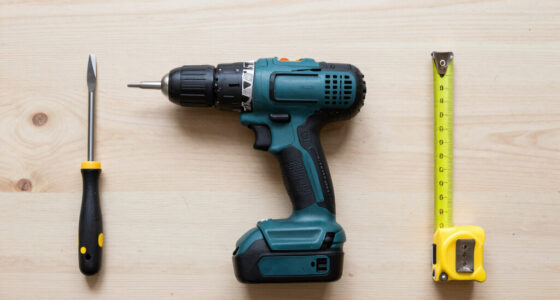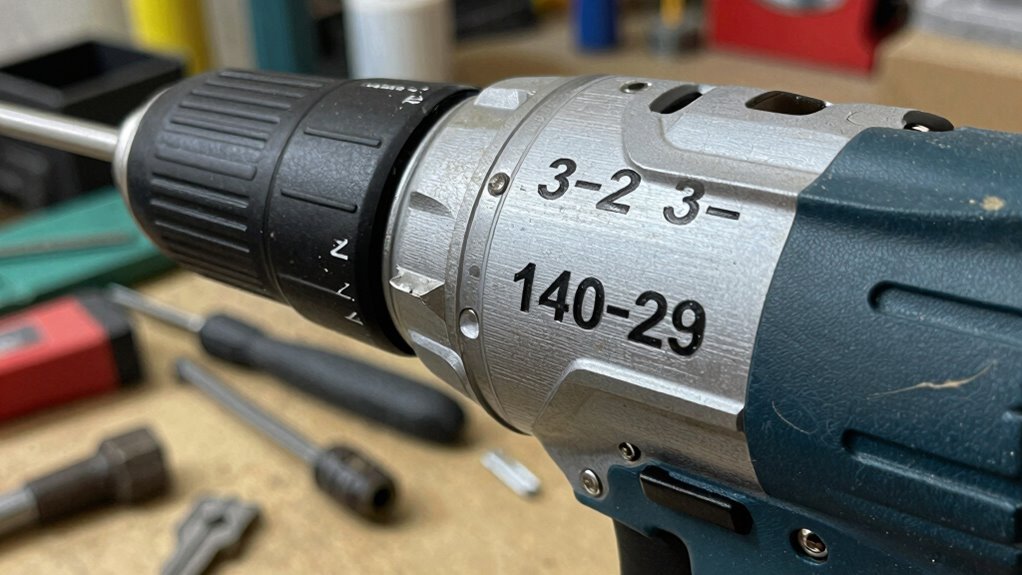

Power tool amperage shows you the potential strength and how much current the tool draws during use, which helps gauge its capability for tough tasks. Higher amps usually mean more power and better performance, especially in corded models. However, amperage alone doesn’t tell the whole story—motor design and efficiency also matter. To choose the right tool and stay safe, it’s essential to understand how these factors work together. Keep exploring to learn what else impacts power tool performance.

Get business pricing on tools and workshop supplies
- Business-only prices and quantity discounts
- Tax-exempt purchasing
- Multiple users, one account, clear invoices
Key Takeaways
- Amperage indicates the electric current a tool draws, reflecting its potential power and ability to handle tough tasks.
- Higher amps generally mean more strength but don’t guarantee better performance without considering motor design.
- In cordless tools, amperage relates to battery capacity and compatibility, impacting power output and safety.
- Amperage alone doesn’t determine overall tool effectiveness; factors like motor efficiency and design also matter.
- Understanding amperage helps ensure safe operation and proper tool selection for specific applications.
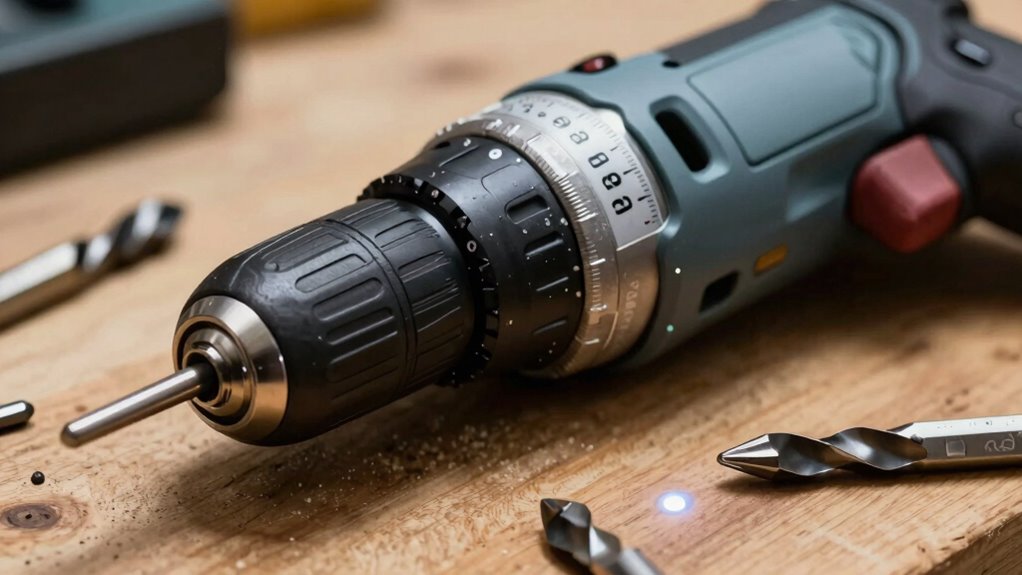
Have you ever wondered how the amperage of a power tool affects its performance? Amperage, or amps, measures the electrical current a tool draws during operation. It’s often misunderstood, but understanding what it really indicates can help you choose the right tool for your needs. When you see a power tool’s amperage rating, it’s a good indicator of its power potential, especially for corded models. Higher amperage usually means the tool can handle tougher tasks and deliver more consistent performance. However, it’s vital to remember that amperage alone doesn’t tell the whole story. Factors like motor design, efficiency, and intended use also play a role in how well a tool performs.
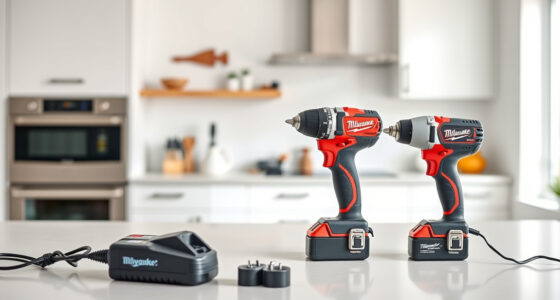
If you’re working with cordless tools, amperage becomes a bit more nuanced because it’s closely related to battery compatibility. Instead of amps, you might see measurements like voltage, which directly impact the tool’s power output. When selecting a battery for your cordless tool, it’s essential to match the battery’s voltage and capacity with the manufacturer’s specifications. Using an incompatible battery can lead to poor performance or even damage the tool. Always check the recommended battery compatibility before making a swap, and avoid trying to force a different battery into the slot. Proper matching guarantees your tool operates safely and efficiently. Additionally, understanding power supply compatibility can help prevent potential issues with your tools.
Safety precautions are vital when dealing with power tools, especially those with higher amperage ratings. Higher amps mean more power, which can increase the risk of accidents if you’re not careful. Always wear appropriate personal protective equipment—gloves, goggles, ear protection—and verify you’re working in a safe environment. Before plugging in or turning on a tool, inspect the cord and plug for any damage. Avoid overloading outlets or extension cords, as this can cause overheating or electrical fires. During use, maintain a firm grip and avoid forcing the tool beyond its capabilities, which can lead to loss of control or injury. Proper handling and adherence to safety protocols also help prevent electrical hazards, and understanding power tool amperage can help you select the right tool for the task at hand.
corded power drill with high amperage
As an affiliate, we earn on qualifying purchases.
As an affiliate, we earn on qualifying purchases.
Frequently Asked Questions
How Does Amperage Affect Tool Weight and Size?
Higher amperage typically means a heavier and larger power tool, affecting your comfort and usability. When choosing tools, consider battery compatibility to balance power and weight. A more powerful motor might require a bigger, more robust battery, impacting ergonomic design. While increased amperage offers more torque and efficiency, it can make tools cumbersome, so prioritize models that balance power with manageable weight for easier handling during prolonged use.
Is Higher Amperage Always Better for Heavy-Duty Tasks?
Imagine wielding a powerful, reliable tool as you tackle heavy-duty tasks—you might think higher amperage always means better, but that’s not true. While it offers more punch, it also demands compatible batteries and ergonomic design for comfort. Using a tool with the right amperage guarantees efficiency without sacrificing control. Remember, the best choice balances power with battery compatibility and ease of use, making tough jobs manageable and less tiring.
Can Amperage Ratings Change With Different Battery Types?
Amperage ratings can change with different battery types because of battery compatibility and design differences. You might notice variations in amperage consistency depending on whether you’re using lithium-ion or NiCad batteries, for instance. Always check your tool’s specifications and confirm the battery is compatible. This way, you maintain peak performance and safety, preventing potential damage caused by mismatched batteries that can affect amperage output.
How Safe Is Using Tools With High Amperage?
Using tools with high amperage isn’t inherently unsafe if you follow safety precautions. High amperage tools can handle tougher jobs, but always wear protective gear and keep your workspace clear. Don’t fall for amperage myths that suggest higher amps always mean more danger—proper use and maintenance are key. Understand your tool’s specifications, and respect its power to prevent accidents. Safety is about awareness, not just the tool’s amperage rating.
Does Amperage Influence Tool Lifespan or Durability?
Higher amperage doesn’t directly affect your tool’s lifespan or durability, but it can influence power efficiency and battery compatibility. A tool with higher amperage may draw more power, potentially stressing batteries if they’re not compatible or rated for that load. Over time, this can lead to quicker wear if the tool isn’t matched with appropriate batteries. To maximize durability, choose tools with suitable amperage ratings and verify your batteries are compatible and high quality.
As an affiliate, we earn on qualifying purchases.
Conclusion
Understanding a power tool’s amperage isn’t just about numbers; it’s about revealing its true potential. Think of amperage as the heartbeat of your tool—more amps mean more power to bring your ideas to life. Don’t be fooled by the surface; dig deeper, and you’ll find the strength that turns your projects from simple tasks into masterpieces. After all, in the symphony of craftsmanship, amperage is the rhythm that drives your success.
As an affiliate, we earn on qualifying purchases.
As an affiliate, we earn on qualifying purchases.
Halloween Picks
halloween
As an affiliate, we earn on qualifying purchases.