
A good compressed air layout in your garage is vital because it keeps airflow efficient, safe, and organized. Proper routing avoids sharp bends and secures hoses to prevent tripping or damage. It also helps prevent pressure drops that can reduce tool performance. Following safety protocols and maintaining your system guarantees longevity and safety. If you want to learn more about creating a safe, effective garage setup, keep exploring these essential tips.
Key Takeaways
- Proper layout ensures efficient airflow, reducing pressure drops and improving tool performance.
- Organized routing minimizes tripping hazards and keeps the workspace safe and accessible.
- Correct positioning prevents hose wear and tear, extending equipment lifespan.
- Safe routing and secure fittings reduce the risk of leaks and system damage.
- An optimized layout enhances overall safety, productivity, and ease of maintenance.
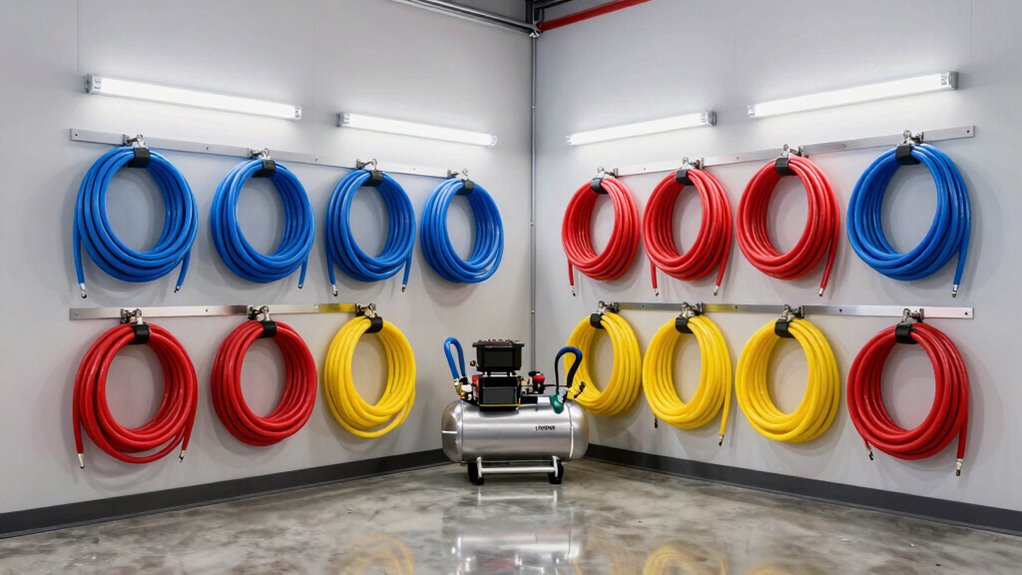
Are you wondering how to efficiently set up a compressed air system in your garage? The key to a smooth operation lies in planning your compressed air layout carefully. Proper hose routing ensures that air flows seamlessly from the compressor to your tools without unnecessary kinks or tangles. When you’re designing your system, think about the most direct paths for your hoses, avoiding sharp bends that can reduce airflow and cause pressure drops. Keep the hoses elevated or secured along walls and ceilings to prevent tripping hazards, and use quick-connect fittings for easy access and quick setup. Proper hose routing not only improves efficiency but also extends the lifespan of your hoses and tools by reducing wear and tear.
Equally important are the safety protocols you follow during installation and operation. Working with compressed air can be dangerous if you don’t take precautions. Always wear safety goggles and gloves when connecting or disconnecting hoses, and double-check that fittings are secure before turning on the compressor. Make sure your garage has adequate ventilation because compressed air can cause dust or debris to become airborne, which could harm your lungs or eyes. Installing a pressure regulator and safety valves is essential—they prevent over-pressurization that could lead to hose bursts or equipment failure. Regularly inspect hoses and fittings for cracks, leaks, or damage, and replace any worn-out parts immediately. Never point a compressed air hose at yourself or others, and avoid using compressed air to clean clothes or skin because high-pressure air can cause serious injuries. Additionally, following proper hose routing techniques can help maintain optimal airflow and prevent accidental damage. Understanding system pressure is also crucial to ensure your tools operate efficiently without risking damage. Implementing a clear maintenance routine can further keep your system running smoothly and safely.
A well-planned compressed air layout enhances safety and efficiency by minimizing hazards and maximizing airflow. Proper hose routing keeps your workspace organized and free of obstructions, preventing accidents and ensuring quick access to tools. It also reduces the risk of damage to hoses and equipment, which can lead to costly repairs or downtime. Following safety protocols, such as wearing protective gear, using proper fittings, and performing regular inspections, keeps you safe from potential injuries. When you combine thoughtful hose routing with diligent safety practices, you create a reliable system that meets your needs while prioritizing safety. This not only improves your productivity but also gives you peace of mind, knowing your garage setup is secure and efficient. Ultimately, paying attention to your compressed air layout makes your projects safer, easier, and more enjoyable.

VEVOR Retractable Air Hose Reel 3/8 IN x 50 FT Hybrid Air Hose Max 300PSI
- Strong Hybrid Hose: 300 PSI, 50 ft, all-weather flexible
- Auto Rewind Mechanism: Smooth retraction, kink-free, adjustable stopper
- Versatile Mounting: 180° swivel bracket for ceiling, wall, or floor
As an affiliate, we earn on qualifying purchases.
As an affiliate, we earn on qualifying purchases.
Frequently Asked Questions
How Often Should I Inspect My Compressed Air System?
You should inspect your compressed air system at least monthly to guarantee peak performance. Regular maintenance schedules help catch leaks, corrosion, or other issues early, maintaining system efficiency. Check for moisture buildup, worn belts, and proper pressure levels. Consistent inspections prevent costly breakdowns and keep your garage’s compressed air system running smoothly, saving you time and money in the long run. Prioritize these checks to sustain maximum system performance.
What Safety Precautions Are Needed for Compressed Air Systems?
You need to follow safety regulations and establish clear emergency procedures when working with compressed air systems. Always wear appropriate protective gear, like safety goggles and ear protection. Regularly inspect hoses and fittings for leaks or damage, and guarantee pressure regulators are functioning correctly. Keep emergency shut-off valves accessible and train yourself on their use. These precautions minimize risks of injuries from high-pressure air, ensuring a safer workspace.
Can I Install a Compressed Air System Myself?
You can try a DIY installation, but it’s like walking a tightrope—there’s a lot that can go wrong. If you’re handy with tools and understand plumbing, you might handle system customization and setup. However, for safety and efficiency, it’s best to consult or hire a professional. Proper installation guarantees your compressed air system operates safely, reliably, and lasts longer, saving you headaches and costs down the road.
How Does Air Quality Affect Garage Tools and Equipment?
Poor air quality can seriously harm your garage tools and equipment. When you neglect air filtration and moisture control, moisture can cause rust and corrosion, reducing tool longevity. Contaminants like dust and debris can clog and damage delicate components. To protect your tools, make sure your compressed air system includes proper filtration and moisture control measures. This keeps the air clean and dry, extending the life and performance of your garage tools and equipment.
What Is the Typical Lifespan of a Compressed Air Layout System?
Your compressed air layout system typically lasts 10 to 15 years with proper care. Think of it as a sturdy bridge; its durability depends on regular maintenance and attention. When you keep components clean, check for leaks, and replace worn parts promptly, you extend its lifespan. Neglecting maintenance, however, diminishes its durability, making your system more prone to breakdowns. Staying proactive ensures your air system remains a reliable workhorse for years to come.

10 PCS Brass 1/4 Inch NPT Male Industrial Air Hose Quick Connect Air Hose Fittings, Air Compressor Fittings, M-Style Air Coupler and Plug Kit for Air Compressor, Pneumatic Tools
- Complete 10-Piece Plug Kit: Includes ten quick-connect fittings for multiple tools
- Durable Brass Construction: High-quality brass resists rust and corrosion
- Industrial-Grade Quick Connect: Standard I/M style for easy, one-handed use
As an affiliate, we earn on qualifying purchases.
As an affiliate, we earn on qualifying purchases.
Conclusion
A well-planned compressed air layout makes your garage work smoother and safer. Sure, some might think it’s just extra effort, but trust me, the convenience and efficiency you’ll gain are worth it. When everything’s in the right place, you’ll save time and avoid frustrating leaks or damage. So don’t skip the planning stage—your future self will thank you for a cleaner, more reliable setup that keeps your projects running without a hitch.

SNS Air Compressor Pressure Regulator With Bracket and Gauge Female Thread 1/4 NPT 0-150 PSI Adjustable AR2000-N02
- Thread Size: 1/4 NPT female thread
- Flow Rate: 19.4 SCFM (550 L/min)
- Temperature Range: 5~60℃ (41-140℉)
As an affiliate, we earn on qualifying purchases.
As an affiliate, we earn on qualifying purchases.
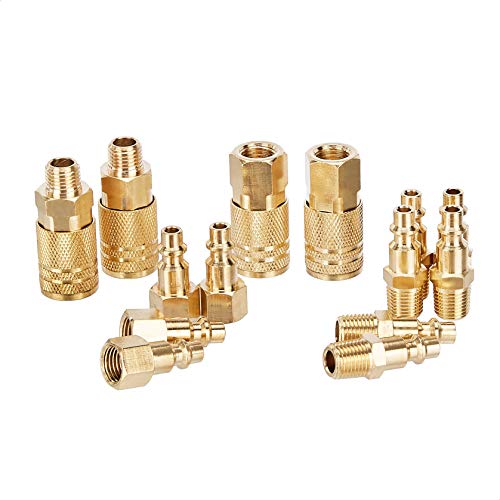
Amazon Basics Quick Connect Brass Air Coupler and Plug Kit, 1/4-Inch NPT Fittings, Air Compressor Accessories, 14 Count
- Material: Brass for durability
- Compatibility: Fits 1/4-Inch NPT air compressors
- Includes: 14-piece quick connect kit
As an affiliate, we earn on qualifying purchases.
As an affiliate, we earn on qualifying purchases.