When choosing welding gloves for shop work, focus on materials like leather or Kevlar for durability and heat resistance. They should fit snugly without restricting movement and feature ergonomic designs for comfort. Look for gloves with layered heat-resistant fabrics and reinforced protection against sparks and burns. Flexibility and dexterity are key, so balance safety with maneuverability. To guarantee you get the right pair, keep these features in mind—there’s more to discover that can boost your safety and performance.
Open a free Amazon Business account
Business pricing, bulk buying and tax-exempt orders.
As an affiliate, we earn on qualifying purchases.
Key Takeaways
- Ensure gloves are made from heat-resistant materials like leather, Kevlar, or aluminized fabrics for maximum protection.
- Choose gloves with ergonomic design features, such as pre-curved fingers and soft linings, for improved comfort and dexterity.
- Verify proper sizing to prevent slipping, bunching, and ensure a secure, snug fit during use.
- Prioritize gloves that balance flexibility and durability, allowing precise handling and long-term wear.
- Look for additional safety features like layered protection against sparks, molten metal, and burns.
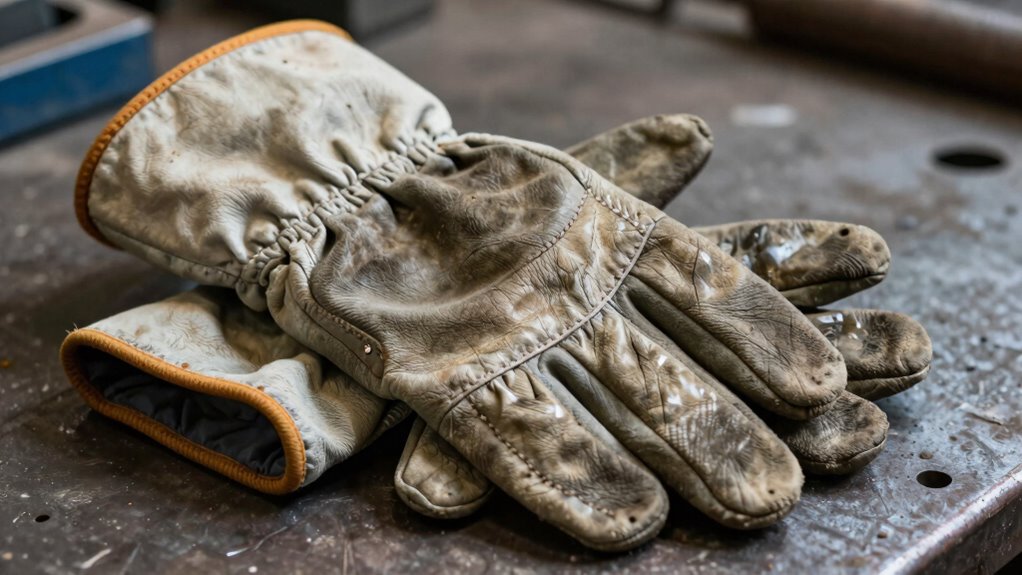
Welding gloves are essential for ensuring safety and comfort during shop work, protecting your hands from heat, sparks, and potential burns. When choosing the right gloves, you want to prioritize effective hand protection that can withstand the intense conditions of welding. The materials used in the gloves play an integral role in their durability, flexibility, and heat resistance. You’ll find gloves made from a variety of materials, each offering different benefits depending on your specific needs. Leather, especially cowhide or goatskin, is a popular choice because it provides excellent heat resistance, durability, and abrasion resistance. It also offers a good balance of flexibility and protection, so you can maneuver tools comfortably without sacrificing safety. For tasks requiring even higher heat resistance, you might consider gloves with additional layers of heat-resistant materials, such as Kevlar or heat-resistant aluminized fabrics, which can provide extra protection against sparks and molten metal splashes. Ensuring the gloves are made with proper heat-resistant materials is crucial for maximum safety in welding environments. Additionally, selecting gloves with appropriate material combinations can improve both safety and functionality. Comfort is another key factor. When you wear welding gloves, you want them to fit snugly without feeling restrictive. Heavy gloves might offer better protection but can limit your dexterity, making delicate tasks more difficult. Look for gloves that are designed with ergonomic features, like pre-curved fingers or softer linings, to help you maintain good grip and control. The lining materials also affect comfort and thermal insulation. Cotton or fleece linings can keep your hands warm and comfortable during long shifts, but they shouldn’t compromise the glove’s ability to resist heat or sparks. Some gloves incorporate a combination of materials that provide both insulation and flexibility. Choosing gloves with ergonomic design features can enhance comfort and reduce hand fatigue during extended use. In addition, proper fit and sizing are critical to prevent gloves from slipping or bunching up during work, which can compromise safety.
As an affiliate, we earn on qualifying purchases.
Frequently Asked Questions
Are Natural or Synthetic Materials Better for Welding Gloves?
Natural materials like leather are better for welding gloves because they offer superior material durability and withstand high heat better than synthetic options. They also provide better comfort and fit, allowing you to move freely while protecting your hands. Synthetic gloves may be cheaper and more flexible, but they often lack the heat resistance and durability needed for heavy-duty welding tasks. Prioritize natural materials for safer, more reliable protection.
How Often Should Welding Gloves Be Replaced for Safety?
You should replace your welding gloves every 3 to 6 months, depending on glove durability and usage. Studies show that over time, gloves can develop small holes or frayed seams, reducing protection. Regular replacement guarantees safe handling of high heat and sparks. Pay attention to signs of wear, and don’t wait too long—timely updates prevent injuries and maintain maximum safety in your shop.
Do Welding Gloves Provide Heat Resistance Against Molten Metal?
Welding gloves do provide heat resistance against molten metal, thanks to their design with heat insulation materials. They are crafted to withstand high temperatures and protect your hands from sparks, splatter, and molten metal. Look for gloves specifically rated for molten metal resistance, as they offer superior protection. Always choose gloves with proper heat insulation to guarantee safety during welding, especially when working with intense heat sources.
Can Welding Gloves Be Used for Other Industrial Tasks?
Yes, welding gloves can be used for other industrial tasks, especially if they’re designed as multi-purpose PPE. They offer good dexterity and grip, making them suitable for grinding, metalworking, or handling hot materials. Just make certain they provide adequate protection for the specific task. While welding gloves excel in heat resistance, check if they meet safety standards for other tasks to stay protected and efficient.
What Sizes Are Available for Welding Gloves?
Think of glove sizes like a handshake — they should fit perfectly to keep you in control. Welding gloves come in a range of sizes to suit different hand shapes, from small to extra-large. When choosing, consider fit and comfort considerations, ensuring they’re snug but not tight. Proper sizing improves dexterity and safety, so always check the glove size options and try them on to find your ideal fit.
As an affiliate, we earn on qualifying purchases.
Conclusion
Choosing the right welding gloves is like selecting a trusted shield in your forge of creation. They stand between you and the fiery embrace of sparks, symbolizing safety and confidence. When you pick gloves that fit well, resist heat, and offer durability, you’re forging a bond with your craft—one built on protection and precision. Remember, your gloves are more than gear; they’re the steady hand guiding your work through every spark and flame.
ergonomic welding gloves for shop use
As an affiliate, we earn on qualifying purchases.
As an affiliate, we earn on qualifying purchases.
As an affiliate, we earn on qualifying purchases.
NFL season / tailgating Picks
team gear
As an affiliate, we earn on qualifying purchases.