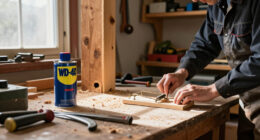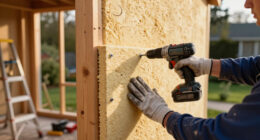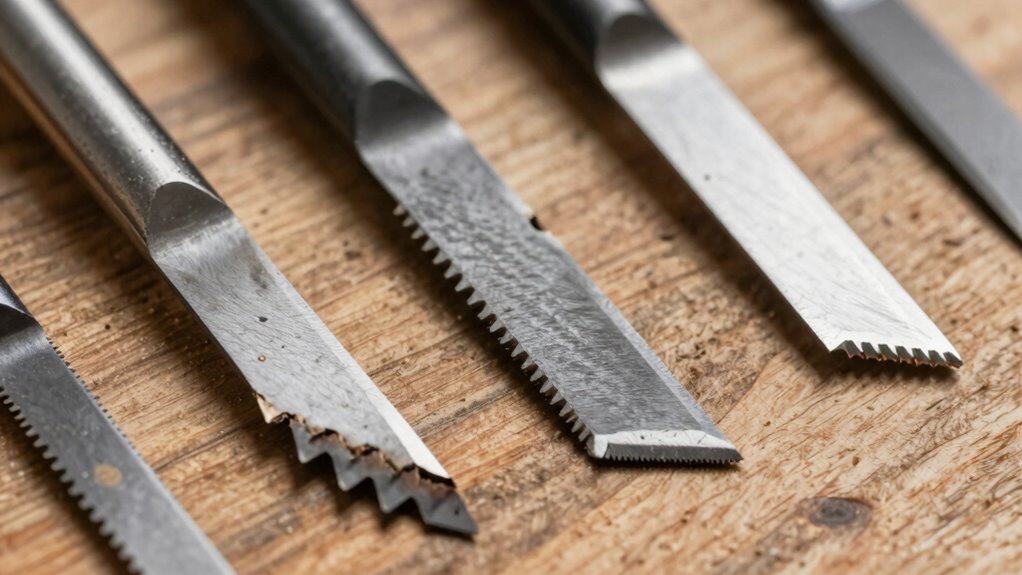

Your oscillating tool blades wear differently because their lifespan depends on factors like blade material, cutting speed, and the type of material you’re cutting. Harder materials cause blades to dull faster, especially if you’re using the wrong blade type. Operating at high speeds and improper technique also accelerate wear through heat and friction. To get the most out of your blades, choose the right material and use proper handling—keep exploring to learn how to optimize blade life effectively.

Get business pricing on tools and workshop supplies
- Business-only prices and quantity discounts
- Tax-exempt purchasing
- Multiple users, one account, clear invoices
Key Takeaways
- Different blade materials have unique wear properties affecting their durability during use.
- Cutting speed influences heat and friction, causing variations in blade wear rates.
- Harder materials accelerate blade wear, especially if the blade material isn’t suited for the task.
- Proper technique and handling ensure even wear and prevent premature blade deterioration.
- Operating parameters like cutting speed and material type directly impact how quickly blades wear out.
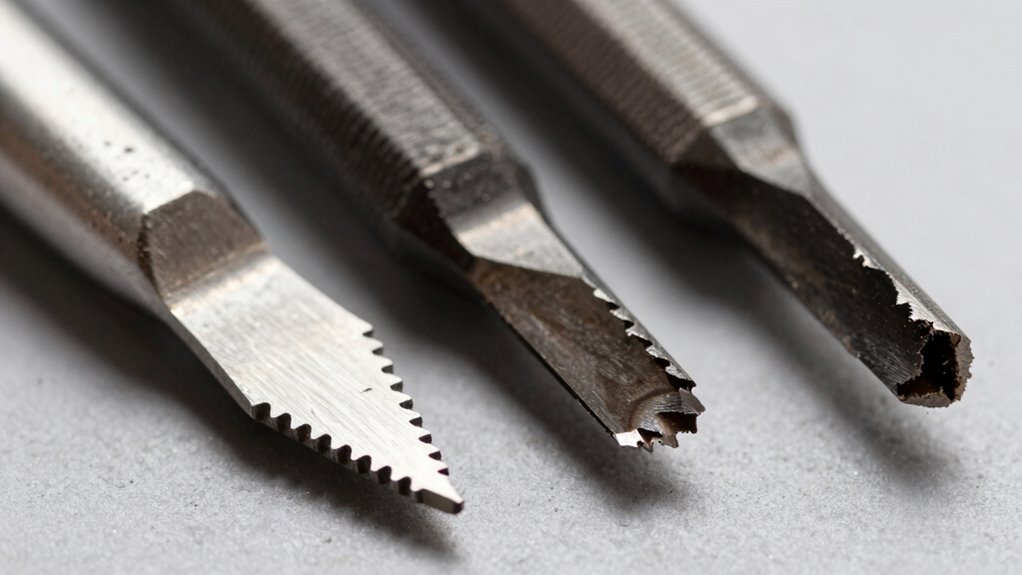
When using oscillating tools, you’ll notice that the blades don’t wear out equally, which can impact your project’s efficiency and blade longevity. This uneven wear often surprises even seasoned DIYers, but understanding why it happens helps you make smarter choices. One of the main factors influencing blade wear is the blade material. Different materials, such as high-speed steel, tungsten carbide, or bi-metal, have unique properties that affect their durability. For example, tungsten carbide blades tend to last longer when cutting through tough materials because their hardness resists wear better than softer options. Conversely, softer blades might be more affordable but will dull faster, especially under constant stress. Recognizing the right blade material for your specific task ensures you optimize both performance and lifespan.
Another critical aspect is cutting speed, which refers to how quickly the blade moves during operation. Oscillating tools operate at high frequencies, and the cutting speed directly impacts how quickly the blade wears down. Higher cutting speeds can increase efficiency by reducing the time needed for each cut, but they also accelerate blade wear. When you push the tool too hard or use it at maximum oscillation, the blade encounters more friction and heat, leading to faster deterioration. Conversely, a slower cutting speed can extend the blade’s life but might make your work less efficient. Striking a balance between cutting speed and control allows you to preserve the blade while still completing your project promptly. Additionally, understanding the wear mechanisms involved can help you choose the right operating parameters to maximize blade life. It’s also important to note that the type of material you’re cutting plays a role in how quickly the blade wears. Harder materials like metal or ceramic will cause more rapid wear, especially if the blade isn’t suited for such tough tasks. Using a blade with appropriate blade material and adjusting your cutting speed accordingly can significantly prolong your blade’s lifespan. Proper technique, including tool handling, also plays a crucial role in preventing uneven wear and ensuring the blade remains effective for longer.
oscillating tool blades for metal cutting
As an affiliate, we earn on qualifying purchases.
As an affiliate, we earn on qualifying purchases.
Frequently Asked Questions
How Can I Tell When My Oscillating Tool Blade Needs Replacement?
You should replace your oscillating tool blade when you notice a decline in cutting speed or difficulty cutting through material. Check the blade material — if it’s become dull, chipped, or shows signs of wear, it’s time for a new one. A worn blade will struggle to cut efficiently, so trust your senses and inspect it regularly. Replacing it timely guarantees peak performance and safety during your projects.
Do Different Brands of Blades Wear at Different Rates?
Yes, different brands of blades wear at different rates because of variations in blade material and cutting speed. Higher-quality materials like carbide tend to last longer, especially when used at ideal cutting speeds. Cheaper blades may wear faster due to inferior materials and less precise manufacturing. You should consider these factors when choosing blades, as they directly impact durability and performance during your projects.
Can Blade Wear Affect the Tool’s Overall Performance?
Yes, blade wear can impact your tool’s performance. As the blade material wears down, it may cut less efficiently, causing increased vibration or noise. Wear patterns reveal where the blade dulls first, which can lead to uneven cuts. If you notice significant wear, replacing or sharpening the blade helps maintain peak performance, preventing strain on your tool and ensuring safer, cleaner cuts every time.
Are There Specific Storage Tips to Prolong Blade Life?
To prolong blade life, you should follow proper storage best practices and maintain your blades regularly. Store blades in a dry, cool place away from humidity and direct sunlight to prevent rust and corrosion. Keep them in a dedicated case or container to avoid damage and dulling. Regular blade maintenance, like cleaning after use and inspecting for wear, also helps guarantee peak performance and longer-lasting blades.
How Does User Technique Influence Blade Wear?
Your technique greatly influences blade wear. Using proper ergonomic handling guarantees you apply steady, controlled pressure, reducing unnecessary strain on the blade. Regular blade sharpening maintains a sharp edge, preventing quick dulling and uneven wear. Avoid forcing the tool through material, which causes faster deterioration. By sharpening your blades regularly and maintaining proper handling, you extend their lifespan, ensuring efficient cuts and less frequent replacements.
tungsten carbide oscillating blades
As an affiliate, we earn on qualifying purchases.
As an affiliate, we earn on qualifying purchases.
Conclusion
Understanding why oscillating tool blades wear differently helps you choose the right blade for each job, saving you time and frustration. Remember, using the wrong blade can turn your project into a nightmare faster than you can say “replacement needed.” By paying attention to material compatibility and proper techniques, you’ll extend your blades’ lifespan and keep your projects running smoothly. Don’t let dull blades ruin your day—arm yourself with knowledge and conquer any task with confidence!
bi-metal oscillating tool blades
As an affiliate, we earn on qualifying purchases.
As an affiliate, we earn on qualifying purchases.
high-speed steel oscillating blades
As an affiliate, we earn on qualifying purchases.
As an affiliate, we earn on qualifying purchases.
Fall Picks
fall essentials
As an affiliate, we earn on qualifying purchases.