
To prepare for emergency power outages at home, make sure you have an emergency kit with batteries, flashlights, and portable chargers ready. Keep non-perishable food, bottled water, and medications on hand, especially for medical needs. Regularly maintain backup generators and renewable energy systems, and store fuel safely. Establish a household communication plan and keep emergency contacts accessible. If you want to learn how to optimize your backup power setup and stay safe, there’s more to explore below.

Get business pricing on tools and workshop supplies
- Business-only prices and quantity discounts
- Tax-exempt purchasing
- Multiple users, one account, clear invoices
Key Takeaways
- An emergency kit with batteries, flashlights, portable chargers, and non-perishable food and water.
- Fully charged backup power sources like solar batteries and portable generators.
- Communication devices such as battery-powered radios and emergency contact lists.
- Regularly maintained backup systems, including fuel checks and system testing.
- Clear household safety and emergency procedures communicated to all members.

Power outages can strike unexpectedly, leaving your home without electricity when you need it most. During these times, your daily routines are disrupted, and even essential devices like refrigerators, medical equipment, and communication tools become unavailable. To prepare for such events, you should have a plan in place that guarantees safety and comfort. One smart way to do this is by considering renewable energy sources, such as solar panels, which can supplement your power needs during outages. Installing solar systems with battery storage allows you to harness the sun’s energy and keep critical devices running, reducing dependence on the grid. Complementing renewable energy, backup generators can provide immediate, reliable power when the lights go out. These generators come in various sizes and fuel options, from portable units to larger standby models, capable of powering your entire household. Having a backup generator ready means you won’t have to worry about losing essential appliances or communication devices during prolonged outages.
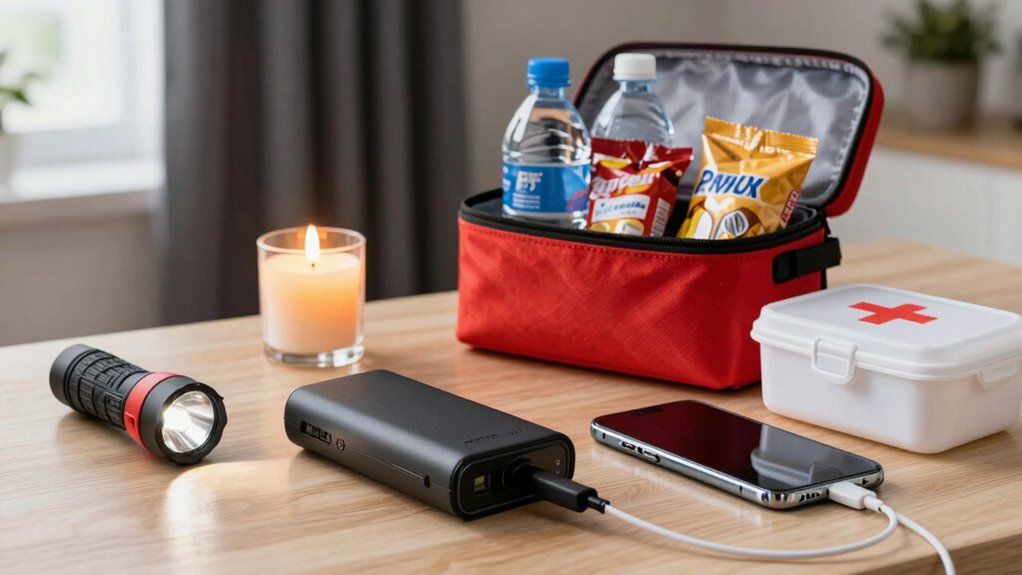
In addition to investing in renewable energy and backup generators, you should keep a well-stocked emergency kit. This kit should include batteries, flashlights, and portable chargers to keep your devices powered. It’s also wise to have a supply of non-perishable food and bottled water, especially if power outages are frequent or last for days. Prepare a list of critical needs, such as medications, and ensure you have a way to keep medical devices operational if needed. It’s equally important to keep your backup generator in good working condition. Regular maintenance, like checking fuel levels and testing the unit, ensures it will work smoothly when required. Store fuel safely and plan how you’ll access it during an outage. Additionally, understanding renewable energy systems and how they integrate with backup power solutions can enhance your preparedness and ensure a seamless power supply during emergencies. Learning about system integration can help you optimize the use of multiple power sources for better reliability. Moreover, familiarizing yourself with power management techniques can improve the efficiency and lifespan of your backup systems. Researching energy storage options can also help you make informed decisions about how best to store excess energy and extend your backup capacity. Knowing the basics of backup system maintenance can help prevent unexpected failures when you need your equipment most.
Another key part of your preparation involves creating a communication plan. Make sure everyone in your household knows how to stay informed about outages and safety procedures. Keep emergency contact numbers handy, and consider investing in a battery-powered radio to receive updates if the power goes out. Finally, don’t forget to educate yourself about how your renewable energy system and backup generator operate. Knowing how to start, shut down, or troubleshoot these systems can save valuable time and reduce stress during an emergency. By combining renewable energy solutions with reliable backup generators, maintaining an emergency kit, and establishing clear communication protocols, you’ll be better equipped to handle unexpected power outages confidently and safely.
portable emergency power generator
As an affiliate, we earn on qualifying purchases.
As an affiliate, we earn on qualifying purchases.
Frequently Asked Questions
How Long Can a Typical Home Power Outage Last?
A typical home power outage can last anywhere from a few minutes to several hours, depending on the cause. During this time, you should use backup lighting like flashlights or lanterns to stay safe. Power conservation becomes essential—turn off unnecessary appliances and unplug devices to prevent surges when power returns. Being prepared with these measures helps you manage short-term outages comfortably and safely.
Are There Any Safety Tips During a Power Outage?
Imagine flickering candlelight casting shadows as you navigate your home—stay safe by avoiding open flames, and stick to battery-powered emergency lighting. Keep batteries fresh and store them properly to prevent leaks. Never overload outlets or use damaged cords, and guarantee battery safety by handling them carefully. During outages, stay indoors, avoid downed power lines, and listen to a radio for updates. Safety first keeps everyone secure during unexpected blackouts.
Can I Store Emergency Power Supplies Long-Term?
Yes, you can store emergency power supplies long-term if you regularly maintain batteries and properly store solar panels. Keep batteries in a cool, dry place and check their charge periodically to prevent deterioration. For solar panels, make sure they’re stored in a dry, sheltered area, and inspect for damage. Regular maintenance extends the lifespan of your supplies, so you’re prepared when a power outage strikes.
What Should I Do if My Generator Smells Fuel?
If your generator smells fuel, stop using it immediately and guarantee your safety. A strong fuel odor indicates a potential leak or spill, which can be dangerous. You should inspect your generator for leaks and perform regular generator maintenance to prevent future issues. Ventilate the area well and avoid ignition sources. If you’re unsure or find a leak, contact a professional technician to fix the problem before using the generator again.
How Do I Prevent Food Spoilage During Outages?
To prevent food spoilage during outages, prioritize food preservation by keeping your refrigerator and freezer doors closed as much as possible. Use cold storage methods like ice packs or cooler boxes for perishable items if the power outage lasts longer. Consider freezing leftovers or shopping with dry ice to maintain cold temperatures. Staying proactive helps preserve your food and reduces waste until power is restored, ensuring safety and minimizing spoilage.
As an affiliate, we earn on qualifying purchases.
Conclusion
Being prepared for a power outage is like having a safety net waiting beneath you. With a few essentials packed and a plan in mind, you’ll glide through the darkness with confidence. Remember to keep flashlights, batteries, and a backup power source handy, so you’re not left in the dark when the storm hits. Stay ready, stay safe—because a little prep today keeps the shadows at bay tomorrow.
As an affiliate, we earn on qualifying purchases.
As an affiliate, we earn on qualifying purchases.
Fall yard work Picks
leaf blowers
As an affiliate, we earn on qualifying purchases.