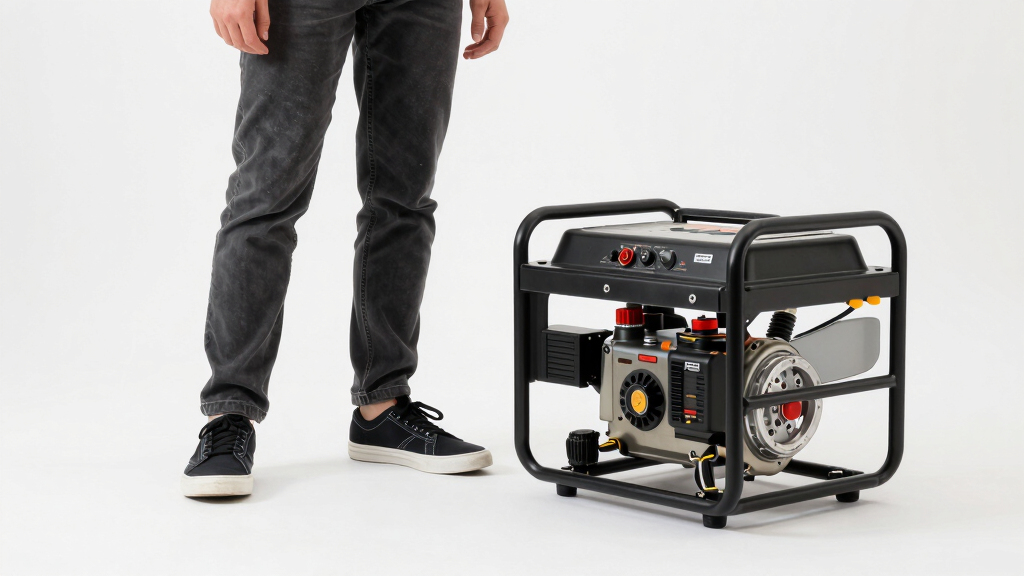
When choosing the best portable generator for home backup, the goal is reliable power during outages without sacrificing convenience or safety. The Westinghouse 14500 Peak Watt Tri-Fuel Generator stands out for its versatility and remote start, making it ideal for emergency situations. The Westinghouse 9500 Peak Watt Home Backup Generator offers a quieter operation and built-in CO sensors for added safety, perfect for frequent use. However, tradeoffs include size, fuel type, and price. Continue reading for a detailed breakdown of these options to find the best fit for your specific needs.
Key Takeaways
- Tri-fuel options provide maximum fuel flexibility, but often come at a higher price and complexity.
- Remote electric start enhances convenience, especially during emergency use or bad weather.
- Inverter generators excel in quieter operation and cleaner power, ideal for sensitive electronics.
- Larger wattage models are better suited for whole-home backup but tend to be bulkier and more expensive.
- Safety features like CO sensors and transfer switches add value but can increase initial cost.


More Details on Our Top Picks
Westinghouse 14500 Peak Watt Tri-Fuel Portable Generator with Remote Electric Start
This model stands out for its exceptional tri-fuel capability, allowing it to run on gasoline, propane, or natural gas, which offers unmatched flexibility during extended outages or on job sites. Compared with the Westinghouse 13500, it provides a higher peak wattage, making it better suited for large appliances and sensitive electronics. Its remote electric start adds convenience, especially when powering critical devices from a distance. However, the lack of specified weight and dimensions suggests it could be bulky, possibly complicating transport and storage. Its long runtime of up to 19 hours on a full tank ensures extended operation, but the potentially high cost might be a barrier for budget-conscious buyers. Residual fuel odors have been noted, which could be a concern for indoor storage or tight spaces.
Pros:- Tri-fuel operation for maximum fuel choice
- Up to 19 hours runtime for long-lasting power
- Remote electric start for convenience
- Transfer switch ready for seamless home integration
Cons:- Bulky size and unspecified weight may hinder portability
- Potentially high purchase price
- Possible residual fuel or oil odor during operation
Best for: Large households or contractors needing high wattage and fuel flexibility during prolonged outages
Not ideal for: Small apartments or users prioritizing portability and lightweight design
- Peak Watts:14,500
- Running Watts:11,500 (gasoline), 13,500 (propane), 12,000 (natural gas)
- Engine:550cc 4-Stroke OHV
- Fuel Tank Capacity:9.5 gallons
- Runtime:Up to 19 hours
- Fuel Types:Gasoline, Propane, Natural Gas
Bottom line: This generator is best suited for large homes or professionals who need reliable, flexible power with extended runtime, despite its size and cost.
Westinghouse 13500 Peak Watt Tri-Fuel Portable Generator with Remote Electric Start
This generator strikes a balance between power and versatility, offering up to 13,500 peak watts and operating on multiple fuels, making it suitable for both home backup and construction sites. Compared to the 14500 peak watt model, it provides slightly less power but remains capable of handling large appliances and electronics. Its remote start feature enhances convenience, especially during emergencies, while its multiple outlet options—including transfer switch readiness—make it adaptable to various setups. The weight and complexity may pose challenges for first-time users or those seeking lightweight options. Like the larger model, some users report residual fuel odors after testing, which could impact indoor storage choices.
Pros:- Versatile tri-fuel operation
- Remote start for added convenience
- Long runtime of up to 19 hours
- Multiple outlets including transfer switch and RV-ready
Cons:- Relatively heavy, requiring assistance for transport
- Setup may be complex for beginners
- Residual fuel or oil odor possible
Best for: Homeowners needing reliable backup power with flexible fuel options and easy remote operation
Not ideal for: Lightweight travelers or those with limited space seeking ultra-portable solutions
- Peak Watts:13,500
- Running Watts:10,500 (gasoline), 9,500 (propane), 8,500 (natural gas)
- Engine:500cc 4-Stroke OHV
- Fuel Tank Capacity:9.5 gallons
- Runtime:Up to 19 hours
- Outlets:GFCI 120V 5–20R, Transfer Switch Ready 120V L14-30R, RV Ready 120/240V 14–50R
Bottom line: This generator offers excellent versatility and power for home or jobsite use but may be less suitable for those prioritizing portability or simplicity.
Westinghouse 9500 Peak Watt Home Backup Portable Generator with Remote Electric Start and CO Sensor
This model offers a solid 9,500 peak watts, making it a practical choice for essential home backup needs. It compares favorably to larger models like the 14500-watt generator by offering a more manageable size and weight, ideal for smaller households or those with limited storage space. The remote electric start and built-in CO sensor enhance safety and convenience during outages. However, it’s less capable of powering heavy-duty appliances simultaneously and may require more frequent refueling for longer outages. Its weight remains unspecified, which could be a concern for users needing portability. The absence of detailed price information also makes evaluating its value more difficult.
Pros:- Powerful enough for essential appliances
- Remote electric start for ease of use
- CO sensor enhances safety during operation
- Transfer switch ready for quick home hookup
Cons:- Limited peak wattage compared to larger models
- Weight not specified, possible portability issues
- May need frequent refueling during extended outages
Best for: Small to medium households looking for reliable backup with safety features in a compact form
Not ideal for: Large homes with high power demands or users requiring maximum wattage
- Peak Wattage:9500 Watts
- Running Wattage:7500 Watts
- Engine:420cc Westinghouse 4-Stroke OHV
- Fuel Tank Capacity:6.6 Gallons
- Run Time:Up to 11 hours
- Features:Remote start, CO sensor, automatic low oil shutdown
Bottom line: This generator is a reliable, safety-focused choice for smaller homes or apartments needing dependable backup power without the bulk of larger units.
EcoFlow DELTA 2 Portable Power Station, 1024Wh LiFePO4 Battery, 1800W AC/100W USB-C, Solar Generator for Home, Camping & RVs
This power station excels in portability and eco-friendliness, offering 1024Wh of capacity with fast charging and expandability to 3kWh, making it ideal for supplementary backup or off-grid scenarios. Compared with traditional gas-powered generators like the Westinghouse models, it provides silent operation and zero emissions, perfect for environmentally conscious users. Its high power output of 1800W makes it capable of running multiple small to medium appliances, but it falls short for heavy-duty home backup where continuous power over longer periods is needed. The weight of 27 pounds and higher price point may limit portability for some users, especially when compared to smaller, less expensive power banks.
Pros:- Fast charging from 0 to 80% in 50 minutes
- Expandable capacity for longer backup
- Clean, silent operation with solar compatibility
- Lightweight relative to large generators
Cons:- Limited base capacity without expansion
- Higher cost compared to basic portable power banks
- Not suitable for powering heavy appliances continuously
Best for: Off-grid enthusiasts or homeowners seeking silent, emissions-free backup during outages or camping trips
Not ideal for: Homes with high power demands or for those needing prolonged backup without expansion options
- Battery Capacity:1024Wh
- AC Output:1800W
- USB-C Output:100W
- Number of Outlets:15
- Full Charge Time:80 mins
- Expandable Capacity:1-3kWh
Bottom line: This portable power station is ideal for eco-conscious users needing quiet, flexible backup power for small to medium loads, but not for extensive home backup needs.
Westinghouse 12500 Watt Dual Fuel Portable Generator with Remote Electric Start
This model stands out for its impressive peak wattage of 12,500 on gasoline, making it suitable for whole-home backup during extended outages. Compared with the Westinghouse 9500, it offers significantly more power, though it may be heavier and less portable. The remote electric start adds a layer of convenience that lighter models like the WEN 4,750-watt generator can’t match, especially if you want quick, hassle-free startup. Its dual fuel capability offers flexibility, allowing users to switch between gasoline and propane, which is valuable during fuel shortages. The digital display provides real-time updates on runtime and fuel levels, helping prevent unexpected shutdowns. The main tradeoff is its weight—details aren’t specified but it’s likely bulky—and the absence of detailed dimensions makes transport and storage considerations important. Overall, this generator makes the most sense for users needing reliable, high-capacity backup power with remote operation.
Pros:- High peak wattage for full home backup
- Remote electric start for quick, easy operation
- Dual fuel flexibility for fuel choice and longer runtime
- Real-time digital display for monitoring
Cons:- Likely heavy and bulky, difficult to transport
- Fuel consumption details are not specified, affecting planning
Best for: Homeowners seeking maximum power output and remote start convenience for whole-house backup
Not ideal for: Those with limited storage space or requiring lightweight, portable units for frequent outdoor use
- Peak Watts (Gasoline):12500
- Running Watts (Gasoline):9500
- Peak Watts (Propane):11200
- Running Watts (Propane):8500
- Fuel Tank Capacity:6.6 gallons
- Run Time:Up to 12 hours
- Engine:457cc Westinghouse 4-Stroke OHV
- Outlets:GFCI 120V 5–20R, 120V L14-30R, 120/240V 14–50R
- Warranty:3-year limited
Bottom line: This generator suits users who prioritize power and remote convenience over portability and are prepared for its size and weight.
DuroMax XP13000EH 13,000-Watt Dual Fuel Portable Generator – Gas & Propane, Electric Start, Whole Home Backup Power, Transfer Switch Ready, RV & Emergency
Compared to the Westinghouse 12500, the DuroMax XP13000EH offers slightly higher surge wattage, which makes it better suited for multi-appliance loads during power outages. Its all-metal, heavy-duty construction ensures durability in severe weather, with a robust 500cc OHV engine that’s built to last. The electric start simplifies operation, especially when combined with multiple outlets, including transfer switch-ready 50-amp and GFCI outlets, making it ideal for serious backup needs. Although it’s likely heavy and may require assistance to move, the absence of specific weight details suggests it’s best for users who prioritize raw power and ruggedness over portability. The EPA and CARB approval make it suitable across all states, which is a plus for widespread use. This model is most appropriate for those who want a durable, high-capacity generator that can withstand harsh conditions and provide dependable power for extended emergencies.
Pros:- High surge wattage for multiple appliances
- Durable all-metal frame for severe weather resilience
- Electric start and transfer switch readiness
- EPA and CARB compliant for nationwide use
Cons:- Likely very heavy and difficult to move
- Specific weight and dimension details are not provided
Best for: Homeowners requiring a rugged, high-capacity generator for severe weather and long-term backup
Not ideal for: Users needing lightweight, easily portable units for occasional outdoor activities or infrequent outages
- Power Output:13,000 watts (surge), 10,500 watts (running)
- Fuel Type:Gasoline and Propane
- Engine:500cc OHV
- Start Type:Electric start
- Outlets:Multiple including transfer switch-ready 50A
- Weight:Not specified
Bottom line: This generator is ideal for users who need a tough, high-capacity backup power source that can handle the elements and heavy loads.
WEN 4,750-Watt Dual Fuel Portable Generator with Electric Start and Wheel Kit
This unit offers a practical balance between power and portability, with 4,750 surge watts and 3,800 running watts on gasoline. Its dual fuel capability allows switching to propane, extending runtime during outages, similar to more expensive models like the Westinghouse 12500. The electric start simplifies operation, and the included wheel kit makes it easier to move, a key advantage over heavier generators like the DuroMax XP13000EH. However, its lower wattage means it’s less suited for powering an entire home, making it better for small backup needs or outdoor activities. The 4-gallon tank provides up to 11 hours of operation, which is decent but still less than larger units. Its main tradeoff is its weight and size—more than a small inverter but less portable than ultra-light models—requiring some effort to transport and set up. This generator makes sense for those on a budget who want reliable backup power for essentials.
Pros:- Dual fuel capability for flexibility
- Electric start for ease of use
- Includes mobility kit for transport
- Decent runtime of up to 11 hours
Cons:- Limited wattage for whole-home backup
- Relatively bulky compared to inverter generators
Best for: Budget-conscious homeowners needing reliable backup power for essential appliances
Not ideal for: Large households or those requiring whole-home backup during prolonged outages
- Power:4,750 surge / 3,800 running watts
- Fuel Type:Gasoline and Propane
- Engine:224cc 4-stroke OHV
- Tank Capacity:4 gallons
- Run Time:Up to 11 hours
- Outlets:Two 120V GFCI, 120V/240V twist lock, 12V DC
- Warranty:2 years
Bottom line: This generator offers reliable, cost-effective backup power for small loads and outdoor activities, with portability enhancements.
Westinghouse 6500 Watt Dual Fuel Portable Generator with Transfer Switch and CO Sensor
Compared to the larger Westinghouse models like the 12500, this 6500-watt generator provides enough power for essential household circuits and RVs, with the added safety of a built-in CO sensor—an important feature for indoor or enclosed use. Its 4.7-gallon tank supports up to 14.5 hours of runtime, which rivals larger units and makes it suitable for longer outages. The transfer switch-ready outlets streamline connection to home circuits, reducing the need for extension cords and minimizing safety risks. While it’s somewhat heavy and bulky, its safety features and longer runtime make it ideal for users prioritizing safety and efficiency over maximum power or portability. The EPA compliance broadens its appeal for residential use across the U.S. without legal concerns. Overall, this generator offers a balanced mix of safety, runtime, and power for reliable backup in typical home scenarios.
Pros:- Built-in CO sensor for safety
- Long runtime of up to 14.5 hours
- Transfer switch-ready outlets for easy connection
- Dual fuel flexibility
Cons:- Bulky and somewhat heavy for portability
- Limited peak wattage compared to larger models
Best for: Homeowners needing a safe, efficient, and longer-lasting backup with safety features included
Not ideal for: Those who require ultra-lightweight or portable units for frequent outdoor or recreational use
- Gasoline Wattage:6500 Peak / 5300 Running Watts
- Propane Wattage:5800 Peak / 4800 Running Watts
- Fuel Tank Capacity:4.7 gallons
- Run Time:Up to 14.5 hours
- Engine:274 CC Westinghouse 4-Stroke OHV
- Outlets:120V Duplex, RV 30A, Transfer Switch 30A
- Additional Features:CO sensor
Bottom line: This generator is well-suited for safety-conscious homeowners wanting reliable, extended backup power with minimal fuss.
Anker SOLIX C1000 Gen 2 Portable Power Station, 2000W (Peak 3000W), 1024Wh LiFePO4 Battery, Solar Generator for Home Backup and Camping
This power station is a different class from traditional generators, offering 2000W continuous power with a peak of 3000W, perfect for smaller backup needs or outdoor use. Its 1024Wh battery, combined with rapid 49-minute recharge, makes it ideal for quick re-energizing after outages or for off-grid adventures. Compared to the larger fuel-powered units like the Westinghouse 12500, it’s much more portable, fitting easily into a closet or vehicle. The inclusion of multiple ports, UPS backup, and app control adds convenience and flexibility, especially for users who want a silent, emission-free solution. Its main tradeoff is its limited wattage—unsuitable for running entire homes but excellent for essential devices or small appliances. The high cost and the need for compatible solar panels for solar recharging might be a barrier for some. Still, this model excels for those prioritizing quiet, portable, and fast-recharging power solutions.
Pros:- Fast recharge in just 49 minutes
- High-capacity 1024Wh battery with 2000W continuous output
- Compact and lightweight design
- Supports solar recharging for off-grid use
Cons:- Limited wattage for whole-home backup
- High initial purchase price
Best for: Emergency preparedness for small appliances or outdoor camping requiring quiet, portable, and fast-recharge power
Not ideal for: Users needing to run large appliances or entire home circuits during outages
Bottom line: This portable power station is perfect for users needing quick, quiet, and reliable backup power for essentials or outdoor adventures, with fast recharging as a key benefit.
Portable Power Station 600W 293Wh Lithium Battery for Camping and Emergency Use
This compact power station stands out for its portability and versatility, making it perfect for quick emergency setups or camping trips where space and weight matter. Compared with larger generators like the Westinghouse 12500W, it offers much less power—limited to appliances under 600W—which restricts its use for whole-home backup. However, its lightweight design (7.7 lbs) and multiple charging ports, including fast USB-C, make it easy to carry and recharge multiple devices simultaneously. The 293Wh capacity provides a decent runtime for small electronics, but it cannot power high-demand appliances or sustain long outages. Unlike gas-powered models, it’s silent and emissions-free, but the limited power output requires careful planning. This pick makes the most sense for individuals needing portable, reliable backup for essential electronics during brief outages or outdoor adventures.
Pros:- Extremely lightweight and portable at 7.7 lbs
- Multiple versatile output ports, including USB-C PD
- Long cycle life with over 1500 charge cycles
- Built-in safety protections for sensitive electronics
Cons:- Limited to appliances under 600W, restricting use for larger devices
- Requires pressing the AC button for three seconds to turn on/off, less intuitive
Best for: Individuals seeking lightweight, portable power for essential electronics during emergencies or camping trips.
Not ideal for: Homeowners needing to backup entire appliances during extended outages, as it cannot handle high wattage loads.
- Power Output:600W (1200W surge)
- Battery Capacity:293Wh
- Weight:7.7 lbs
- AC Outlet:120V, 600W
- USB-C Ports:PD 100W and PD 24W
- Charge Cycles:Over 1500
Bottom line: This power station is ideal for individuals needing portable, quiet power for small electronics during short emergencies or outdoor activities.
ERAYAK 4500W Portable Inverter Generator for Home Use, Super Quiet Small Generator for Camping Outdoor Emergency Power Backup, Gas Powered Engine, ECO Mode, EPA Compliant
This inverter generator offers a compelling balance of power and quiet operation, making it well-suited for residential backup or outdoor use where noise levels matter. At just 60.5 dB, it’s significantly quieter than traditional generators like the Westinghouse 12500W, which can be disruptive during quiet times. It supplies up to 3500W running power, enough to handle essential household electronics or appliances, but not large heavy-duty loads like central AC units. Its fuel efficiency and long runtime (up to 16 hours) mean fewer trips to refuel, and multiple outlets—including USB-C and 30A RV—add to its versatility. The main tradeoff is its reliance solely on gasoline, with no alternative fuel options, and the need for a separate parallel kit if extra power is required. This makes it a strong choice for those needing reliable, quiet backup power in smaller homes or outdoor settings.
Pros:- Exceptionally quiet operation at 60.5 dB
- Multiple outlets including USB-C and RV connection
- Fuel-efficient with runtime up to 16 hours
- Compact and lightweight design for easy portability
Cons:- Parallel kit sold separately, adding extra cost for more power
- Limited to gasoline fuel, no dual-fuel flexibility
- Initial setup can be complex for some users
Best for: Homeowners in need of a quiet, portable generator capable of powering essential appliances during outages.
Not ideal for: Users with larger homes or those requiring high wattage loads like central HVAC systems, since it maxes out at 3500W running power.
- Wattage:3500W running, 4500W peak
- Fuel Type:Gasoline
- Runtime:Up to 16 hours
- Engine Displacement:208 cc
- Noise Level:60.5 dB
- Additional Features:Fuel efficiency, low oil shutdown
Bottom line: This generator suits homeowners needing quiet, reliable backup for essential electronics during outages or outdoor activities.
Westinghouse 12500 Peak Watt Dual Fuel Portable Generator with Remote Electric Start
This dual-fuel generator delivers impressive power, capable of supporting whole-house backup needs with a peak of 12,500 watts on gasoline. Its remote electric start offers convenience during outages, and its long runtime of up to 12 hours makes it suitable for extended power needs. Compared with smaller models like the ERAYAK 4500W, the Westinghouse 12500W provides significantly more wattage, making it ideal for larger homes or critical appliances. However, its size and weight—made for maximum power—mean it’s less portable, and setup can be intimidating for beginners. The higher price reflects its advanced capabilities and safety features, including CO shutdown and low oil shutdown, making it a premium choice for serious backup power.
Pros:- Massive power output suitable for whole-home backup
- Remote electric start for ease of use
- Long runtime of up to 12 hours
- Dual fuel capability adds flexibility
Cons:- Heavy and bulky, difficult to move without assistance
- Higher price point compared to smaller generators
- Complex setup for those unfamiliar with generator operation
Best for: Homeowners requiring reliable, high-capacity backup power for entire homes or large appliances.
Not ideal for: Individuals with limited storage space or those who need a portable, lightweight solution for occasional use.
- Peak Watts (Gasoline):12500
- Running Watts (Gasoline):9500
- Fuel Tank Capacity:6.6 gallons
- Runtime:Up to 12 hours
- Engine:457cc Westinghouse 4-Stroke OHV
- Outlets:Multiple including 50A transfer switch
Bottom line: This generator is best suited for homeowners who need substantial, reliable backup power and are prepared for its size and cost.
Westinghouse 28000 Peak Watt Tri-Fuel Home Backup Portable Generator with Remote Electric Start
This tri-fuel generator offers unmatched power, supporting large homes or job sites with up to 28,000 peak watts on gasoline. Its versatility in fuel choice—gasoline, propane, or natural gas—is a major advantage over dual-fuel options like the Westinghouse 12500W, providing greater flexibility during extended outages or in emergencies. The remote electric start simplifies operation, while features like a digital readout, transfer switch readiness, and large wheels make it practical for frequent use. Its substantial size and weight mean it’s not for those seeking portability, but for backup power at a larger scale, it’s hard to beat. The higher cost is justified by its ability to power sensitive electronics reliably and support entire households.
Pros:- Massive tri-fuel capability for maximum flexibility
- High wattage output suitable for whole-home backup
- Remote electric start for convenience
- Durable design with large wheels for mobility
Cons:- Very large and heavy, requiring assistance to move
- Higher price due to extensive power capacity
- Complex setup for first-time users
Best for: Large homes, farms, or job sites needing robust, multi-fuel backup power with easy operation.
Not ideal for: Urban residents with limited space or users seeking a lightweight, portable solution for occasional emergencies.
- Peak Watts (Gasoline):28000
- Running Watts (Gasoline):20000
- Fuel Tank Capacity:17.2 gallons
- Runtime:Up to 13 hours
- Engine:999 cc Westinghouse V-Twin OHV
- Outlets:Multiple including 50A transfer switch
Bottom line: This tri-fuel generator is ideal for large-scale backup needs where maximum power and fuel flexibility are priorities, despite its size and cost.
How We Picked
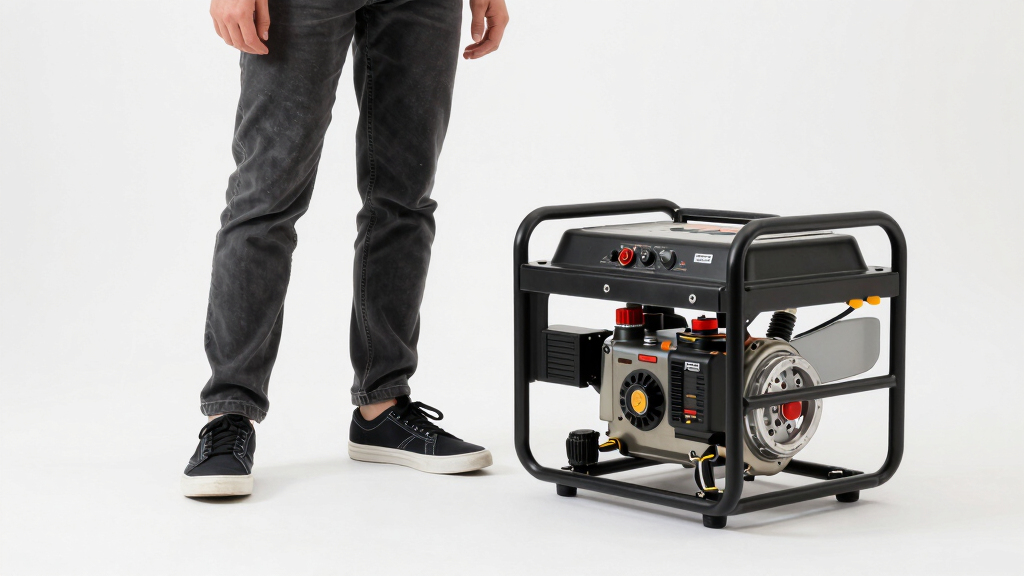
I evaluated each generator based on performance, usability, safety features, build quality, and value for money. Priority was given to models that deliver consistent power output suitable for home backup, while remaining manageable in size and weight. I also considered ease of operation, fuel versatility, and safety features like CO sensors and transfer switches. The rankings reflect a balance between power capacity, user-friendliness, safety, and overall reliability in emergency scenarios, ensuring each product serves a clear purpose for different types of buyers.Factors to Consider When Choosing Best Portable Generator For Home Backup
Choosing the best portable generator for home backup involves weighing several critical factors. It’s not just about wattage; you need to consider safety features, fuel options, noise levels, and ease of use. Being aware of common pitfalls, such as overspending on unnecessary features or underestimating your power needs, can prevent costly mistakes. A thoughtful approach ensures you get a generator that provides reliable power without frustration or safety risks.Power Capacity and Load Needs
Understanding your home’s power requirements is essential. Calculate the total wattage of essential appliances, like refrigerators, lights, and medical devices. A generator with too little capacity will leave you underpowered, while one with excessive wattage may be unnecessary and more expensive. For most households, a model in the 8,000 to 12,000-watt range offers a good balance between capacity and portability.
Fuel Type and Efficiency
Generators run on various fuels, including gasoline, propane, and dual-fuel options. Gasoline is readily available but can be less stable over time, while propane burns cleaner and stores longer. Dual-fuel models offer flexibility, especially during extended outages. Consider your fuel storage capacity and local fuel availability to choose the most practical option, balancing convenience and cost.
Noise Levels and Placement
Noise can be a significant factor, especially if you plan to run the generator near living spaces or during nighttime. Inverter generators tend to be quieter, making them suitable for residential use. Proper placement—away from windows and with sound barriers—can also mitigate noise issues. Always check decibel ratings and local noise ordinances before installation.
Safety Features and Ease of Use
Safety features like built-in CO sensors, automatic shutoff, and transfer switches enhance peace of mind during use. Transfer switches simplify connection to your home’s electrical system, reducing risks of backfeeding. Ease of operation, including electric start and clear control panels, saves time and effort during stressful power outages. Investing in these features can significantly improve your backup experience.
Budget and Long-Term Value
While cheaper models might seem attractive initially, they often lack essential features or durability. Higher-priced models typically provide better safety, longer lifespan, and more reliable power output. Consider your expected frequency of use and the importance of safety features when setting your budget. Sometimes, investing more upfront saves money on repairs or replacements later.
Frequently Asked Questions
How do I determine the right wattage for my home backup needs?
Start by listing essential appliances and their wattages, then add them up to find your minimum power requirement. It’s wise to select a generator with about 20-30% more capacity than your calculated needs to accommodate startup surges and future additions. This ensures your generator can handle your critical loads reliably during outages.
Is a dual-fuel generator worth the extra cost?
Dual-fuel generators offer significant flexibility by allowing you to switch between gasoline and propane, which can be advantageous during extended outages when fuel supplies may fluctuate. Although they tend to be more expensive initially, the ability to choose the most available or cost-effective fuel can make them a smarter long-term investment, especially for frequent use or in emergency preparedness.
Should I prioritize inverter technology or larger wattage for home backup?
If your priority is running sensitive electronics and keeping noise levels low, inverter generators are the best choice, despite generally offering lower wattage. For whole-house backup where multiple large appliances need power simultaneously, a higher-wattage conventional generator makes more sense. Assess your specific needs to decide which feature provides the most value.
How important are safety features like CO sensors?
Safety features like carbon monoxide sensors and automatic shutoff are critical, especially if you plan to operate the generator in enclosed or semi-enclosed spaces. These features can prevent dangerous CO buildup, saving lives and avoiding health issues. Investing in models with these safety measures is highly recommended for peace of mind during extended use.
What maintenance should I expect with a portable generator?
Regular maintenance includes checking and changing oil, inspecting air filters, and testing safety features. Fuel stabilization and proper storage extend the lifespan, especially if the generator isn’t used frequently. Choosing a model with accessible service points and clear maintenance instructions can make upkeep easier and less costly over time.
Conclusion
For most homeowners, the Westinghouse 14500 Peak Watt Tri-Fuel Generator offers outstanding versatility and power, making it the best overall choice. If safety and quiet operation are priorities, the Westinghouse 9500 Peak Watt Home Backup Generator is a strong contender. Budget-conscious buyers may prefer the WEN 4,750-Watt Dual Fuel Generator for its affordability and decent performance. Beginners should consider inverter models like the EcoFlow DELTA 2 for simplicity and noise control. For those with high power needs or wanting maximum fuel flexibility, larger models like the Westinghouse 28000 Peak Watt generator are worth the investment, especially for long-term reliability in emergencies.