
TL;DR
Pamase Pipe Insulation Tape Wrap is being presented as an inexpensive way to add insulation around pipes before cold weather. The product listing reports a 4.4-out-of-5 Amazon rating from more than 360 reviews, but that customer feedback does not establish that the tape will prevent pipes from freezing or bursting in every situation.
Pamase Pipe Insulation Tape Wrap, sold on Amazon, is being highlighted as a relatively inexpensive way to insulate exposed pipes ahead of freezing weather. The self-adhesive foam tape costs $14.99 for a 32.8-foot roll, but its advertised features and customer reviews are not proof that it will prevent a pipe from freezing or bursting in all conditions.

Get business pricing on tools and workshop supplies
- Business-only prices and quantity discounts
- Tax-exempt purchasing
- Multiple users, one account, clear invoices
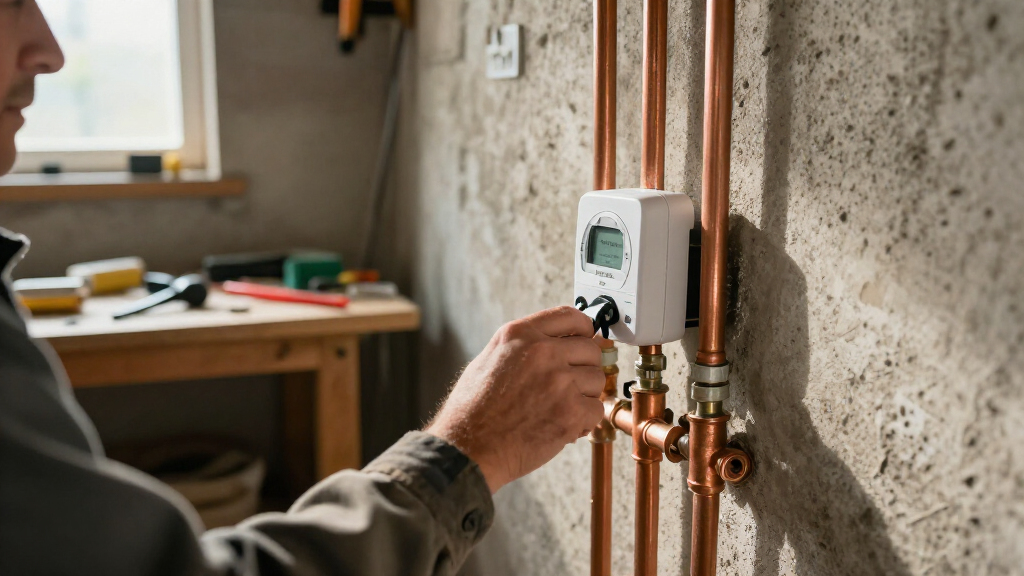
The tape is made of rubber-plastic foam and wraps directly around pipes, faucets or cold-water lines. The product is described as self-adhesive, allowing users to cut strips to the length they need and apply them around the surface. Unlike pre-sized, semi-slit foam pipe sleeves, the tape can be fitted around pipes of different shapes and sizes.
One five-star reviewer said a single roll covered several pipes and described the adhesive as strong. Other customers have reported that the tape does not always stick well. The product guidance recommends cleaning the pipe surface before application.
The brand says the tape remains bonded at temperatures as low as -4 degrees Fahrenheit and describes it as fire-resistant, UV-resistant and waterproof. Those are product claims; the available information does not provide independent test results showing how much protection the tape offers in specific weather or plumbing conditions.
Could pipe wrap help?Know its limits
Pamase’s foam tape may add insulation to exposed pipes, but reviews and product claims do not prove it will prevent freezing or bursts.
What the wrap offers
Self-adhesive foam can be cut and fitted around pipes, faucets, and cold-water lines.
Wrap different shapes
Tape can fit varied pipe sizes where pre-sized sleeves may not.
Clean the surface first
Product guidance recommends cleaning pipes to help the adhesive bond.
Claims and evidence
The brand describes the tape as bonded down to -4°F, fire-resistant, UV-resistant, and waterproof.
- 4.4 out of 5 stars from 360+ reviews
- Some users report strong adhesion
- No independent test results are provided
- Some users report adhesion problems
- No quantified freeze protection is given
Cold-weather preparation
Water can freeze below 32°F; risk depends on exposure, temperature, and how long the cold lasts.
Check vulnerable plumbing before freezing weather arrives.
Clean the surface, then cut and wrap tape as directed.
Disconnect hoses and drain outdoor water lines; a dripping faucet may be appropriate.
A Low-Cost Layer of Pipe Protection
Frozen pipes can lead to costly repairs, making prevention relevant to homeowners in regions that experience hard freezes as well as people facing a sudden cold snap. Angi estimates that repairing a burst pipe costs homeowners $200 to $3,000, depending on the damage and pipe type. That estimate gives a sense of potential repair costs, but it does not establish that buying insulation tape will avert them.
At $14.99 per roll, the tape may be an accessible addition to a winter-preparation checklist, particularly for exposed sections that can be wrapped. Its practical value depends on the pipe, placement, application and temperatures involved. Insulation is one measure among several, not a guarantee against freezing or water damage.
For homeowners, the distinction matters: a product’s low price and positive reviews can make it appealing, but they do not replace checking vulnerable plumbing or using other cold-weather precautions. Pipes that remain exposed to severe cold may need more protection than a wrap alone provides.
Products Worth Considering

TCL 85-Inch QM6K QLED Mini LED 4K HDR Smart Google TV, 144Hz

Dyson V8 Cyclone Cordless Vacuum

Sonos Roam (Gen 1) Portable Smart Speaker, White
As an affiliate, we earn on qualifying purchases.
How the Tape Fits Winter Prep
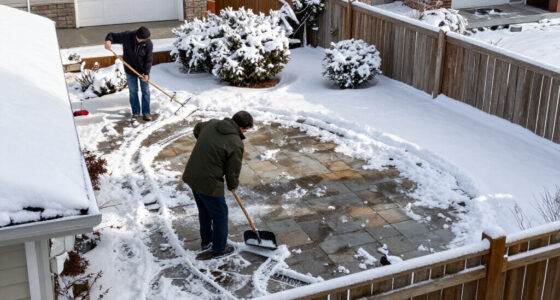
Water in plumbing can freeze when temperatures fall below 32 degrees Fahrenheit. Ice can block a pipe and pressure can build, potentially causing it to rupture. The risk depends on factors including how cold it gets, how long the cold lasts and whether a pipe is exposed or otherwise vulnerable.
Insulating pipes is a common preventive step because it can slow heat loss. The product description also presents the wrap as a way to help hot water retain heat and run more consistently. No measurements are provided to quantify those effects for this particular tape.
Other cold-weather steps mentioned alongside insulation include disconnecting hoses, draining outdoor water lines and, when appropriate, allowing a faucet to drip. The tape is positioned as a possible supplement to these precautions rather than a substitute for them.
“I had several pipes to insulate and had plenty to do it with in just one roll. The adhesive was nice and strong, making the job quick and easy.”
— A five-star Amazon reviewer
Limits of the Performance Claims
The available product information does not specify how much insulation the wrap provides, how long it can protect a pipe in freezing conditions, or whether the temperature claim was independently tested. It also does not show that the tape prevents bursts across different pipe materials, locations or installation methods.
Customer reviews are individual experiences and may reflect different surfaces and conditions. Some users report adhesion problems, while the product guidance calls for cleaning the pipe before application. It remains unclear how reliably the tape adheres in every setting or how it performs after prolonged exposure to cold, moisture and outdoor conditions.
The $200-to-$3,000 repair estimate is attributed to Angi and varies with damage and pipe type. It is not a prediction of what a particular homeowner would pay, nor evidence of savings from using this product.
Check Pipes Before Cold Arrives
Homeowners considering the wrap can check the product’s current price and reviews, then identify exposed pipes and follow the package directions, including cleaning surfaces before application. The available information gives no announced testing, product changes or future milestone to report.
As freezing weather approaches, the practical next step is to pair any insulation with other suitable precautions, such as disconnecting hoses and draining outdoor lines. A tape wrap should not be treated as a guarantee; the protection needed will depend on local temperatures and the plumbing’s exposure.
Source: rss
Key Questions
What is Pamase Pipe Insulation Tape Wrap?
It is a self-adhesive rubber-plastic foam tape designed to wrap around pipes, faucets and cold-water lines. The product is listed at $14.99 for a 32.8-foot roll.
Does the tape guarantee that pipes will not freeze?
No. The available information does not establish that it prevents freezing or bursts in every situation. The brand’s temperature and durability statements are product claims, not independently verified results provided here.
How should the tape be applied?
Cut the amount needed and wrap it around the pipe. The product guidance recommends cleaning the pipe surface first to help the adhesive bond.
What other steps can help protect outdoor plumbing?
Measures cited alongside insulation include disconnecting hoses, draining outdoor water lines and, when appropriate, allowing a faucet to drip. Which precautions are suitable depends on the plumbing and conditions.
Source: hunker.com