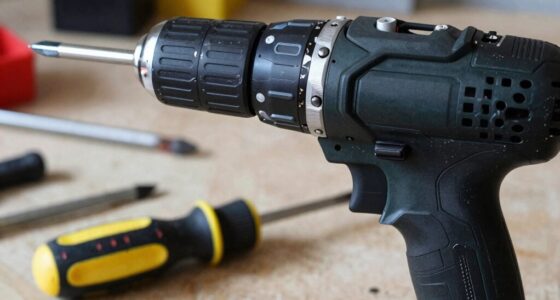
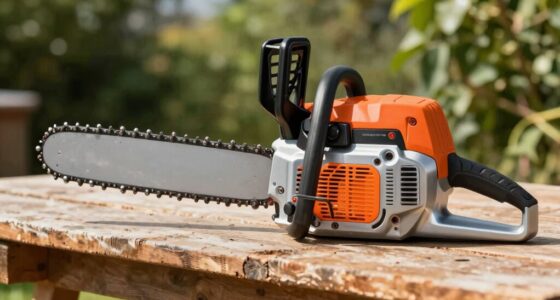
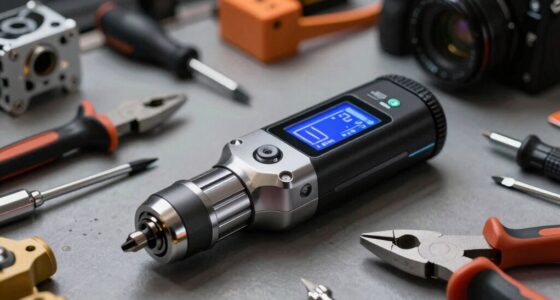
You should prioritize accessory compatibility just as much as choosing the right tool because incompatible accessories can cause device malfunction, reduce battery life, or even damage your device. When accessories align with your device’s standards, you guarantee smooth operation, safety, and longevity. Properly matched accessories also make setup easier and protect your investment. Staying mindful of compatibility helps avoid costly repairs and performance issues. Continue exploring to discover more ways compatible accessories enhance your overall experience.

Get business pricing on tools and workshop supplies
- Business-only prices and quantity discounts
- Tax-exempt purchasing
- Multiple users, one account, clear invoices
Key Takeaways
- Compatibility ensures accessories function correctly, preventing device malfunctions and prolonging lifespan.
- Using compatible accessories maintains safety standards and reduces risks like overheating or electrical issues.
- Properly matched accessories optimize device performance and battery life, enhancing overall user experience.
- Compatibility helps avoid additional costs from adapters, repairs, or replacing damaged devices.
- Ensuring accessory compatibility protects your investment and guarantees the device operates at its full potential.

Have you ever bought an accessory only to find it doesn’t quite fit or work with your device? It’s frustrating, especially when you’ve invested time and money into something that’s supposed to enhance your experience. That’s why accessory compatibility is just as important as the tool itself. When an accessory matches well with your device, it not only functions smoothly but also prolongs its overall lifespan. For example, a poorly compatible battery or charger can drastically reduce your device’s battery life, forcing you to recharge more often and risking potential damage. Confirming compatibility means you get the most out of your device’s power capacity and avoid unnecessary wear and tear. Additionally, choosing sustainable accessories that are compatible can help reduce electronic waste and promote environmentally responsible choices. Recognizing compatibility standards ensures that accessories meet safety and quality benchmarks, further protecting your device and yourself. Properly matching accessories also involves understanding industry standards, which helps ensure that products adhere to consistent safety and performance criteria. Being aware of manufacturer specifications can further assist in selecting accessories that are truly compatible with your device.
Choosing compatible accessories ensures optimal performance and helps protect your device from damage.
Ease of installation plays a key role in this equation. When accessories are designed for compatibility, they’re often easier to install, saving you time and frustration. A well-made, compatible accessory snaps or connects effortlessly, allowing you to set it up quickly without needing special tools or technical skills. This smooth installation process encourages proper use, which is essential for maintaining your device’s performance. Conversely, incompatible accessories can be tricky to install, sometimes requiring adapters or modifications that can compromise safety or functionality. This not only wastes your time but might also void warranties or cause damage to your device. So, choosing accessories with ease of installation in mind guarantees you avoid these pitfalls and get your device working at its best, faster.
Compatibility also impacts the safety and longevity of your device. An incompatible accessory can create electrical issues, overheating, or even physical damage. For example, using a charger that isn’t designed for your device’s specifications can lead to overheating, reducing battery life or damaging internal components. When accessories are compatible, they’re usually tested to meet specific standards, lowering the risk of such problems. This means your device remains safe to use and maintains its performance over time. Additionally, the right accessories help you get the best battery life, as they’re tailored to deliver the right power levels without overloading or underperforming. When everything aligns perfectly, you enjoy consistent, reliable performance without the worry of unexpected failures.
In the end, understanding why accessory compatibility matters isn’t just about convenience; it’s about protecting your investment and ensuring your device performs at its best. When accessories are compatible and easy to install, you save time, reduce risks, and extend your device’s life. It’s a simple step that makes a significant difference in how well your device functions and how much satisfaction you get from using it daily. So, always double-check compatibility before making a purchase—your device and your peace of mind will thank you.
Frequently Asked Questions
How Do I Identify Compatible Accessories for My Tool?
To identify compatible accessories for your tool, start by checking the manufacturer’s specifications and user manual for recommended accessory types. Look for compatibility tips, such as model numbers or connector types, to guarantee a proper fit. Visit the brand’s website or consult customer support for guidance. Always verify the accessory’s compatibility before purchasing to avoid damage or inefficiency, guaranteeing your tool performs at its best with the right accessories.
Can Incompatible Accessories Damage My Tool?
Yes, incompatible accessories can damage your tool. When you use accessories with poor durability or those lacking proper compatibility testing, they might not fit or function correctly. This mismatch can cause mechanical stress, overheating, or even failure. Always guarantee your accessories match your tool’s specifications. By prioritizing accessory durability and verifying compatibility, you protect your tool from harm and extend its lifespan. Don’t take chances—stay safe and keep your equipment working smoothly.
Are Universal Accessories as Effective as Brand-Specific Ones?
Universal accessories can be effective, but they often lack the accessory versatility and brand interoperability that brand-specific options offer. While universal accessories may work in a pinch, they might not fit perfectly or perform as well, limiting your tool’s potential. For best results, using brand-specific accessories ensures better compatibility, durability, and efficiency, helping you get the most out of your tools while reducing the risk of damage or poor performance.
How Often Should I Replace Accessories for Optimal Performance?
Think of your accessories like a vintage radio—over time, their performance drops. For peak performance, you should replace accessories based on their longevity and your replacement schedule, typically every 6 to 12 months or after heavy use. Regularly inspecting them for wear and tear ensures they stay effective. Staying proactive helps prevent damage to your tools and keeps your work efficient. Don’t wait until they fail—timing is everything.
Do Accessory Compatibility Standards Vary by Brand?
Yes, accessory compatibility standards do differ by brand. Accessory innovation encourages brands to develop unique connectors and standards, making certain accessories only compatible with specific brands or models. This variability can challenge your brand loyalty, as sticking to one brand may guarantee your accessories work seamlessly. Always check compatibility details before purchasing accessories to avoid frustration and ensure peak performance with your tools.
Conclusion
So, next time you’re choosing an accessory, remember—compatibility isn’t just a detail; it’s the key to accessing your tool’s full potential. Overlooking this could mean missing out on performance, efficiency, or even safety. The real question is: are you willing to risk it all for the sake of convenience? Because, in the end, the right fit isn’t just about compatibility—it’s about what’s at stake when you push your limits. The choice is yours.
Fall Picks
fall essentials
As an affiliate, we earn on qualifying purchases.