Before using a plate compactor at home, familiarize yourself with the machine’s manual and perform regular checks on oil levels, bolts, and engine condition. Always wear safety gear like sturdy boots, gloves, and eye protection, and clear the work area of obstacles. Understand the controls and operate smoothly on flat, stable surfaces, adjusting for different terrains. Stay alert to unusual noises and stop immediately if problems arise. Keep these tips in mind—there’s more to guarantee safe, effective operation.
Key Takeaways
- Read the machine’s manual thoroughly to understand controls and safety features before use.
- Wear appropriate safety gear, including boots, gloves, and eye protection, and clear the work area of obstacles.
- Ensure the surface is flat, stable, and suitable for compaction to prevent tipping or control loss.
- Check machine condition, including oil levels and loose parts, to ensure safe operation and prevent breakdowns.
- Use smooth, controlled motions and avoid operating on steep slopes or unsuitable terrains.
Using a plate compactor at home might seem straightforward, but it’s important to understand how to operate it safely and effectively. Before you start, take the time to familiarize yourself with the machine’s manual. Proper machine maintenance is essential for both safety and performance. Regularly check the oil levels, inspect for loose bolts, and ensure the engine is in good working order. Keeping the machine well-maintained reduces the risk of breakdowns and accidents, saving you time and money in the long run. Make sure you understand the controls and safety features of your specific model, so you can operate it confidently.
Safety precautions should always be your top priority. Wear appropriate gear, including sturdy boots, gloves, and eye protection, to shield yourself from debris and vibration. Never operate the compactor without securing loose clothing or jewelry that could get caught in moving parts. Before starting, clear the work area of any obstacles, debris, or bystanders—especially children or pets. Always keep a safe distance from the machine while it’s in operation to avoid injury from flying debris or accidental contact. When starting the compactor, do so on a flat, stable surface, and ensure you have a firm grip on the handles. Use smooth, controlled motions to move the machine, avoiding sudden stops or turns that could cause loss of control. Additionally, understanding how to operate the machine properly also involves knowing how to handle different terrains, as each type requires different techniques. For example, compacting gravel or soil requires different techniques than asphalt. Adjust the machine’s settings if necessary, and work in overlapping passes to ensure thorough compaction. Never force the machine to operate beyond its capabilities or on overly steep slopes, as this could cause tipping or loss of control. Regularly monitor the machine during use, listening for unusual noises or vibrations that might indicate mechanical issues. If you notice anything abnormal, turn off the machine immediately and perform routine machine maintenance or consult a professional. Being aware of machine operation and the importance of preventive maintenance can help you prevent accidents and improve efficiency during your project. Additionally, familiarizing yourself with terrain considerations can help you adapt your technique for different surfaces and ensure optimal results. Developing a basic understanding of machine safety features is also crucial for preventing injuries and ensuring a secure working environment.

56035-047 Compactor Pad,Compatible with the Construction Zone 56035T Plate Compactor, 27.5"x17.5" Heavy-Duty Tamper Pad for Pavers, Asphalt, Gravel, and Landscaping Projects.(1-Pack)
Precision Compatibility & Adaptability:Designed specifically for Construction Zone 56035 plate compactors. Dimensions: 27.5" x 17.5". Can be easily…
As an affiliate, we earn on qualifying purchases.
As an affiliate, we earn on qualifying purchases.
Frequently Asked Questions
Can I Rent a Plate Compactor Instead of Buying One?
Yes, you can rent a plate compactor instead of buying one. Renting often offers a cost comparison advantage, especially if you only need it for a short-term project. Rental benefits include access to well-maintained equipment and the latest models without the upfront investment. This way, you save money and avoid storage concerns, making renting a practical choice for occasional use around your home.
How Long Does It Take to Learn Proper Operation Techniques?
Most users master proper operation techniques within a few hours of operator training, but full technique mastery can take several days of consistent practice. You’ll find that hands-on experience is key, as it helps you understand the machine’s nuances. To guarantee safety and efficiency, invest time in operator training, focusing on key techniques like proper posture and pressure control. With dedication, you’ll become confident in handling the plate compactor quickly.
Are There Environmental Considerations When Using a Plate Compactor?
When using a plate compactor, you should consider environmental factors like noise pollution and soil disruption. The machine can generate loud noise, disturbing neighbors, so operating it during appropriate hours helps reduce noise pollution. Additionally, the compactor can disturb the soil structure, affecting nearby plants or ecosystems. To minimize impact, use the equipment carefully, avoid excessive compaction, and follow local regulations to protect your environment while completing your project efficiently.
What Safety Gear Is Recommended Beyond Gloves and Goggles?
You should wear protective clothing and hearing protection when operating a plate compactor. Safety gloves and goggles are essential, but adding steel-toed boots keeps your feet safe, especially from flying debris. Earplugs or earmuffs shield you from loud vibrations. Combining these safety measures minimizes risks, allowing you to focus on the task. Remember, protecting yourself isn’t optional — it’s vital for a safe, effective work experience.
How Do I Maintain and Store the Compactor Properly?
To maintain your plate compactor, regularly check and change the oil, clean the air filter, and inspect for wear or damage. After use, store it in a dry, covered area to prevent rust and corrosion. Follow equipment maintenance guidelines, such as draining fuel if storing for long periods, and keep it on a flat surface. Proper storage tips guarantee your compactor stays in good working condition and lasts longer.

Genuine OEM Shoe 8511S Compatible with Multiquip Mikasa MT70, MT74, MT75, MT85, MTX70, MTX80, MTX90 Rammers KIT8511S (Bolts, Washers and Nuts are Included)
Genuine OEM Maintenance Kit 8511S
As an affiliate, we earn on qualifying purchases.
As an affiliate, we earn on qualifying purchases.
Conclusion
Using a plate compactor at home might seem straightforward, but overlooking safety and proper technique can turn a simple task into a costly mistake. Think of it like driving a car—powerful yet requiring respect and attention. While the machine can make your project easier, rushing or neglecting precautions can cause damage or injury. Remember, efficiency doesn’t mean shortcuts; it means careful preparation. So, handle your compactor wisely—because a smooth driveway is worth more than a careless mishap.

VEVOR Plate Compactor, 6.5 HP 196cc Gas Engine, 2360 lbs Compaction Force
A Monster-level Engine: With our high-performance plate compactor, you'll have the power you need to get the job…
As an affiliate, we earn on qualifying purchases.
As an affiliate, we earn on qualifying purchases.
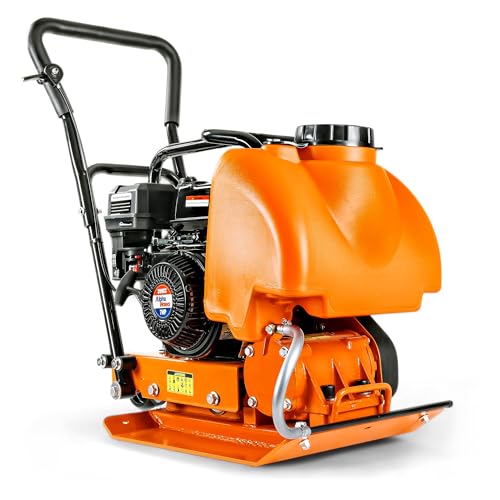
SuperHandy Plate Compactor with 7HP Gas Engine – 4200 lbs Force, 20 x 15 in. Steel Plate, 12 in. Depth Tamper for Soil, Gravel, Asphalt, Landscaping, Sidewalks, Patios (Water Tank)
Powerful Gas Engine: Equipped with a 7HP 4-stroke OHV engine delivering 5kW and a max rotation speed of…
As an affiliate, we earn on qualifying purchases.
As an affiliate, we earn on qualifying purchases.