A good mechanic tool setup for home repairs includes a variety of quality hand tools like wrenches, screwdrivers, and pliers, all kept organized in a sturdy storage system. Reliable diagnostic equipment helps you identify issues quickly, saving time and money. Power tools such as cordless drills and rotary tools should be dependable and comfortable to use. Safety gear like gloves and goggles is essential. Keep expanding your toolkit with versatile tools to tackle new challenges confidently—there’s more to discover for your perfect setup.

Get business pricing on tools and workshop supplies
- Business-only prices and quantity discounts
- Tax-exempt purchasing
- Multiple users, one account, clear invoices
Key Takeaways
- Ensure a comprehensive selection of high-quality, versatile hand tools tailored to common repair tasks.
- Incorporate reliable diagnostic equipment for quick and accurate troubleshooting.
- Use ergonomic power tools to increase efficiency and reduce fatigue during prolonged repairs.
- Organize tools with sturdy storage solutions for easy access and maintained condition.
- Expand your toolkit gradually, focusing on safety, relevance, and tools that improve repair confidence.
Every homeowner needs a reliable set of tools to handle repairs around the house. A good mechanic tool setup isn’t just about having a variety of wrenches and screwdrivers; it’s about choosing the right tools that make your repair tasks efficient and effective. When it comes to automotive diagnostic skills, having the right equipment can save you time and money. If you’re tackling tasks like fixing your car or troubleshooting appliances, investing in a quality automotive diagnostic scanner is a smart move. It allows you to quickly identify issues without guesswork, giving you a clear picture of what’s wrong. Pairing that with a solid set of hand tools—like pliers, ratchets, and socket sets—ensures you’re ready for anything that comes your way.
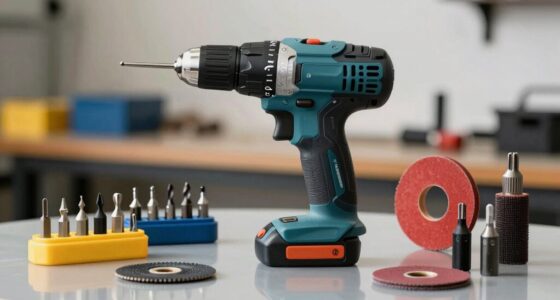
Power tool selection is another critical aspect of setting up a good mechanic toolkit. Not all power tools are created equal, and choosing the right ones can make all the difference. For home repairs, you want versatile, durable, and easy-to-use options. A cordless drill with a variety of bits should be at the top of your list because it handles everything from hanging shelves to assembling furniture. Consider a rotary tool for precision work and a jigsaw for cutting through tougher materials like wood or plastic. When selecting power tools, focus on brands known for reliability, and don’t skimp on quality—cheap tools often break or underperform when you need them most. Investing in reliable brands can ensure your tools last longer and perform better over time. Additionally, choosing tools with ergonomic design can reduce fatigue during prolonged projects. Having proper maintenance practices in place for your tools also extends their lifespan and keeps them functioning smoothly. An organized storage system further enhances your efficiency by keeping your tools in good condition and easy to find. Incorporating tool durability as a key factor in your selection process helps prevent the frustration of frequent replacements.
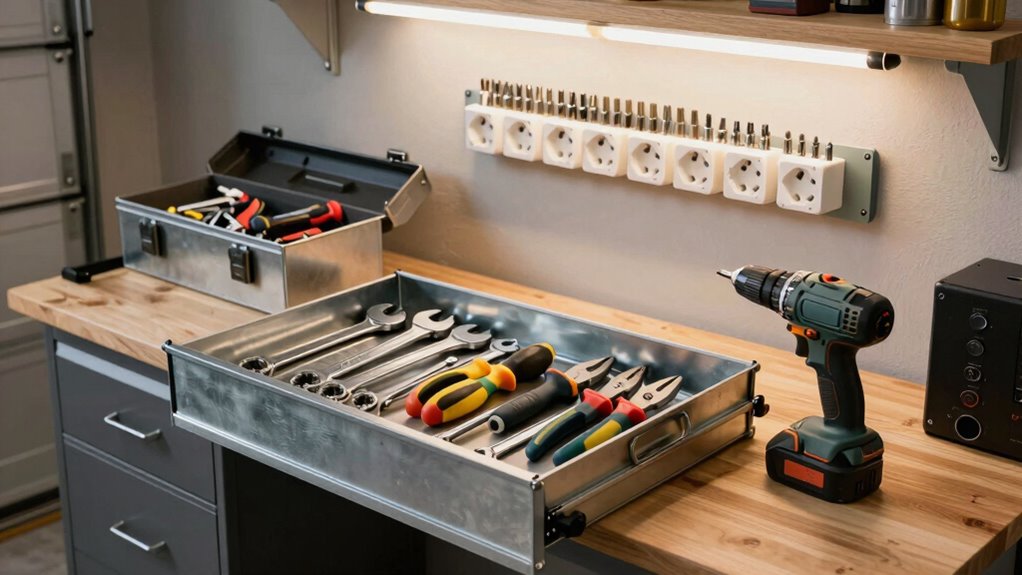
Beyond tools, think about your storage solutions. A sturdy toolbox or a pegboard helps keep your tools organized, accessible, and in good condition. This way, you won’t waste time searching when a repair needs immediate attention. Additionally, safety gear like gloves, goggles, and ear protection should be part of your setup to keep you safe during more demanding repairs. Remember, a comprehensive tool setup not only makes repairs easier but also helps prevent accidents caused by improper handling or disorganized tools.
Finally, your mechanic setup should be adaptable. As you gain experience, you’ll discover new tools that suit specific tasks. Start with the essentials—good hand tools, a reliable automotive diagnostic device, and a selection of power tools—and expand your collection thoughtfully. The goal is to create a toolkit that’s all-encompassing yet manageable, so you’re never caught unprepared. With the right tools, you’ll handle home repairs confidently, whether it’s fixing a leaky faucet, troubleshooting your vehicle, or assembling new furniture. Building a solid mechanic setup is an investment that pays off in saved time, money, and peace of mind.
As an affiliate, we earn on qualifying purchases.
Frequently Asked Questions
How Do I Organize My Mechanic Tools for Quick Access?
To organize your mechanic tools for quick access, start with efficient tool storage, like a toolbox or wall-mounted rack, to keep everything visible and reachable. Use tool labeling to identify each tool easily, saving time searching. Group similar tools together—screwdrivers, wrenches, pliers—and arrange them logically. Regularly declutter and maintain your setup, so your tools stay organized and ready whenever you need them for home repairs.
What Safety Gear Should I Use With My Mechanic Tools?
You should always wear protective gloves to prevent cuts, burns, or chemical exposure while working with mechanic tools. Eye protection, like safety goggles, is essential to shield your eyes from debris, sparks, or fluid splashes. Make sure your safety gear fits well and is in good condition. Using the right safety equipment keeps you safe and allows you to work confidently and efficiently during home repairs.
How Often Should I Upgrade or Replace My Tools?
You should upgrade or replace your tools regularly based on usage and wear. Keep up with tool maintenance by cleaning and inspecting them often, and guarantee proper tool calibration for accuracy. If a tool shows signs of damage, rust, or decreased performance, it’s time for an upgrade or replacement. Regularly checking your tools helps maintain safety, efficiency, and precision during home repairs, saving you time and preventing accidents.
Are There Eco-Friendly or Sustainable Tool Options?
You can make a positive impact by choosing eco-friendly tools crafted from sustainable materials. These options often feature recycled metals, biodegradable handles, or responsibly sourced wood, helping you reduce your environmental footprint. Eco-friendly tools not only support sustainability but also tend to be durable and reliable. By selecting such tools, you embrace a greener approach to home repairs, turning everyday tasks into meaningful contributions toward a healthier planet.
How Do I Prevent Rust and Corrosion on Tools?
To prevent rust and corrosion on your tools, focus on proper tool maintenance and rust prevention techniques. After each use, wipe your tools clean and dry them thoroughly. Apply a light coat of oil or rust inhibitor to metal surfaces to create a protective barrier. Store tools in a dry, cool place, and consider using silica gel packs or dehumidifiers in your toolbox to control moisture levels. Regularly inspect your tools for early signs of rust.
As an affiliate, we earn on qualifying purchases.
Conclusion
So, with your trusty toolkit assembled, you’re basically the superhero of home repairs—minus the cape, of course. Just imagine wielding that perfect wrench like Thor’s hammer or twisting screws with the finesse of a Jedi. Soon enough, your house will be as sturdy as a fortress, and you’ll be the hero who saved the day—one screw and bolt at a time. Who knew fixing stuff could look so epic?
As an affiliate, we earn on qualifying purchases.
As an affiliate, we earn on qualifying purchases.
Fall Picks
fall essentials
As an affiliate, we earn on qualifying purchases.