
TL;DR

Get business pricing on tools and workshop supplies
- Business-only prices and quantity discounts
- Tax-exempt purchasing
- Multiple users, one account, clear invoices
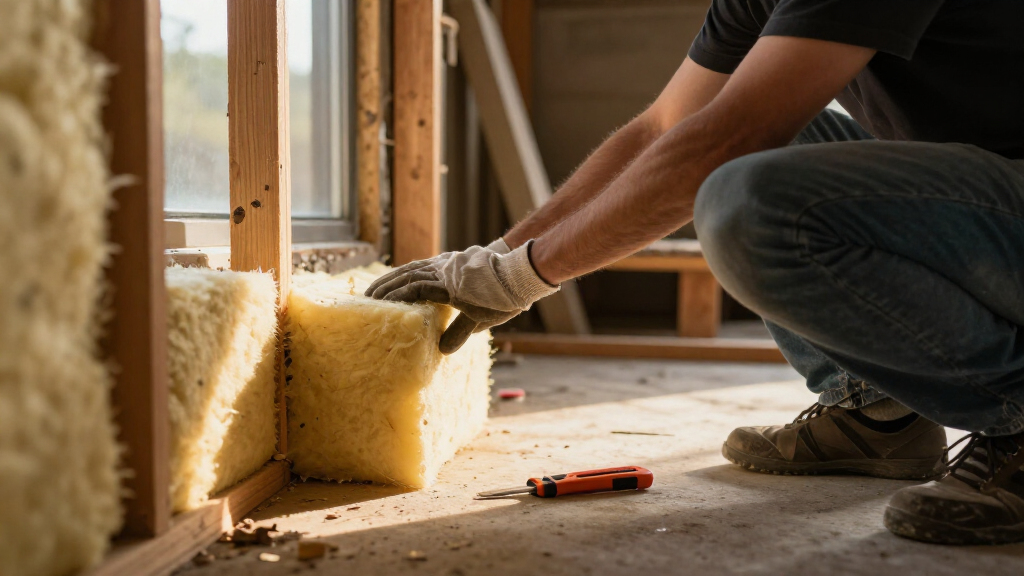
A Family Handyman winterization guide, based on contractor interviews, identifies ten areas homeowners should insulate before winter: attic and roof spaces, exterior walls, windows and doors, pipes, basements, garages, ductwork and small air leaks. Experts say air sealing plus insulation protects plumbing from freezing and limits winter energy bill spikes.
A fall winterization checklist from Family Handyman identifies ten areas of the home that contractors say should be insulated before cold weather sets in, from attic floors and exterior walls to exposed pipes and HVAC ductwork. The guide draws on interviews with roofing and HVAC contractors and frames the work as protection against two winter problems: freezing pipes and avoidable spikes in heating bills at a time when prices are rising across the board.
The experts make a distinction that runs through the whole guide: air sealing and insulation are separate jobs, and a house needs both. “Sealing gaps goes a very long way with improving overall insulation,” says Andre Kazimierski of HomeHero Roofing, but sealing alone is not enough. Reducing heat transfer through wood, metal and other building materials, he says, takes actual insulation.
The attic and roof spaces are described as the top priority. Aging roofs develop gaps that let cold air into the attic and then into the home, so Kazimierski recommends a professional roof inspection — a job for a licensed roofer, especially on older roofs — plus rigid foam or spray insulation under the roof deck and fiberglass batt or blown-in insulation on the attic floor. Bob Cardwell of Cardwell HVAC adds that spring is actually the best season for attic insulation work, though fall preparation still pays off.
The remaining items on the list: exterior walls (blown-in insulation for finished walls, spray foam for gaps); window and door seals (replace shrunken rubber seals and worn weatherstripping, add door sweeps); pipes near exterior walls and in unheated spaces (foam sleeves, or electric heat cable where temperatures drop below 32 degrees); rim joists and foundation penetrations in basements and crawl spaces (closed-cell foam, expanding foam and caulk); garage walls shared with the house; HVAC ductwork joints (sealed with mastic and UL-listed foil tape, not ordinary duct tape, which Cardwell says dries out); and electrical outlet gaskets and other small gaps. Cardwell notes that a surprising amount of cold air enters through outlets and where pipes and wires penetrate walls.
Why Insulation Work Pays Off Before Cold Weather
According to the contractors cited in the report, the stakes go beyond comfort. Proper insulation protects water pipes from freezing, a failure mode that can cause extensive damage, and keeps the HVAC system from overworking, which drives up winter energy costs. The report notes that winter energy bills commonly rise, and frames insulation as a way to avoid an unreasonable spike at a time when prices are increasing broadly. For owners of older homes in particular, several of the flagged problems — hardened door seals, leaking duct joints, aging roof gaps — worsen gradually and are easy to miss until temperatures drop.
Contractor Advice Behind the Checklist
The checklist is built on interviews with three contractors: Kazimierski, Cardwell, and roofer Cody Purtle of Silver Ridge Roofing. Their advice reflects how heat moves through a building. Purtle points out that warm air rises, so inadequate attic insulation lets significant heat escape through the roof — the reason he starts there. Cardwell explains that poorly insulated brick and concrete walls act like heat sinks, absorbing indoor heat and radiating it outdoors, while wood siding provides some insulation value but not enough on its own. The guide also flags damp-environment choices: closed-cell foam is recommended over open-cell in basements, and moisture-resistant materials in garages, because both spaces tend to be wet in winter.
“Sealing gaps goes a very long way with improving overall insulation.”
— Andre Kazimierski, HomeHero Roofing
Costs, Savings and Climate Limits Not Specified
The report does not quantify how much money the recommended work saves or what it costs to complete, and it does not address how much insulation existing homes already have — a variable that depends on the individual house. Some recommendations also depend on conditions the homeowner must verify, such as whether duct joints actually leak (checked by feeling for escaping air while the system runs) and whether pipe locations fall below freezing. The guide does not specify regional variations; advice like insulating pipes in unheated spaces matters more in colder climates. For roof inspections and any work involving electrical or structural elements, the report’s own guidance points toward using qualified professionals.
Fall Inspection Steps Homeowners Can Take Now
The report’s practical sequence for homeowners this fall: check door and window seals and weatherstripping, feel for drafts at the ceiling and around outlets, and have a roofer inspect an older roof for gaps. Larger jobs — blown-in wall insulation, attic top-ups, duct sealing — can be scheduled with contractors before the heating season peaks. Cardwell’s longer-range advice is to plan attic insulation for spring, when weather is more forgiving, so that next winter starts with the highest-priority area already addressed.
Key Questions
What is the first thing to insulate before winter?
The contractors interviewed agreed the attic and roof spaces come first. Because warm air rises, significant heat can escape through an under-insulated roof, so the attic floor and roof deck are the highest-priority areas.
Do all water pipes need insulation for winter?
No. According to Cardwell, the priority is pipes near exterior walls and in unheated spaces like attics, basements and crawl spaces. Foam sleeves work for exposed pipes; electric heat cable is advised where temperatures regularly drop below 32 degrees.
When is the best time to insulate an attic?
Cardwell says spring is actually the best season for attic insulation, though the checklist encourages fall inspection and sealing of gaps so the coming winter is not wasted heat.
Can I use regular duct tape on HVAC ductwork?
No. Cardwell says ordinary duct tape dries out and performs poorly on HVAC ducts. He recommends sealing joints and seams with mastic or UL-listed foil tape.
Should a garage be fully insulated?
Generally no, per the report — but any garage wall shared with the house should be insulated, preferably with moisture-resistant material like closed-cell spray foam or rigid foam board, since garages tend to be damp in winter.
Source: rss
Fall Picks
fall essentials
As an affiliate, we earn on qualifying purchases.