
TL;DR
A HelloNation article featuring John Michael Nixa of West Side Lumber outlines how homeowners can choose pressure-treated lumber for outdoor projects. It distinguishes above-ground from ground-contact treatment and stresses that treatment ratings, structural strength and compatible hardware serve different purposes.
HelloNation has published an article featuring John Michael Nixa, owner and operating manager of West Side Lumber in Macomb, Illinois, on choosing pressure-treated lumber for outdoor projects. The guidance focuses on matching treatment ratings to moisture exposure and separately checking lumber grades, dimensions and hardware for structural use.

Get business pricing on tools and workshop supplies
- Business-only prices and quantity discounts
- Tax-exempt purchasing
- Multiple users, one account, clear invoices
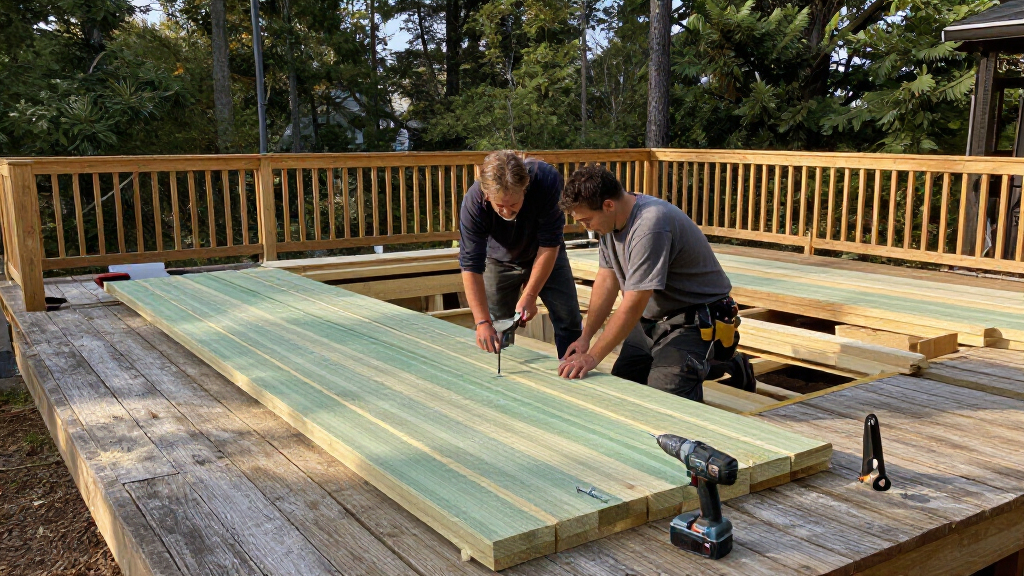
The article distinguishes above-ground treatment, generally used for deck boards and fence rails that can dry after rain, from ground-contact treatment, which offers greater protection for posts, landscaping materials and supports exposed to lasting moisture. It says ground-contact lumber may also be appropriate where poor airflow or persistently damp conditions keep wood wet, even if it does not touch soil.
Nixa’s guidance also addresses how rain, snow and humidity can affect treated wood. Lumber can absorb water and swell, shrink or crack over time. Spacing deck boards to let water drain and allowing airflow around fences and other structures can reduce trapped moisture, according to the article.
For framing and supports, homeowners should check wood dimensions and grades, as well as the expected loads and spacing between supports. The article cautions that a treatment rating indicates protection against decay and insects, not a board’s structural strength. It also recommends fasteners and connectors approved for treated wood, since incompatible hardware can corrode and weaken connections.
Choose lumber for exposure and use
John Michael Nixa of West Side Lumber explains how to match treatment to moisture exposure while checking structural needs and compatible hardware separately.
Match treatment to moisture
Where the wood will sit and how long it stays damp guide the treatment choice.
- Deck boards and fence rails that can dry after rain
- Allow drainage and airflow to limit trapped moisture
- Posts, landscaping materials and supports exposed to lasting moisture
- Consider where poor airflow keeps wood persistently damp
Check structural requirements
Treatment ratings concern decay and insect protection; they do not show whether lumber can carry a load.
Confirm they suit the framing or support use.
Account for expected loads and distance between supports.
Check applicable codes and product choices for your project.
Plan for drainage and upkeep
Leave room for water
Space deck boards for drainage and allow airflow around fences and other structures.
Limit trapped moisture
Remove leaves and dirt, and consider a suitable water-repellent finish.
Use approved hardware
Choose fasteners and connectors approved for treated wood to reduce corrosion risk.
Matching Treatment to Exposure
The guidance matters because choosing lumber by the label “pressure-treated” alone does not establish that it suits a particular location or structural task. Exposure conditions affect the level of protection needed, while grades, dimensions and support spacing determine whether a piece is appropriate for framing or carrying loads.
Those are separate decisions: more intensive treatment does not automatically make a board structurally stronger. Planning for drainage and ventilation, and selecting compatible fasteners, can also help reduce moisture problems and connection failure. The article offers general selection guidance; it does not provide project-specific engineering or code determinations.
Products Worth Considering

Levoit Core 600S-P Smart Air Purifier for Large Rooms up to 2933 ft²

Dyson V9 Motorbar Cordless Vacuum

Dyson Cyclone V10 Origin Cordless Vacuum
As an affiliate, we earn on qualifying purchases.
The Article’s Practical Guidance
The announcement describes a HelloNation article about choosing pressure-treated lumber for decks, fences, landscaping and other outdoor construction. It attributes the advice to John Michael Nixa of West Side Lumber, a building materials supplier in Macomb, Illinois.
The article groups its recommendations around four related choices: where the wood will be installed, how much moisture it is likely to face, what structural demands it must meet, and which maintenance practices and hardware are suitable. It also notes that local building codes may apply to decks and other structures. The supplied announcement does not identify particular code requirements or provide a project-specific lumber schedule.
Project Details Still Matter
The supplied announcement does not include the article’s publication date, specific treatment-label standards, or detailed product recommendations. It also does not specify lumber species, grades, dimensions, load calculations or local code rules for a particular deck, fence or other project. Those requirements vary by application and location, so the general advice does not establish which product or design is suitable for an individual build.
The announcement summarizes Nixa’s guidance but does not provide additional technical testing or independent verification of product performance. Homeowners will need to check the lumber’s label and applicable local requirements for their own project.
Check Labels Before Building
Before buying, homeowners can identify whether each board will touch soil or remain exposed to persistent dampness, then check the treatment label against that exposure. For framing and supports, they should also verify grade, dimensions and load requirements, and confirm that screws, nails and connectors are approved for use with treated lumber.
During planning, the article recommends allowing drainage and airflow; after construction, removing leaves and dirt and considering a suitable water-repellent finish can help limit moisture buildup. The release points readers to local building codes but gives no specific permit or inspection schedule. The next step for any project is to confirm applicable requirements and product choices with local building officials or a qualified building professional where needed.
Key Questions
What is pressure-treated lumber commonly used for?
It is commonly used for decks, fences, landscaping and other outdoor structures exposed to moisture or insects. The appropriate treatment depends on where the lumber will be installed.
When may ground-contact lumber be needed?
It is intended for wood touching soil or exposed to long-lasting moisture. The article also says poor airflow and persistently damp conditions may call for stronger protection, even without direct soil contact.
Does pressure-treated lumber still need maintenance?
Yes. The article recommends removing debris that traps moisture, planning for drainage and airflow, and considering a suitable water-repellent finish.
Why do fasteners need to be compatible with treated wood?
Incompatible screws, nails or connectors can corrode and weaken connections. Check that hardware is approved for use with the treated lumber.
Does a treatment rating show that lumber is strong enough for a deck?
No. A treatment rating concerns protection against decay and insects; it does not establish structural strength. Grades, dimensions, loads and support spacing also matter.
Source: prnewswire.com