
To troubleshoot low water pressure, start by inspecting your fixtures for mineral buildup. Soak showerheads and faucets in vinegar, then scrub away deposits with an old toothbrush. Check that your main valve is fully open and that the water pressure regulator isn’t set too low. If pipes are rusty or corroded, you may need professional help. Using simple tools like wrenches and flashlights can uncover hidden issues—explore further to pinpoint the cause and fix it yourself.
Key Takeaways
- Check and clean showerheads and fixtures with vinegar and a toothbrush to remove mineral buildup causing low pressure.
- Inspect exposed pipes for corrosion or blockages, and replace damaged galvanized pipes if necessary.
- Ensure main shut-off valve is fully open and examine the water pressure regulator for proper adjustment.
- Use basic tools like a wrench, flashlight, and vinegar soak to identify and fix common plumbing issues yourself.
- If DIY fixes fail, consult a professional plumber to diagnose complex problems like extensive corrosion or pipe blockages.
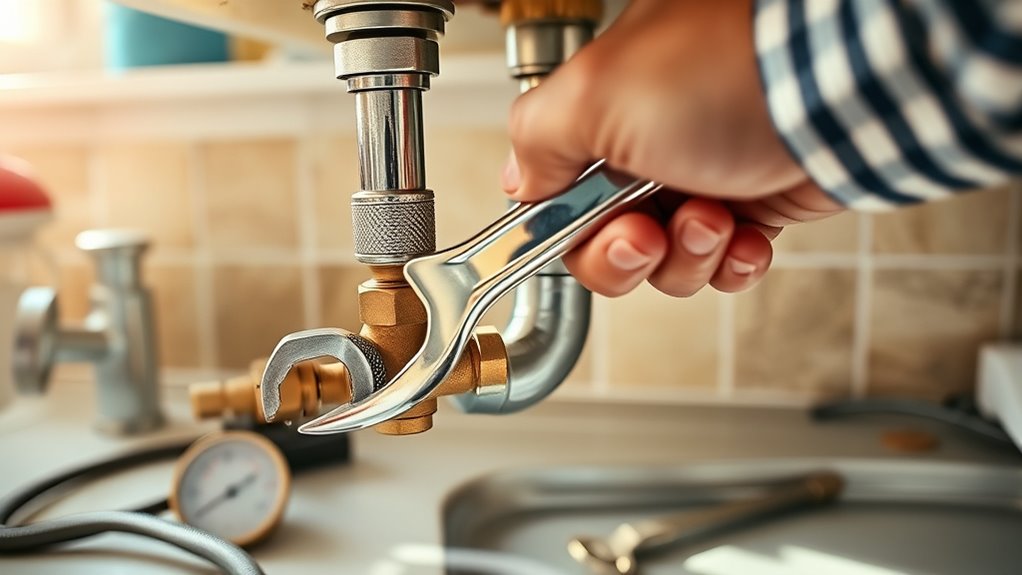
Low water pressure can disrupt your daily routine and make simple tasks frustrating. When your shower feels like a trickle or your sink barely drips, it’s tempting to call a plumber immediately. But often, the problem is something you can identify and fix yourself. One common cause of reduced water flow is a showerhead blockage. Over time, mineral deposits from hard water can accumulate inside the showerhead, blocking the tiny holes that let water flow freely. This buildup restricts water and lowers pressure, especially if you notice the pressure is weaker in just one fixture. To fix this, unscrew the showerhead and soak it in a mixture of vinegar and water for several hours. This dissolves mineral deposits. After soaking, scrub away any remaining buildup with an old toothbrush, then rinse and reinstall. If you still experience low pressure after this, the issue might lie deeper in your plumbing system.
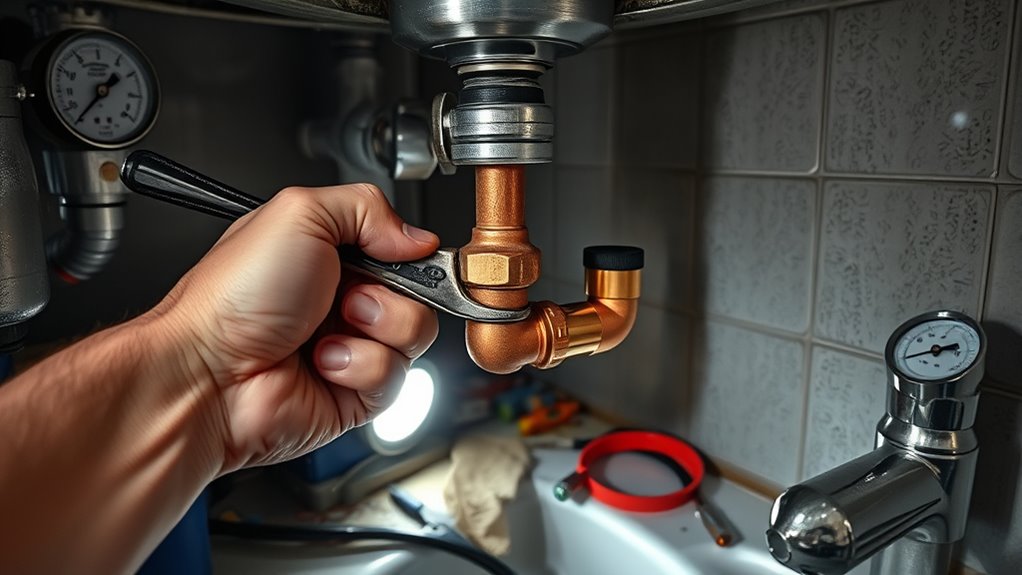
Pipe corrosion is another frequent culprit behind persistent low water pressure. If you’ve got old galvanized pipes, rust and corrosion can develop over the years, narrowing the pipes’ interior diameter or causing blockages. Corrosion can also lead to leaks, which further reduce pressure. To check for this, look for brownish water, rusty stains around fixtures, or visible corrosion on exposed pipes. If you suspect corrosion, shut off the main water supply before inspecting. You might notice a decrease in overall pressure throughout your home. In such cases, replacing corroded pipes is often the most effective solution, though it can be a more involved project. If you’re comfortable working with plumbing, you can try to remove and replace sections of pipe. Otherwise, calling a professional is a safer choice.
While these issues are common, don’t forget to check your water pressure regulator if your home has one. Sometimes, adjusting or replacing the regulator can restore proper pressure. Also, ensure your main shut-off valve is fully open; sometimes, a partially closed valve can mimic low water pressure. Remember, small issues like a clogged aerator or a partially closed valve are quick to fix and can make a big difference. Carefully inspect all fixtures, and clean or replace components as needed. With patience and the right tools—such as a wrench, vinegar, and a flashlight—you can troubleshoot many causes of low water pressure yourself. In cases where the problem stems from pipe corrosion or extensive buildup, professional help will ensure your plumbing is repaired correctly and safely, restoring your water flow and peace of mind. Additionally, consulting plumbing systems can provide insights into more complex issues affecting water pressure.
Frequently Asked Questions
How Do I Identify a Clogged Aerator or Faucet Restrictor?
To identify a clogged aerator or faucet restrictor, remove the aerator from your faucet and inspect it. If water flow is reduced, clean the aerator by soaking it in vinegar to remove mineral buildup. For a faucet restrictor, check for a small screen or mesh inside the faucet’s outlet; removing and cleaning or replacing it can restore pressure. Regular aerator cleaning and faucet restrictor removal help maintain ideal water flow.
Can Low Water Pressure Be Caused by Municipal Supply Issues?
Think of your home’s water pressure as a garden hose; if the municipal supply has issues, it’s like a kink in the hose, limiting flow. Yes, municipal supply problems can cause low water pressure in your home. When the city’s supply is reduced or disrupted, your water pressure drops regardless of your plumbing system’s condition. Check with local authorities or neighbors to see if they’re experiencing similar issues.
What Safety Precautions Should I Take Before Inspecting Plumbing?
Before inspecting your plumbing, you should prioritize safety by wearing personal protective gear like gloves and goggles to prevent injury. Turn off the water supply and ensure electrical safety by shutting off power if working near electrical components. Use proper tools and avoid forcing fittings to prevent damage. Always work in a well-lit, dry area, and if unsure, consider consulting a professional to avoid potential hazards.
How Often Should I Check for Leaks in My Plumbing System?
You should check your plumbing for leaks regularly—at least once a month—to prevent problems and promote pipe preservation. Conduct simple leak detection by inspecting visible pipes, fixtures, and fittings for dampness or drips. Routine pipe maintenance keeps leaks at bay and ensures water works efficiently. Staying vigilant with visual inspections helps catch leaks early, saving you stress, money, and water. Don’t forget: consistent checking maintains your plumbing pristine and problem-free.
Are There Professional Tools Recommended for Diagnosing Water Pressure Problems?
Yes, professionals often use pressure gauges and flow meters to diagnose water pressure problems. These tools help you measure the exact pressure in your pipes and determine if flow restrictions exist. You can rent or buy these devices for DIY troubleshooting, but a plumbing expert has specialized equipment for precise diagnosis. Using pressure gauges and flow meters guarantees you accurately identify issues, making repairs more efficient and effective.
Conclusion
By following these DIY tips and using the right tools, you can confidently diagnose and fix low water pressure issues. While some might think professional help is always necessary, many problems stem from simple clogs or leaks you can handle yourself. Addressing these early not only saves money but also prevents further damage. With patience and attention to detail, you’ll restore peak water flow, ensuring your plumbing system runs smoothly without the need for costly repairs.