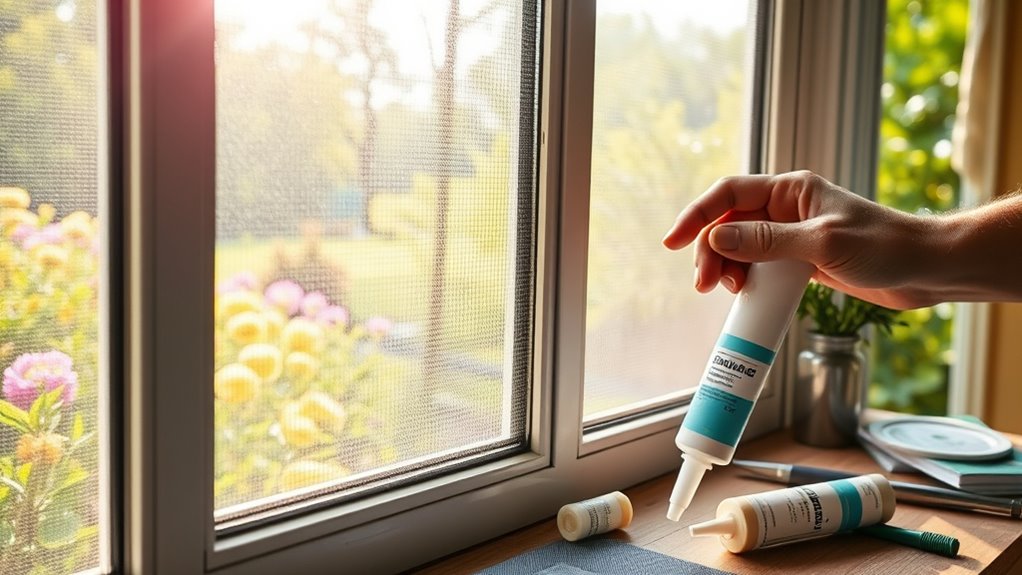

To bug-proof your home for summer, start by inspecting and repairing all screens to patch tears or replace damaged ones. Seal gaps around windows, doors, and entry points using weather-resistant sealant to block pests. Use DIY tricks like installing door sweeps and keeping outdoor lights away from entries with yellow bulbs. Trim shrubs and use natural repellents for extra protection. Keep pests out by combining these strategies—you’ll discover more tips to keep bugs at bay.
Listen free for 30 days with Audible
Thousands of audiobooks and originals — cancel anytime.
As an affiliate, we earn on qualifying purchases.
Key Takeaways
- Inspect and repair window and door screens to prevent pests from entering through tears or holes.
- Seal gaps around windows, doors, vents, and foundation with weather-resistant sealant for a tighter barrier.
- Keep outdoor lighting away from entry points and use insect-repelling bulbs to reduce insect attraction.
- Trim shrubs and grass near the house, and install door sweeps to eliminate pest breeding and entry sites.
- Use natural repellents like citronella candles and maintain screens regularly for comprehensive bug-proofing.
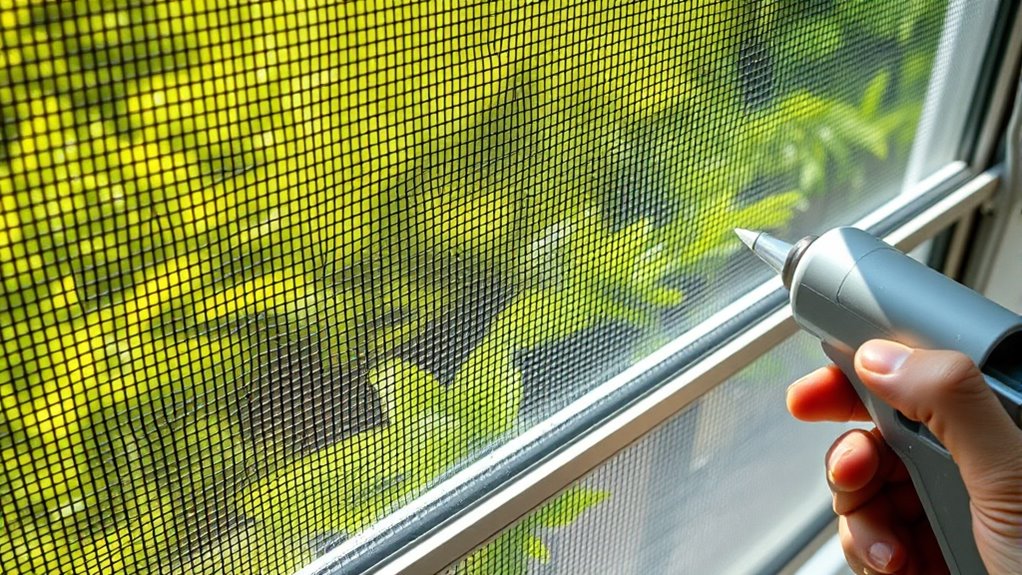
As summer approaches, bugs become more active and enthusiastic to find their way into your home. It’s the perfect time to take proactive steps to bug-proof your space. One of the most effective measures is ensuring your screens are in top shape. Screen repairs can make a significant difference in keeping insects out. Over time, screens can develop tears, holes, or loose edges, which provide easy entry points for bugs. Inspect all your window and door screens thoroughly. If you spot any damage, don’t just wait for things to worsen—repair them promptly. You can patch small tears with screen repair kits, which are affordable and easy to use. For larger holes or extensive damage, consider replacing entire screens. Properly fitted screens prevent pests from sneaking inside when you keep windows or doors open for fresh air.
In addition to maintaining your screens, applying sealant around window frames and door jambs is a vital step. Sealant applications create a tight barrier that bugs find difficult to penetrate. Use a high-quality, weather-resistant sealant to fill gaps, cracks, and seams around these entry points. When applying, make sure to clean the area thoroughly beforehand so the sealant adheres properly. This step not only keeps bugs out but also improves your home’s energy efficiency by reducing drafts. Take your time to inspect all potential entry points—around utility vents, pet doors, and even tiny cracks in the foundation—and seal them well. This proactive approach minimizes the chances of pests finding a way inside. Incorporating proper lighting choices like yellow bulbs can further reduce attraction of insects near entrances.
Beyond repairs and sealant applications, there are simple DIY tricks to enhance your bug-proofing efforts. Keep outdoor lights away from doors and windows, as they tend to attract insects. Use yellow or sodium vapor bulbs instead of bright white lights, which are less attractive to bugs. Regularly trim shrubs and grass near your home, reducing insect breeding grounds close to your house. Installing door sweeps can prevent bugs from crawling underneath. Also, consider using natural repellents like citronella candles or essential oils around entry points for added protection.
As an affiliate, we earn on qualifying purchases.
Frequently Asked Questions
How Often Should I Replace or Repair Window Screens?
You should inspect your window screens regularly and repair them as needed, ideally every 1-2 years, depending on screen materials and damage. If you notice tears, holes, or frayed edges, it’s time to patch or replace them. Frequent repairs help maintain their effectiveness in bug-proofing your home. Keep an eye on wear and tear, and don’t wait too long—prompt repairs guarantee your screens stay durable and functional all summer long.
What Are Eco-Friendly Sealant Options for Pest-Proofing?
For eco-friendly pest-proofing, opt for sustainable materials like natural latex or plant-based sealants. Biodegradable solutions, such as beeswax or soy-based products, work well for sealing gaps without harming the environment. These options are non-toxic, renewable, and break down naturally, making them perfect for eco-conscious homeowners. Using such sealants helps keep pests out while reducing your ecological footprint and supporting sustainable living.
Can DIY Bug-Proofing Methods Prevent All Types of Insects?
Sure, your DIY bug-proofing methods might scare away some insects, but don’t expect them to be foolproof. Insect behavior varies wildly—some bugs are tiny ninjas that slip through cracks, while others are stubborn enough to chew through sealants. While diligent DIY maintenance can block many pests, it won’t prevent every single insect. Think of it as a hopeful, slightly flawed shield—effective but not invincible.
Are There Specific Screens for Preventing Mosquito Entry?
Yes, there are specific screens designed to prevent mosquito entry. You can upgrade your existing screens with finer mesh options, such as insect screens with smaller holes that keep out mosquitoes effectively. Additionally, consider screen frame options that provide a snug fit, reducing gaps where mosquitoes could enter. By choosing the right mesh upgrades and secure framing, you enhance your home’s protection against these pesky insects during summer.
How Do Weather Conditions Affect the Durability of DIY Screen Repairs?
Weather conditions can impact the durability of your DIY screen repairs greatly. Harsh winter storms, heavy rain, and strong sun can weaken materials over time. To guarantee longevity, perform seasonal maintenance by inspecting and resealing screens regularly. Choose durable materials suited for your climate, like fiberglass or aluminum, which withstand weather better. Proper material selection and timely upkeep will help your screens resist damage and keep bugs out all season long.
weather-resistant sealant for windows
As an affiliate, we earn on qualifying purchases.
As an affiliate, we earn on qualifying purchases.
Conclusion
Think of your home as a fortress, ready to withstand the summer invaders. By installing screens, sealing gaps, and using simple DIY tricks, you create an invisible barrier that keeps pests at bay. Just as a well-guarded castle withstands sieges, your proactive efforts ensure peace and comfort inside. With these strategies, you turn your home into a sanctuary—an unassailable fortress, welcoming only good things in and keeping the bugs out.
insect-repelling yellow light bulbs
As an affiliate, we earn on qualifying purchases.
As an affiliate, we earn on qualifying purchases.
As an affiliate, we earn on qualifying purchases.
Flea & tick season Picks
flea and tick prevention
As an affiliate, we earn on qualifying purchases.