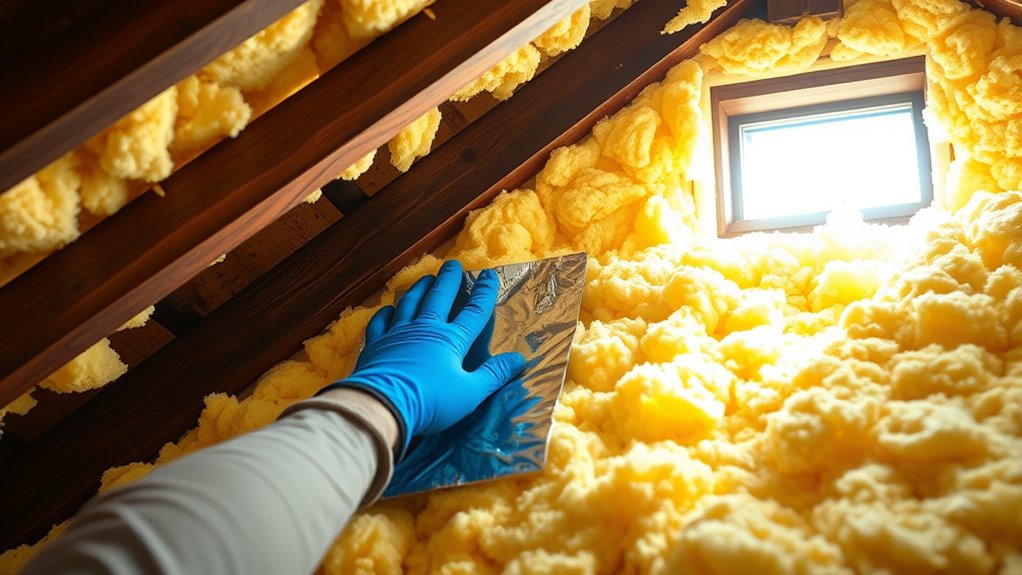

To weatherproof your home and lower energy bills, start by sealing gaps around windows, doors, outlets, and attic hatches using caulk or foam sealant. Add insulation to your attic and walls to keep heat in during winter and out during summer. Installing thermal curtains and door sweeps creates an extra barrier against drafts. For more effective tips and step-by-step guidance, explore simple DIY solutions that can make a noticeable difference.

Get business pricing on tools and workshop supplies
- Business-only prices and quantity discounts
- Tax-exempt purchasing
- Multiple users, one account, clear invoices
Key Takeaways
- Seal gaps around windows, doors, outlets, and attic hatches with weatherstripping, foam sealants, or draft stoppers to prevent heat loss.
- Install thermal curtains properly to create an insulating barrier that maintains indoor temperature and reduces HVAC usage.
- Insulate attics and walls with fiberglass, spray foam, or blown-in insulation to minimize heat transfer through the most vulnerable areas.
- Use door sweeps on exterior doors and door insulation to seal gaps at thresholds and block drafts effectively.
- Regularly inspect and maintain seals around windows, doors, and electrical outlets to ensure ongoing airtightness and energy efficiency.
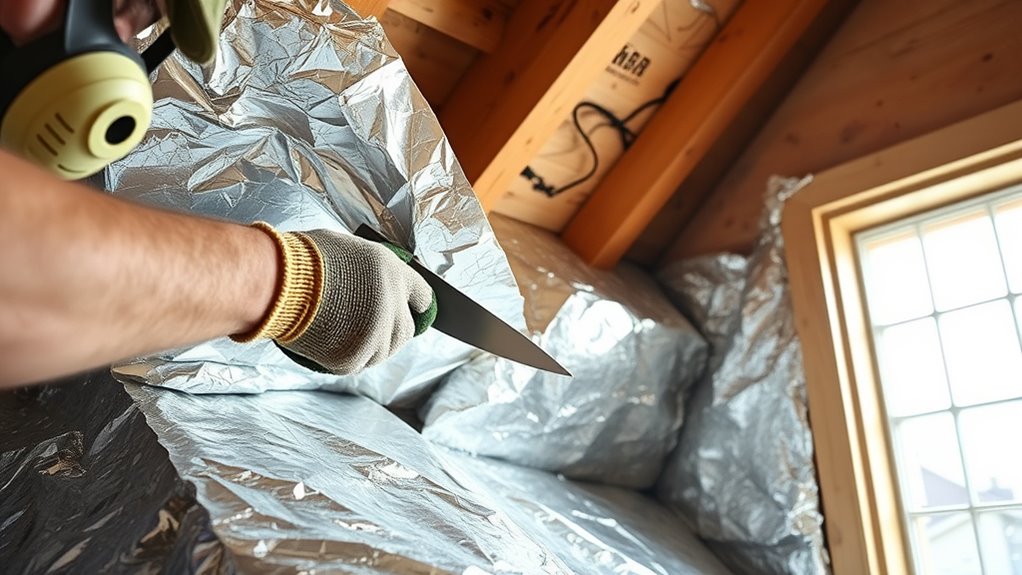
Insulating your home yourself can save you money and improve energy efficiency, but it requires careful planning and the right techniques. One of the simplest ways to start is by focusing on sealing gaps and drafts that let cold air in and warm air out. Thermal curtains are a great investment because they add an extra layer of insulation to your windows. When drawn, they help trap heat inside during winter and block out heat during summer, reducing your reliance on heating and cooling systems. To make the most of thermal curtains, install them properly so they fit snugly against the window frame, preventing drafts from sneaking in around the edges.
Another effective way to block drafts is by installing door sweeps. Door sweeps are inexpensive and easy to attach to the bottom of exterior doors, creating a seal that keeps cold air out and warm air in. Properly fitting door sweeps can substantially lower your energy bills by reducing heat loss through gaps at the door threshold. When installing, ensure the sweep brushes or rubber seals sit tightly against the floor, but don’t create a barrier that makes opening and closing difficult. Regularly check door sweeps for wear and replace them as needed to maintain an effective seal.
In addition to thermal curtains and door sweeps, you should inspect your home for other draft sources, such as gaps around electrical outlets, light switches, and attic hatches. Foam sealant or draft stoppers can be used to plug these gaps, making your home more airtight. Pay special attention to areas where walls meet windows and doors, as these are common spots for air leaks. Caulking and weatherstripping are your best tools here, providing a long-lasting seal that keeps your home warmer in winter and cooler in summer.
When working on insulation projects, it’s vital to prioritize areas with the highest heat loss. Insulating your attic, for example, can dramatically cut energy bills because heat rises and escapes through uninsulated spaces. Use appropriate insulation materials like fiberglass batts or spray foam, and make sure they fit tightly into the spaces. For walls, consider blown-in insulation if you’re not comfortable removing drywall, or use foam boards for easy installation. Additionally, understanding the importance of contrast ratio in your insulation choices can help ensure that your home retains heat more effectively, leading to greater energy savings.
weatherproofing door draft stopper
As an affiliate, we earn on qualifying purchases.
As an affiliate, we earn on qualifying purchases.
Frequently Asked Questions
How Do I Choose the Right Insulation Material for My Climate?
To choose the right insulation material, consider your climate’s specific needs. For colder areas, opt for insulation types like spray foam or fiberglass that provide better thermal resistance. In warmer climates, reflective or radiant barriers work well to reduce heat gain. Always factor in climate considerations, such as humidity and temperature fluctuations, to guarantee your insulation effectively maintains comfort and energy efficiency year-round.
What Safety Precautions Should I Take During DIY Insulation Projects?
Did you know improper insulation work can cause health issues? Always wear personal protective gear, like gloves, masks, and goggles, to avoid irritation from dust and fibers. Make certain proper ventilation in your workspace, especially when handling materials that emit fumes or particles. Keep a first aid kit nearby, and follow manufacturer instructions carefully. Taking these safety precautions helps you stay safe while effectively insulating your home yourself.
How Often Should Home Insulation Be Inspected or Replaced?
You should inspect your home insulation annually to catch any damage or moisture issues early. Typically, follow the inspection schedule and replacement guidelines, replacing insulation every 15-20 years or when it shows signs of mold, pest infestation, or significant settling. Regular checks help maintain energy efficiency and prevent costly repairs. Keep an eye on areas like attics and crawl spaces, ensuring your insulation remains effective and in good condition.
Can Insulation Completely Eliminate Energy Loss in My Home?
Insulation can’t completely eliminate energy loss, but it considerably reduces it. You should address thermal bridges and verify proper vapor barriers to maximize efficiency. Thermal bridges allow heat to bypass insulation, so sealing these gaps improves insulation’s performance. Vapor barriers prevent moisture buildup, which can diminish insulation effectiveness. While no solution is perfect, proper installation and maintenance of these elements help you cut energy bills and keep your home more comfortable.
Are There Any Government Rebates or Incentives for DIY Insulation Upgrades?
Think of government rebates as hidden treasure chests waiting to be opened. Yes, there are often government rebates and DIY incentives available for insulation upgrades, making it easier and cheaper to weatherproof your home. These incentives can cover a portion of your costs, turning your DIY project into a smart investment. Check local programs and government websites to discover the current rebates that can help you save on energy bills.
thermal insulated curtains for windows
As an affiliate, we earn on qualifying purchases.
As an affiliate, we earn on qualifying purchases.
Conclusion
By sealing gaps and adding insulation yourself, you can cut your energy bills substantially—up to 20% according to recent studies. Not only does this boost your home’s comfort, but it also saves you money month after month. Taking these simple DIY steps empowers you to weather the seasons more efficiently. So, roll up your sleeves and get started—your wallet and your home will thank you for it!
attic insulation fiberglass batts
As an affiliate, we earn on qualifying purchases.
As an affiliate, we earn on qualifying purchases.
As an affiliate, we earn on qualifying purchases.
Fall yard work Picks
leaf blowers
As an affiliate, we earn on qualifying purchases.