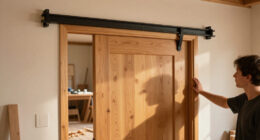
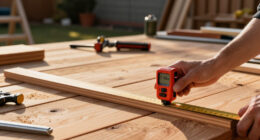
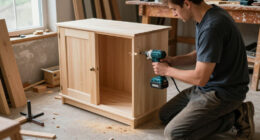
To set up your home gym, you’ll need essential tools like a drill, stud finder, level, and appropriate anchors for mounting equipment securely. Use the stud finder to locate wall studs before installing heavy gear like pull-up bars, and make sure everything is level for safe use. For mats, choose rubber or interlocking foam tiles that fit snugly and provide safety. If you keep exploring, you’ll discover more tips to create a safe and flexible workout space.

Get tools and workshop supplies delivered free — and shop member deals
- Fast, free delivery on millions of items
- Access to Prime Big Deal Days deals on October 6–7
- Prime Video, Amazon Music and more included
Key Takeaways
- Use a stud finder to locate wall studs for secure mounting of heavy equipment.
- Mark mounting points accurately with a pencil and level before drilling.
- Select appropriate anchors and hardware based on equipment weight and wall type.
- Ensure all mounts and fixtures are tightly secured and double-checked for stability.
- Gather essential tools: drill, screwdriver, level, pencil, and anchors for a safe setup.

Creating a DIY home gym is an affordable and convenient way to stay fit without leaving your house. When it comes to mounting equipment and adding mats, the right tools and accessories make all the difference. You’ll want to start by selecting portable accessories that can easily be moved or adjusted as your workout needs evolve. These include adjustable dumbbells, resistance bands, and portable racks, which don’t require permanent fixtures and help maximize space. Using portable accessories allows you to customize your gym setup without the hassle of complex installations or heavy equipment that’s difficult to relocate.
Opt for portable, adjustable accessories to easily customize and maximize your home gym space.
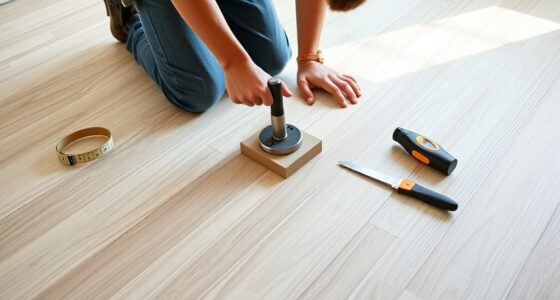
Next, focus on choosing the best flooring options for your workout area. Your flooring should be durable, slip-resistant, and capable of absorbing impact. Rubber mats are a popular choice because they provide excellent shock absorption and protect your floors from heavy weights or high-impact exercises. Interlocking foam tiles are another option, offering easy installation and customization of size and shape. When installing these mats, ensure they fit snugly together to prevent tripping hazards and to create a stable workout surface. Proper flooring not only enhances safety but also prolongs the life of your equipment and flooring underneath. Additionally, selecting a home theater projector with high contrast ratios can improve the visibility of your workout videos or virtual classes, making your fitness sessions more engaging and easier to follow.
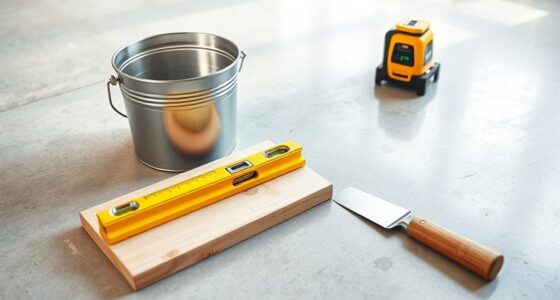
Mounting equipment securely is essential for safety and stability. For wall-mounted racks, pull-up bars, or other fixed gear, you’ll need specific tools such as a drill, stud finder, level, and appropriate anchors. Before drilling, locate the wall studs to ensure the mounts are anchored into solid support, preventing accidents or equipment damage. Mark the placement carefully with a pencil and double-check your measurements before drilling. Use a level to make sure everything is aligned perfectly, especially for pull-up bars or shelves. When attaching heavier equipment, always opt for heavy-duty anchors that can bear the weight and provide a sturdy hold.
For lighter or portable equipment, mounting may not be necessary. Instead, focus on creating designated zones with proper flooring and storage solutions. Use wall-mounted shelves or hooks to keep accessories like resistance bands, jump ropes, or smaller weights organized and within reach. This keeps your space tidy and safe, reducing clutter that could cause accidents.
As an affiliate, we earn on qualifying purchases.
Frequently Asked Questions
What Are the Best Storage Solutions for Gym Equipment?
To keep your gym organized, use storage containers for smaller items like resistance bands and gloves, making them easy to access and prevent clutter. Wall hooks are perfect for hanging equipment such as jump ropes, towels, or even lightweight weights, freeing up floor space. Combining these solutions helps you maximize your workout area, stay tidy, and quickly find what you need, all while maintaining a safe and efficient home gym.
How Do I Prevent Damage to My Walls When Mounting Equipment?
To prevent wall damage when mounting equipment, use sturdy wall anchors designed for your wall type, such as drywall anchors for drywall. Always follow the manufacturer’s weight recommendations. To avoid costly drywall repair later, consider mounting on studs whenever possible, and use appropriate tools. If damage occurs, repair it promptly with drywall patch and paint to keep your space looking fresh. Proper mounting guarantees safety and preserves your walls.
What Safety Measures Should I Follow During Installation?
Ever wonder what safety secrets keep your gym safe during installation? You should always wear safety gear like goggles and gloves to protect yourself. Double-check your equipment anchoring to make certain of stability before use. Use a sturdy ladder or step stool carefully, and keep your workspace clear of debris. Take your time, follow instructions closely, and stay alert—these precautions prevent accidents and keep your home gym safe for everyone.
Can I Mount Heavy Equipment on Drywall?
You can mount heavy equipment on drywall if you reinforce the wall first. Use wall reinforcement techniques, like installing sturdy studs behind the drywall. Also, employ heavy-duty drywall anchors designed for weight support to guarantee stability. Avoid relying solely on drywall screws, as they won’t hold much weight. Proper reinforcement and quality anchors are essential to keep your equipment secure and prevent accidents during workouts.
What Are Budget-Friendly Tools for DIY Gym Setup?
Imagine transforming a corner of your home into a gym with just a few budget tools. You can find affordable equipment like resistance bands, dumbbells, and mats at dollar stores or online. Basic tools such as a screwdriver, a drill with bits, and a stud finder make mounting and setup easy. These budget tools help you create an effective workout space without breaking the bank, turning your space into a personal fitness haven.
As an affiliate, we earn on qualifying purchases.
Conclusion
With your DIY home gym now perfectly set up, you’ve created an unstoppable fortress of fitness that could rival any professional gym. Every mount, every mat, and every piece of equipment is a demonstration of your ingenuity and dedication. Now, as you crush your workouts in this personalized sanctuary, remember—you’ve built a powerhouse that could make even the most elite trainers jealous. Get ready to conquer your fitness goals like never before!
heavy-duty wall anchors for gym equipment
As an affiliate, we earn on qualifying purchases.
As an affiliate, we earn on qualifying purchases.
adjustable dumbbells for home gym
As an affiliate, we earn on qualifying purchases.
As an affiliate, we earn on qualifying purchases.
Halloween Picks
halloween
As an affiliate, we earn on qualifying purchases.