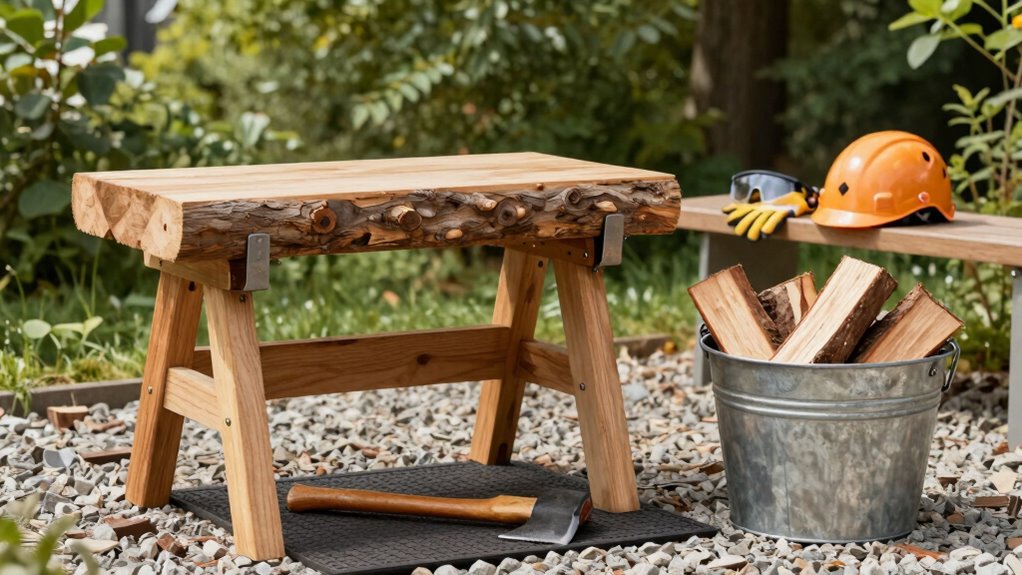

To build a safer firewood processing setup at home, start by wearing the right safety gear, like gloves, safety glasses, and steel-toed boots. Organize your workspace on a stable, flat surface and keep tools properly maintained and stored out of children’s reach. Regularly inspect equipment and guarantee it’s sharp and lubricated. Stay aware of hazards, use log supports, and maintain a clutter-free environment. Continuing will help you discover more tips for safe, efficient firewood processing.
Open a free Amazon Business account
Business pricing, bulk buying and tax-exempt orders.
As an affiliate, we earn on qualifying purchases.
Key Takeaways
- Choose a stable, level workspace with enough room for safe log handling and chopping.
- Use a sturdy, elevated chopping block to reduce strain and improve control.
- Wear full safety gear, including gloves, glasses, and steel-toed boots, during all processing tasks.
- Regularly inspect and maintain tools to ensure optimal safety and performance.
- Keep the area organized and free of clutter to prevent accidents and ensure quick access to safety equipment.
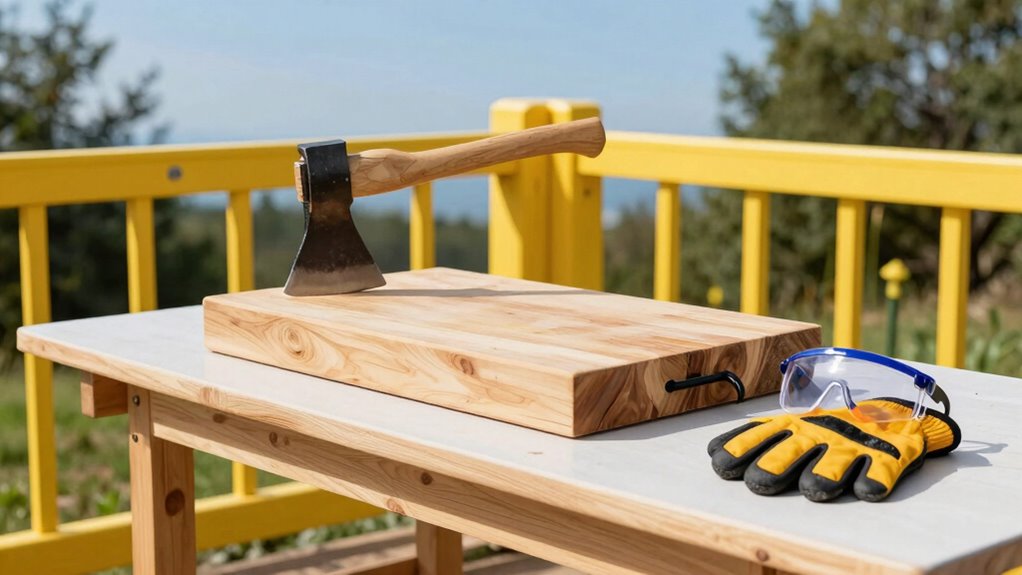
Processing firewood at home can be efficient and enjoyable, but safety should always come first. When you’re handling sharp tools, heavy logs, and powerful equipment, taking precautions helps prevent injuries and guarantees your project stays on track. Starting with the right safety gear is essential. Wear sturdy gloves to protect your hands from splinters and cuts, and always use eye protection like safety glasses to shield your eyes from flying debris. Steel-toed boots provide stability and protect your feet if logs slip or fall. Hearing protection is also worth considering, especially if you’re using noisy equipment like chainsaws or splitters. These safety measures might seem simple, but they’re vital for avoiding accidents and making your firewood processing safer and more comfortable.
Next, pay close attention to equipment maintenance. Regularly inspecting your tools ensures they’re in top condition and reduces the risk of malfunctions. Keep your chainsaw sharp; dull blades require more force and are more prone to kickbacks, which can cause serious injuries. Lubricate moving parts and tighten loose bolts or screws before each use. Clean your equipment after each session to remove sawdust, dirt, and debris that can impair performance or cause rust. Proper maintenance extends the lifespan of your tools and minimizes unexpected breakdowns, which could lead to unsafe situations. Also, store your equipment properly—out of children’s reach and in a dry, secure place—so you don’t accidentally use damaged or unsafe tools. Additionally, understanding equipment safety protocols helps prevent accidents and ensures proper handling during your firewood processing. Taking the time to familiarize yourself with safety guidelines can significantly reduce the risk of injury. Being aware of hazardous situations in your workspace further enhances your safety and preparedness.
When setting up your firewood processing area, choose a stable, level surface with plenty of space to move safely around your work zone. Make sure your chopping block is sturdy and positioned at an appropriate height to reduce strain during chopping. Keep your work area clear of clutter, cords, and other obstacles that could cause trips or falls. Use a log holder or support to keep logs steady while splitting or chopping, and never work on unstable logs or with logs that are too large for your equipment. Always double-check your surroundings and your tools before starting a task. A well-organized, clean workspace combined with properly maintained tools and the right safety gear creates a safer environment for processing firewood at home. By prioritizing these safety measures, you’ll protect yourself and make your firewood gathering and splitting much more efficient and enjoyable.
firewood processing safety gear set
As an affiliate, we earn on qualifying purchases.
As an affiliate, we earn on qualifying purchases.
Frequently Asked Questions
What Safety Gear Is Essential for Firewood Processing?
You should always wear protective gloves and eye protection when processing firewood. Gloves safeguard your hands from splinters, cuts, and abrasions, while eye protection shields your eyes from flying debris and wood chips. Always choose sturdy, well-fitting gear to guarantee safety during chopping, splitting, or stacking. Using these essential safety items helps prevent injuries, making your firewood processing safer and more efficient.
How Often Should Safety Equipment Be Inspected or Replaced?
Your safety gear is like a trusty shield—regular inspections keep it strong. You should check protective clothing and equipment at least once a month, or after heavy use, for tears or wear. Replace any damaged items immediately to stay protected. Proper equipment maintenance guarantees your gear functions effectively, reducing the risk of injury. Staying vigilant with inspections keeps your firewood processing safe and secure every time you work.
Are There Specific Safety Regulations for Home Firewood Processing?
There are no strict, universal safety regulations for home firewood processing, but regulation compliance is essential to guarantee safety. You should follow local codes and guidelines, which may include proper equipment use and protective gear. Conduct regular safety audits to identify hazards, and stay updated on any changes in regulations. Prioritizing safety and adhering to recommended practices helps prevent accidents and creates a safer environment for your firewood work.
How Can I Prevent Pests and Mold in Stored Firewood?
To prevent pests and mold in stored firewood, you should practice pest control by keeping your wood off the ground and using raised racks. Make certain good air circulation to prevent mold growth, and store firewood in a dry, well-ventilated area protected from rain. Regularly inspect your firewood for signs of pests or mold, and remove affected pieces promptly. Proper storage techniques help keep your firewood dry, safe, and ready to burn.
What Are Common Mistakes That Compromise Safety During Firewood Processing?
You often compromise safety during firewood processing by rushing log splitting techniques or neglecting proper firewood drying. Avoid using damaged tools or improper techniques that increase kickback risk. Always wear protective gear, keep your workspace clear, and stabilize logs securely. Failing to inspect tools regularly or rushing through the process can cause accidents. Focus on safe log splitting techniques and guarantee firewood dries thoroughly to prevent hazards and injuries.
firewood chopping safety glasses
As an affiliate, we earn on qualifying purchases.
As an affiliate, we earn on qualifying purchases.
Conclusion
By building a safer firewood processing setup, you’re planting seeds of caution and care in your home. Imagine each log as a piece of your future warmth, protected by the sturdy foundation of safety practices you’ve put in place. When you prioritize safety, you’re not just chopping wood—you’re nurturing a peaceful, resilient fire that will glow steadily through the coldest nights. Your mindful setup becomes the guardian of your cozy, safe haven.
As an affiliate, we earn on qualifying purchases.
As an affiliate, we earn on qualifying purchases.
NFL season / tailgating Picks
team gear
As an affiliate, we earn on qualifying purchases.