TL;DR
House Beautiful has published a room-design feature and video in which associate shopping editor Janae McKenzie presents an IKEA children’s bedroom organized around a child’s point of view. The design combines reachable storage, rugs that define play areas and a reversible bed that can create a private nook; the report does not provide pricing or evidence about how children or families have responded.
House Beautiful has published a video feature in which associate shopping editor Janae McKenzie demonstrates an IKEA children’s room designed from a child’s point of view, using reachable storage, play-focused rugs and a bed that can form a hideaway. The feature presents a design approach intended to make the room work for children’s play and routines as well as adults’ need to keep the space organized.

Get business pricing on tools and workshop supplies
- Business-only prices and quantity discounts
- Tax-exempt purchasing
- Multiple users, one account, clear invoices
The report’s central idea is to plan the room at a child’s height. It says that furniture and storage children can reach may help them take part in everyday tasks, such as putting away toys or choosing where to hang clothes. The examples shown include IKEA’s VITBJÖRN house-shaped storage unit and a cactus-shaped clothes stand. The feature suggests these products could make tidying more accessible, but it does not report measured changes in children’s behavior.
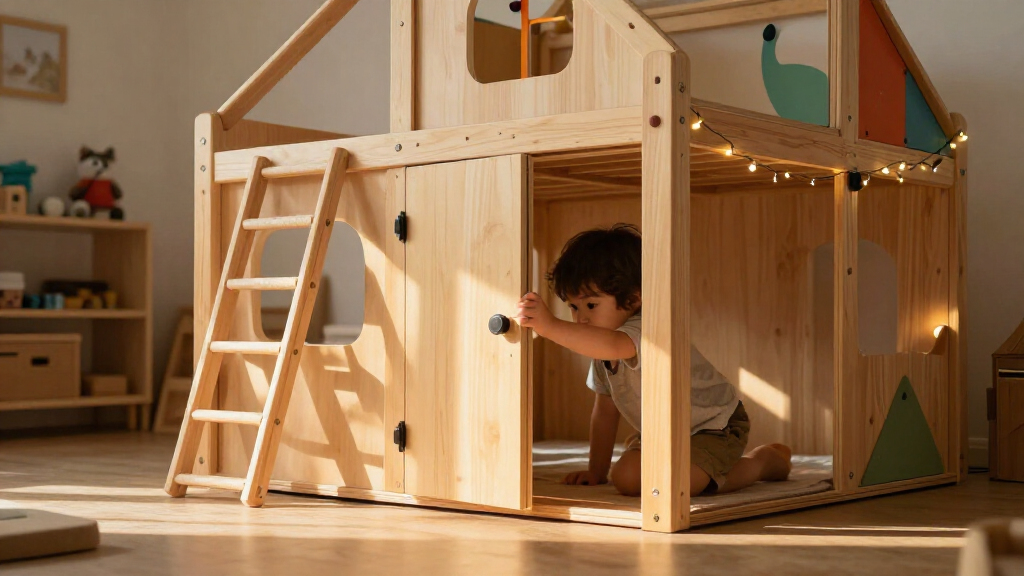
Floor space is treated as part of the play environment. The article points to the nature-inspired GREJSIMOJS rug as a soft area for imaginative play and the cityscape-style HUSSPARV rug as another way to give the floor a distinct theme. It also highlights IKEA’s KURA reversible bed, which can be raised to create a nook for reading or play. A coordinating screen can make that area feel more enclosed or be removed to open up the play space.
The feature frames these choices as a balance between imaginative play and practical room management. It directs viewers to a video demonstration and a “Shop the Room” section. The source describes the design and its intended uses; it does not establish that the featured layout is suitable for every child, room size or household.
How Child-Height Design Shapes Daily Routines
The design’s practical significance is its focus on what a child can reach and use without adult help. Accessible storage may make putting toys away or hanging clothes easier to attempt independently, while clear play zones can help a bedroom serve more than one purpose. These are design intentions described by the feature, not reported outcomes from a study or family trial.
The approach also offers a way to think about the trade-off many households face: a room can encourage imaginative play while still accommodating storage and day-to-day use. A reversible bed and removable screen can change how a corner is used without requiring a separate room. For readers considering a similar setup, the report provides concrete product examples, but no cost breakdown or room measurements.
Products Worth Considering

Dyson Airwrap i.d. Multi-Styler with Bluetooth Connectivity

Arlo Pro Wireless Security Camera, 2K HDR, 6th Generation, 4-Camera Set

Philips Hue Festavia Permanent Outdoor String Lights, 80 Lights, 150 ft
As an affiliate, we earn on qualifying purchases.
The Room’s Three Design Choices
The House Beautiful feature describes a bedroom as a place for sleep as well as play, exploration and retreat. Its proposed design starts by looking at the room from a child’s perspective rather than treating furniture placement and storage as decisions made only for adult convenience. McKenzie presents the IKEA products as examples of that approach.
The showcased elements serve different functions: low, reachable storage supports everyday access; themed rugs suggest separate play environments; and the adjustable KURA bed creates a small nook that can be opened or screened off. The article links these features as parts of one room concept, rather than reporting a renovation project with a documented budget, timeline or before-and-after results.
“Think at their level.”
— House Beautiful report
Costs, Fit and Results Not Reported
The source does not give product prices, a total room budget, dimensions or details about the room in which the products are shown. It also does not say whether the featured items are available in every market or provide a date for the demonstration. Readers cannot tell from the report whether the layout was tested with children or whether it changed how often they put belongings away.
The suggestion that accessible furniture can encourage independence is presented as the design rationale, not as a proven result. The article also does not discuss how the setup might need to change for different ages, mobility needs, household routines or room sizes. Those considerations would affect whether the specific products and arrangement suit a particular family.
The Video and Product Details
House Beautiful directs readers to watch McKenzie’s video and visit the feature’s “Shop the Room” section for the IKEA items shown. The source does not announce a follow-up, product launch or additional reporting, and it gives no schedule for further updates. Readers seeking current availability or prices will need to check the retailer’s listings, since those details are not included in the report.
Key Questions
What is the main idea behind the room design?
The feature recommends planning a children’s room from the child’s point of view, with reachable storage, spaces for imaginative play and a small retreat.
Which IKEA products does the report show?
Examples include the VITBJÖRN house-shaped storage unit, a cactus-shaped clothes stand, the GREJSIMOJS and HUSSPARV rugs, and the KURA reversible bed with a coordinating screen.
How does the KURA bed create a hideaway?
According to the report, raising the reversible bed creates a nook beneath it for reading or play. A coordinating screen can enclose the area, and removing it opens the space again.
Does the article report the room’s cost?
No. The source identifies products and points readers to a “Shop the Room” section, but it does not give a total budget or prices in the report.
Does the feature prove that children will tidy more independently?
No. It says child-height storage may encourage children to take ownership of their space, but reports no study or measured results showing that the products change tidying habits.
Source: housebeautiful.com