To use a chainsaw safely, choose the right equipment, including a reliable saw and protective gear like gloves, goggles, and chaps. Inspect and maintain your saw before each use, ensuring proper chain tension, sharpness, and safety features are working. Follow correct starting procedures, keep a firm grip, and use a proper stance. Stay aware of hazards like unstable trees and debris. Focus on safety tips, and you’ll reduce injury risk—keep going to learn more about safe practices.

Get business pricing on tools and workshop supplies
- Business-only prices and quantity discounts
- Tax-exempt purchasing
- Multiple users, one account, clear invoices
Key Takeaways
- Always wear appropriate protective gear, including gloves, safety goggles, ear protection, and chainsaw chaps.
- Ensure the chainsaw is properly maintained, with sharp chain, correct tension, and functional safety features before use.
- Use correct starting procedures, maintain a firm grip, and keep a balanced stance to prevent slips and kickbacks.
- Be aware of surroundings, avoid unstable trees, power lines, and uneven ground to reduce hazard risks.
- Follow emergency protocols, control bleeding promptly, and store equipment safely to prevent accidents and injuries.
As an affiliate, we earn on qualifying purchases.
Choosing the Right Chainsaw and Protective Gear

Choosing the right chainsaw and protective gear is essential for safe and efficient cutting. When selecting a chainsaw brand, consider factors like power, weight, and ease of use to match your skill level and project needs. A well-chosen chainsaw reduces fatigue and enhances safety. Equally important is wearing proper protective clothing, including gloves, safety goggles, ear protection, and chainsaw chaps. These items shield you from debris, loud noise, and potential cuts. Avoid shortcuts; investing in quality protective gear markedly reduces injury risks. Your safety depends on choosing reliable equipment tailored to your tasks. Remember, a good chainsaw paired with appropriate protective clothing not only boosts confidence but also ensures a safer cutting experience. Prioritize quality and fit for maximum protection. Additionally, understanding safety protocols can help prevent accidents and ensure a secure working environment. Proper training and adherence to safe handling practices are crucial for minimizing risks while operating a chainsaw. Using the correct protective equipment can significantly decrease the severity of potential injuries.
As an affiliate, we earn on qualifying purchases.
Inspecting and Maintaining Your Chainsaw Before Use
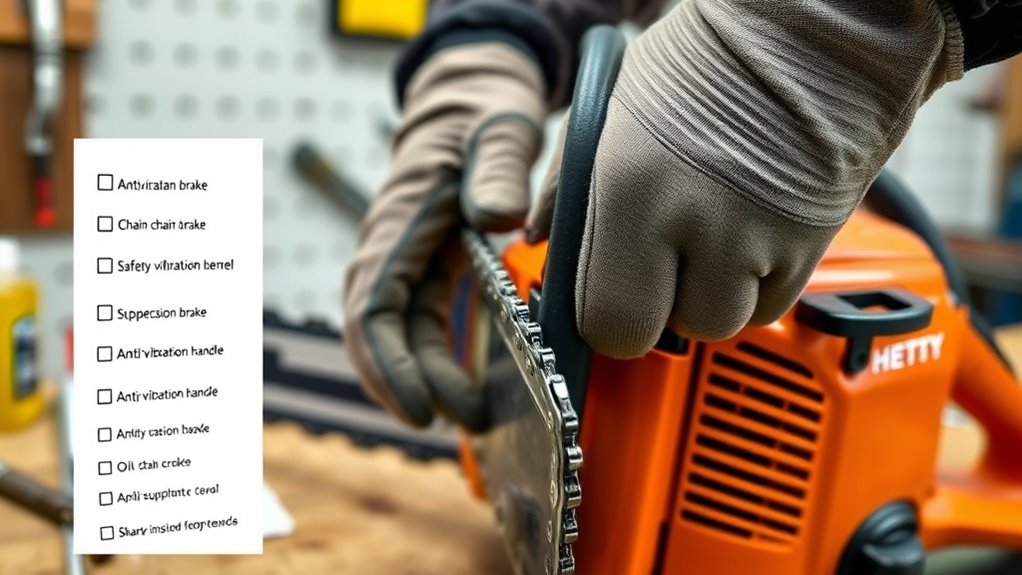
Before you start cutting, it’s important to thoroughly inspect and maintain your chainsaw to guarantee safe operation. Proper checks ensure reliable performance and reduce the risk of accidents. Start by examining the chain for sharpness; a dull chain can cause kickback or inefficient cuts. Ensure the chain is properly tensioned and lubricated. Check your fuel management; refuel with fresh, correct mixture to prevent engine issues. Inspect the air filter and remove debris that could hinder performance. Confirm the safety features, like the chain brake, are functional. Regular maintenance, including chain sharpening and cleaning, keeps your chainsaw running smoothly and safely. Taking these steps before each use helps you avoid surprises and guarantees your chainsaw is ready for safe operation. Additionally, understanding the importance of sound vibrations can help you recognize unusual noises that may indicate mechanical problems, ensuring your safety during operation. A comprehensive safety checklist can further enhance your preparedness and reduce potential hazards. Being aware of preventive maintenance practices can prolong the lifespan of your chainsaw and keep it operating safely over time. Regularly inspecting your chainsaw’s components and understanding how to address common issues is crucial for maintaining safe operation and preventing accidents. Incorporating proper filtration and pump protection techniques can prevent debris buildup and ensure smooth operation.
As an affiliate, we earn on qualifying purchases.
Proper Handling and Starting Procedures
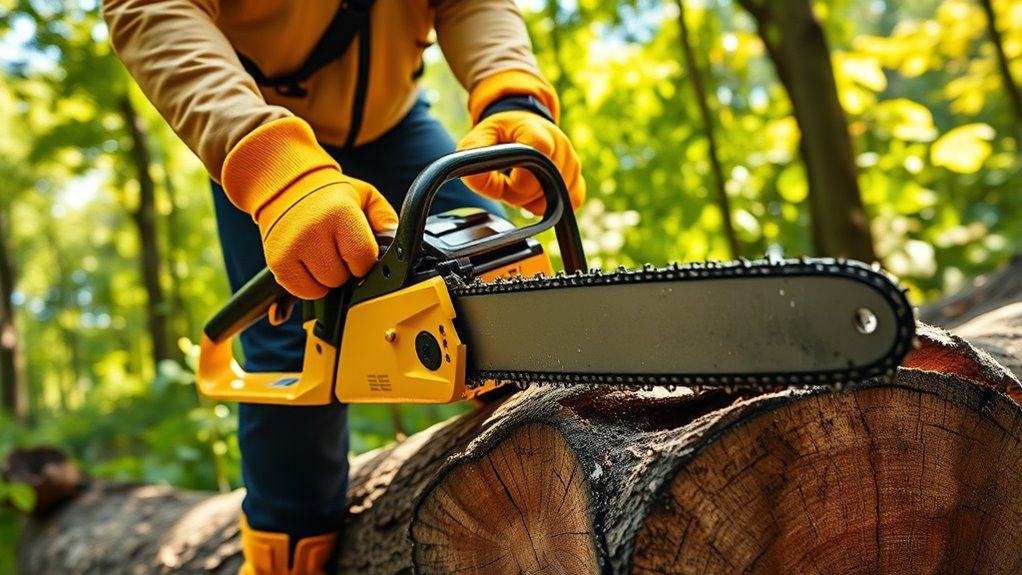
To guarantee safe and effective operation, you need to handle your chainsaw properly and follow correct starting procedures. Begin by ensuring proper fuel management; use the correct fuel mixture and check fuel levels before starting. Always place your chainsaw on a flat surface or hold it firmly on the ground. Engage the chain brake and make sure the chain is not moving. When starting, use the proper technique: activate the choke if needed, hold the saw securely with your foot in the bumper spike, and pull the starter cord smoothly. Be mindful of noise reduction—wear hearing protection and start the saw outside in a well-ventilated area. Following these handling and starting steps minimizes risks and maintains the chainsaw’s performance.
chainsaw safety gloves goggles chaps
As an affiliate, we earn on qualifying purchases.
As an affiliate, we earn on qualifying purchases.
Safe Cutting Techniques and Posture
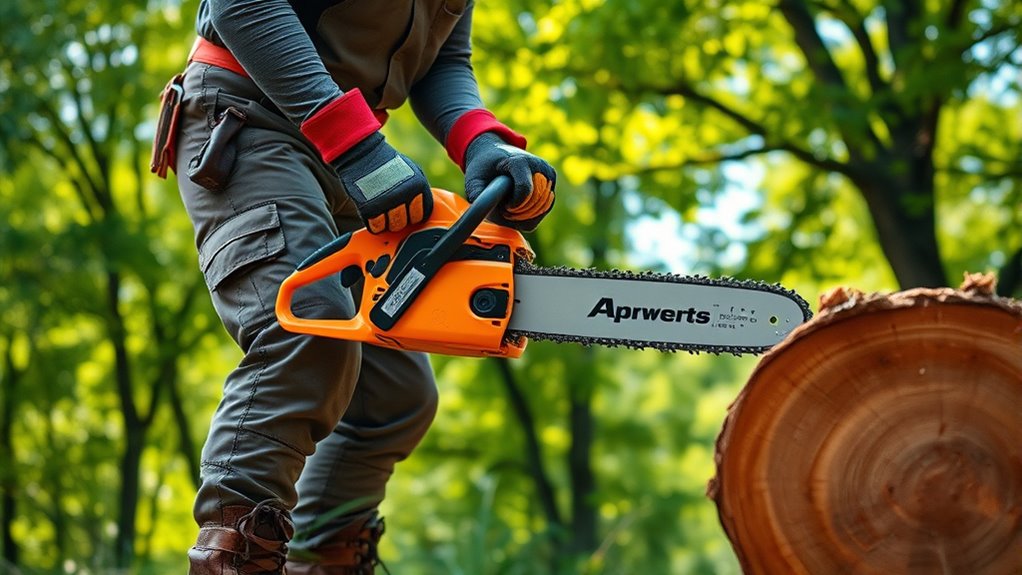
Maintaining proper cutting techniques and posture is essential for safety and efficiency while using a chainsaw. Your cutting posture should keep your body balanced, with feet shoulder-width apart, and your body aligned with the cut. Keep a firm grip on the saw with both hands, and avoid overreaching. Confirm your body stays stable, reducing fatigue and improving control. Proper body alignment helps prevent strain and accidents during cutting. Always be mindful of your work environment to ensure safe operation. Additionally, being aware of chainsaw safety guidelines can further minimize the risk of injury, especially when considering safe handling practices to prevent slips and kickbacks. Maintaining awareness of home safety measures can also help create a secure workspace and prevent accidental injuries during chainsaw use. Being familiar with personal protective equipment is another key factor in ensuring comprehensive safety during operation.
Recognizing and Avoiding Common Hazards

Being aware of hazard indicators helps you spot dangers before they cause trouble. Always watch for bent or cracked limbs, unstable ground, and other signs of risk. Proper spinal alignment during cutting can also reduce the risk of injury and improve control. Maintaining proper body positioning can further enhance safety and reduce fatigue during operation. Ensuring your fire-starting kits are readily available can help you prepare for emergency situations that might arise during chainsaw use. Incorporating eco-friendly materials into your gear can also enhance safety and comfort during operation. Additionally, staying informed about natural pools and their unique safety considerations can contribute to a safer work environment.
Common Hazard Indicators
How can you spot potential dangers before they turn into accidents? By paying close attention to common hazard indicators, you enhance your hazard awareness. Look for safety signage that warns of unstable trees or restricted areas. Watch for broken or leaning branches that could fall unexpectedly. Notice if the ground is uneven or slippery, increasing fall risk. Be alert to visible cracks or rot in wood, signaling weak spots. Also, listen for cracking sounds or unusual creaking that may indicate instability. Recognizing these signs helps you avoid accidents and stay safe during your work. Being aware of these hazard indicators allows you to plan your approach and use your chainsaw responsibly. Always stay alert to these cues to prevent injuries and ensure a safer work environment. Additionally, understanding the importance of Indigenous wellness practices can promote a more mindful and respectful approach to safety, emphasizing the connection between environment and well-being. Furthermore, paying attention to natural environment cues, such as wind direction or animal activity, can provide additional safety insights during outdoor work. Incorporating hazard recognition techniques can further improve your ability to identify and respond to potential dangers effectively. Recognizing signs of chainsaw malfunction and performing proper maintenance can significantly reduce the risk of accidents. Being familiar with safety equipment and its proper use also plays a crucial role in accident prevention.
Safe Working Practices
Recognizing potential hazards is key to working safely with a chainsaw. You should regularly perform chainsaw maintenance, checking for loose parts, dull blades, or fuel leaks that could cause accidents. Environmental awareness is equally important; always assess your surroundings for unstable trees, nearby power lines, or uneven terrain that could increase risks. Maintain a clear working area, removing obstacles that could trip you or cause you to lose control. Stay alert to sudden changes, like wind or falling branches, which can introduce new hazards. Proper safety practices include wearing protective gear, using the chainsaw with a firm grip, and avoiding distractions. Additionally, understanding the latest technological advancements in chainsaws can help you operate more safely and efficiently. Staying informed about safety innovations can further reduce risks and enhance your overall safety while cutting. Incorporating modern safety features into your equipment can provide added protection and peace of mind. Being aware of industry standards and best practices can help you maintain a safe working environment. By staying vigilant and attentive, you reduce the chances of accidents and ensure your safety while cutting.
Emergency Procedures and First Aid Tips

When an accident happens, quick action can make all the difference. You need to know how to respond immediately, control bleeding effectively, and call for help without delay. Being prepared with these first aid tips guarantees you can handle emergencies confidently and safely.
Immediate Injury Response
In the event of a chainsaw injury, quick and effective response can make all the difference between a minor setback and a serious complication. Your immediate actions help prevent a chain reaction of further harm and support injury prevention. First, stay calm and call emergency services if needed. Then, stop the bleeding by applying direct pressure with a clean cloth. Do not attempt to remove embedded chainsaw parts; instead, stabilize the limb to prevent additional injury. Keep the injured person still and comfortable to avoid worsening their condition. Remember, prompt first aid can reduce shock and damage. Always have a first aid kit nearby and know how to use it. Acting swiftly and correctly is your best defense against serious injury.
Bleeding Control Techniques
Controlling bleeding quickly is critical to preventing shock and further tissue damage after a chainsaw injury. To do this, apply firm, direct pressure to the wound using a clean cloth or sterile dressing. If bleeding persists, add more layers of cloth without removing the initial dressing. Elevate the injured area if possible, to help reduce blood flow. Once bleeding slows, place a wound dressing firmly over the area to maintain pressure and protect against infection. Avoid probing the wound or removing embedded objects. Keep the person calm and still, as movement can worsen bleeding. If bleeding is severe and doesn’t stop with direct pressure, seek emergency help immediately. Proper bleeding control can save lives and minimize complications until professional medical assistance arrives.
Emergency Contact Steps
In an emergency situation involving a chainsaw injury, quickly calling for professional help is vital. Your first step is to remain calm and provide clear details about the injury and location. Remember, proper chainsaw maintenance can prevent accidents, but if an injury occurs, hazard identification becomes essential.
- Call emergency services immediately and provide your location.
- Administer first aid, focusing on bleeding control.
- Keep the injured person still and comfortable until help arrives.
- Check for other hazards like fuel leaks or unstable trees before moving.
- Follow any instructions from emergency responders carefully.
Having a first aid kit nearby and knowing basic chainsaw safety procedures can save lives. Being prepared ensures you can act swiftly to mitigate injury severity and get proper help promptly.
Storage and Transportation Safety Guidelines
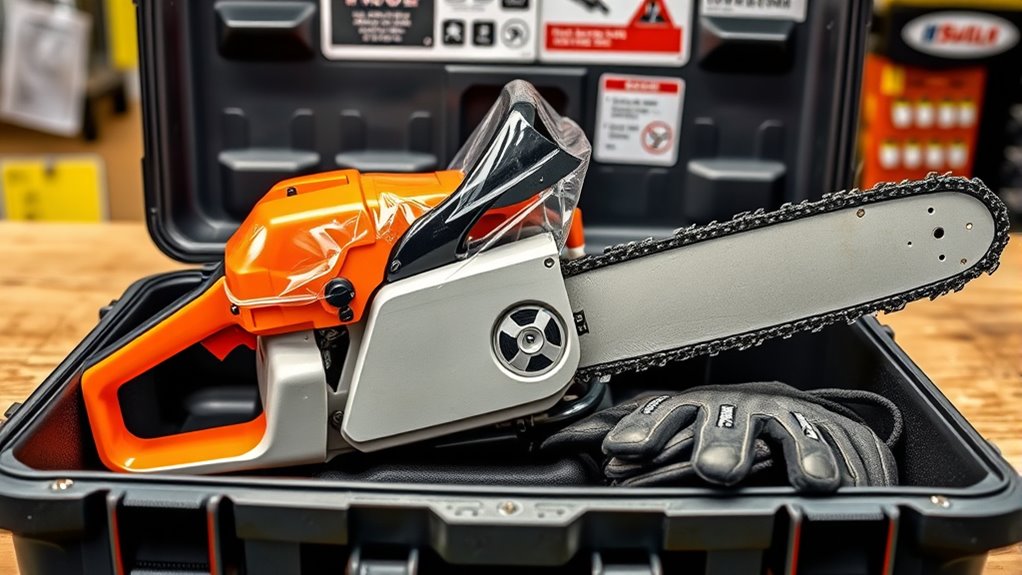
Proper storage and transportation are essential to prevent accidents and guarantee safety when handling chainsaws. Before storing, always disconnect the spark plug and ensure the chain is covered with a chain brake or protective sheath. Use secure, upright storage to avoid the chainsaw falling or being knocked over. When transporting, keep the chainsaw in a locked, enclosed container or a secure case to prevent accidental activation and damage. Make sure the chain is not in motion and that the bar and chain are away from other objects. Always carry the chainsaw by the handle, keeping it pointed away from your body. Proper chain storage and transportation safety reduce the risk of injuries and ensure the chainsaw remains in good condition for when you need it.
Frequently Asked Questions
How Often Should I Replace My Chainsaw’s Chain?
You should replace your chainsaw’s chain when it becomes dull, damaged, or after approximately 8 to 12 sharpenings, as part of regular chain maintenance. Keep an eye on signs like reduced cutting efficiency or increased vibration. Blade replacement is necessary if the chain is severely worn or broken. Regularly inspecting and maintaining your chain guarantees safe, efficient operation, preventing accidents and prolonging your chainsaw’s lifespan.
Can I Use a Chainsaw for Tasks It’s Not Designed For?
You shouldn’t use a chainsaw for tasks it’s not designed for, as it can lead to improper applications and potential accidents. Alternative uses, like cutting materials outside wood or tree work, can be hazardous and are not recommended. Always follow the manufacturer’s guidelines and intended purpose to guarantee safety. Using a chainsaw improperly increases the risk of injury and damages the tool, so stick to its designed functions.
What Are the Signs of a Dull Chainsaw Chain?
You might notice a dull chainsaw chain when you experience chain slippage or cutting difficulty. Coincidentally, your saw may require more effort, and the cuts become rougher or slower. If the chain looks dull or doesn’t bite into wood easily, it’s time to sharpen it. A dull chain also increases vibration and can lead to safety risks, so inspecting regularly keeps your cuts clean and your work safe.
Is It Safe to Operate a Chainsaw in Rainy Conditions?
Operating a chainsaw in rainy conditions isn’t recommended because it jeopardizes chainsaw safety. Rain makes wood and other materials slippery, increasing the risk of losing control or slipping. Wet conditions can also cause the chainsaw to malfunction or become harder to handle. If you must work in the rain, ensure your chainsaw is well-maintained, wear proper safety gear, and proceed with extra caution to prevent accidents.
How Do I Properly Dispose of Used Chainsaw Parts?
It might seem like a coincidence, but properly disposing of used chainsaw parts is vital. You should check local recycling options and disposal methods to guarantee safe and eco-friendly handling. Remove the chain, bar, and other components, then take metal parts to a scrap metal recycling center. Plastic parts can often be recycled or disposed of according to your community’s guidelines. Always follow manufacturer instructions and local regulations for responsible disposal.
Conclusion
By following these safety essentials, you’ll cut through your tasks like a hot knife through butter, all while keeping yourself safe. Remember, safety isn’t just a precaution—it’s a mindset. Stay alert, use the right gear, and handle your chainsaw with care. When you respect the tool and follow proper procedures, you’ll avoid accidents and keep your workday running smoothly. In the end, it’s better to be safe than sorry—because a stitch in time saves nine.
Fall yard work Picks
leaf blowers
As an affiliate, we earn on qualifying purchases.