
To choose the right reciprocating saw blade, match the blade material to your project—high-carbon steel or bi-metal blades work well for wood, while bi-metal or carbide-tipped blades are best for metal. Always verify the blade’s specifications and make sure it’s secured correctly. Regularly inspect your blades for damage and replace them when needed. Knowing which blades suit your tasks ensures cleaner cuts and safer work—keep going to get even more tips.
Key Takeaways
- Match blade material (high-carbon steel, bi-metal, carbide) to the specific task (wood, metal) for optimal performance.
- Use bi-metal blades for versatile cutting of both wood and metal; carbide tips excel in heavy-duty metal cutting.
- Ensure blade teeth count and design suit the material; coarser teeth for wood, finer for metal.
- Always verify blade specifications align with the material’s hardness and thickness before cutting.
- Regularly inspect and replace damaged blades to maintain safety and cutting efficiency.

A reciprocating saw blade guide is an essential tool that helps you make precise cuts and extend the life of your blades. When choosing the right blade, understanding blade materials is vital because different materials are designed for specific tasks. For wood cutting, blades typically feature high-carbon steel or bi-metal construction, offering the durability needed to handle softer materials efficiently. Metal cutting blades often incorporate bi-metal or carbide tips, providing the strength and heat resistance necessary for cutting through tough metals like steel or aluminum. Knowing which blade material suits your project guarantees you get clean, accurate cuts while avoiding unnecessary wear or breakage.
Choosing the right blade material ensures precise cuts and longer blade life for your projects.
Safety precautions should always be at the forefront when working with reciprocating saws and their blades. Before starting, make sure you wear appropriate protective gear—gloves, safety goggles, and hearing protection—to shield yourself from flying debris and loud noise. When selecting blades based on materials, double-check that the blade’s specifications match your intended use. Using the wrong blade material for a task not only results in poor cuts but can also pose safety risks, such as blade kickback or breakage.
Properly securing your blade is essential before operating the saw. Always disconnect the power source or remove the battery if you’re working cordless, and ensure the blade is firmly seated in the reciprocating saw’s chuck or clamp system. This prevents accidents and ensures smooth, controlled cuts. Additionally, maintain a steady hand and avoid forcing the saw through stubborn materials, which can cause the blade to bind or break. Let the saw do the work, and take your time to follow your cut line accurately.
It’s also wise to inspect your blades regularly for signs of wear or damage, such as cracks, missing teeth, or dullness. Replacing blades when they show signs of deterioration keeps your cuts clean and safe. Keep your workspace tidy, and avoid cutting materials that are too thick or hard for the selected blade, as this can overload the saw and compromise safety. In short, choosing the right blade material and adhering to safety precautions go hand in hand to make your cutting tasks safer, more efficient, and produce better results. With a clear understanding of these factors, you’ll get the most out of your reciprocating saw and achieve professional-quality cuts every time. Additionally, being aware of innovative materials used in blade manufacturing can further improve your cutting performance and safety.

EZARC Arc Edge Reciprocating Saw Blades, 15-Inch 6TPI for Pruning, 3-Pack
- Blade Length: 15-inch extra long arc edge
- Cutting Efficiency: Fast coarse cut with Japanese teeth
- Design Innovation: Arc edge with triple-ground teeth
As an affiliate, we earn on qualifying purchases.
As an affiliate, we earn on qualifying purchases.
Frequently Asked Questions
Can I Use the Same Blade for Both Wood and Metal?
You can’t use the same blade for both wood and metal because blade compatibility varies with material. Metal-cutting blades are designed with tougher, more durable teeth, while wood blades have sharper, more aggressive teeth. Using the wrong blade can damage your saw or result in poor cuts. For material versatility, choose blades specifically labeled for multi-material use, but always check manufacturer recommendations to guarantee safe and efficient cutting.
How Often Should I Replace My Reciprocating Saw Blades?
Think of your reciprocating saw blade like a trusty kitchen sponge—it wears out with use. You should replace your blades when they become dull, chipped, or bent, which affects blade compatibility and cuts quality. Usually, if you’re doing frequent or heavy-duty work, change the blade after every few projects or when performance drops. Regular blade maintenance guarantees clean cuts and keeps your tool running smoothly, saving you time and frustration.
Are There Blades Suitable for Cutting Plastic or PVC?
Yes, there are blades specifically designed for plastic and PVC cutting. You should look for PVC blades or plastic cutting blades with fine teeth and high tooth count, which help make smooth cuts without melting or chipping the material. Using a blade with a reverse tooth design can also improve your results. Always verify the blade is compatible with your reciprocating saw and suited for the thickness of your PVC or plastic material.
What’s the Maximum Thickness a Blade Can Cut Effectively?
You can cut up to about 4 inches effectively, depending on the blade material and your cutting speed. For thicker materials, choose blades with high-quality steel or bi-metal construction, which provide durability and flexibility. Faster cutting speeds may reduce precision, so adjust accordingly. Always select a blade designed for the material you’re working with, and don’t push beyond its recommended thickness to guarantee a clean cut and blade longevity.
How Do I Dispose of Used Reciprocating Saw Blades Safely?
Imagine it’s the dawn of the Industrial Revolution—safety matters! To dispose of used reciprocating saw blades safely, first wear gloves and eye protection. Wrap the blades in thick newspaper or place them in a heavy-duty container, like a metal can, to prevent injuries. Then, take them to a local recycling center or hazardous waste facility. Always follow safety precautions to avoid cuts or accidents during blade disposal, ensuring safety for everyone.

DEWALT Reciprocating Saw Blades, 10 Piece Bi-Metal Combination Set with Case, Various Sizes 6 In to 9 In, Longer Life (DW4898)
- Set Includes Various Sizes: 10-piece bi-metal reciprocating saw blades
- Convenient Storage Case: Tough or expandable case fits in tool box
- Durable Bi-metal Construction: Provides flexibility and long-lasting edges
As an affiliate, we earn on qualifying purchases.
As an affiliate, we earn on qualifying purchases.
Conclusion
Choosing the right reciprocating saw blade might seem tricky, but with the right guide, you’ll find it easy. Imagine confidently tackling your wood, metal, or other projects, knowing you’re using the perfect blade for each job. Don’t worry about making the wrong pick—just refer to this guide, and you’ll quickly get the hang of it. Before long, you’ll be cutting with precision and ease, turning every project into a success.

EZARC Obsidian Carbide Reciprocating Saw Blades 6" 8TPI Thick Metal, 3-Pack
- Advanced TiAlN Carbide Coating: Heat-resistant, stable cutting performance
- Long-Lasting Industrial-Grade Tips: Up to 100X longer lifespan
- Efficient Cutting Performance: Faster, smoother cuts with reduced friction
As an affiliate, we earn on qualifying purchases.
As an affiliate, we earn on qualifying purchases.
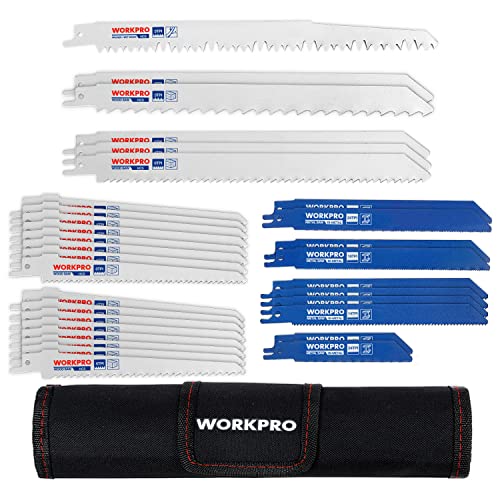
WORKPRO 32-Piece Reciprocating Saw Blade Set with Organizer Pouch
- Wood Cutting Blades: Cr-V steel for coarse wood and firewood
- Pruning Saw Blade: Cuts branches up to 180 mm diameter
- Metal Cutting Blades: Bi-material blades for metal up to 8 mm thick
As an affiliate, we earn on qualifying purchases.
As an affiliate, we earn on qualifying purchases.