To store your cordless tool batteries in winter, keep them in a cool, dry place between 50°F and 70°F, ideally indoors or in a heated area. Store batteries with about 50% charge to prevent capacity loss or damage from freezing. Check their charge periodically and recharge if needed. Avoid exposure to extreme cold or moisture. Proper storage extends battery life and performance—stay tuned to discover more tips to optimize your storage methods.
Key Takeaways
- Store batteries in a cool, dry place between 50°F and 70°F to maintain chemical stability.
- Keep batteries at around 50% charge to prevent capacity loss in cold temperatures.
- Avoid outdoor storage in freezing conditions; opt for indoor or heated environments.
- Check and recharge batteries periodically during winter to prevent deep discharge.
- Use temperature-controlled storage to protect battery chemistry and prolong lifespan.
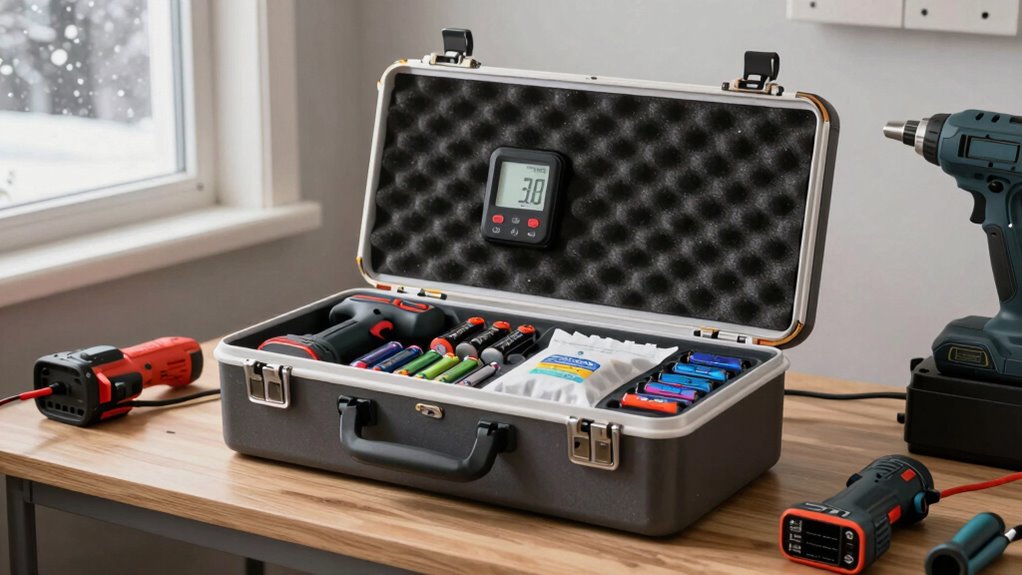
As winter approaches, knowing how to properly store your cordless tool batteries becomes vital to maintaining their performance and longevity. Cold temperatures can profoundly impact your batteries, reducing their overall battery lifespan if not stored correctly. When you plan to put your tools away for the season, it’s important to consider appropriate storage methods that promote ideal battery health. Proper storage practices help prevent capacity loss, ensure reliable operation when you need your tools again, and extend the overall life of your batteries.
One of the most important factors to keep in mind is temperature regulation. Batteries are sensitive to extreme cold, which can cause the chemical reactions inside to slow down or become unstable. For winter storage, you should avoid leaving batteries outside in freezing conditions, as prolonged exposure to low temperatures can cause irreversible damage. Instead, store your batteries in a cool, dry place, ideally between 50°F and 70°F. This temperature range helps maintain their chemical stability and prevents capacity degradation. If you live in an area with very cold winters, consider storing your batteries indoors or in a heated space to keep them within this perfect temperature window.
Store batteries in a cool, dry place between 50°F and 70°F to maintain chemical stability and prevent capacity loss.
Additionally, it’s best to store batteries at about 50% charge rather than fully charged or completely drained. Storing a battery at full charge in cold conditions can accelerate capacity loss, while storing it completely discharged can lead to deep discharge and potential damage. Maintaining a moderate charge level helps preserve its overall health during periods of inactivity. Check the charge periodically and top it up if it drops too low, especially if storage extends over several months. Proper storage techniques are essential to prevent capacity loss and ensure your batteries stay healthy over time. Ensuring proper battery maintenance can further enhance their longevity during storage periods. Moreover, keeping batteries in a temperature-controlled environment can significantly reduce the risk of performance issues caused by temperature fluctuations. Being mindful of battery chemistry can also help you understand how different types react to cold storage conditions, enabling better decision-making.

Case for Cordless Drill/Impact Driver Set – Waterproof Hard Box for Dewalt
[Hard case for Dewalt power tools & battery & charger] : For Dewalt tools case is designed for…
As an affiliate, we earn on qualifying purchases.
As an affiliate, we earn on qualifying purchases.
Frequently Asked Questions
Can Storing Batteries in the Refrigerator Extend Their Lifespan?
Storing batteries in the refrigerator can slightly extend their lifespan by controlling temperature, but it’s not always ideal. Cold temperatures can slow down chemical reactions, helping reduce degradation. However, you should manage temperature carefully, avoiding extreme cold that could cause damage. Remember to let batteries reach room temperature before use, and perform regular battery calibration to maintain accuracy and performance over time. Proper temperature management is key to longevity.
Should I Remove Batteries From Tools When Not in Use During Winter?
Yes, you should remove batteries from tools when not in use during winter. Think of it like giving your batteries insulation from harsh cold. Store them in a cool, dry place, and avoid extreme temperatures. Maintain proper charging routines, ensuring they’re not fully drained or constantly topped up. This prevents damage, extends lifespan, and keeps your tools ready for action when spring arrives. Proper storage is key to battery health.
How Often Should I Check Stored Batteries for Damage or Corrosion?
You should check your stored batteries every few months for damage or corrosion. Regular battery maintenance helps prevent issues like corrosion, which can impair performance. Look for any signs of swelling, leaks, or corrosion around the terminals. If you spot any, clean the terminals carefully and consider replacing damaged batteries. This proactive approach guarantees your batteries stay in good condition and extend their lifespan, especially during winter storage.
Is It Better to Store Batteries in a Heated Garage or Indoors?
Storing batteries indoors is better than in a heated garage because it offers more consistent temperatures, reducing the risk of damage. Use battery insulation to protect against cold, and follow proper charging protocols—avoid overcharging or discharging completely. Indoor storage minimizes temperature fluctuations and moisture exposure, helping batteries last longer. Keep them in a cool, dry place, and check regularly for corrosion or damage to guarantee peak performance.
What Are the Signs of a Battery That Needs Replacement After Winter Storage?
If your battery shows reduced capacity or takes longer to charge than usual, it’s a sign you might need to substitute it. Pay attention to a significant drop in battery capacity or if it doesn’t hold a charge after multiple charging cycles. These issues indicate the battery has deteriorated, especially after winter storage. Replacing it guarantees your tools perform reliably and safely, saving you time and frustration.

Electric Insulin Cooler Travel Case Box, Insulin Fridge Storage Portable Insulin Refrigerator, Diabetic Insulin Cooler LCD Display, Rechargeable Battery, Temperature Control, 0°C ~ 18 °C
Insulin Cooler Travel Case: The insulin cooling box adopts advanced vacuum insulation technology and high-quality insulation materials, effectively…
As an affiliate, we earn on qualifying purchases.
As an affiliate, we earn on qualifying purchases.
Conclusion
Now that you know how to store your cordless tool batteries properly this winter, you’re well on your way to extending their lifespan dramatically. Ignoring these tips could turn your batteries into worthless relics faster than you can say “dead weight.” With just a little effort, you’ll keep them in prime condition, ready to power your projects when spring rolls around. Think of it as giving your tools a winter vacation—they’ll thank you with peak performance when you need them most.
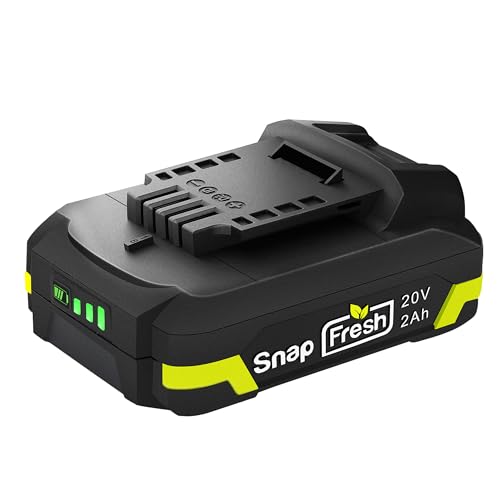
SnapFresh 20V 2.0Ah Battery(Not Works with Other Brands), Battery Support Fast Charging(BBT-DC20A)
ONLY COMPATIBLE WITH SNAPFRESH TOOLS – Specifically designed for SnapFresh 20V cordless tools and chargers.(Not works with tools…
As an affiliate, we earn on qualifying purchases.
As an affiliate, we earn on qualifying purchases.

Ontel Battery Daddy Storage & Organizer Case w/Tester, Stores & Protects Up to 180 Batteries, Double-Sided, Clear Locking Lid, Secure Latches & Portable Carrying Handle – Red (Batteries Not Included)
Double-Sided Battery Organizer: The Ontel Battery Daddy is a compact & portable way to organize, store and protect…
As an affiliate, we earn on qualifying purchases.
As an affiliate, we earn on qualifying purchases.