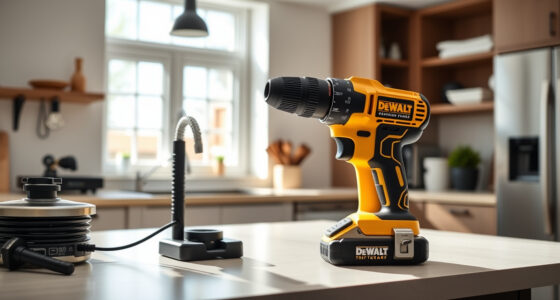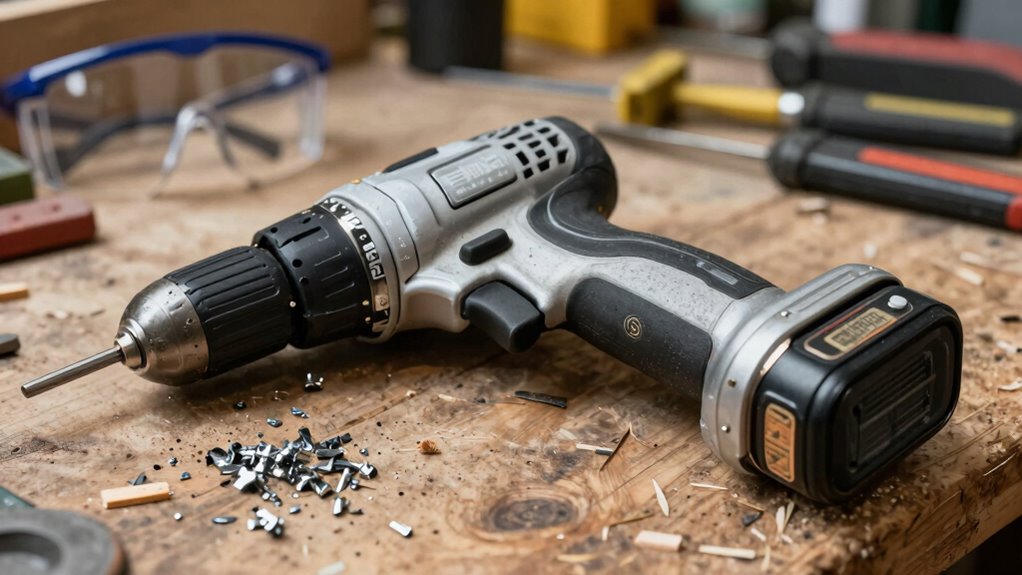

After dropping a power tool, you should inspect the battery for cracks, leaks, swelling, or abnormal heat and check if it still holds a charge. Examine the cord and plug for cuts, frays, or bent prongs. Look for cracks, dents, or loose parts on the housing and verify switch or trigger responsiveness. If you notice anything unusual or suspect internal damage, it’s best to replace or have it checked by a professional. Keep going to learn more about the proper inspection steps.

Get business pricing on tools and workshop supplies
- Business-only prices and quantity discounts
- Tax-exempt purchasing
- Multiple users, one account, clear invoices
Key Takeaways
- Inspect the external housing for cracks, dents, or visible damage.
- Check the cord and plug for cuts, frays, or looseness.
- Test the trigger and switches for proper responsiveness.
- Examine internal components for impact-related damage if accessible.
- Verify the tool’s performance and safety before reuse.
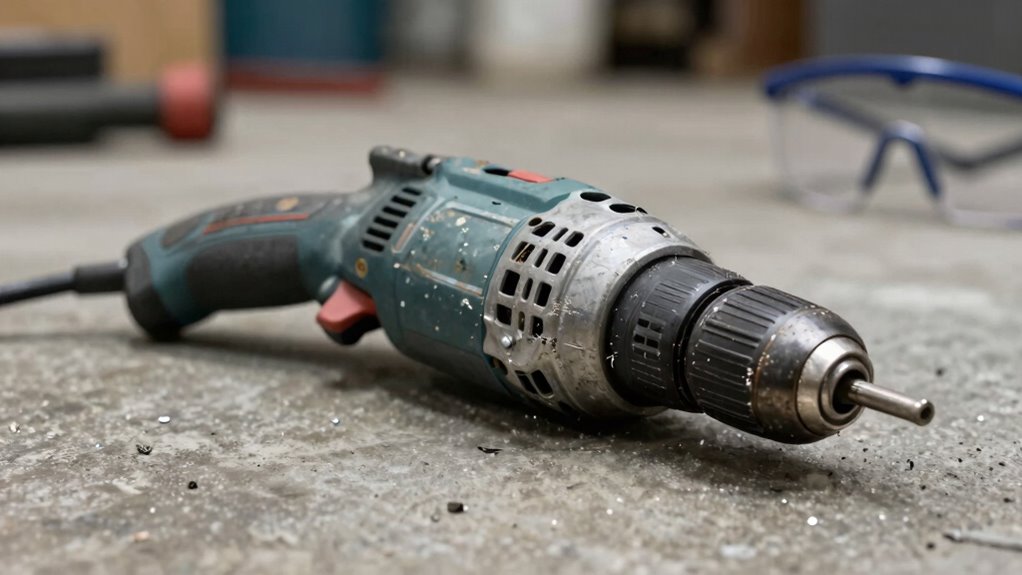
Have you ever dropped a power tool and wondered if it’s still safe to use? It’s a common concern, especially when you rely on your tools for important projects. The first thing to assume is the overall condition of the tool, starting with battery integrity. If your power tool is cordless, check the battery carefully. Even if it looks fine on the surface, a fall can cause internal damage or dislodge the cells, which might lead to reduced performance or, worse, safety hazards. Examine the battery for cracks, leaks, or swelling. If it feels hot after charging or doesn’t hold a charge as long as it used to, it’s a sign that the internal components could be compromised. If you notice any abnormalities, it’s best to replace the battery before continuing to use the tool.
Next, turn your attention to the cord if your power tool is corded. The cord is often the first part to sustain damage in a fall, especially if the tool was dropped onto a hard surface. Look for cuts, nicks, or frayed insulation. Damaged cords can expose wires, increasing the risk of electric shock or fire. Gently tug on the cord at the connection points—if you feel looseness or see exposed wires, it’s a clear sign that the cord needs repair or replacement. Also, check the plug for bent prongs or other deformities. Even if the external damage seems minor, internal wiring could be affected, which might cause intermittent operation or electrical hazards when you plug in the tool. Additionally, consider battery safety and how internal damage might pose risks during use. Performing a thorough inspection of internal components can help ensure the tool remains safe to operate after a fall.
Beyond the battery and cord, inspect the casing and moveable parts. Cracks or dents in the housing can indicate internal damage that might affect the tool’s functionality. Test the trigger and switch to determine they respond smoothly and reliably. Listen for unusual sounds or vibrations during operation, which could point to internal misalignments or broken parts. If you notice any irregularities, it’s wise to have the tool examined by a professional before using it again. Also, remember that internal damage might not always be visible externally but can significantly impact safety and performance. Be sure to check the internal components thoroughly if you suspect the tool was subjected to a severe impact.
As an affiliate, we earn on qualifying purchases.
Frequently Asked Questions
Can Dropping a Power Tool Cause Internal Battery Damage?
Dropping a power tool can indeed cause internal battery damage. You might notice battery leakage or internal corrosion developing over time, which can reduce performance or cause safety hazards. Impact from a fall can crack or weaken the battery’s internal structure, leading to short circuits or capacity loss. Always inspect the battery for visible damage, leaks, or corrosion after a drop, and avoid using it if you suspect internal damage to guarantee safe operation.
Should I Replace Parts Immediately After a Drop?
You should carefully assess your tool’s durability before rushing to replace parts. A gentle impact might not warrant immediate repairs, but it’s wise to perform an impact assessment first. If the tool shows signs of malfunction or unusual noise, replacing parts promptly guarantees safety and keeps your tool in top shape. Trust your judgment—sometimes, a cautious approach saves you time and preserves your power tool’s longevity.
How Do I Assess if the Motor Is Still Functional?
You should perform motor testing to assess if the motor still works. First, check electrical continuity with a multimeter—if it shows no continuity, the motor may be damaged. Then, power on the tool carefully; listen for smooth operation and feel for any unusual vibrations or overheating. If anything seems off, it’s best to have a professional inspect or replace the motor to guarantee safety and proper function.
Is It Safe to Continue Using a Tool After Dropping It?
Only about 10% of dropped power tools show visible damage, but that doesn’t mean they’re safe to use. After a fall, check the battery integrity and handle impact thoroughly—damage might be concealed. If you notice cracks, loose parts, or inconsistent operation, avoid using the tool. Even if it seems fine, consider having it inspected by a professional to prevent accidents and guarantee safe operation.
What Signs Indicate a Need for Professional Repair?
If your power tool shows signs like unusual noises, decreased performance, or overheating, it’s time for professional repair. These issues suggest internal damage that simple power tool maintenance can’t fix. Ignoring such signs risks safety and further damage, so always follow safety precautions and seek expert help when needed. Regular inspections help catch problems early, ensuring your tool operates safely and efficiently.
As an affiliate, we earn on qualifying purchases.
Conclusion
Even if you think your power tool looks fine after a drop, always double-check for internal damage or loose parts. Skipping this step could lead to safety hazards or tool failure later on. It might seem like a hassle, but catching issues early saves you time and money in the long run. So, take a few minutes to inspect thoroughly—you’ll avoid unexpected breakdowns and keep your projects safe and efficient. Better safe than sorry!
As an affiliate, we earn on qualifying purchases.
power tool safety inspection kit
As an affiliate, we earn on qualifying purchases.
As an affiliate, we earn on qualifying purchases.
Fall yard work Picks
leaf blowers
As an affiliate, we earn on qualifying purchases.

![Bukit Bintang Hicks Flat: DBKL Orders Cleanup After Viral Video Exposes Dirty Conditions [WATCH] - NST Online](https://tooltrekpro.com/wp-content/uploads/2026/08/bukit-bintang-hicks-flat-dbkl-orders-cleanup-after-viral-video-exposes-dirty-con-featured-560x300.jpg)