
To match respiratory protection to the dust you make, first identify the particle size and concentration of your dust. Choose filters rated N95 or higher for most airborne particles, but opt for N99 or N100 for finer dust. Make certain your mask fits snugly by trying different styles and adjusting straps, and keep facial hair shaved for a better seal. Regularly inspect and replace filters when dirty or clogged. If you want more tips on customizing your safety, keep exploring.

Get tools and workshop supplies delivered free — and shop member deals
- Fast, free delivery on millions of items
- Access to Prime Big Deal Days deals on October 6–7
- Prime Video, Amazon Music and more included
Key Takeaways
- Identify the dust particle size to select a filter rated appropriately (e.g., N95 for larger particles, N99/N100 for finer dust).
- Consider dust concentration levels to determine if powered respirators or higher-rated filters are necessary.
- Match the respirator’s filter type to the specific dust composition for optimal protection.
- Ensure proper fit and seal through fit testing to prevent contaminated air bypass.
- Regularly inspect and replace filters based on usage and dust load to maintain filtration efficiency.

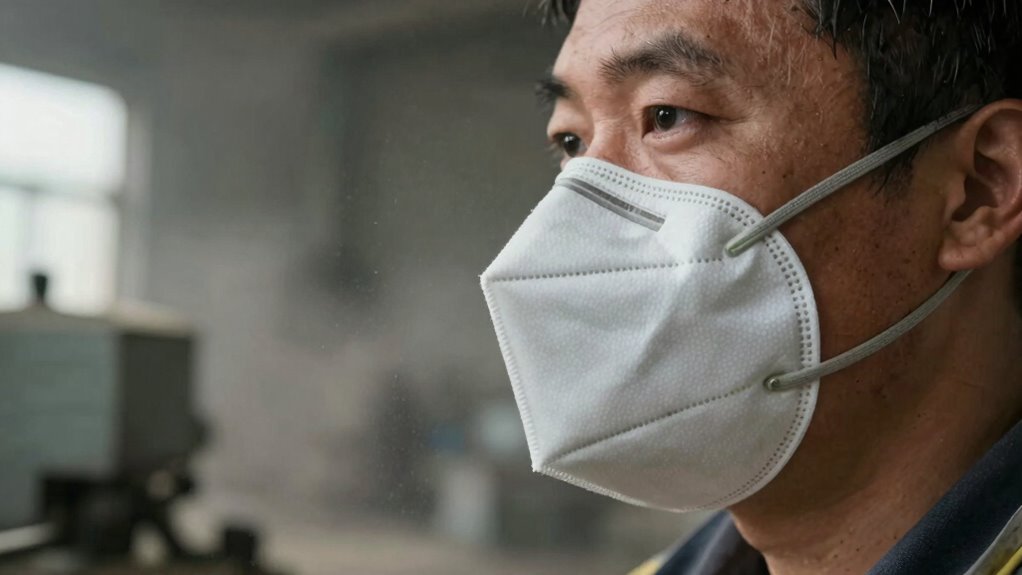
Matching the right respiratory protection isn’t just about selecting a mask or respirator; it’s about ensuring your safety based on the specific hazards you face. When dealing with dust, this means understanding how well the respirator fits your face and how effectively its filters perform against the particles you breathe in. Respirator fit is vital because even the most advanced filter won’t protect you if the mask leaks around your face. A good fit creates a seal that prevents contaminated air from bypassing the filter, ensuring that what you breathe in is filtered properly. To achieve this, you need to try different sizes and styles of respirators, adjusting straps and nose bridges until the mask feels snug but comfortable. Remember, facial hair can interfere with the seal, so keep your face clean-shaven around the mask area if you want maximum protection.
Next, consider the filter efficiency of your respirator. Different filters are rated for various dust types and concentrations, so you need to match the filter’s capabilities with the dust you produce. For fine, airborne dust particles, look for filters labeled N95 or higher, such as N99 or N100, which are designed to trap at least 95% or 99.97% of particles respectively. For heavier dust loads, consider powered air-purifying respirators (PAPRs) with high-efficiency filters to provide consistent protection and reduce breathing resistance. It’s also important to replace filters regularly, especially when they become visibly dirty or if you notice increased breathing difficulty, as clogged filters lose efficiency. Additionally, understanding particle size and concentration is crucial for selecting the appropriate respirator, as different dusts contain particles of varying sizes that require specific filtration capabilities. Proper fit testing and regular maintenance of your equipment are essential steps in ensuring your respiratory protection remains effective. When you combine a proper respirator fit with filters suited to your dust type, you create a personalized safety barrier that keeps you protected during every job. Ensuring that your respirator is compatible with the dust type you are working with can greatly enhance your overall safety and effectiveness. Regularly inspecting your equipment and understanding filter performance are also key to maintaining optimal protection.
N95 respirator mask for dust protection
As an affiliate, we earn on qualifying purchases.
As an affiliate, we earn on qualifying purchases.
Frequently Asked Questions
How Often Should I Replace My Respiratory Filters?
You should replace your respiratory filters based on their filter lifespan and your replacement schedule. Typically, filters last between a few hours to several days, depending on dust levels and usage intensity. Check the manufacturer’s guidelines for specific recommendations. Regularly inspect filters for clogging or damage, and change them immediately if breathing becomes difficult or if they show signs of wear. Consistent replacement guarantees maximum protection and air quality.
Are Reusable Respirators Safer Than Disposable Ones?
Reusable respirators are generally safer because their filter materials are often more durable, providing better protection over time. Plus, with proper respirator maintenance, you can guarantee filters stay effective, and fit remains secure. Disposable masks, while convenient, may not offer the same level of filtration or longevity. Regularly check and replace filters as needed, regardless of type, to maintain ideal safety and performance.
Can I Wear a Mask for Multiple Dust Types?
You can wear one mask for multiple dust types if it’s designed for dust filtration, but only if the mask maintains its effectiveness. Keep in mind, dust particles vary in size, and around 80% of airborne particles are below 10 microns. Proper mask maintenance, like cleaning or replacing filters, guarantees ongoing protection. Always check the mask’s specifications to confirm it’s suitable for different dust types and follow manufacturer guidelines.
How Do I Know if My Respirator Fits Properly?
You’ll know your respirator fits properly if you perform a seal check each time you wear it and complete fit testing regularly. A seal check involves covering the filters and inhaling gently; if your face slightly pulls inward, the seal is good. Fit testing confirms the respirator’s fit for your face shape. Always verify there are no gaps, and adjust the straps for a snug, comfortable fit to stay protected.
What Are the Signs of a Failing Respirator?
You’ll notice signs of a failing respirator if you experience difficulty breathing, increased dust exposure, or feel an unpleasant odor or taste. Regular respirator maintenance is essential; check for damaged filters or cracked masks. If your respirator doesn’t fit snugly anymore or feels uncomfortable, replace parts immediately. Staying aware of dust exposure helps you recognize when your respirator isn’t performing properly, ensuring your protection stays effective and your health stays safe.
high efficiency dust filter masks N99 N100
As an affiliate, we earn on qualifying purchases.
As an affiliate, we earn on qualifying purchases.
Conclusion
Choosing the right respiratory protection is like finding the perfect key to open safety in a dusty world. When you match your mask to the dust, you’re not just covering your face—you’re shielding your lungs from a silent storm. Think of it as arming yourself with a mighty shield against invisible invaders. Stay vigilant, select wisely, and breathe easy knowing you’re equipped to conquer the dust’s chaos with confidence and clarity. Your lungs will thank you for it.
respirator mask with adjustable straps
As an affiliate, we earn on qualifying purchases.
As an affiliate, we earn on qualifying purchases.
powered air-purifying respirator (PAPR)
As an affiliate, we earn on qualifying purchases.
As an affiliate, we earn on qualifying purchases.
Halloween Picks
halloween
As an affiliate, we earn on qualifying purchases.

![Bukit Bintang Hicks Flat: DBKL Orders Cleanup After Viral Video Exposes Dirty Conditions [WATCH] - NST Online](https://tooltrekpro.com/wp-content/uploads/2026/08/bukit-bintang-hicks-flat-dbkl-orders-cleanup-after-viral-video-exposes-dirty-con-featured-560x300.jpg)