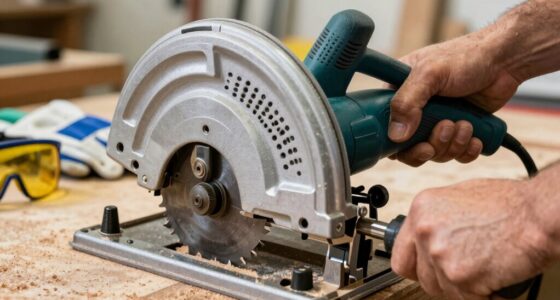
One of the most overlooked safety habits in DIY workshops is consistently maintaining organized workspaces. When you keep tools, materials, and debris tidy, you reduce the chances of trips, falls, or accidental contact with dangerous equipment. Many forget that a clutter-free environment isn’t just neat—it’s essential for safety. Developing the discipline to tidy up and prioritize organization helps you stay alert and prepared. Keep going to discover more about building safer habits that protect you every time.

Get business pricing on tools and workshop supplies
- Business-only prices and quantity discounts
- Tax-exempt purchasing
- Multiple users, one account, clear invoices
Key Takeaways
- Regularly inspecting tools and equipment for damage or wear before each use.
- Maintaining clear, unobstructed pathways to prevent trips and falls.
- Consistently storing PPE in designated, accessible locations to encourage routine use.
- Establishing a habit of cleaning and organizing workspaces after each project.
- Prioritizing fire safety practices, like checking heating devices and fire extinguishers regularly.
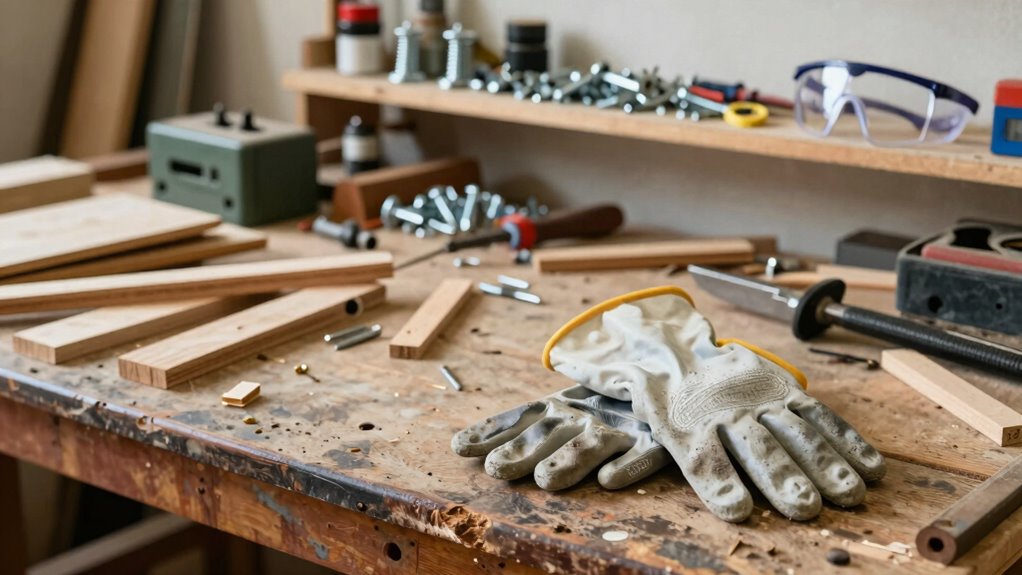
Working safely in DIY workshops isn’t just about avoiding accidents; it’s about establishing habits that protect you every time you pick up a tool. One of the most overlooked safety habits is maintaining proper workshop organization combined with the consistent use of personal protective gear. When your workspace is cluttered or disorganized, the risk of trips, falls, or accidental contact with dangerous tools skyrockets. Keeping your workshop tidy isn’t just about aesthetics; it’s an essential safety measure. Clear pathways, designated storage for tools, and proper disposal of scraps ensure you can move freely and focus on your work without unnecessary hazards. When everything has a place, you’re less likely to reach for the wrong tool or accidentally knock something over, which could cause injury. Additionally, understanding safe heating solutions in your workspace can minimize the risk of fire hazards or burns while working with heat-generating tools or equipment. Establishing a workshop safety protocol helps reinforce these habits and keeps safety at the forefront of your projects. Developing routines for regular maintenance and inspections can further prevent accidents caused by faulty or poorly maintained tools and equipment. A well-organized workspace also encourages proper storage of personal protective gear, making it easier to remember to wear it consistently. Equally important is your commitment to wearing personal protective gear every time you work. Many DIY enthusiasts overlook this habit, thinking they’re only doing small tasks or that safety equipment isn’t always necessary. But even simple projects can produce flying debris, sharp splinters, or loud noises that damage your hearing. Safety glasses, gloves, hearing protection, and dust masks should become second nature. Don’t let complacency be your downfall; it’s easy to underestimate the risks, especially when you’re in a hurry or working on familiar tasks. Developing the discipline to gear up each time markedly reduces your chances of injury and helps you stay alert to potential hazards.
A habit of workshop organization also reinforces the importance of personal protective gear. When your workspace is well ordered, you’re more likely to remember to put on your safety equipment. It becomes part of your routine—just like switching on a light before working or cleaning your hands afterward. This consistency not only protects you physically but also cultivates a mindset of safety-first. Over time, these habits become automatic, and safety becomes an integral part of your DIY process rather than an afterthought.
workshop organization storage bins
As an affiliate, we earn on qualifying purchases.
As an affiliate, we earn on qualifying purchases.
Frequently Asked Questions
How Often Should I Review Safety Procedures in My Workshop?
You should review safety procedures in your workshop at least once a month to keep safety top of mind. During these reviews, make sure you’re using personal protective equipment correctly and refresh your emergency preparedness plans. Regular check-ins help you stay aware of potential hazards, reinforce safe practices, and address any new risks. Staying proactive with safety ensures you’re prepared and minimizes accidents, making your workshop a safer environment for everyone.
What Are Common Signs of Safety Complacency?
You can spot safety complacency through signs like neglecting proper safety gear, rushing tasks, or skipping risk assessments. When you overlook wearing safety gear or ignore hazards, it increases accidents. Stay vigilant by regularly reviewing safety procedures and conducting thorough risk assessments. These habits keep you alert and prevent complacency from taking hold, ensuring you prioritize safety every time you work in your DIY workshop.
How Can I Improve Safety Communication With Visitors?
You can improve safety communication with visitors by conducting thorough visitor orientations, which are shown to reduce accidents by up to 80%. Clearly explain safety protocols, emergency procedures, and location of safety equipment. Regularly update your emergency preparedness plans and guarantee visitors understand them. Engage visitors with visual aids and demonstrations, making safety messages memorable. This proactive approach creates a safety-conscious environment, encouraging visitors to prioritize safety during their workshop experience.
Are There Specific Safety Habits for Different Types of Tools?
Yes, different tools require specific safety habits. For power tools, always wear appropriate personal protective equipment like goggles and gloves, and guarantee proper handling to prevent injuries. When working with electrical tools, prioritize electrical safety by checking cords for damage, keeping hands dry, and unplugging devices before maintenance. Adapting your safety practices to each tool type helps prevent accidents and keeps you safe during your DIY projects.
What’s the Best Way to Track Safety Incidents Over Time?
To track safety incidents effectively, you should implement an incident tracking system that logs every event accurately and consistently. Regular safety audits help identify patterns and areas for improvement. Use digital tools or spreadsheets to record details like date, cause, and resolution. Analyzing this data over time allows you to spot trends, prevent future incidents, and foster a safer workshop environment.
personal protective equipment kit
As an affiliate, we earn on qualifying purchases.
As an affiliate, we earn on qualifying purchases.
Conclusion
If you ignore this simple safety habit, you might as well invite chaos into your workshop—think flying debris, unexpected sparks, or even a trip to the ER! Overlooking this vital step could turn your DIY paradise into a disaster zone in seconds. So, don’t let your workspace become a nightmare; embrace this overlooked safety habit today. It’s the tiny shield that could save you from a catastrophe of epic proportions. Stay safe, stay smart!
As an affiliate, we earn on qualifying purchases.
tool inspection and maintenance kit
As an affiliate, we earn on qualifying purchases.
As an affiliate, we earn on qualifying purchases.
Fall yard work Picks
leaf blowers
As an affiliate, we earn on qualifying purchases.