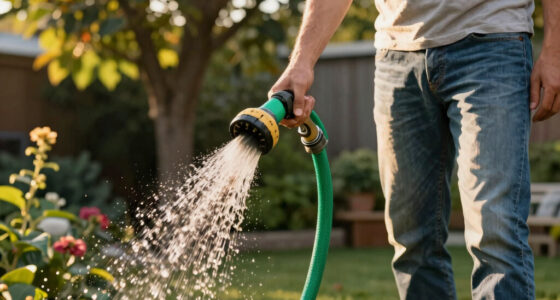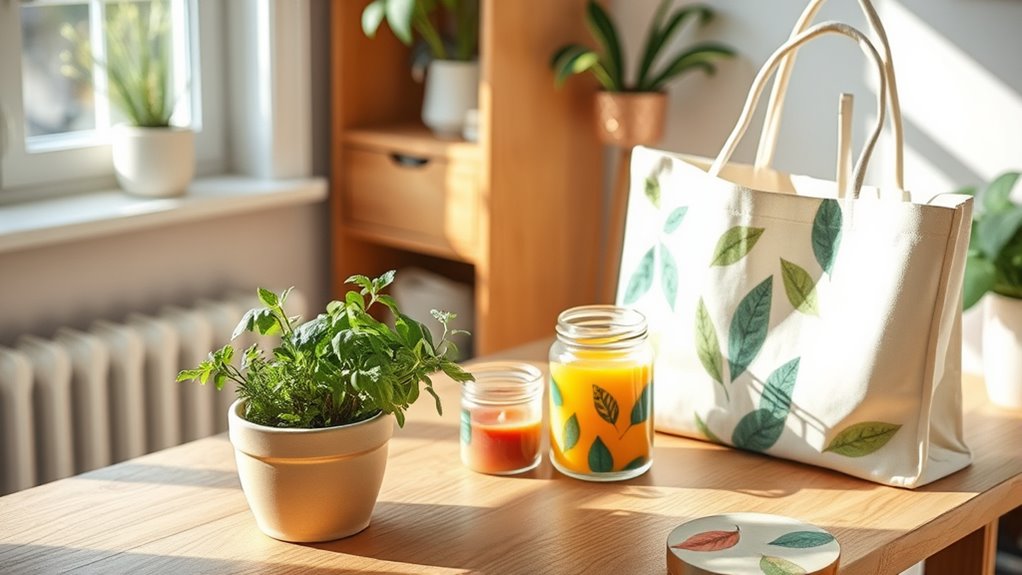

Celebrate Earth Day by creating simple, eco-friendly projects that make your home greener. Repurpose glass jars as planters, turn old T-shirts into reusable bags, or craft organizers from cardboard boxes. Use natural materials like stones and shells for garden decor, and find ways to extend the life of everyday items to reduce waste. Incorporating these sustainable tools and ideas will help you make a positive impact—keep going to discover even more eco-friendly tips for your home.
Listen free for 30 days with Audible
Thousands of audiobooks and originals — cancel anytime.
As an affiliate, we earn on qualifying purchases.
Key Takeaways
- Repurpose household items like jars, tins, and cardboard for sustainable storage, gardening, or decor projects.
- Use natural and recycled materials such as stones, shells, and scrap fabric to craft eco-friendly home decorations.
- Create reusable shopping and produce bags from old t-shirts and scrap fabric to reduce plastic waste.
- Develop DIY crafts that extend the lifecycle of items, promoting waste diversion and circular use.
- Incorporate energy-efficient tools and innovative methods to enhance eco-friendly home projects for Earth Day.

Have you ever thought about how small, hands-on projects can make a big difference for Earth Day? It’s amazing how simple actions can lead to meaningful change, especially when you incorporate recycling ideas and sustainable crafts into your routine. Earth Day is the perfect time to get creative and explore eco-friendly projects that not only help the planet but also add a personal touch to your home. Starting with recycling ideas is a fantastic way to turn everyday waste into useful items. For instance, you can repurpose glass jars into planters or storage containers, giving them a new life while reducing clutter. Old t-shirts become reusable shopping bags, and cardboard boxes transform into organizers or decorative displays. These small acts have a big impact because they divert waste from landfills and promote a circular mindset.
Sustainable crafts are another fun and impactful way to celebrate Earth Day. You can make DIY wall art from reclaimed wood or create garden decorations using natural materials like stones, shells, or pinecones. These projects emphasize using what you already have and avoiding new purchases, which minimizes resource consumption. Plus, crafting with eco-friendly materials often results in unique, one-of-a-kind pieces that add charm to your home. When you’re working on sustainable crafts, you’re not just being environmentally conscious—you’re also fostering your creativity and developing new skills. Plus, these projects often involve a sense of community, whether you’re making them for yourself or sharing with friends and family. Incorporating energy-efficient cloud servers into your planning can also inspire innovative ways to reduce digital carbon footprints, aligning with Earth Day’s sustainability goals.
Getting hands-on with DIY projects encourages you to think about the lifecycle of items and how you can extend their usefulness. Instead of tossing out an empty tin can, turn it into a beautiful herb garden or a pen holder. Use scrap fabric to sew small reusable produce bags, reducing the need for plastic. These ideas are simple but powerful, showing that you don’t need fancy tools or a lot of money to make a difference. Every recycled item, every sustainable craft, contributes to a cleaner, greener environment. Plus, these projects can be done indoors or outdoors, making them accessible no matter your space or season.
reusable produce bags sewing kit
As an affiliate, we earn on qualifying purchases.
As an affiliate, we earn on qualifying purchases.
Frequently Asked Questions
How Can I Measure My Home’s Environmental Impact Effectively?
To measure your home’s environmental impact effectively, start by tracking your energy consumption using utility bills and smart meters. Calculate your carbon footprint by considering factors like heating, cooling, and transportation. Use online tools or apps to estimate emissions based on your energy use, vehicle miles, and waste. Regularly monitor these metrics to identify areas for improvement, helping you reduce your overall environmental impact and live more sustainably.
What Are the Best Sustainable Materials for DIY Projects?
Imagine building a better world with each project. Recycled plastics symbolize renewal, turning waste into beauty, while bamboo embodies resilience and sustainability. These materials are perfect for DIY projects because they’re eco-friendly, durable, and versatile. Using recycled plastics and bamboo helps reduce your carbon footprint and supports a greener future. Embrace these sustainable materials to create functional, beautiful pieces that honor the earth and inspire change.
How Do I Dispose of Eco-Friendly Project Waste Properly?
You should start by sorting your waste into recycling options like plastics, metals, and paper, ensuring they’re clean and dry. For organic waste, use composting methods such as bin composting or worm composting to break down food scraps and biodegradable materials. Always check local guidelines for recycling and composting regulations, and avoid landfilling non-recyclables. Proper disposal reduces environmental impact and keeps your eco-friendly projects truly sustainable.
Can DIY Projects Save Money Long-Term on Energy Bills?
Yes, DIY projects can save you money long-term on energy bills by boosting energy savings and reducing consumption. When you build or install eco-friendly solutions like insulation, solar-powered devices, or energy-efficient lighting, you cut costs over time. These projects often have significant cost benefits, helping you lower your utility bills while making your home more sustainable. Just confirm proper installation to maximize energy savings and long-term savings benefits.
Are There Any Certifications to Look for in Eco-Friendly Tools?
Think of eco-friendly tools like a passport for sustainability; certifications validate your choices. Look for eco label standards and certification programs like ENERGY STAR or Forest Stewardship Council. These guarantee your tools meet strict environmental criteria, just as a passport guarantees authenticity. When you choose certified tools, you’re supporting eco-conscious manufacturing and reducing your home’s carbon footprint, making your DIY projects truly green and impactful.
As an affiliate, we earn on qualifying purchases.
Conclusion
By taking simple DIY steps this Earth Day, you can make a real difference. Did you know that reducing household waste by just 10% could save over 200 pounds of trash annually? Every eco-friendly project you tackle, like repurposing or composting, adds up. So, get creative, stay committed, and remember—small actions lead to big change. Together, we can make our homes greener and a healthier planet for future generations.
recycled cardboard storage organizers
As an affiliate, we earn on qualifying purchases.
As an affiliate, we earn on qualifying purchases.
As an affiliate, we earn on qualifying purchases.
NFL season / tailgating Picks
team gear
As an affiliate, we earn on qualifying purchases.