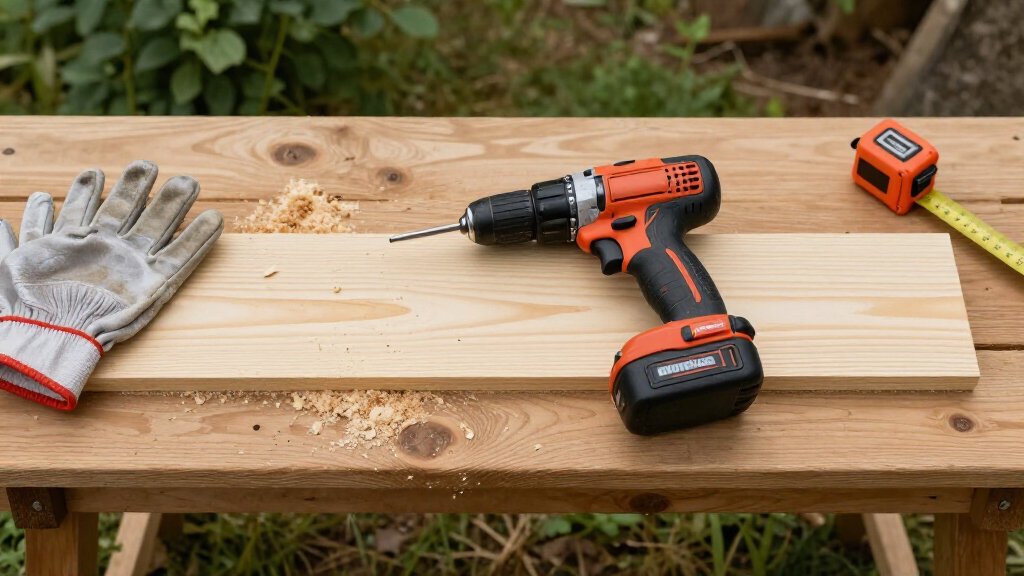
An electric drill for woodworking needs enough torque to drive long screws into hardwood, a responsive clutch to avoid stripping holes, and a chuck that holds bits dead-center — priorities that shift depending on whether you build furniture or just hang shelves. The DEWALT 20V Max Cordless Drill Driver stands out as my best overall pick for its two-speed transmission and dual batteries, which keep pace through long shop sessions. If you want near-pro performance on a tighter budget, the Makita XFD10Z delivers a half-inch chuck and serious muscle as a tool-only buy, while the Sundpey 620 in-lbs brushless kit offers the best value for buyers who want everything in the box. The main tradeoff in this category is between cheap bundled kits with sluggish chucks and weak batteries versus bare pro tools that assume you already own batteries and a charger. Read on for the full breakdown of all eleven drills and who each one actually suits.
Complete the kit


Key Takeaways
- The DEWALT 20V Max won best overall because it’s the only mainstream pick here pairing a genuine two-speed transmission with two batteries, so you never stall mid-project waiting on a charge.
- Only the Makita XFD10Z offers a 1/2-inch chuck in this lineup — a real advantage for woodworking because it accepts larger Forstner and spade bits that 3/8-inch chucks can’t grip.
- The budget 20V kits (COMOWARE, DCA, PULITUO, DEKOPRO) are nearly interchangeable on paper; their real differences come down to battery count, included accessories, and clutch smoothness rather than raw power.
- The Sundpey brushless model was the surprise value winner — brushless motors at this price usually mean longer runtime and less heat during repetitive drilling, which matters more for woodworking than for occasional DIY.
- 12V options like the FADAKWALT and the 92-piece accessory kit trade torque for comfort; they struggle with hardwoods and large-diameter bits but excel for trim work, assembly, and small joinery.
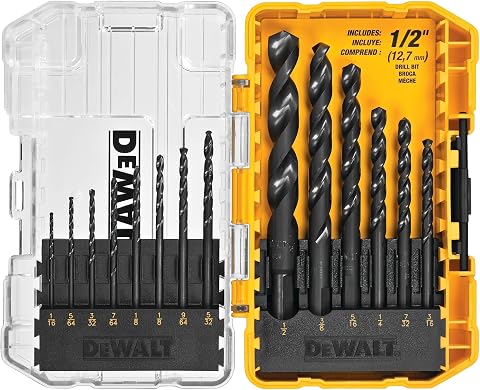
- Several kits pad their piece counts with low-quality bits that dull quickly in wood — budgeting for a separate quality bit set often beats paying extra for a larger bundled kit.


| electric drill for woodworking | Voltage | Battery | Chuck Size |
|---|---|---|---|
| FADAKWALT 12V Cordless Drill S | 12V | — | 3/8” keyless |
| COMOWARE Cordless Drill with B | 20V | 1500mAh Li-ion | — |
| DCA Cordless Drill Set | 20V | 2.0Ah Li-ion | — |
| DEKOPRO Cordless Drill 20V Ele | 20V | 1.5Ah Li-ion | — |
| DEWALT 20V Max Cordless Drill | 20V Max | 2x XR 1.3Ah Li-ion | — |
| BLACK+DECKER 20V MAX* PowerCon | — | 20V MAX lithium-ion | — |
| PULITUO 20V Cordless Drill/Dri | 20V | 2 x 1.5 Ah Li-ion | 3/8" |
| Sundpey 620In-lbs Brushless Co | — | — | 3/8-inch (10mm) |
| Makita XFD10Z 18V LXT Lithium- | — | — | 1/2" |
| AVID POWER 20V Cordless Drill | — | 20V Lithium-ion | 3/8" keyless |
| Cordless Drill Set | 12V | — | 3/8" keyless |
More Details on Our Top Picks
FADAKWALT 12V Cordless Drill Set with Battery and Charger
For woodworkers who spend their time on pilot holes, hinge screws, and delicate joinery rather than boring big spade bits, a 12V platform makes more sense than it first appears. This FADAKWALT set delivers 180 in-lbs of torque across 21+1 clutch settings, which is plenty of control for driving small screws into hardwood without camming out or splitting the workpiece. Compared with the COMOWARE 20V, it gives up raw power, but the lighter 12V build means steadier hands during fine furniture work and less fatigue when assembling cabinets. The 3/8″ keyless chuck accepts most woodworking bits comfortably. The tradeoff is real: don’t expect it to power through thick stock with large Forstner bits, and the unspecified battery life is a question mark for all-day shop sessions.
Pros:- 21+1 clutch settings give fine torque control for delicate hardwood work
- Lightweight, ergonomic body reduces fatigue during assembly tasks
- 3/8″ keyless chuck makes bit changes fast
- Includes drill bits and accessories so beginners can start immediately
Cons:- 12V motor lacks power for large-diameter drilling in thick stock
- Battery capacity is unspecified, making all-day shop use a gamble
Best for: Hobbyist furniture makers and detail woodworkers doing pilot holes, assembly, and light screw-driving
Not ideal for: Anyone boring large-diameter holes or driving long lag screws — the 12V motor will stall out
- Voltage:12V
- Max Torque:180 in-lbs
- Chuck Size:3/8” keyless
- Torque Settings:21+1
- RPM Range:0-650 RPM
- Extras:LED light, bit and accessory set
Our verdict“A sensible pick if your woodworking revolves around assembly and precision rather than heavy boring.”
COMOWARE Cordless Drill with Bits Set, 20V Electric Power Drill & Charger
This is the kit I’d point a first-time woodworker toward, because it solves the two problems beginners actually have: not owning bits, and not knowing which speed to use. The two-speed transmission (0-350 and 0-1300 RPM) covers both slow, controlled screw driving and faster drilling through pine and plywood, while the 25+1 clutch protects soft wood from stripped screws. With 266 in-lbs of torque it out-muscles the FADAKWALT 12V handily for hardwoods, though it trails the DCA’s 354 in-lbs when the going gets thick. The 23-piece accessory set in a storage case means you can start a project the day it arrives. Real tradeoffs: the 1500mAh battery is small, so expect a recharge mid-project, and the trigger response isn’t as refined as premium options.
Pros:- Two-speed transmission handles both delicate driving and faster drilling
- 23-piece bit set in a storage case eliminates separate accessory purchases
- 266 in-lbs of torque is enough for common hardwood drilling tasks
- 60-minute fast charger minimizes downtime between battery swaps
Cons:- 1500mAh battery capacity limits continuous work sessions
- Trigger sensitivity is unremarkable compared with pricier drills
Best for: New woodworkers who want a complete, affordable package with bits included from day one
Not ideal for: Serious DIYers planning all-day build sessions — the 1500mAh battery won’t keep pace
- Voltage:20V
- Max Torque:266 in-lbs
- Speed:0-350 & 0-1300 RPM
- Clutch:25+1 positions
- Battery:1500mAh Li-ion
- Charger:60-minute fast charger
- Chuck:3/8 inch keyless metal
- Accessories:23 pieces with case
Our verdict“The most sensible entry point for beginners who need everything in one box without overspending.”
DCA Cordless Drill Set, 20V, 354 in-lbs Torque, 3/8″ Keyless Chuck, 2.0Ah Battery & Charger, 25-Piece Kit
Between the budget 20V kits and the premium DEWALT sits this DCA set, and it earns its spot on raw capability per dollar. At 354 in-lbs of torque, it beats both the COMOWARE (266) and DEKOPRO offerings, meaning it drives lag screws into framing lumber and spins larger bits through hardwood without bogging down. The 2.0Ah battery is the largest single battery in this batch, giving noticeably longer runtime than the COMOWARE’s 1500mAh pack — a real difference when you’re mid-build. At 2.8 pounds it’s heavier than the DEKOPRO’s 2.5 pounds, so there’s a comfort penalty for smaller hands or overhead work. It won’t match the DEWALT’s 1/2″ chuck capacity or ecosystem, but for a woodworker on a budget who drills hard and often, this is the strongest value here.
Pros:- 354 in-lbs of torque is the highest in this budget batch
- 2.0Ah battery outlasts the smaller packs in rival kits
- 0-1500 RPM top speed handles fast material removal
- 25-piece bit set covers common woodworking sizes
Cons:- At 2.8 pounds, it’s the heaviest drill in this group — tiring overhead
- Speed control beyond the two settings isn’t well documented
Best for: Frequent DIY woodworkers who want maximum torque and runtime without paying brand-name prices
Not ideal for: Buyers who want a large accessory ecosystem or a 1/2″ chuck for big-shank bits
- Voltage:20V
- Max Torque:354 in-lbs
- Speed:0-1500 RPM
- Battery:2.0Ah Li-ion
- Chuck:3/8 inch keyless
- Weight:2.8 pounds
- Bits Included:25 pieces
Our verdict“The smart middle ground for woodworkers who need serious torque regularly but can’t justify premium pricing.”
DEKOPRO Cordless Drill 20V Electric Power Drill Set with Battery and Charger
At 2.5 pounds, this is the lightest 20V drill in the lineup, and that number matters more in woodworking than most specs suggest. Holding a drill overhead while installing upper cabinets or working inside a carcass punishes heavy tools fast, and the DEKOPRO minimizes that strain. The 18+1 torque settings give fewer adjustment steps than the COMOWARE’s 25+1 clutch, which translates to slightly coarser control when dialing in screw depth on soft woods. Torque output also isn’t stated, and the 1.5Ah battery mirrors the COMOWARE’s runtime limitations. Where this kit earns its place is comfortable, occasional use: shelf hanging, box assembly, basic repairs around the shop. It isn’t the drill for thick maple or repetitive heavy boring — the DCA covers that ground — but for weight-sensitive tasks, nothing else here is easier on the wrists.
Pros:- Lightest 20V drill in the group at 2.5 pounds, ideal for overhead work
- Two-speed settings (0-350/0-1350 RPM) handle both driving and drilling
- Includes battery, charger, and a spread of bits for immediate use
Cons:- 18+1 clutch offers less fine-grained torque control than rivals
- 1.5Ah battery limits longer build sessions
Best for: Woodworkers with limited hand strength or those doing lots of overhead cabinet and trim work
Not ideal for: Heavy-duty builders — the modest battery and unspecified torque limit demanding projects
- Voltage:20V
- Battery:1.5Ah Li-ion
- Weight:2.5 pounds
- Speed Settings:0-350 / 0-1350 RPM
- Torque Settings:18+1
- Extras:Drill and screwdriver bits, charger
Our verdict“Choose this when wrist fatigue matters more than maximum power — cabinet installation and light shop tasks, mostly.”
DEWALT 20V Max Cordless Drill Driver Set, 2-Speed, Includes 2 XR 1.3Ah Batteries, Charger, and Contractor Bag
What separates the DEWALT from every budget option here isn’t a spec on paper — it’s the 1/2-inch ratcheting chuck and the platform behind it. The larger chuck accepts big-shank spade bits and hole saws common in woodworking, and the ratcheting lock means bits don’t slip under heavy load, something keyless chucks on the DCA and COMOWARE can’t guarantee. The two included XR batteries effectively double your runtime via hot-swapping, though each 1.3Ah pack is small on its own compared with the DCA’s single 2.0Ah. As an entry into the 20V Max ecosystem, this drill also unlocks a huge range of future tool purchases sharing the same batteries. It’s overkill if you only hang shelves occasionally, and it explicitly isn’t for masonry — but for a woodworker building toward a real tool collection, this is the durable foundation pick.
Pros:- 1/2-inch ratcheting chuck grips large-shank woodworking bits securely
- Two XR batteries allow continuous work via hot-swapping
- Access to the extensive DEWALT 20V Max battery platform for future tools
- Compact, ergonomic body suited to long shop sessions
Cons:- 1.3Ah batteries are small individually compared with rival kits’ larger packs
- Premium price is hard to justify for occasional light-duty users
Best for: Committed woodworkers who want a durable platform drill and plan to expand into the 20V Max tool ecosystem
Not ideal for: Casual one-project buyers — the premium price buys capability and ecosystem, not just a drill
- Voltage:20V Max
- Battery:2x XR 1.3Ah Li-ion
- Chuck:1/2 inch ratcheting
- Speeds:0-450 / 1500 RPM
- Transmission:2-speed
- Includes:Charger, contractor bag
Our verdict“The pick for woodworkers thinking long-term: pay more once, gain a chuck and battery ecosystem that grows with your shop.”
BLACK+DECKER 20V MAX* PowerConnect Cordless Drill Driver Kit with 100-Piece Bit Set
Most drills in this roundup come with a handful of bits; this one arrives with a 100-piece accessory set, which is the real story here. For a woodworker building out a first workshop, that means driver bits, drill bits, and attachments for pilot holes, hinges, and hardware are covered from day one. The 24-position clutch gives finer torque control than the PULITUO’s 21+1 setup, which matters when driving screws into soft pine without stripping. Performance-wise, it sits below the Sundpey’s brushless 620 in-lbs output, so it is a drill for joinery and assembly rather than boring large holes in hardwood. The PowerConnect system is the hidden value: any other BLACK+DECKER 20V tool shares the same battery, so the ecosystem grows cheaply over time.
Pros:- 100-piece accessory set eliminates separate bit purchases
- 24-position clutch offers precise torque control for delicate woodwork
- PowerConnect battery works across the BLACK+DECKER 20V ecosystem
- Soft-grip handle reduces fatigue during long assembly sessions
Cons:- Battery life falls short on heavy-duty or all-day projects
- Slightly heavy for prolonged overhead work compared to the 2.5 lb AVID POWER
Best for: First-time workshop builders who want a drill plus a complete bit collection in one purchase, especially if they already own other PowerConnect tools
Not ideal for: Woodworkers planning heavy daily use — the single battery and brushed motor won’t keep pace with the Sundpey’s two-battery brushless setup
- Battery:20V MAX lithium-ion
- Clutch:24-position
- Included:100-piece bit and accessory set
- Handle:Soft-grip
- Battery System:PowerConnect interchangeable system
Our verdict“Buy this if you’re starting a workshop from scratch and want the accessories included; skip it if you already own bits and need raw drilling power.”
PULITUO 20V Cordless Drill/Driver with 2 Batteries, 30Nm Torque, 2 Speed Settings, 21+1 Torque Settings, LED Light, 34-Piece Kit
Two batteries at a budget price is what separates the PULITUO from single-battery rivals like the BLACK+DECKER kit. When one pack dies mid-project, you swap and keep working — a workflow advantage that matters more than any spec sheet number for a hobbyist assembling cabinets on a weekend. The two-speed transmission (0-400 and 0-1500 RPM) lets you run low speed for large Forstner bits and high speed for clean pilot holes, something the single-speed AVID POWER can’t match. At 30 Nm (266 in-lbs), torque is modest next to the Sundpey’s 620 in-lbs, so it handles softwood and sheet goods well but labors in dense hardwoods. The 3/8-inch chuck also limits it to smaller bits than the Makita’s 1/2-inch capacity.
Pros:- Two included batteries eliminate mid-project downtime
- Two-speed transmission covers both pilot drilling and fast driving
- 34-piece accessory kit covers common woodworking tasks
- LED light helps when working inside cabinets or under benches
Cons:- 30 Nm torque is on the low end for dense hardwood applications
- Heavier than dedicated compact drills for prolonged overhead use
Best for: Budget-conscious hobbyists who want zero downtime thanks to the second battery and mostly work with softwoods, plywood, and furniture assembly
Not ideal for: Anyone drilling thick hardwood or needing 1/2-inch shank bits — the torque ceiling and small chuck will frustrate them
- Voltage:20V
- Battery:2 x 1.5 Ah Li-ion
- Max Torque:30 N.m (266 in-lb)
- Speed Settings:2 (0-400, 0-1500 RPM)
- Torque Settings:21+1
- Chuck Size:3/8″
- Additional Features:LED light
Our verdict“The smart pick if continuous runtime on a budget is your priority, as long as your projects stay in the light-to-medium duty range.”
Sundpey 620In-lbs Brushless Cordless Drill Set
At 620 in-lbs of torque, the Sundpey out-muscles even the Makita XFD10Z (480 in-lbs) at a much lower price, and its brushless motor means better efficiency and longer motor life than the brushed BLACK+DECKER or PULITUO. For woodworking specifically, the hammer-drill mode adds the ability to anchor benches and shelving into masonry walls — a capability no other drill in this batch offers. Two 2.0Ah batteries and a 1.5-hour charge time keep the workflow moving, though the stated one-hour no-load runtime shrinks fast under load. The 3/8-inch chuck is the compromise: it accepts most woodworking bits, but thick-shank augers and large hole saws need the Makita’s 1/2-inch capacity. Compared to the PULITUO, you’re trading accessory count for raw capability.
Pros:- 620 in-lbs of brushless torque leads this price tier by a wide margin
- 3-in-1 modes handle screwdriving, drilling, and hammer drilling
- Two 2.0Ah batteries with 1.5-hour charging keep projects moving
- Quick-change chuck speeds up bit swaps during multi-step operations
Cons:- Runtime drops well below the one-hour no-load figure under real load
- No published weight, and 1.5-hour charge times lag faster premium chargers
Best for: Value-focused DIY woodworkers who want maximum torque and hammer-drill versatility without paying pro-tool prices
Not ideal for: Buyers needing published weight specs and premium build confidence, or those regularly using 1/2-inch shank bits
- Torque:620 in-lbs
- Max Speed:1800 RPM
- Battery Capacity:2 x 2.0Ah lithium-ion
- Charge Time:1.5 hours
- Chuck Size:3/8-inch (10mm)
- Drilling Depth:3 inch in wood, 2 inch in brick
- Batteries:2 included
Our verdict“The strongest drilling performance per dollar in this lineup, ideal if torque and versatility outweigh brand prestige for you.”
Makita XFD10Z 18V LXT Lithium-Ion Cordless Drill, Tool Only, 1/2″
This is the only drill here built to survive a professional jobsite, and it’s priced accordingly. The 1/2-inch chuck accepts the large-diameter bits and hole saws that the Sundpey and PULITUO’s 3/8-inch chucks physically can’t hold, which is a genuine advantage for boring big hinge cups or dowel jigs in hardwood. Makita’s Extreme Protection Technology seals the tool against dust and moisture — relevant in a workshop full of sawdust. The catch: it ships tool only, so you’re buying battery and charger separately unless you already own LXT tools. That makes the true cost far higher than the Sundpey despite the Sundpey’s higher peak torque. What you’re paying for is longevity, the 0-1,900 RPM top speed, and a resale value budget brands never match.
Pros:- 1/2-inch chuck accepts large hole saws and auger bits for serious woodworking
- XPT dust and water resistance suits sawdust-heavy workshops
- Dual LED lights and ergonomic grip support long, precise sessions
- 0-1,900 RPM top speed handles fast, clean drilling in hardwood
Cons:- Battery and charger sold separately, inflating the real cost of entry
- Locked into the 18V LXT ecosystem with no included accessories
Best for: Serious woodworkers and pros who already own (or will grow into) the Makita 18V LXT battery ecosystem and want a drill that lasts decades
Not ideal for: First-time buyers on a budget — the tool-only pricing plus battery and charger costs exceed what a complete Sundpey or PULITUO kit delivers
- Motor:Makita-built 4-pole
- Torque:480 in. lbs.
- Speed:0-600 & 0-1,900 RPM
- Chuck Size:1/2″
- Technology:Extreme Protection Technology (XPT)
Our verdict“The long-term investment pick — buy it only if you’re committed to the Makita platform and need pro-grade durability plus chuck capacity.”
AVID POWER 20V Cordless Drill Set for Home DIY & Beginner Projects – Lightweight Power Drill with Battery Charger & 22 Bits
At 2.5 lbs, this is the lightest drill in the roundup, and for a beginner that lightness translates directly into accuracy — tired arms wander off the drill line. Compared to the PULITUO, which trades weight for a second battery, the AVID POWER prioritizes one-hand comfort for furniture assembly, shelf hanging, and craft projects. The variable speed trigger and adjustable torque teach new woodworkers feel without overwhelming them, and the 22-piece kit (including a flexible shaft) covers the tasks beginners actually do. The honest limits: 280 in-lbs of torque and a 25mm bit ceiling mean it’s out of its depth on thick hardwood, and the battery only fits other AVID POWER tools, unlike the BLACK+DECKER’s broad PowerConnect ecosystem. It’s a stepping-stone tool, and a good one.
Pros:- 2.5 lb weight makes it the easiest drill here to control one-handed
- Complete starter kit with 22 accessories including a flexible shaft
- Variable speed and torque settings build good technique early
- Single 0-550 RPM range is simple for newcomers to learn on
Cons:- 280 in-lbs of torque can’t handle heavy-duty hardwood work
- Battery incompatible with any other brand’s tools
- Limited to 25mm drill bits
Best for: Beginners and casual DIYers doing furniture assembly, repairs, and light craft woodworking who value low fatigue over power
Not ideal for: Anyone drilling dense hardwood, masonry, or large-diameter holes — and builders wanting a battery ecosystem that expands
- Battery:20V Lithium-ion
- Torque:280 In-lbs
- Speed:0-550 RPM
- Chuck Size:3/8″ keyless
- Weight:2.5 lbs
- Included Accessories:22 pieces (bits, flexible shaft, extension bar)
Our verdict“The gentlest entry point into woodworking with a drill — buy it for light projects, and plan to upgrade when your skills outgrow it.”
Cordless Drill Set, 12V Power Drill Driver with 92 Accessories, Built-in LED Light, 3/8″ Keyless Chuck, 25+1 Torque Settings, Blue
Most of the drills in this roundup chase raw power, but this 12V option takes a different route: it’s the lightest, most manageable pick here, and it arrives with a 92-piece accessory kit that covers nearly every small woodworking task a hobbyist will face. Where the DEWALT 20V Max gives you more muscle for hardwood and large spade bits, this drill favors control and comfort, which matters when driving small screws into pine trim or assembling cabinets. The 25+1 torque settings help prevent stripped screwheads in softwood — a real advantage over the AVID POWER 20V, which offers fewer fine-grain adjustments. The tradeoff is honest: at 250 inch-pounds and a 2.0Ah battery, it will bog down in dense hardwoods and won’t survive a full day of continuous drilling. For light-duty craft woodworking, though, the ergonomics and completeness of this kit are hard to beat at the price.
Pros:- 92-piece accessory kit eliminates separate bit purchases for most small projects
- Lightweight 12V design reduces fatigue during detail and overhead work
- 25+1 torque settings offer fine control that protects softwood from stripped screws
- Fast charger keeps downtime short between sessions
Cons:- 12V motor lacks the power for large-diameter bits or dense hardwood
- 2.0Ah battery limits runtime on longer projects compared to 20V rivals
- Accessory quality is mixed — several pieces are more filler than useful
Best for: Hobbyists and DIYers doing light-duty woodworking — trim work, furniture assembly, pilot holes in softwood — who want everything in one box
Not ideal for: Woodworkers drilling large holes or working dense hardwoods; the 12V motor and small battery will frustrate anyone with heavy-duty demands
- Voltage:12V
- Max Torque:250 inch-pounds
- Chuck Size:3/8″ keyless
- Battery Capacity:2.0Ah
- Torque Settings:25+1
- Accessories Included:92 pieces
- Work Light:Built-in LED
Our verdict“Buy this if you primarily do light craft woodworking and want a complete, affordable starter bundle — skip it if your projects involve hardwoods or big holes.”
How We Picked
I evaluated each drill through a woodworking lens rather than a general DIY one, which immediately changed the hierarchy. The criteria that mattered most: sustained torque for driving long screws into hardwood, clutch precision across many settings (woodworking demands fine control so you don’t blow out screw pockets), chuck size and runout (a wobbling bit ruins clean holes), battery capacity and whether a second battery is included, and motor type, since brushless designs run cooler through repetitive drilling. I also weighed what each kit actually bundles, discounting inflated accessory counts in favor of usable bits and chargers.
The ranking logic follows a simple principle: capability per dollar spent on the tool itself, not the box it ships in. Pro-grade tools like the DEWALT and Makita rank high because their performance ceilings justify their price for anyone doing regular woodwork. Value brushless options like the Sundpey rank above comparable brushed kits because runtime and durability matter more than extra accessories. Budget 12V models sit lower not because they’re bad drills, but because their torque limits show up fast the moment you drill a 1-inch hole in oak. Every placement reflects who the drill serves, not just what it costs.
Factors to Consider When Choosing Electric Drill For Woodworking
Choosing a drill for the woodshop involves a few decisions that aren’t obvious from a spec sheet. Before you pick from the eleven options above, think through these factors — they’ll save you money and frustration.Torque Ratings Only Tell Part of the Story
Manufacturers advertise peak torque numbers like 350 in-lbs or 620 in-lbs, but that figure describes a momentary stall point, not what you’ll feel driving screws all afternoon. For woodworking, what matters more is torque consistency at mid-range speeds, where most drilling and driving happens. A brushed 20V motor and a brushless motor with identical peak ratings will feel very different after twenty minutes of repetitive pocket-hole screws — the brushless one holds speed while the brushed one heats and fades. Also note that torque is only useful if the clutch lets you dial it down; blowing through a soft pine screw pocket because the clutch was too coarse costs more time than any torque deficit. Compare torque within the same voltage class, and treat cross-class comparisons skeptically.
Voltage, Battery Count, and the Hidden Cost of Tool-Only Deals
A 20V platform generally outmuscles 12V for hardwood and large bits, but that advantage disappears if you’re running one small battery while a second charges — nothing kills momentum like a 45-minute wait mid-build. That’s why kits with two batteries earn a real premium in the rankings. At the same time, the Makita’s tool-only pricing illustrates the flip side: if you already own batteries from that ecosystem, buying bare tools is far cheaper per tool over time. A common mistake is comparing a tool-only price against a full kit price and thinking the bare tool is a bargain — add the cost of a battery and charger before judging. And beware of proprietary off-brand batteries on ultra-cheap kits; replacing them in two years may be impossible.
Chuck Size and Runout Matter More for Wood Than You’d Expect
Most drills in this class have 3/8-inch keyless chucks, which handle twist bits and driver bits fine but limit your largest Forstner and spade bit shanks. If you plan to bore hinge cups, dowel holes, or cable passages, a 1/2-inch chuck like the Makita’s opens up the larger bit sizes without adapters. Chuck quality also shows up as runout — the wobble at the bit tip — and even 1mm of runout translates into sloppy, oval holes in wood and burned edges on Forstner cuts. Cheap keyless chucks also loosen under the vibration of heavy drilling in dense stock, forcing you to re-tighten mid-hole. If precision joinery is on your project list, prioritize chuck quality over accessory count every time.
Weight, Balance, and Long Session Comfort
A drill that feels fine in the store aisle can exhaust your wrist after an hour of overhead or one-handed work. Heavier 20V models with big batteries offer power but front-load the weight; compact 12V units like the FADAKWALT trade torque for a balance that suits assembly and trim work. Handle grip diameter and trigger feel are underrated — a coarse trigger makes fine depth control difficult when you’re easing a screw flush with a surface. Consider how you’ll actually hold the tool: overhead work rewards lightness, bench work rewards stability and power. Many woodworkers eventually own both a compact and a full-size drill for exactly this reason.
Kit Accessories Are Usually the Weakest Link
The ‘100-piece’ and ’92-piece’ counts on budget kits are dominated by drill bits and drivers that dull or twist after a few sessions in hardwood. The bits that come bundled with drills are almost always the cheapest part of the kit, and replacing them with a quality set from a dedicated bit maker typically costs $20–40 — money better spent upfront than on a bigger box. Judge kits instead by their batteries, charger quality, and any genuinely useful extras like a magnetic bit holder or carrying case. A smart pattern: buy a modest kit from a brand with a real battery ecosystem, then invest the savings in good brad-point and Forstner bits, which are the bits woodworkers actually reach for. That combination outperforms any mega-kit at the same total price.
Brushed vs. Brushless: When It’s Worth Paying More
Brushless motors used to be a pro-only feature, but value options like the Sundpey have brought them into budget territory, and for woodworking the upgrade matters more than most specs. A brushless motor delivers longer runtime per charge, less heat buildup, and longer motor life — benefits that compound during repetitive tasks like driving fifty deck-style screws or drilling repeated dowel holes. Brushed motors aren’t disqualified; they’re simpler, cheaper, and entirely adequate for occasional projects. The honest dividing line is usage frequency: weekend builders won’t notice the difference, while anyone in the shop weekly will feel it within a month. If the brushless premium is under $30, as it is in this lineup, it’s usually money well spent.
Frequently Asked Questions
Is a 20V drill overkill if I mostly work with pine and plywood?
For softwoods and sheet goods, a 20V drill is more power than you strictly need, but headroom isn’t wasted — it means the motor works at lower effort, runs cooler, and the clutch operates in its most precise range rather than near its limit. Where 20V genuinely earns its keep is large-diameter bits: a 1-inch spade bit through pine will bog down a compact 12V drill like the FADAKWALT, while a 20V model powers through. If your projects never exceed 1/4-inch twist bits and basic screw driving, the lighter weight and lower cost of a 12V option is the smarter trade. But most woodworkers eventually hit a project where the extra torque pays off, which is why 20V dominates this roundup.
Should I buy the Makita XFD10Z tool-only or a complete kit from another brand?
That depends entirely on whether you own batteries already. The Makita’s tool-only price looks competitive until you add an 18V LXT battery and charger, which can push the total $60–100 above complete kits like the DEWALT or Sundpey. But if you already have Makita batteries from another tool, it becomes the cheapest serious drill in this lineup by a wide margin — and its 1/2-inch chuck and build quality outclass every bundled kit here. The strategic play is to pick one battery ecosystem and stay in it, because batteries and chargers are where the real money sits. Switching brands later means rebuying all of that, so choose your first tool in an ecosystem deliberately.
How many torque (clutch) settings do I actually need for woodworking?
More clutch settings mean finer adjustment, and that precision is genuinely useful in wood because different species and screw sizes need different driving depths. A 25+1 setting clutch, like those on the DCA, PULITUO, and the 12V accessory kit, lets you creep up on the perfect setting so screws seat flush without burying themselves in soft pine. For hardwoods you’ll run near the top of the range anyway, where the number of settings matters less. The bigger quality question is whether the clutch engages consistently — cheaper clutches can feel vague between adjacent settings, which negates the advantage of having 25 of them. Treat clutch count as a positive signal, but not the deciding factor between otherwise similar drills.
Are the cheap 20V kits under $60 actually usable for real woodworking?
Usable, yes — with clear limits. Kits like the COMOWARE, DEKOPRO, and PULITUO have enough torque for furniture assembly, pocket screws, and holes up to about 1/2 inch in softwood, which covers a lot of hobby projects. Where they fall short is sustained work: single small batteries, brushed motors that heat up, and bundled bits that dull quickly mean more interruptions and replacements over time. The Sundpey is the exception that changes the math, since its brushless motor addresses the biggest weakness of this price class. If your budget is firm at $60, choose based on battery count and motor type rather than accessory piece counts, and plan to buy a decent bit set separately.
Can one drill handle both drilling and driving, or do I need two tools?
One drill does both jobs fine, and most woodworkers start that way — you just swap bits between drilling pilot holes and driving screws, which adds maybe ten seconds per hole. The case for a second tool is workflow, not capability: keeping a drill bit in one and a driver bit in the other halves your bit-swapping on repetitive tasks like cabinet installs or drilling-and-driving hundreds of screws. A common budget-friendly path is pairing a main 20V drill like the DEWALT with a cheap compact unit like the AVID POWER or FADAKWALT as the dedicated driver. If you only buy one, prioritize the best main drill you can afford and add a second later. Impact drivers are the other option for heavy driving, but for woodworking’s finer control needs, a second drill is often the better companion.
Conclusion
After comparing all eleven, the right choice comes down to how often you’re in the shop and what you’re building. For best overall, the DEWALT 20V Max is the pick — its two-speed transmission, dual batteries, and reliable clutch make it the most complete woodworking drill in this lineup. The Sundpey brushless kit takes best value, giving you the runtime and durability advantages of a brushless motor at a kit price where competitors use brushed motors. For best premium, the Makita XFD10Z earns it with the only 1/2-inch chuck here, pro-grade construction, and expansion room if you build out Makita’s 18V ecosystem over time.
Beginners should look at the AVID POWER 20V — it’s approachable, lightweight, and forgiving while you learn, without the toy-like limitations of the 12V options. For specific needs: choose the BLACK+DECKER kit if you want one purchase that includes a broad starter accessory set, the FADAKWALT or 12V accessory kit for light assembly and trim work where weight matters more than torque, and the DCA, COMOWARE, DEKOPRO, or PULITUO if your budget is fixed and you’ll trade refinement for savings. Whatever you pick, remember that a modest kit plus quality wood bits beats a mega-kit with mediocre ones — the drill is the tool you’ll keep; the bundled bits rarely survive the first year.