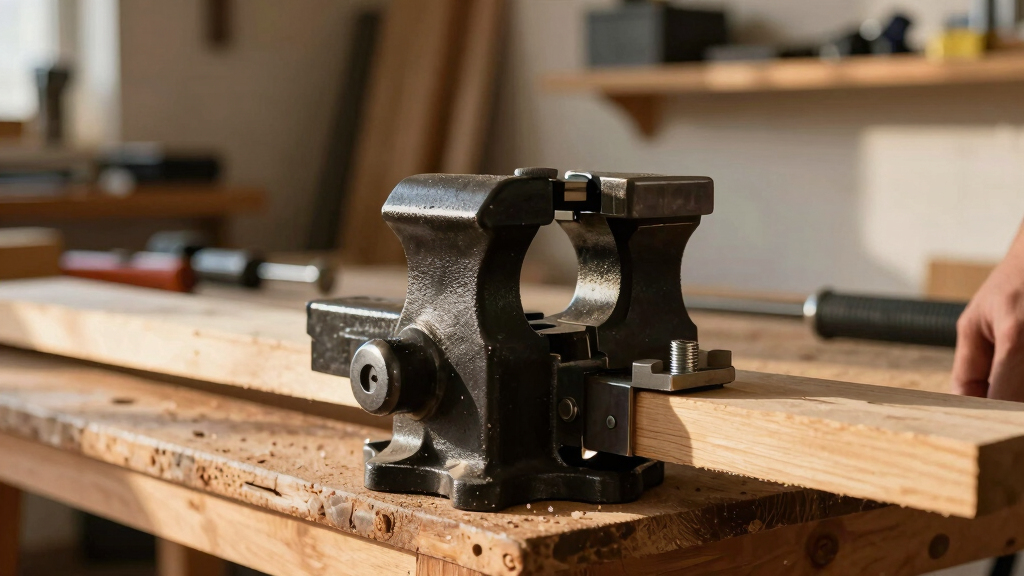

Finding the best heavy duty bench vise can significantly improve your workshop’s efficiency and safety. The top pick, the PONY Heavy Duty Bench Vise, balances durability with versatility, making it suitable for demanding tasks. The Wilton Reversible Bench Vise stands out for its larger jaw capacity and reversible jaws, ideal for heavy-duty projects. However, these vises often require tradeoffs in size, weight, and price. Continue reading for a detailed comparison that will help you choose the right model for your workbench and workload.

Get tools and workshop supplies delivered free — and shop member deals
- Fast, free delivery on millions of items
- Access to Prime Big Deal Days deals on October 6–7
- Prime Video, Amazon Music and more included
Key Takeaways
- Larger jaw widths generally provide more versatility but add to the vise’s weight and cost.
- Swivel bases enhance flexibility, especially for complex clamping tasks, but may introduce slight durability considerations over time.
- Heavy-duty vises with higher clamp forces tend to be more durable but can be bulkier and harder to install.
- Models with included accessories like bolts and nuts offer better value and easier setup, especially for beginners.
- Price correlates strongly with build quality and size; the most expensive options often deliver the best longevity and performance.


More Details on Our Top Picks
PONY Heavy Duty Bench Vise, 5-inch Jaw Width, 7-inch Jaw Opening, 360-Degree Swivel Base with Anvil
This PONY heavy-duty vise stands out for its combination of durability and versatility in a compact size. Its 5-inch jaw width and 7-inch opening make it well-suited for woodworking and small metalworking tasks, especially when compared to larger vises like the Wilton 8-inch model, which offers more capacity but less maneuverability. The 360-degree swivel base enhances positioning, while the durable gray iron construction promises longevity. The included jaw pads add convenience, yet its weight—nearly 19 kg—makes it less portable, so it’s best for fixed bench setups. This vise balances capacity and maneuverability, making it ideal for hobbyists and small workshop users who need reliable strength without excessive bulk.
Pros:- Durable gray iron construction ensures long-lasting use
- 360-degree swivel base provides excellent flexibility
- Large capacity with strong clamping force for various tasks
- Includes vise jaw pads for versatile clamping
Cons:- Heavy weight makes it difficult to move frequently
- Limited portability restricts use to fixed bench setups
Best for: Small to medium workshop users needing a reliable, versatile vise with good capacity
Not ideal for: Heavy industrial environments or users requiring frequent mobility due to its weight
- Jaw Width:5 inches
- Jaw Opening:7 inches
- Swivel Base:Yes
- Anvil Area:2 x 2 inches
- Throat Depth:3.5 inches
- Clamping Force:6614 lbs
Bottom line: This vise offers a strong balance of capacity and flexibility, ideal for users who need a durable yet manageable bench vise for small to medium projects.
8-inch Heavy-Duty Bench Vise with 9900 lbs Clamping Force and 360° Swivel
Compared with the smaller PONY model, this 8-inch vise offers more capacity with a robust 9900 lbs clamping force, making it suitable for serious metalworking tasks. Its ductile iron construction provides durability and strength, while the 360-degree swivel base allows for flexible positioning. The inclusion of measurement scales improves precision, especially useful when working with metals or plastics that demand accuracy. However, its weight—over 20 kg—limits mobility, and the capacity is limited to 8 inches, which might be insufficient for larger projects or industrial-scale work. Overall, this model makes the most sense for workshop environments where strength and versatility are priorities over portability.
Pros:- Ductile iron construction for exceptional durability
- High clamping force for heavy-duty applications
- 360-degree swivel base for versatile positioning
- Measurement scales for enhanced accuracy
Cons:- Heavy weight hampers portability
- Limited to 8-inch capacity for larger projects
Best for: Professional metalworkers and serious DIYers needing high clamping strength and precise positioning
Not ideal for: Users with limited space or those needing frequent relocation of the vise
- Jaw Width:8 inches
- Opening:8 inches
- Throat Depth:4.33 inches
- Clamping Force:9900 lbs
- Material:Ductile iron
- Swivel Base:Yes
Bottom line: This vise excels in strength and precision, making it suited for demanding workshop environments where capacity and durability matter most.
VEVOR 6-Inch Bench Vise with 360-Degree Swivel, Heavy Duty Ductile Iron Workbench Vise with Anvil, Includes Bolts & Nuts
This VEVOR 6-inch vise offers a practical mix of versatility and durability, comparable to the smaller PONY model but with more features. Its 360-degree swivel base allows flexible positioning, and the replaceable carbon steel jaws extend its lifespan and adaptability. The included accessories simplify installation and enable quick switching between different materials and pipe sizes, making it a good choice for users who need multi-material workholding. Its weight remains manageable for most workshops. Compared to the larger Wilton 8-inch vise, this model sacrifices some capacity but gains in versatility and accessory support, ideal for users handling various tasks without needing maximum capacity.
Pros:- Durable ductile iron construction with replaceable jaws
- 360-degree swivel for flexible positioning
- Includes comprehensive accessories for easy setup
- Suitable for multiple materials and pipe sizes
Cons:- Heavy weight can be challenging to move
- Limited to small- to medium-sized projects
Best for: Workshop users needing adaptable, multi-material clamping with easy setup
Not ideal for: Heavy industrial settings or projects requiring maximum jaw capacity
- Jaw Width:6 inches
- Jaw Opening:5.9 inches
- Throat Depth:3.5 inches
- Clamping Force:20 kN / 4496 lbs
- Material:Ductile iron
- Base Rotation:360 degrees
Bottom line: This vise offers excellent versatility and durability for users handling a variety of materials on a regular basis without needing maximum capacity.
Forward CR40A 4.5 Inch Heavy Duty Bench Vise with Swivel Base and Anvil
Compared to larger models like the Wilton 8-inch vise, the Forward CR40A is tailored for smaller, detail-oriented work, with a 4.5-inch jaw width and 5-inch opening. Its 210-degree swivel base offers enough flexibility for most precision tasks, and the heavy-duty ductile iron frame guarantees stability and durability. The large anvil surface enhances its utility for shaping and hammering tasks. While it’s ideal for small workshops or craft projects, its limited capacity makes it unsuitable for bigger metal or woodworking jobs. Heavy for its size, it’s best anchored in a dedicated workbench where precision and durability are paramount.
Pros:- Heavy-duty ductile iron frame for durability
- Versatile with swivel base and multiple jaw options
- Large anvil surface for shaping and hammering
- Replaceable jaws extend lifespan
Cons:- Limited capacity restricts larger projects
- Heavy weight may impact portability
Best for: Craftspeople and hobbyists needing a durable, precise vise for small-scale projects
Not ideal for: Heavy industrial use or large-scale metal fabrication
- Jaw Width:4.5 inches
- Jaw Opening:5 inches
- Throat Depth:2.6 inches
- Clamping Force:6600 lbs
- Swivel Base:210 degrees
- Additional Jaws:Replaceable serrated and pipe jaws
Bottom line: This vise excels for detailed, small-scale work, making it perfect for craftspersons and hobbyists focused on precision tasks.
Wilton Reversible Bench Vise, 8″ Jaw Width, 9-1/4″ & 14-1/2″ Jaw Opening, 4-3/4″ Throat
The Wilton 8-inch reversible vise stands out for its large capacity and dual jaw openings, making it the top choice when size and versatility are essential. Its 8-inch jaw width and 14.5-inch maximum opening surpass most other models in this roundup, catering to major fabrication and shaping tasks. The reversible feature and hardened steel jaws add durability and flexibility, especially compared to smaller models like the Forward CR40A or VEVOR 6-inch vise. However, its size and weight—far exceeding that of the PONY or VEVOR—make it less suitable for limited spaces or portable setups. This model best suits professional workshops or industrial environments where maximum capacity and robustness are needed.
Pros:- Large 8-inch jaw width and extensive opening
- Reversible jaws for versatile applications
- Durable hardened steel construction
- Includes built-in pipe jaws
Cons:- Heavy and bulky, difficult to move
- Higher price point for its size and features
Best for: Industrial workshops and professionals needing maximum capacity and heavy-duty performance
Not ideal for: Small garages or hobbyists with space constraints
- Jaw Width:8 inches
- Jaw Opening (Normal):9-1/4 inches
- Jaw Opening (Reversed):14-1/2 inches
- Throat Depth:4-3/4 inches
- Material:Hardened steel
Bottom line: This vise is ideal for large-scale projects requiring maximum capacity and durability, primarily suited for professional or industrial use.
Forward CR60A 6.5 Inch Heavy Duty Bench Vise with Swivel Base and Anvil
This model stands out for its robust ductile iron construction, offering durability comparable to the Forward CR80A but in a smaller size. Its 210-degree swivel base provides precise positioning, making it ideal for tasks requiring flexibility, such as grinding and tapping. Compared to the PONY 5-inch vise, the CR60A’s larger jaw capacity and reinforced anvil cater to more demanding work, though its weight makes it less portable. The included replaceable jaws and pipe jaws increase versatility, but proper mounting is essential for stability due to its heaviness. This pick makes the most sense for professionals or serious hobbyists needing a durable, adaptable vise for medium-sized projects.
Pros:- Durable ductile iron construction for long-lasting use
- Adjustable 210-degree swivel base for precise positioning
- Includes replaceable jaws and built-in pipe jaws
- Large reinforced anvil for versatile tasks
Cons:- Heavy weight may be difficult to move
- Limited to 6.5-inch jaw capacity
- Requires proper mounting for stability
Best for: Workshops requiring a durable, versatile vise for grinding, cutting, and tapping in medium-sized projects.
Not ideal for: Users needing a lightweight, portable vise for frequent movement or small-scale tasks.
- Jaw Width:6.5 inches
- Jaw Opening:6 inches
- Throat Depth:3.8 inches
- Swivel Base:210 degrees
- Material:Ductile iron
- Anvil Dimensions:3.1 x 2.9 inches
Bottom line: This vise is ideal for professionals or hobbyists needing a heavy-duty, versatile workhorse for medium-sized tasks.
PONY Heavy Duty Bench Vise, 5-inch Jaw Width with 360-Degree Swivel Base and Anvil
The PONY 5-inch vise offers a strong clamping force of 5512 lbs, making it suitable for both woodworking and metalworking. Its 360-degree swivel base allows for flexible positioning, comparable to the Forward HY-DT150B but with a slightly smaller jaw size, which makes it ideal for smaller projects. While it excels in versatility with replaceable serrated jaws and a pipe jaw, its limited 5-inch capacity restricts larger workpieces. Its cast iron build ensures durability, but its weight of over 25 pounds can challenge portability. This vise is best suited for hobbyists or professionals working on smaller, detailed projects where maneuverability and versatility are priorities.
Pros:- Heavy-duty construction with high clamping force
- 360-degree swivel base for versatile positioning
- Includes replaceable jaws and anvil for multiple uses
- Suitable for woodworking and metalworking
Cons:- Heavy weight may be difficult to move
- Limited to 5-inch jaw capacity
- Less suitable for large workpieces
Best for: Hobbyists or professionals needing a versatile, heavy-duty vise for small to medium projects in woodworking or metalworking.
Not ideal for: Users requiring a larger capacity vise for bigger workpieces or heavy industrial use.
- Jaw Width:5 inches
- Throat Depth:2-5/8 inches
- Jaw Opening:5 inches
- Anvil Surface Size:3-5/32 x 2-9/16 inches
- Clamping Force:5512 lbs
- Material:Cast iron
Bottom line: This vise is perfect for users who need a compact yet powerful clamp for detailed, versatile work on smaller projects.
Forward HY-DT150B-6IN Heavy Duty Bench Vise with 360-Degree Swivel Base and Anvil (6″)
This vise makes the most sense for industrial or serious DIY applications, thanks to its high-strength cast iron and robust 6500+ lbs clamp force. Its 6-inch jaw width aligns with the Forward CR80A but is lighter at 42 pounds, which improves portability without sacrificing strength. The 360-degree swivel base offers maximum flexibility, similar to the PONY model but with the added benefit of multiple jaw types, including V-jaws, for diverse tasks. Compared with the CR60A, the HY-DT150B’s higher clamp force and multiple jaw options provide a significant edge for demanding work, though its weight still demands effort for repositioning. It’s best for users who want industrial-grade durability in a manageable package.
Pros:- Durable, high-strength cast iron construction
- Multiple jaw options including V-jaws and pipe jaws
- 360-degree rotating head for flexible angles
- High clamp force of at least 6500 lbs
Cons:- Heavy weight still requires effort to move
- Limited to 6-inch jaw capacity
- Price may be higher than simpler models
Best for: Industrial or heavy-duty workshop users needing versatile, high-force clamping with multiple jaw options.
Not ideal for: Home hobbyists with limited space or those needing a lightweight, portable vise for light tasks.
- Jaw Width:6 inches
- Jaw Opening:5 inches
- Throat Depth:2-5/8 inches
- Clamp Force:at least 6500 lbs
- Material:High strength cast iron
- Item Weight:42 lbs
Bottom line: Ideal for demanding industrial tasks where durability and versatility outweigh portability concerns.
Forward CR80A 8-Inch Heavy Duty Bench Vise with Swivel Base and Anvil
The Forward CR80A’s 8-inch jaw width makes it the largest in this lineup, suited for substantial workpieces. Its 9-inch jaw opening and 4.1-inch throat depth provide ample capacity for demanding projects, surpassing the smaller CR60A and PONY models for size. The 190-degree swivel base, while slightly less flexible than 210-degree options, still offers good angle adjustment, and its PSI 60,000 ductile iron guarantees exceptional strength for heavy-duty tasks like cutting and tapping. The 12,000 lbs clamping force adds to its industrial-grade appeal, but its weight of over 70 pounds makes repositioning less convenient. This vise is best for users who often work with large or thick materials in professional or serious hobby settings.
Pros:- Largest jaw capacity in the lineup at 8 inches
- High clamping force of 12,000 lbs
- Durable ductile iron construction
- Includes a built-in anvil for versatile use
Cons:- Heavier weight makes repositioning difficult
- Limited to 8-inch size; not suitable for larger workpieces
- Less flexible swivel angle at 190 degrees
Best for: Professionals or serious hobbyists working on large, heavy workpieces requiring maximum capacity and strength.
Not ideal for: Users with limited space or those needing a lightweight, portable vise for small projects.
- Jaw Width:8 inches
- Jaw Opening:9 inches
- Throat Depth:4.1 inches
- Clamping Force:12,000 lbs
- Material:Ductile iron
- Swivel Base:190 degrees
Bottom line: Best suited for heavy-duty applications involving large or thick materials in professional workshops.

How We Picked
The products were evaluated based on several key factors: jaw size and opening range, clamping force, build material and durability, ease of use, swivel and rotation features, and overall value for money. We prioritized models with proven heavy-duty performance, reliable construction, and versatile features like a full 360-degree swivel base. The ranking reflects a balance between capacity, quality, and user feedback, ensuring each product offers a distinct advantage suited to different types of users—from casual hobbyists to professional workshop operators.Factors to Consider When Choosing Best Bench Vise Heavy Duty
Choosing the best heavy duty bench vise involves considering multiple factors that impact both performance and longevity. Beyond basic size and price, you should evaluate build material, clamping force, and features like swivel bases or anvil integration. Making an informed decision means understanding how these elements align with your specific work needs and workspace constraints. A well-chosen vise can last for decades, so investing time in these considerations pays off in smoother, safer operation.Jaw Size and Opening Capacity
Jaw size directly impacts what you can clamp and how much force you can apply. Larger jaws allow for bigger workpieces but tend to increase weight and cost. Always match the jaw width and opening to your typical projects — a 5-inch jaw might suit small to medium tasks, while 8 inches or more benefit larger, heavier-duty projects. Remember, a larger opening provides more versatility, especially for irregularly shaped objects, but may compromise portability and ease of setup.
Material and Construction
Heavy-duty vises are usually made from ductile iron, cast steel, or forged steel. Ductile iron offers excellent strength at a lower cost, making it common in mid-range models. Forged steel tends to be more durable and resistant to wear, ideal for demanding applications. Cheaper models sometimes use cast iron, which can develop stress cracks over time under heavy use. Investing in robust materials ensures the vise withstands the rigors of daily work without failure.
Clamp Force and Stability
The amount of clamping force—measured in pounds or pounds per square inch—determines how securely the workpiece stays in place. Higher force ratings, like 9,900 lbs, provide more stability for heavy-duty tasks, reducing wobbling and slipping. But more force often correlates with increased weight and bulk. Balance your need for power with the available space and ease of installation, especially if you plan to move or adjust the vise frequently.
Swivel and Rotation Features
A full 360-degree swivel base greatly enhances versatility, allowing you to orient workpieces at different angles without repositioning the entire bench. Some models also feature locking mechanisms to secure the vise in place once adjusted. Keep in mind, however, that more complex swivel systems may introduce slight durability concerns over time, so check for quality bearings and locking features to ensure long-term reliability.
Additional Features and Accessories
Extras such as integrated anvil surfaces, included mounting bolts, or reversible jaws can add significant value, especially for specialized tasks. For example, an anvil is useful for shaping metal, while reversible jaws extend the lifespan of the vise by allowing even wear on both sides. Consider your typical projects and whether these features justify a higher price — sometimes, paying a little more upfront results in a better overall experience and durability.
Frequently Asked Questions
How do I choose the right size of bench vise for my workshop?
To select the appropriate size, consider the largest workpieces you typically handle. A 5-inch jaw width is generally sufficient for most hobbyist projects and light-duty work, while 6 to 8 inches are better suited for more demanding, professional tasks. Keep in mind that larger vises are heavier and take up more space, so balance capacity with your workspace constraints. Think about future needs as well, opting for a slightly larger model if you anticipate growth in your project scope.
Is a swivel base necessary for heavy-duty work?
A swivel base offers significant flexibility, allowing you to rotate workpieces to different angles without repositioning the entire vise. For complex projects or tasks requiring frequent orientation adjustments, this feature greatly enhances usability. However, swivel mechanisms may slightly increase the risk of wear over time if not well-made. For straightforward clamping jobs, a fixed vise might suffice and be more durable, but for versatility, a high-quality swivel base is usually worth the investment.
What materials should I prioritize for a durable heavy duty vise?
Forged steel and ductile iron are the most durable materials for a heavy-duty vise. Forged steel offers superior strength and resilience, making it ideal for frequent, high-force applications. Ductile iron provides a good balance of strength and affordability, which is common in mid-range vises. Avoid cast iron models for heavy-duty use, as they are more prone to cracking or breaking under sustained stress. Investing in high-quality materials ensures your vise lasts through years of demanding use.
Are additional features like anvil surfaces worth paying extra for?
Additional features such as anvil surfaces can be very useful if you frequently work with metal shaping or hammering. They eliminate the need for separate tools and provide a stable, dedicated surface. Reversible jaws extend the lifespan of the vise by allowing even wear, which is beneficial for long-term durability. These extras often justify a higher price if they match your specific project needs, but for simple clamping tasks, basic models may suffice.
How important is the clamping force in choosing a bench vise?
Clamping force is key to maintaining a secure grip on your workpiece, especially for heavy-duty tasks. A higher force rating, such as 9,900 lbs, indicates a more robust and stable hold, reducing slipping and movement during machining or shaping. However, more force can also mean a bulkier, heavier vise, which might affect portability. Consider your typical pressure requirements and balance them against the weight and size of the vise to find the best fit for your workspace and workload.
Conclusion
The PONY Heavy Duty Bench Vise emerges as the best overall choice for its balanced combination of size, durability, and versatility, making it ideal for serious DIYers and professionals alike. The Wilton Reversible Bench Vise is perfect for those needing maximum capacity and advanced features, justifying its higher price point. For budget-conscious buyers or hobbyists, the VEVOR 6-Inch Bench Vise offers reliable performance at a more accessible price. Beginners should prioritize models with straightforward features and easy installation, while professional users should look for top-tier materials and maximum clamping force. Consider your specific workload and workspace to select the vise that will serve you best for years to come.
Fall yard work Picks
leaf blowers
As an affiliate, we earn on qualifying purchases.