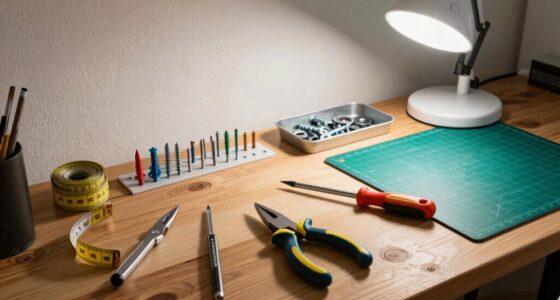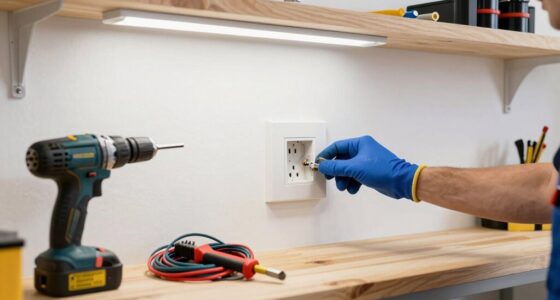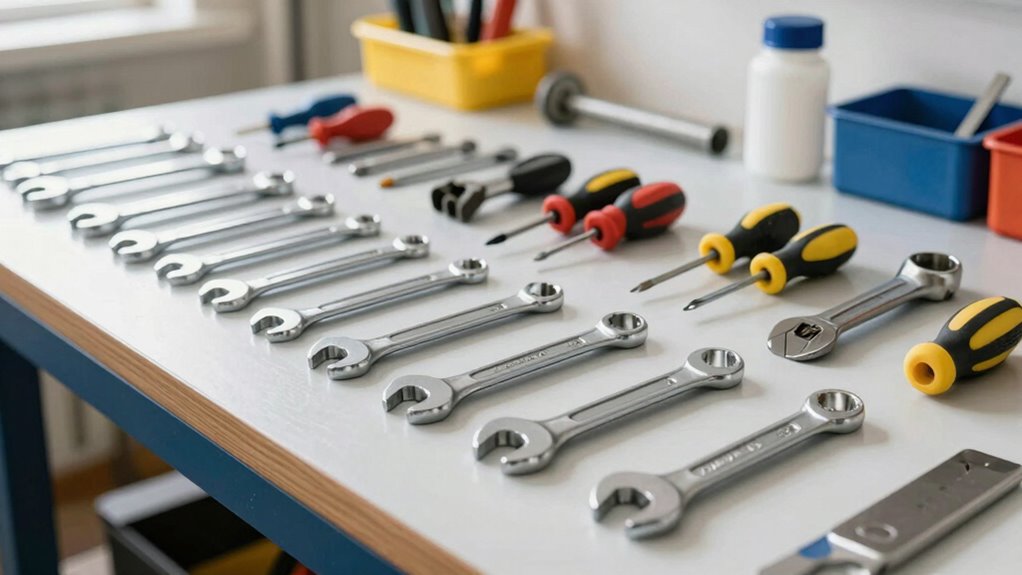
Keeping your shop clean helps prevent dirt, debris, and chemicals from causing damage or corrosion to your tools. Regular cleaning and proper storage stop buildup and early wear, extending their lifespan. When you maintain a tidy workspace, you reduce the risk of accidental damage and catch issues early. This makes your tools last longer and perform better. To discover more ways shop cleanliness boosts your tools, keep exploring these essential practices.

Get business pricing on tools and workshop supplies
- Business-only prices and quantity discounts
- Tax-exempt purchasing
- Multiple users, one account, clear invoices
Key Takeaways
- Keeping the shop clean prevents dirt and debris from contaminating tools, reducing corrosion and wear.
- A tidy workspace minimizes accidental damage and ensures proper storage, extending tool lifespan.
- Regular cleaning and maintenance catch issues early, preventing costly repairs and tool failure.
- Organized storage in a clean environment protects tools from environmental damage like moisture and dust.
- A clean shop promotes safety and efficiency, reducing stress and accidental mishandling that can harm tools.

Maintaining a clean shop isn’t just about appearance—it directly impacts the lifespan of your tools. When your workspace stays tidy, you reduce the risk of dirt, debris, and other contaminants from settling on or inside your tools. Proper cleaning techniques are essential for keeping tools in top condition. You want to wipe down surfaces regularly, remove grease and grime, and store equipment properly to prevent buildup. These practices help prevent material contamination, which is one of the leading causes of tool deterioration. When foreign substances like dirt, metal shavings, or chemicals come into contact with your tools, they can cause corrosion, wear, or even early failure. By staying vigilant with cleaning routines, you minimize these risks. Regularly inspecting your tools for signs of contamination or damage can also help catch issues early and extend their service life.
Keeping your workspace clean extends tool life by preventing dirt and contaminants from causing damage and corrosion.
Using the right cleaning techniques makes a significant difference. For example, abrasive cleaning methods might scratch delicate tool surfaces, leading to corrosion over time. Instead, opt for gentle brushes, soft cloths, and appropriate cleaning solutions tailored to your tools’ materials. For metal tools, a light oil or rust inhibitor can help protect against moisture and prevent rust formation. For cutting tools, removing residual material contamination after each use keeps edges sharp and prevents buildup that can impair performance. Consistent cleaning after each task ensures you remove debris before it causes damage. Remember, neglecting to clean tools properly allows material contamination to accumulate, which accelerates wear and reduces their effective lifespan. Additionally, using proper cleaning tools can make the process more efficient and thorough. Establishing a routine maintenance schedule can further enhance your tool longevity by ensuring consistent care. Regular maintenance also helps you identify potential issues before they develop into costly repairs, saving both time and money.
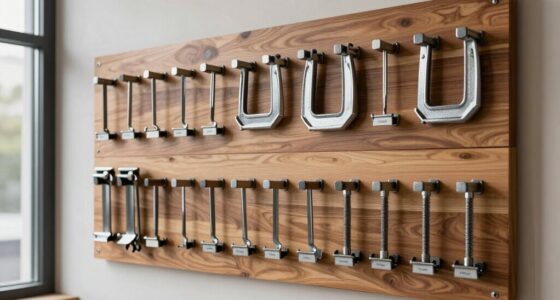
Beyond cleaning, proper storage also plays a role in maintaining tool integrity. Keep tools in dry, organized spaces where they’re less likely to come into contact with dust, moisture, or corrosive substances. Using protective covers or cases can further shield your equipment from environmental factors. When tools are stored properly, you lessen the chance of accidental damage that might occur during handling or transport, preserving their precision and functionality. Ensuring your workspace remains clean and organized is crucial for long-term tool care. A cluttered or damp environment can lead to unintentional damage or accelerated deterioration of tools. Moreover, incorporating regular cleaning routines into your workflow helps develop a disciplined approach to tool management, which benefits both your projects and safety.
Lastly, cultivating a routine that emphasizes cleanliness benefits not just your tools but your overall workflow. When your work area is tidy, you work more efficiently and with greater confidence. You’re less likely to make mistakes or cause damage to your tools because you can easily identify issues before they escalate. Good shop hygiene and diligent cleaning techniques ultimately extend the life of your tools, saving you money and ensuring your projects stay on track. By actively preventing material contamination and maintaining a clean environment, you create a space where your tools can perform at their best for years to come. Developing a consistent cleaning routine can significantly improve your shop’s productivity and safety.
As an affiliate, we earn on qualifying purchases.
Frequently Asked Questions
How Often Should Shop Cleaning Routines Be Performed?
You should perform cleaning routines daily to maintain ideal shop cleanliness, especially if you use tools frequently. Regular cleaning helps prevent dirt and debris buildup, which can damage tools and reduce their lifespan. Incorporate proper storage organization during each cleaning to keep tools accessible and protected. Adjust your cleaning frequency based on usage—more often if your shop is busy, and less if it’s used less frequently—to guarantee tools stay in good condition.
What Types of Cleaning Agents Are Safest for Tools?
You’ll want to choose gentle cleaning agents that are kind to your tools and the environment. Look for those with good chemical compatibility, ensuring they don’t cause corrosion or damage. Eco-friendly options are safest for both your tools and the planet, reducing harmful residues. Always read labels to confirm safety for your specific tools, and avoid harsh chemicals that might compromise their longevity or pose environmental risks.
Does Shop Cleanliness Impact Employee Safety?
Yes, shop cleanliness greatly impacts employee safety. When you maintain good workplace hygiene, you reduce hazards like slips, trips, and falls, which helps prevent accidents. A clean workspace also guarantees tools and equipment are stored properly, minimizing risks of injury. By keeping your shop tidy, you create a safer environment, allowing workers to focus on their tasks without worry, and ultimately fostering a culture of accident prevention.
Are There Specific Cleaning Techniques for Different Tools?
Like a chef selecting the right ingredients, you should use specific cleaning techniques for each tool type. For example, power tools require dust removal and lubrication, while hand tools need thorough wiping and drying. Establish cleaning schedules to keep tools in top shape, preventing corrosion and damage. Proper tool maintenance guarantees longevity and safety, so tailoring your cleaning methods to each tool helps maximize their lifespan and performance efficiently.
How Does Dust Accumulation Affect Tool Performance?
Dust accumulation can severely impact your tools’ performance by causing friction, corrosion, and wear. To prevent this, prioritize dust prevention through regular cleaning and proper storage. Consistent tool maintenance, including cleaning and lubrication, helps keep tools in ideal condition. When dust builds up, it reduces efficiency and shortens tool lifespan. By staying diligent with dust prevention and maintenance, you guarantee your tools operate smoothly and last longer.
As an affiliate, we earn on qualifying purchases.
Conclusion
Keeping your shop spotless isn’t just about appearances; it’s the secret sauce that extends your tools’ lifespan. Imagine your tools as sprinters—dirt and grime are like hurdles, slowing them down and causing wear. When you maintain a clean environment, you’re giving your tools a smooth track to run on, ensuring they perform at their peak longer. A tidy shop isn’t just neat—it’s the lifeline that keeps your tools thriving, ready for the next challenge.
As an affiliate, we earn on qualifying purchases.
As an affiliate, we earn on qualifying purchases.
Fall yard work Picks
leaf blowers
As an affiliate, we earn on qualifying purchases.