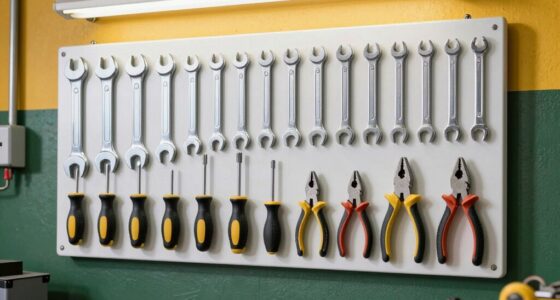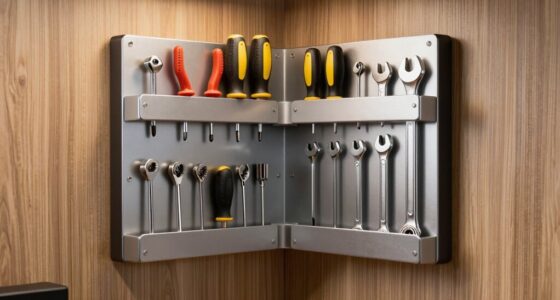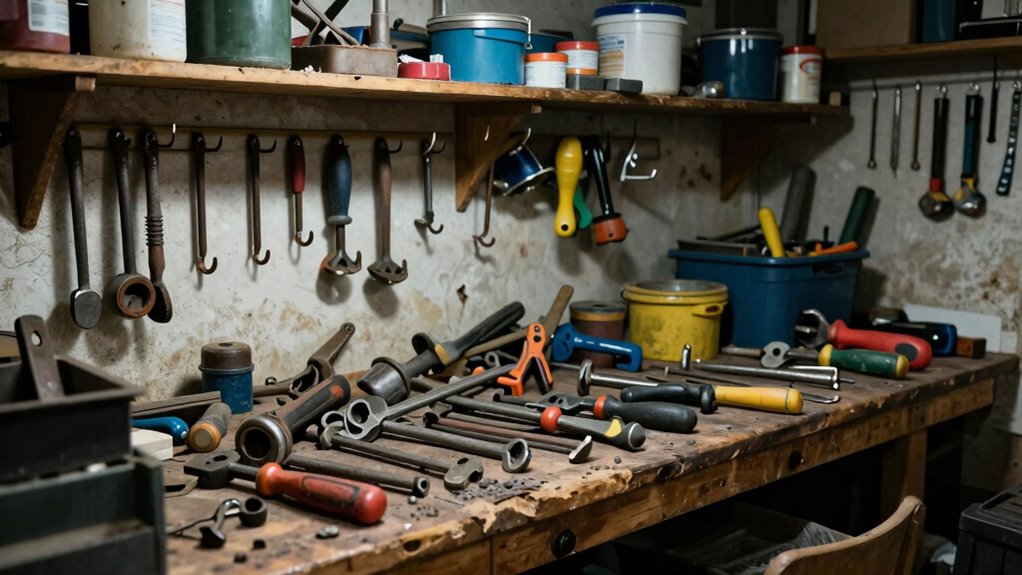

Tool storage often fails in busy workshops because you rely on makeshift options like cluttered workbenches and overloaded toolboxes, making it hard to find what you need quickly. Overcrowding and poor organization lead to safety hazards, increased search time, and workflow disruptions. Without proper planning or maintenance, tools become misplaced or dusty. Continuing to ignore these issues will keep your workspace inefficient and unsafe—there’s much more to discover that can help you improve your storage solutions.

Get business pricing on tools and workshop supplies
- Business-only prices and quantity discounts
- Tax-exempt purchasing
- Multiple users, one account, clear invoices
Key Takeaways
- Overreliance on makeshift storage options like cluttered workbenches and overloaded toolboxes.
- Lack of proper planning and understanding of effective storage systems.
- Overcrowding storage spaces, making tools difficult to access or organize.
- Neglecting regular review and reorganization of storage setups.
- Absence of categorization, labeling, and disciplined storage routines.
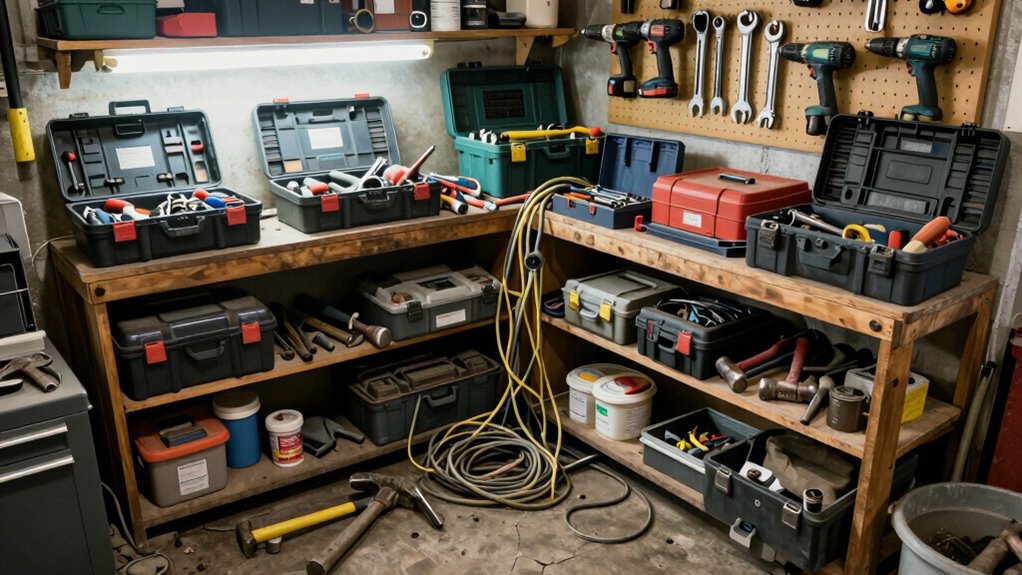
In busy workshops, tool storage failures are more common than you might think, often leading to wasted time and safety hazards. When your workspace isn’t organized properly, finding the right tool becomes a frustrating scavenger hunt that eats into your productivity. Poor tool organization can cause tools to get misplaced or mixed up, making it harder to locate what you need quickly. This chaos not only slows down your work but also increases the risk of accidents. When tools are scattered or poorly stored, you might step on a sharp object, or a heavy tool could fall and cause injury. Effective storage solutions are vital to keep your workspace safe and efficient, but many workshops fall short because they don’t invest in or implement the right systems.
Many workshops rely on makeshift storage options like cluttered workbenches or overloaded toolboxes, which quickly become ineffective. These solutions may seem convenient initially but often lead to disorganization over time. When tools aren’t stored properly, you spend more time searching for missing items, which hampers workflow and adds frustration. The failure to adopt suitable storage solutions stems from a lack of planning or understanding of what works best for your specific needs. For example, open shelves might look accessible but can become cluttered and dusty, while dedicated drawers or cabinets can keep tools protected and easy to find. Proper tool organization involves categorizing tools, labeling storage areas, and maintaining discipline in putting things back in their designated spots. Neglecting these practices results in a cluttered environment that hampers productivity and creates safety issues. Understanding the importance of biodiversity can inspire workshops to diversify their organizational methods and adopt eco-friendly storage materials. Incorporating sustainable storage options not only benefits the environment but can also improve the longevity of your tools. Additionally, using ergonomic storage solutions can help reduce strain and improve efficiency during daily tasks. A well-thought-out storage plan can also help prevent clutter buildup and make it easier to identify when a tool needs maintenance or replacement.
Another common mistake is overcrowding storage spaces, which makes it difficult to access tools without knocking others over or causing further disarray. Without clear storage solutions, tools tend to pile up haphazardly, making it almost impossible to keep everything in order. Investing in modular storage units, pegboards, or specialized tool cabinets can make a huge difference, but only if you commit to maintaining them. Regularly reviewing and reorganizing your storage setup ensures tools stay accessible and your workshop remains safe. Additionally, understanding the importance of caffeine science can help keep workshop workers alert and focused during long, busy days. Ultimately, the failure of tool storage in busy workshops comes down to neglecting proper organization and ignoring the importance of tailored storage solutions. When you prioritize effective tool organization, you streamline your workflow, reduce hazards, and create a workspace where everything has its place. That’s what keeps your workshop running smoothly, even during the busiest days.
As an affiliate, we earn on qualifying purchases.
Frequently Asked Questions
How Often Should Tool Storage Be Reorganized for Optimal Efficiency?
You should reorganize your tool storage every three to six months to maintain peak efficiency. Regular tool organization helps prevent clutter and delays, while consistent storage maintenance ensures tools are easy to find and safely stored. By setting a schedule for reorganization, you keep your workspace efficient, minimize downtime, and extend the lifespan of your tools. Staying proactive with storage maintenance ultimately boosts productivity and keeps your workshop running smoothly.
What Are the Best Materials for Durable Workshop Tool Storage?
Like the legendary strength of Hercules, your workshop needs durable materials that withstand daily wear. Opt for heavy-duty steel or high-impact plastic for tool storage, as they offer superior material durability. Consider storage customization options, like adjustable shelves or modular units, to maximize space and efficiency. These choices guarantee your tools stay protected, organized, and accessible amid the hustle, preventing costly damage and downtime.
How Can I Prevent Theft of Tools in a Busy Workshop?
To prevent theft of tools in your busy workshop, focus on strong tool security measures. Use lockable storage cabinets and secure storage containers, and guarantee they’re always locked when not in use. Implement theft prevention strategies like surveillance cameras, security alarms, and access control. You should also limit tool access to trusted personnel, keep an updated inventory, and regularly monitor your tools. These steps help deter theft and protect your valuable equipment.
Are There Digital Tools to Track Tool Inventory?
Think of digital tools as your workshop’s secret spy network. With digital inventory and tool tracking software, you can keep a real-time eye on every hammer and wrench. These tools act like a digital ledger, alerting you to missing items or unusual activity. By harnessing this technology, you turn chaos into order, ensuring your tools stay where they belong, and your workshop runs smoothly without losing valuable equipment.
What Is the Average Lifespan of Workshop Tool Storage Units?
The average lifespan of workshop tool storage units is typically 5 to 10 years, depending on usage and maintenance. You should watch for tool corrosion, which can weaken the units, and guarantee storage accessibility remains easy for daily use. Regular inspections, proper cleaning, and choosing durable materials help extend their lifespan. Investing in high-quality, corrosion-resistant units and maintaining them well ensures your tools stay protected and accessible longer.
As an affiliate, we earn on qualifying purchases.
Conclusion
When your tools scatter like lost stars, your workshop’s heartbeat slows. A cluttered space whispers chaos, drowning out productivity’s song. To keep the rhythm steady, you must tame the storm, organize with purpose, and restore order. Like a well-tuned engine, a tidy workshop runs smoother, fueling your craft. Remember, a clear space isn’t just tidy—it’s the foundation where your skills ignite and your passion thrives, shining bright amid the chaos.
As an affiliate, we earn on qualifying purchases.
As an affiliate, we earn on qualifying purchases.
Halloween Picks
halloween
As an affiliate, we earn on qualifying purchases.