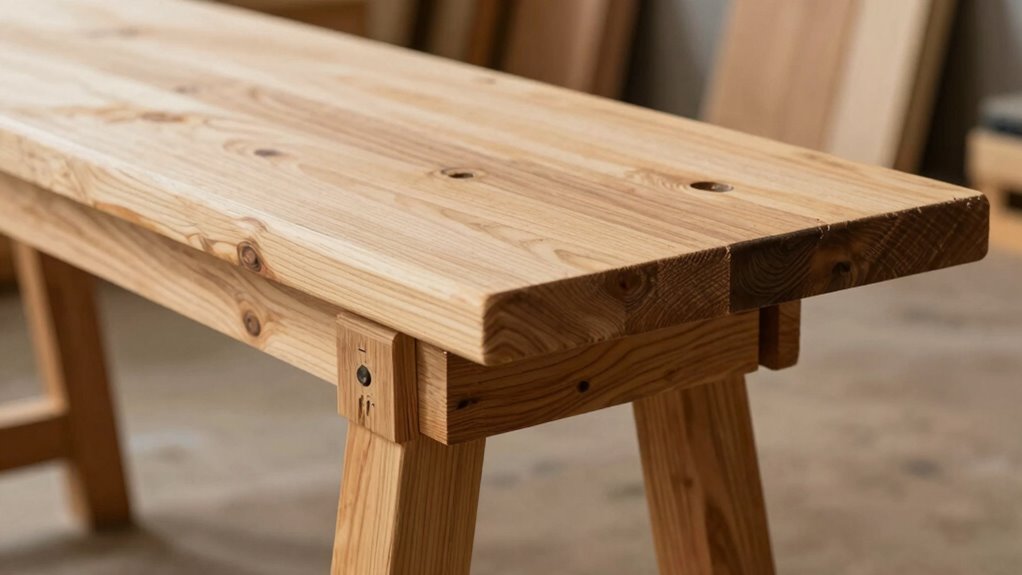

A heavy, rigid workbench is essential because it stays stable under load, reducing unwanted movement that can affect your work accuracy. It absorbs vibrations from cutting or hammering, preventing errors and ensuring a smoother finish. Durability means your bench will remain reliable over time, handling repeated use without warping. Good rigidity distributes weight evenly, so you can work confidently on delicate or heavy tasks. Keep exploring to understand how these features can improve your work quality even more.

Get business pricing on tools and workshop supplies
- Business-only prices and quantity discounts
- Tax-exempt purchasing
- Multiple users, one account, clear invoices
Key Takeaways
- Increased mass enhances stability, reducing unwanted movement during heavy or precise work.
- Rigidity prevents flexing, maintaining accuracy and tool safety under load.
- High mass and rigidity absorb vibrations, improving work quality and surface finish.
- Durable, rigid workbenches resist deformation, ensuring long-term precision and reliability.
- Proper load resistance distributes forces evenly, preventing structural fatigue and damage.

When working on a bench, your tools and materials rely heavily on the workbench’s mass and rigidity to stay stable under load. The stability of your workspace directly impacts the quality of your work, especially when precision matters. A heavy, rigid workbench minimizes unwanted movement, which is essential for tasks that demand accuracy. If your bench is too light or flexible, vibrations from cutting, hammering, or drilling will transfer to the surface, causing disturbances that can lead to errors or even accidents. Vibration damping becomes crucial here; a sturdy workbench absorbs and reduces these vibrations, preventing them from affecting your work. This damping effect ensures smoother, cleaner cuts and reduces fatigue, as you won’t constantly have to compensate for wobbling or shifting. Additionally, material durability plays a vital role in maintaining that stability over time. A durable workbench withstands repeated loads, impacts, and wear without warping or degrading. When the materials used are tough and resilient, your work surface remains flat and stable through countless projects. This durability translates into long-term reliability, saving you money and effort on repairs or replacements. The combination of high mass and durable materials creates a solid foundation that resists bending or shifting under pressure. This structural integrity not only benefits the immediate stability but also ensures consistent performance over many years. Proper structural design enhances overall stability by distributing loads evenly across the workbench. This, in turn, helps to prevent structural fatigue, which can compromise the workbench’s stability over time. The durability and stability of the workbench contribute to a safer and more efficient workspace. You’ll notice that a well-built workbench with significant mass doesn’t just stay stable during use; it also maintains its shape and structural integrity over years of use. This consistency allows you to focus on your work rather than fighting against a wobbly surface. Moreover, the rigidity of the workbench prevents flexing under heavy loads, which could otherwise lead to inaccuracies or damage to delicate components. When the workbench resists deformation, you can apply force without fear of compromising your workpiece or the tools themselves. In essence, the importance of mass and rigidity in a workbench is about creating a reliable platform that supports your craftsmanship. Combining effective vibration damping with material durability ensures that your work remains precise, safe, and efficient. Whether you’re performing delicate assembly or heavy-duty tasks, a stable, sturdy workbench provides the foundation you need to succeed. It’s an investment that pays off in the quality of your work and the longevity of your workspace.
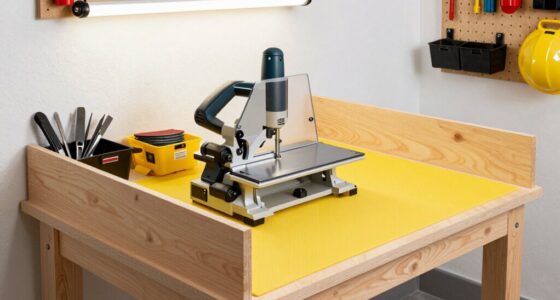
heavy duty workbench with high rigidity
As an affiliate, we earn on qualifying purchases.
As an affiliate, we earn on qualifying purchases.
Frequently Asked Questions
How Does Workbench Material Affect Load Capacity?
Your workbench material directly influences its load capacity by affecting stability and durability. A sturdy material like steel offers superior workbench stability and resists deformation under heavy loads, while weaker materials may bend or wobble, compromising safety and precision. Material durability ensures your workbench can handle frequent use and weight without deterioration. Selecting the right material enhances load capacity, keeps your workspace safe, and maintains long-term performance.
Can a Lighter Workbench Be as Rigid as a Heavier One?
Sure, a lighter workbench can seem as rigid as a heavier one, but don’t be fooled—workbench stability hinges on material durability and design. Lighter models often sacrifice rigidity, risking wobble and less precise work. If you want reliable performance under load, prioritize sturdy materials and smart engineering over mere weight. Remember, a flimsy frame won’t hold up, no matter how lightweight it is.
What Role Does Workbench Design Play in Rigidity?
Your workbench design plays a vital role in rigidity by enhancing stability and supporting effective design ergonomics. Well-designed benches incorporate features like sturdy frames, proper weight distribution, and reinforced joints to resist wobbling under load. Good design also considers user comfort, making tasks easier and safer. By focusing on stability and ergonomic placement, you guarantee your workbench remains rigid, even if it’s lightweight, improving overall work quality and safety.
How Does Workbench Flexibility Impact Precision Work?
If your workbench is too flexible, it can compromise your precision work. You’ll notice reduced work surface stability, making it harder to keep materials steady. Additionally, increased flexibility means less effective vibration damping, leading to more movement and potential errors. To maintain accuracy, choose a workbench with solid rigidity, which minimizes vibrations and offers a stable surface, ensuring your projects stay precise and consistent.
Are There Specific Tests to Measure Workbench Rigidity?
Yes, you can measure workbench rigidity through specific tests that follow established testing standards, such as static load testing and deflection measurements. These tests assess material properties like stiffness and strength by applying controlled forces and observing how much the workbench bends or deforms. Using standardized methods guarantees accurate, comparable results, helping you determine if your workbench provides the necessary stability for precise work under load.
As an affiliate, we earn on qualifying purchases.
Conclusion
When your workbench bears the weight of your projects, think of it as a sturdy ship sailing through rough seas. A heavy, rigid foundation keeps everything steady, preventing unwanted rocks and waves from tossing your work into chaos. With the right mass and strength, your workspace becomes a fortress of stability, allowing you to focus on your craft without worry. Remember, a solid workbench is the anchor that keeps your creativity afloat.
As an affiliate, we earn on qualifying purchases.
As an affiliate, we earn on qualifying purchases.
Fall Picks
fall essentials
As an affiliate, we earn on qualifying purchases.