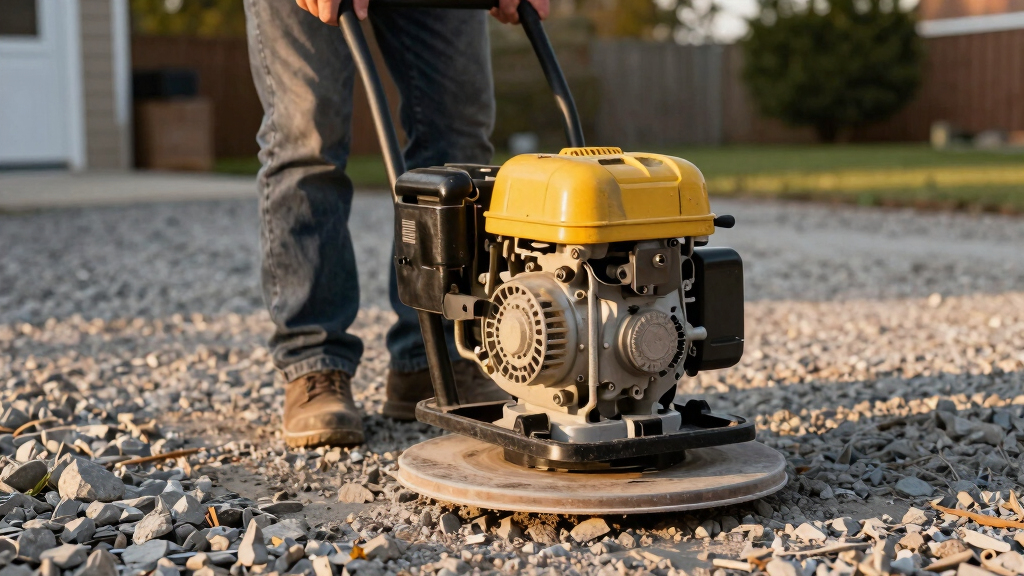
When searching for the best plate compactor, buyers often face tough choices between power, size, and price. The 7HP Plate Compactor with 212cc Gas Engine stands out as the best overall for its combination of force and durability, while the VEVOR 6.5HP Plate Compactor offers excellent value for lighter workloads. For those new to compaction, the Evolution Hulk Electric Plate Compactor provides ease of use and safety. The main tradeoffs involve balancing raw power against portability, with higher-powered models typically being heavier and more expensive. Continue reading for a full breakdown of these top picks and what to consider for your project.

Get business pricing on tools and workshop supplies
- Business-only prices and quantity discounts
- Tax-exempt purchasing
- Multiple users, one account, clear invoices
Key Takeaways
- Powerful models like the 7HP Plate Compactor deliver the most force but tend to be heavier and costlier.
- Electric options such as the Evolution Hulk are best suited for light-duty projects and ease of use.
- Vibratory speed (VPM) and force are key indicators of a compactor’s effectiveness on different surfaces.
- Size and weight influence maneuverability; compact models excel in tight spaces but may lack raw power.
- Price often correlates with power and build quality, but the best value models balance cost and performance effectively.


More Details on Our Top Picks
7HP Plate Compactor with 212cc Gas Engine, 5600 VPM, 4200 lbs Force, 22.1 x 15.9 Inch Plate
This model stands out for its robust 7HP gas engine and high vibration output, making it highly effective for a wide range of projects including soil, asphalt, and paving. Compared with the VEVOR 6.5HP model, it offers more power and a larger plate, which translates into faster, more efficient work on bigger surfaces. However, this increased capability comes with a heavier weight of over 139 pounds, which can challenge maneuverability. Its large plate size covers more ground per pass, reducing labor time, though operators should take proper safety precautions due to its power. The reliable performance and positive customer reviews make it a top choice for professionals or serious DIYers tackling substantial projects. The main tradeoff involves handling the weight, which may require additional effort or equipment for transport.
Pros:- Powerful 7HP engine for high-efficiency compaction
- Large plate covers more ground, saving time
- Versatile for soil, asphalt, and paving projects
- Reliable performance with positive feedback
Cons:- Heavy weight may require additional effort to move
- Requires safety precautions during operation
- Limited detailed user feedback available
Best for: Professional contractors or landscapers needing a powerful, versatile machine for large-scale projects.
Not ideal for: Homeowners with small gardens or DIYers working on minor repairs, due to its weight and size.
- Engine Power:212cc
- Vibrations Per Minute:5600 VPM
- Force:4200 lbs
- Plate Size:22.1 x 15.9 inches
- Weight:139.3 pounds
- Dimensions:29 x 17 x 24 inches
Bottom line: Best suited for those needing a reliable, high-power compactor for demanding construction or landscaping jobs.
VEVOR 6.5HP Plate Compactor with 196CC Gas Engine, 2360 lbs Vibratory Tamper, 22.1×15.9 in Plate for Pavement and Landscaping
The VEVOR 6.5HP model offers a strong balance of power and maneuverability, with a sizable stamped plate that efficiently handles paving and landscaping projects. Its 196cc engine and vibration frequency of 5600 VPM ensure effective compaction, comparable to the 7HP option but with slightly less overall force at 2360 lbs, making it suitable for mid-sized jobs. Its adjustable throttle and wider wheels provide a user-friendly experience, especially on uneven surfaces. However, its weight of over 146 pounds can make transportation challenging, and it is limited to gas operation without electric start, which might inconvenience some users. Compared to lighter models like VEVOR’s 2.8HP, this machine offers more durability and power but at the expense of increased effort in handling.
Pros:- Powerful 6.5 HP engine for tough tamping
- Large, durable stamped plate for efficiency
- Adjustable throttle and durable wheels for ease of use
- Good balance of power and portability
Cons:- Heavy weight may complicate transport
- No electric start option
- Vibrations may produce noise during use
Best for: Landscapers and contractors needing a durable, mid-range compactor with good maneuverability.
Not ideal for: Home users with small or infrequent projects, as its weight and size may be unnecessary for light tasks.
- Engine Power:6.5 HP
- Engine Displacement:196 cc
- Vibrations per Minute:5600 VPM
- Plate Size:22.1 x 15.9 inches
- Compaction Depth:12 inches
- Weight:146.6 lbs
Bottom line: Ideal for professionals requiring a sturdy, reliable compactor that balances power with manageable size.
SuperHandy Plate Compactor with 7HP Gas Engine – 4200 lbs Force, 20 x 15 in. Steel Plate, 12 in. Depth Tamper for Soil, Gravel, Asphalt, Landscaping, Sidewalks, Patios
The SuperHandy 7HP compact offers a potent combination of power and maneuverability, with a smaller 20×15 inch steel plate and vibration force of 4200 lbs, making it ideal for tighter spaces and detailed landscaping work. Its vibration isolation system reduces operator fatigue, which is a significant advantage over bulkier units like the 7HP model with larger plates. While it delivers slightly less force than the larger models, its compact design and weight distribution make it easier to navigate around obstacles. Its lighter footprint is a plus for those working in confined areas, but its slightly lower force may limit its effectiveness on larger, tougher projects.
Pros:- Powerful 7HP engine for effective compaction
- Vibration isolation reduces operator fatigue
- Compact design for tight spaces
- Heavy-duty steel plate for durability
Cons:- Weight not specified—may be heavy
- Limited information on warranty or long-term durability
Best for: Landscapers and DIYers working in tight spaces or small-scale projects requiring precision.
Not ideal for: Heavy-duty construction projects or large paving jobs, as its force may be insufficient for demanding applications.
- Engine Power:7HP 4-stroke OHV
- Force:4200 lbs
- Steel Plate Dimensions:20 x 15 inches
- Maximum Depth:12 inches
- Weight:Not specified
- Frame Material:Powder-coated steel
Bottom line: Best suited for detailed, small-scale projects where maneuverability and operator comfort are priorities.
VEVOR Plate Compactor, 2.8 HP Gas Engine, 78.5CC, 5250 VPM, 1920 lbs Force, 18.7 x 11.8 inch Plate
This VEVOR model offers a surprisingly powerful engine in a lightweight package, with just 102 pounds of weight and a compact 18.7×11.8 inch plate, making it highly portable for smaller jobs and quick handling. Its 5250 VPM vibration frequency and 1920 lbs of force enable effective soil and surface compaction, comparable to larger units like the 7HP models on smaller areas. Its adjustable throttle provides control for different surface types, and wear-resistant casters facilitate easy movement across various terrains. However, at only 102 pounds, some users may find it still somewhat heavy for extended transport, and its limited force could be a drawback for very tough or large-scale projects. Noise levels may also be higher during operation, especially in quiet environments.
Pros:- Lightweight and portable at 102 pounds
- Powerful engine with high vibration frequency
- Adjustable throttle for precise control
- Compact size for easy storage
Cons:- Relatively heavy for some users
- Limited force for very tough projects
- No electric start or advanced features
Best for: Homeowners or DIY enthusiasts needing a portable, easy-to-transport compactor for small to medium tasks.
Not ideal for: Heavy-duty commercial use or large paving projects where maximum force and durability are required.
- Engine Power:2.8 HP
- Engine Displacement:78.5 CC
- Vibrations Per Minute:5250 VPM
- Force:1920 lbs
- Plate Size:18.7 x 11.8 inches
- Weight:102 pounds
Bottom line: Ideal for small-scale projects and users prioritizing portability without sacrificing significant power.
7HP Plate Compactor with 212CC Gas Engine, 4200lbs Power, 22.1×15.9 in. Plate for Pavement and Soil
This 7HP compactor combines a solid 212cc engine with a force of 4200 lbs and a vibration frequency of 5600 VPM, making it suitable for demanding construction applications. Its compact design, including shock absorption and foldable transport wheels, enhances mobility and ease of use on larger sites. While it shares similar power specs with the first model, its slightly lower force may translate into longer project times on very tough surfaces compared to the highest-force units like the first product. Its weight of around 139 pounds requires consideration for transportation, but its mobility features mitigate this issue somewhat. It’s a practical choice for contractors needing reliable, powerful equipment for various surface types, though it demands careful handling due to its weight.
Pros:- Powerful 7HP engine for demanding tasks
- Shock absorption and foldable wheels for mobility
- Effective for a range of materials including asphalt and soil
- Reliable for heavy-duty use
Cons:- Relatively heavy at 139 pounds
- Requires proper maintenance and safety precautions
Best for: Construction crews and municipal workers requiring durable, high-performance compaction for large projects.
Not ideal for: Home users or small-scale landscapers with limited space or less demanding needs.
- Engine Power:7HP
- Engine Displacement:212cc
- Force:4200 lbs
- Vibration Frequency:5600 VPM
- Plate Dimensions:22.1 x 15.9 inches
- Weight:139.3 pounds
Bottom line: Best suited for professionals managing large-scale construction projects needing dependable power and mobility.
Stark USA 7.0HP 5000VPM Gas Vibration Plate Compactor 20 x 14 inch
This model stands out for its robust 7.0HP engine and high impact force of 2,360 lbs, making it ideal for large-scale construction and deep compaction projects. Compared with the BILT HARD 6.5HP model, this unit offers more raw power, though it comes at the cost of increased weight and less ease of transport. Its durable steel and aluminum construction ensure longevity under tough conditions, but the heavy weight of 141.7 pounds can challenge manual maneuvering. The absence of electric start means needing to handle the pull cord repeatedly, which may inconvenience some users. This pick makes the most sense for professional crews or contractors needing maximum power for extensive groundwork—less suited for DIY or small-scale projects where portability matters more.
Pros:- Powerful 7.0HP engine delivers exceptional impact force
- High vibrations per minute for efficient deep compaction
- Durable construction withstands tough jobsite conditions
Cons:- Heavy weight may make manual transportation difficult
- Lacks electric start, requiring pull-start operation
- Some durability concerns reported over long-term use
Best for: Heavy-duty construction crews and contractors handling large, demanding sites
Not ideal for: DIY homeowners or small landscapers who prioritize ease of transport and lighter weight
- Engine Power:7.0 HP
- Engine Type:Forced Air-Cooled, 4-Stroke Gasoline
- Displacement:212cc
- Impact Force:2,360 lbs
- Vibrations per Minute:5000 VPM
- Effective Base Area:20 x 14 inches
- Weight:141.7 pounds
- Dimensions:20 x 15 x 47 inches
Bottom line: Best suited for professionals needing maximum power and durability, but less ideal for casual or DIY users due to its weight and manual operation requirements.
6.5HP Gas Plate Compactor 20″x15″ Soil & Asphalt Compactor with 2,500 lbs Force
This model makes the most sense for users needing a balance of power and portability, with a 6.5HP engine providing 2,500 lbs of force and a high 5,400 VPM. Compared to the Stark 7.0HP, it offers slightly less engine power but is easier to handle at 137 pounds, making it suitable for smaller crews or DIYers. Its folding handles and transport wheels simplify moving around the site, and its capacity to handle soil, gravel, and asphalt broadens its application scope. However, the limited 10-inch maximum depth and the need for fueling and oil management can be drawbacks for those seeking plug-and-play convenience. This makes it ideal for users who want reliable, multipurpose performance without the bulk of heavier, more powerful units.
Pros:- Good balance of power and portability
- Folding handles and wheels for easy transport
- Versatile for multiple surfaces like soil, gravel, and asphalt
Cons:- Limited to 10-inch depth for effective compaction
- Requires fuel and oil, no electric start
- Still relatively heavy at 137 lbs to move manually
Best for: Homeowners and small contractors working on paving, walkways, or yard prep
Not ideal for: Large-scale commercial projects requiring deep, heavy-duty compaction or extended operation without refueling
- Engine Power:6.5HP / 4.8KW
- Engine Displacement:196cc
- Vibrations Per Minute:5400 VPM
- Compaction Force:2500 lbs
- Effective Base Area:20″ x 15″
- Compaction Depth:10″
- Operation Mass:137 lbs
Bottom line: A practical choice for residential projects and small-scale commercial work that benefits from a portable, reliable machine.
6.5HP Plate Compactor Machine, 196cc Gas Powered Dirt Compactor 5400VPM, 20″ x 15″ Plate Tamper Ground Soil
This unit is designed to meet the needs of professionals demanding deep and efficient compaction, with a 6.5HP engine and a high vibration rate of 5,400 VPM. It shares similar specs with the previously mentioned 6.5HP models but distinguishes itself with a shock absorption system that enhances operator comfort during long hours of work. Compared with the Stark model, its focus on ergonomic operation makes it more suitable for extended projects. The pre-assembled design reduces setup time, and its 20 x 15-inch plate provides broad coverage. The main tradeoff is its weight, approximately 137 pounds, which still requires some effort to maneuver. This makes it ideal for landscaping and paving professionals needing a reliable, comfortable machine for frequent use, though less ideal for casual users or those with limited strength or mobility.
Pros:- High vibration rate for deep, effective compaction
- Shock absorption system improves operator comfort
- Pre-assembled, ready to use out of the box
Cons:- Heavy at around 137 lbs, requiring effort to move
- No electric start, manual pull needed
- Limited warranty period of 90 days
Best for: Professional landscapers and paving contractors requiring comfort for extended use
Not ideal for: DIY enthusiasts or small-scale homeowners who prioritize lightweight or easy handling
- Engine:196cc, 6.5HP
- Vibration Rate:5400 VPM
- Compaction Force:2500 lbs
- Plate Size:20 x 15 inches
- Max Travel Speed:75 ft/min
- Weight:137 lbs
Bottom line: This model is best for professionals seeking a durable, comfortable machine for continuous, demanding projects.
VEVOR Electric Plate Compactor, 130W, 5 kN Force, 3.9 in Depth, 16 m/min Speed
This electric model offers a different approach, ideal for small-scale landscaping and DIY projects. Its 130W motor delivers 5 kN of force, sufficient for compacting soil and sand up to 3.9 inches deep, making it suitable for patios, driveways, or garden beds. Compared with gas models like the BILT HARD or Stark, it excels in quiet operation and ease of use, with no need for fuel or oil. Its lightweight frame of about 62 pounds enhances maneuverability, especially in tight spaces. However, reliance on an electrical outlet limits mobility, and its lower power makes it unsuitable for heavy-duty or large-scale industrial tasks. This pick is best for hobbyists and homeowners working on small projects where convenience outweighs raw power.
Pros:- Lightweight and easy to maneuver
- Quiet, emission-free operation
- High efficiency over small areas
Cons:- Limited to soil and small aggregates, not suitable for asphalt or deep compaction
- Requires access to an electrical outlet, reducing portability
- Weight may still challenge prolonged manual handling
Best for: DIY homeowners and small landscapers working in limited spaces and with access to power outlets
Not ideal for: Large commercial projects or heavy-duty paving work that require deep and high-impact compaction
- Power:130W
- Force:5 kN
- Depth:3.9 inches
- Speed:16 m/min
- Efficiency:3304 sq.ft/h
- Weight:61.7 pounds
Bottom line: A practical, quiet choice for small residential projects and DIYers who prefer electric operation over gas power.
BILT HARD Plate Compactor Rammer, 6.5HP 196cc Gas Engine, 5500 VPM, 2500 lbs Force, 21 x 14.5 inch Plate
This unit excels for users who need a compact yet powerful machine, with a 6.5HP engine and an impressive 5,500 VPM vibration rate. Its 21 x 14.5-inch plate offers a slightly larger surface than comparable models, enhancing coverage per pass. The self-propelled feature simplifies operation, reducing operator fatigue during extended use—an advantage over models like the Stark, which require manual pushing. Its shock absorption system increases comfort, making it suitable for paving and landscaping projects with longer hours. The main tradeoff is its weight of about 126 pounds, which, while manageable, still requires some effort to handle. This model is best for professional landscapers and paving crews who want a portable, high-performance machine with reduced operator fatigue, but it may not be ideal for casual DIY users due to its cost and complexity.
Pros:- Self-propelled operation reduces fatigue
- High vibration rate for effective compaction
- Larger plate size improves coverage per pass
Cons:- Engine oil not included, additional purchase needed
- Still relatively heavy, requiring some effort to maneuver
- Limited warranty period of 90 days
Best for: Landscaping and paving professionals needing a compact, self-propelled machine for frequent use
Not ideal for: Homeowners or occasional users who prefer simple, non-propelled units for small tasks
- Engine:196cc, 6.5HP
- Vibration Rate:5500 VPM
- Compaction Force:2500 lbs
- Plate Size:21 x 14.5 inches
- Max Travel Speed:82 ft/min
- Weight:126 lbs
Bottom line: Best suited for professionals seeking a portable, powerful machine that minimizes operator effort during long jobs.
Evolution Hulk Electric Plate Compactor
The Evolution Hulk Electric Plate Compactor stands out for its quiet, emission-free operation, making it an excellent choice for projects in enclosed spaces or environments where noise is a concern. Compared with gas-powered options like the Tomahawk 5.5 HP Honda, this model offers significantly lower noise levels and easier handling, though it sacrifices raw power and extended runtime. Its lightweight design and foldable handle make storage and transport straightforward, but it’s limited to small to medium-sized projects due to its 120V electric motor. This pick makes the most sense for landscaping professionals or DIYers working in confined areas who prioritize convenience and safety over brute force.
Pros:- Quiet and emission-free operation suitable for indoor use
- Lightweight and portable with foldable handle for easy storage
- Durable base plate for various surface preparations
- Safety features like roll-bars enhance handling
Cons:- Limited to small and medium projects due to lower power
- Requires access to electrical outlets, restricting mobility
- May underperform on tougher surfaces compared to gas-powered models
Best for: Homeowners or landscapers needing a quiet, portable compactor for small to medium projects in enclosed or noise-sensitive environments
Not ideal for: Large commercial job sites or heavy-duty paving, where more power and longer runtime are necessary
- Power:120V~60Hz 1.25A
- Travel Speed:5 m/min
- Warranty:3 years
- Base Plate:Thick, durable
- Weight:Approx. 50 pounds (estimated)
- Dimensions:Standard compact size for easy maneuverability
Bottom line: This is best for users who need a quiet, easy-to-handle compactor for smaller projects or indoor work where noise and emissions matter.
Tomahawk 5.5 HP Honda Vibratory Plate Compactor Tamper
The Tomahawk 5.5 HP Honda Vibratory Plate Compactor makes a compelling choice for demanding projects, thanks to its robust Honda GX160 engine capable of compacting over 3,000 lbs per square foot. Compared with electric options like the Hulk, this machine delivers far greater power, making quick work of dense soil, asphalt, and gravel. Its 17 x 21-inch plate offers excellent maneuverability in tight spaces, which is a key advantage over larger, bulkier units. The tradeoff is its weight—around 220 pounds—which can make transportation and operation more challenging without assistance. This model is ideal for professional contractors or serious DIYers who need reliable, high-capacity compaction in varied terrains.
Pros:- Powerful 5.5 HP Honda engine for fast, effective compaction
- Compact plate size ideal for tight spaces
- Heavy-duty reinforced steel exciter box enhances durability
- 3-year engine warranty offers peace of mind
Cons:- Heavy weight may require assistance to move and operate
- Limited info on vibration reduction may affect user comfort
- Less suitable for lightweight or indoor projects
Best for: Professional landscapers, paving contractors, or experienced DIYers tackling large or tough surface projects
Not ideal for: Homeowners with small, occasional projects or those needing a lightweight, portable solution
- Engine:Honda GX160 5.5 HP
- Plate Dimensions:17 x 21 inches
- Weight:220 pounds
- Travel Speed:79 ft/min
- Compaction Capacity:Over 3,000 lbs per sq ft
- Warranty:3-year engine, 1-year product
Bottom line: This is a top choice for professionals or serious DIYers demanding high power and durability for large-scale or tough surface work.
How We Picked
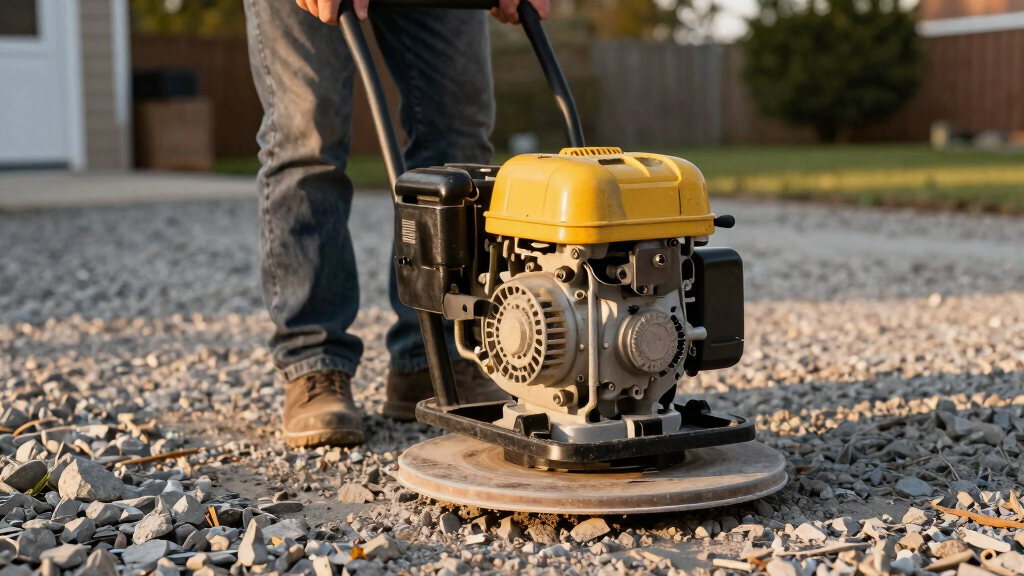
Our evaluation focused on performance metrics such as vibration force, engine power, and plate size, which directly impact a compactor’s effectiveness on various surfaces. We also considered build quality and durability, ensuring each model can withstand frequent use. Usability factors like weight, ease of operation, and maintenance were essential, especially for DIYers and professionals alike. To rank these options, we balanced price against features, emphasizing value for different project sizes and skill levels. The top picks represent a mix of power, affordability, and user-friendliness, ensuring there’s a recommended option for every type of buyer.
Factors to Consider When Choosing Best Plate Compactor
Choosing the best plate compactor depends on understanding your specific needs, project scope, and the environment you’ll be working in. By weighing several key factors, you can select a model that delivers reliable performance without overspending. Here are the main considerations to keep in mind:Power and Force Output
The engine’s horsepower and the vibratory force, measured in pounds-force or VPM, determine how effectively a compactor can handle different materials. Heavier-duty projects like asphalt and dense soil demand higher force and power, while lighter landscaping jobs may suffice with lower force models. Overestimating power can lead to unnecessary weight and cost, so match the specs with your typical workload for best results.
Size, Weight, and Maneuverability
The size and weight of a plate compactor influence how easily it can be transported and used in confined spaces. Larger models with bigger plates cover more area quickly but are harder to maneuver in tight corners or on uneven terrain. Conversely, compact models offer better control but may require more passes to finish the job. Evaluate your workspace and transport options when choosing between portability and coverage.
Surface Compatibility
Different models excel on specific surfaces like soil, gravel, or asphalt. Some compactors are designed for asphalt paving, while others are optimized for soil compaction. Confirm that the machine’s force and plate design suit your primary work surface to avoid underperformance or damage. Using a model not suited for your material often results in inefficient work and potential equipment wear.
Price and Value
Price varies widely across models, often reflecting power, build quality, and features. Investing in a higher-priced, more powerful model makes sense for frequent, large-scale projects, while occasional DIYers might prefer more budget-friendly options. Look beyond initial cost to consider long-term durability and maintenance costs, ensuring your purchase offers good value over time.
Ease of Use and Maintenance
Features like simple starting mechanisms, clear controls, and accessible maintenance points can significantly improve your experience. Electric models tend to be easier for beginners due to lower noise and vibration, but may lack the power needed for heavy-duty tasks. Regular maintenance, such as checking oil levels and cleaning air filters, extends the lifespan of your machine and keeps it performing reliably.
Frequently Asked Questions
What size plate should I choose for my project?
The ideal plate size depends on your project’s scale and the material you’re working with. Larger plates, typically 20 inches or more, cover ground faster and are suitable for big areas, such as driveways or parking lots. Smaller plates, around 16 inches, are more maneuverable and better suited for smaller patches, edges, or tight spots. Selecting the right size helps optimize efficiency and reduces fatigue during operation.
Are electric plate compactors powerful enough for heavy-duty jobs?
Electric compactors generally offer less force compared to gas-powered models, making them ideal for light to medium tasks like small landscaping projects or patio prep. They are easier to start, quieter, and require less maintenance, but their lower force limits their effectiveness on dense materials like asphalt or compacted soil. For large, demanding jobs, a gas-powered model is usually the better choice.
How important is vibration frequency (VPM) in selecting a compactor?
Vibration frequency, measured in VPM, directly impacts the compactor’s efficiency. Higher VPM models tend to provide quicker, more thorough compaction, especially on loose or granular materials. However, higher vibration can also increase operator fatigue and noise, so balance your need for speed with comfort and safety. Consider your typical workload and preference for ease of use when evaluating VPM ratings.
Should I prioritize power over weight for my project?
While more powerful models deliver better results on tough surfaces, they are often heavier and less maneuverable. If your work involves confined spaces or frequent transport, a lighter, less powerful model might be more practical. Conversely, for large projects with dense materials, sacrificing some portability for greater force can improve efficiency. Match your project scope with the machine’s strength and portability to avoid compromises.
What maintenance is required to keep my plate compactor in good condition?
Regular maintenance includes checking and changing engine oil, inspecting and cleaning the air filter, and ensuring the vibratory components are free of debris. For gas-powered models, spark plug replacement may be necessary over time. Proper storage, such as keeping the machine dry and protected from the elements, prolongs its lifespan. Following the manufacturer’s maintenance schedule helps prevent breakdowns and maintains optimal performance.
Conclusion
For most users, the 7HP Plate Compactor with 212cc Gas Engine offers the best overall balance of power, durability, and usability, making it ideal for both professionals and serious DIYers. Those prioritizing budget and light-duty projects will appreciate the VEVOR Electric Plate Compactor for its simplicity and lower cost. If you’re new to compacting, the Evolution Hulk Electric Plate Compactor provides straightforward operation with safety features. For heavy, frequent use, investing in a premium model like the Stark USA 7.0HP ensures long-term reliability, while compact, maneuverable options suit tight spaces or smaller jobs. Consider your project size, surface type, and budget to select the best fit. As an affiliate, we earn on qualifying purchases.Fall yard work Picks
leaf blowers