TL;DR
A TikTok video from dollartree.hacks shows a solar address planter made with a rectangular planter, floral foam, solar house-number lights and faux greenery. The project offers an alternative to ordinary string lights, though its cost, durability and performance depend on the materials and placement.
A TikTok creator known as dollartree.hacks has demonstrated a porch-lighting DIY that uses solar house-number stake lights in a decorated rectangular planter, offering an address-displaying alternative to conventional string lights. The design combines floral foam, faux moss and artificial flowers around the lights, with the finished planter intended to make a home’s address visible while adding a decorative accent.

Get business pricing on tools and workshop supplies
- Business-only prices and quantity discounts
- Tax-exempt purchasing
- Multiple users, one account, clear invoices
In the video, the creator places Dollar Tree Floral Dry Foam Blocks inside a rectangular planter and inserts lights similar to Garden Collection Solar House Number Stake Lights into the foam. Faux moss and faux floral stems cover the foam and fill out the display. Number stickers are attached to the lights so they show the home’s address after dark, according to the project description.
The creator says her planter came from Dollar General, while a rectangular plastic planter from Dollar Tree is suggested as another option. The listed supplies also include hot glue to secure the foam and scissors for trimming artificial stems. The materials described do not include a specific price, exact light model or instructions for weatherproofing the completed arrangement.
Before assembly, the project description advises considering where the planter will sit. A planter exposed to water may need a drainage hole in its base, and adding stones could help weigh it down against wind. The foam should be glued in place and allowed to dry before the lights are inserted; greenery and flowers can then be arranged to conceal the foam.
A solar address planter for a brighter porch
This Dollar Tree inspired DIY pairs solar house-number lights with a decorated planter. Its light output and outdoor durability depend on placement and materials.
What the project combines
The display adds a visible address and a decorative accent in one planter.
Planter and foam
A rectangular planter holds floral dry foam to support the lights.
Solar number lights
Number stickers turn solar house-number stake lights into an address display.
Greenery and flowers
Faux moss and artificial stems conceal the foam and add decoration.
Build and place with care
Choose the location before assembling so you can plan for sunlight, water and visibility.
Consider a drainage hole if water may collect; stones may help steady it in wind.
Glue the foam in place and let it dry before inserting the lights.
Arrange greenery and flowers to hide the foam while keeping the address readable.
What to check outdoors
The description reports no brightness, runtime or durability tests, so results depend on the chosen lights and porch conditions.
| Check | Why it matters |
|---|---|
| Daylight exposure | Solar performance depends on charging conditions. |
| Street visibility | The address should be easy to see from the approach. |
| Rain and weather | Check product instructions and assess the planter’s location. |
| Planter stability | Added stones may help in windy conditions. |
A Decorative Alternative to String Lights
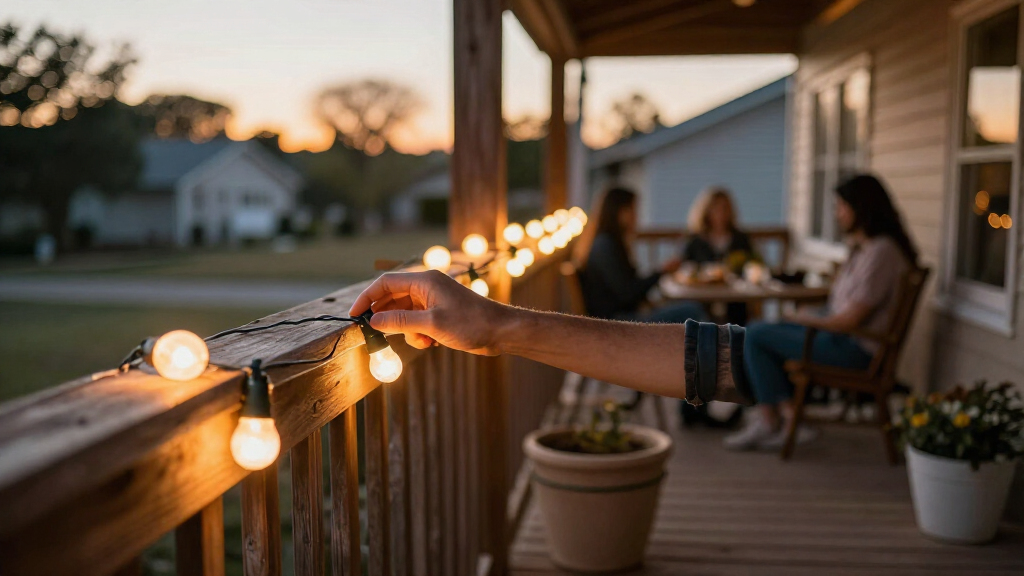
The project presents a different way to add porch lighting and a visible house number in one display. Ordinary string lights can leave their wires in view and may not provide the look or brightness a homeowner wants, according to the description. A planter-based arrangement can instead concentrate the light around an address and offer room for seasonal decoration.
That practical benefit depends on the lights being visible from the street and receiving enough daylight to charge. The idea may appeal to renters or homeowners seeking a small decorative project, but the account does not establish how brightly the lights shine, how long they operate each night, or how well the arrangement withstands outdoor conditions. Those factors will vary with the lights, placement and local weather.
Products Worth Considering

Philips Hue Festavia Permanent Outdoor String Lights, 80 Lights, 150 ft

Google Nest Learning Thermostat (4th Gen) with Nest Temperature Sensor (2nd Gen), Obsidian
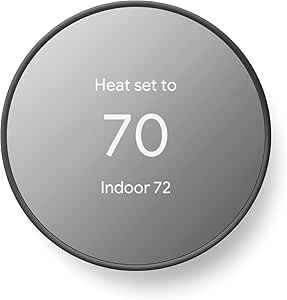
Google Nest Smart Thermostat, Programmable Wi-Fi, Charcoal
As an affiliate, we earn on qualifying purchases.
How the Planter Is Assembled
The project uses solar lights rather than a wired string-light installation. Its basic structure is a long rectangular planter holding foam blocks that support the lights. Faux moss and clipped artificial flower stems hide the foam, while number stickers turn the lights into an address display. The video’s creator uses a planter from Dollar General; the description points to Dollar Tree’s assorted-color rectangular plastic planters as a possible substitute.
The arrangement can be adapted without changing its core setup. A wooden welcome sign could sit beside the planter or be attached to its front, and ribbon could add a seasonal detail. A hanging planter is another suggested variation. The filler can also change with the time of year, including mini pumpkins in autumn, faux snow in winter, pastel eggs in spring or small figurines in summer.
“The creator says she got her rectangular planter from Dollar General.”
— dollartree.hacks, in the TikTok video described
Light Output and Outdoor Durability
The available description does not give the total cost, the exact solar light product used, or measurements for the planter and foam. It also does not report brightness, runtime, charging performance or how the display holds up over time. The lights are described as similar to a named product, so the specific model in the video is not confirmed.
It is also unclear whether the planter shown has drainage, how the lights and foam respond to rain, or whether the number stickers remain legible outdoors. Anyone adapting the idea will need to check product instructions and assess the planter’s location. The suggestion to drill a drainage hole is conditional on exposure to water; the described project does not provide a full construction or weatherproofing guide.
Check Placement Before Building
No product launch, scheduled follow-up or further development is reported; this is a DIY demonstration rather than a formal announcement. For readers planning to try it, the next steps are to choose a planter and compatible solar lights, decide whether the spot needs drainage or added weight, and confirm that the address will be visible from the approach to the home. Allowing the hot glue to dry before inserting the lights is part of the described assembly.
After the arrangement is built, its performance will depend on sunlight, weather and the particular lights selected. Seasonal decorations can be changed later, but the address display should remain easy to read. The project description does not provide test results or a maintenance schedule, so durability and ongoing light output remain matters for each user to evaluate.
Key Questions
What supplies does the solar address planter use?
The described project uses a rectangular planter, floral dry foam blocks, solar house-number stake lights, hot glue, faux moss and artificial flower stems. Scissors may help trim the stems, and number stickers are used to display the address.
Does the planter have to come from Dollar Tree?
No. The creator says she used a planter from Dollar General. A rectangular plastic planter from Dollar Tree is suggested as an alternative, but the design is not limited to either retailer.
How can the planter be steadied outdoors?
The project description suggests adding stones inside the planter to increase its weight, which may help in windy conditions. It also recommends considering a drainage hole if the planter will collect water. Check the planter and light instructions before modifying them.
Will the solar lights work well on every porch?
That is not established. Solar performance depends on the selected lights and their exposure to daylight, and the description provides no brightness or runtime tests. Check the product details and place the lights where they can receive adequate sun.
Source: hunker.com